
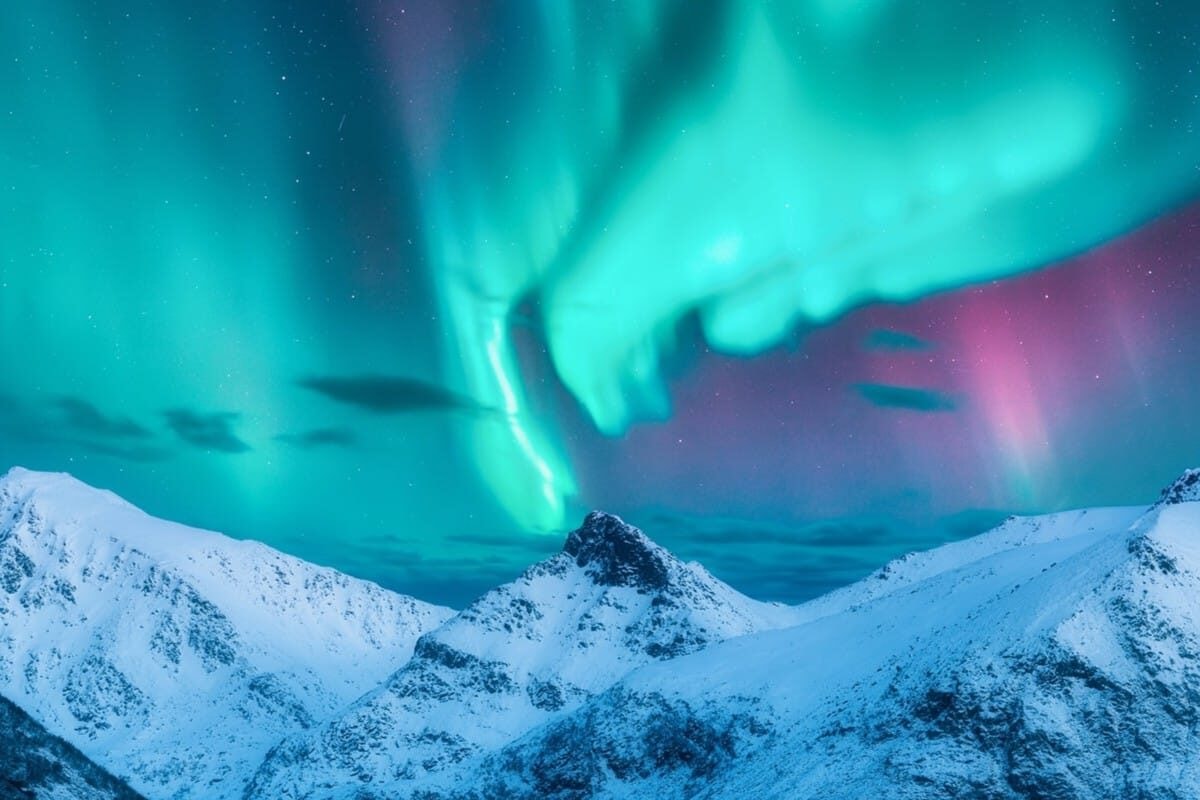
2026 Arctic Aurora Explosion Golden Year: Best Viewing Times & Cruise Aurora-Chasing Guide
2026 marks the golden year of Arctic aurora explosions—don't miss it! Master the best viewing times and experience a new way to chase the lights aboard a Greenland cruise, combining aurora and glaciers in one seamless journey.
2026 is regarded by the scientific community and astronomy enthusiasts alike as the golden year for aurora viewing. As the sun approaches the peak of its 11-year activity cycle, the aurora will appear more frequently and more spectacularly than in previous years across the night skies of the Arctic Circle. For anyone dreaming of witnessing the Northern Lights in person, this is a rare opportunity that, if missed, may not come again for another decade. This article will walk you through the scientific reasons behind the 2026 aurora explosion, the best times to view it, and why a cruise is the ultimate way to chase the lights this year.
The appearance of the aurora is closely tied to solar activity. When the number of sunspots on the sun's surface increases, the sun releases more high-energy charged particles, which enter the Earth's magnetic field and collide with oxygen and nitrogen in the upper atmosphere, creating the spectacular aurora display. This activity cycle occurs roughly once every 11 years and is known as the "Solar Cycle."
According to NASA Solar Cycle Science and NOAA Space Weather Prediction Center observations, the current solar cycle (Solar Cycle 25) is rapidly intensifying and is expected to reach its activity peak between 2025 and 2026. This means the aurora will be at its most frequent and most spectacular during this period.
- Higher Occurrence Rate: Even in lower-latitude regions (such as Scotland and central Canada), the likelihood of aurora sightings may increase.
- Stronger light bands:The aurora colours will be more vivid and cover a wider range.
- Higher chance of catching the aurora:With Arctic cruises or land journeys scheduled in 2026, there's a chance of spotting the aurora almost every night.
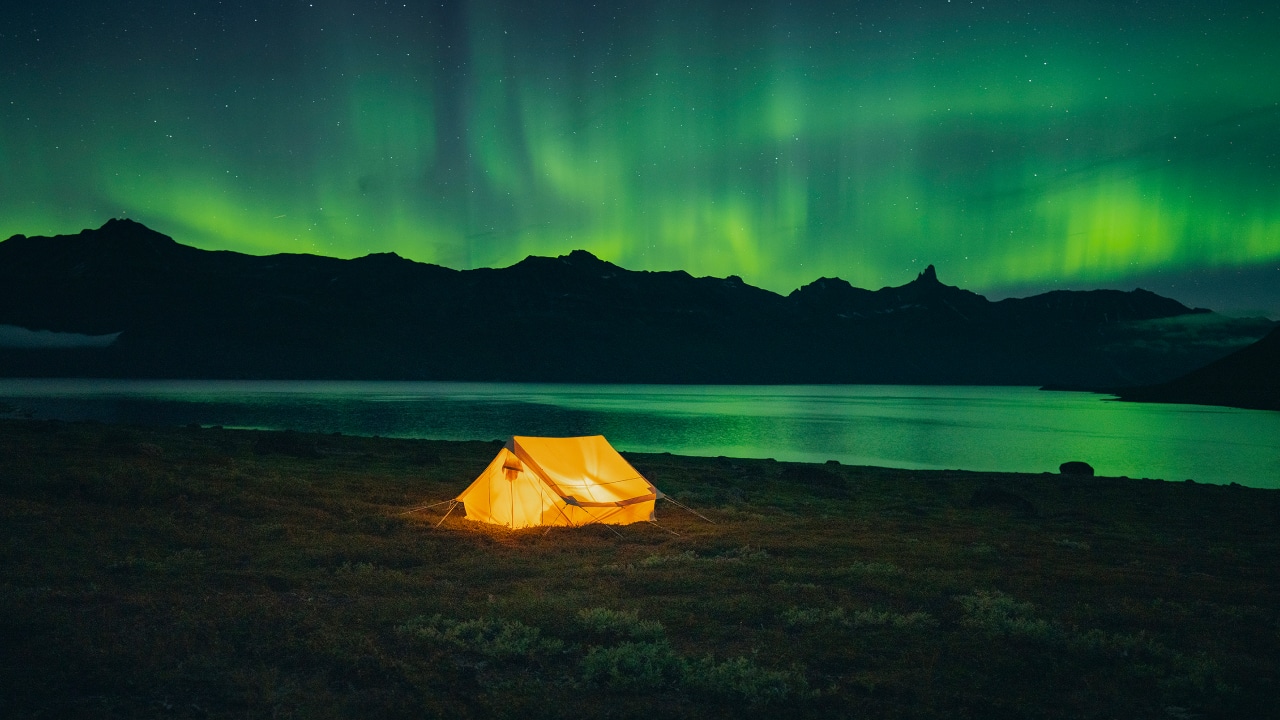
The 2026 solar maximum will bring even more spectacular skies. Imagine pitching a tent in the wilderness of Greenland or Northern Europe, with the aurora filling the sky above — such scenes will become more common at the peak of the aurora cycle.
The Arctic Circle's aurora season generally runs fromSeptember to March the following year. During this period, nights are long with plenty of darkness, combined with heightened geomagnetic activity, making it the golden window for aurora hunting.
Based on historical weather and solar activity data, the following months are especially worth noting:
- March: High aurora activity with warming weather, making it ideal for combining daytime outdoor activities with nighttime aurora hunting.
- September: Peak autumn aurora activity, with cruises to Greenland and Iceland especially popular; the climate is relatively stable, making it suitable for cruise itineraries.
- October–November, January–February: The aurora remains active, but weather conditions are harsher with frequent cloud interference, requiring more patience and flexible planning.
Month | Length of Darkness | Weather Stability | Activity Level | Recommended Activities |
September | Moderate | Stable | ★★★★☆ | Cruise voyages, chasing lights along Greenland's coast |
October | Long | Increasingly humid | ★★★★☆ | Iceland, Norway + cultural experiences |
November | Longer | Cloudy and unstable | ★★☆☆☆ | Multi-day stays required, flexible scheduling |
December | Longest | Frequent snowfall | ★★☆☆☆ | Ideal for Christmas holidays + snow activities |
January | Long | Dry and cold | ★★★☆☆ | Canada's Yukon, Finland's glass igloos |
February | Long | Warming and stable | ★★★★☆ | Both Nordic countries and Greenland suitable |
March | Moderate | Stable | ★★★★★ | Cruises + glacier hiking + photography |
Besides relying on seasonal timing, aurora chasers can also boost their chances of success using official real-time tools:
- NOAA 30-Minute Aurora Forecast: Shows the real-time range of Earth's auroral oval.
- NOAA Kp Index Forecast: Shows the intensity of geomagnetic activity — the higher the Kp index, the more active the aurora.
- Finnish Meteorological Institute (FMI), Icelandic Meteorological Office (IMO) Aurora Activity and Cloud Cover Forecast: Commonly used aurora activity monitoring tools in Europe.
These tools help travelers or photographers make real-time decisions before and during their trip on whether it's worth heading out to chase the lights, making them especially useful for short-stay travelers.
The Northern Lights are most commonly observed in areas mainly distributed within the"aurora belt" north of 60° N latitude:
- Iceland: Convenient transport and excellent infrastructure make it a top choice for many first-time aurora chasers.
- Tromsø, Norway: Known as the "Aurora Capital," offering a wide range of aurora tours and outdoor activities.
- Lapland, Finland: Famous for glass igloos and snow activities, ideal for family travel.
- Yukon, Canada: Dry, cold, and stable weather, perfect for extended photography sessions.
These destinations remain popular in 2026, but come with relatively more crowds and light pollution.
During the peak of solar activity, Greenland is regarded as one of the most promising destinations. There are three reasons why:
- Light pollution-free environment: Along the polar glaciers and fjords, there's no interference from city lights, allowing for pristine aurora captures.
- Solar maximum boost: The 2026 solar activity peak means Greenland's auroras will be even more intense than in previous years.
- One of the few places offering in-depth exploration: Beyond the aurora, you can also experience glacier hiking, wildlife watching, and Inuit culture.
However, Greenland's overland transport is extremely limited, which is why cruise voyages are the key way to chase the lights in 2026. By cruise, you can venture deep along Greenland's northeastern coast, reaching pristine areas that are difficult for most travellers to access. Want to learn more about the aurora-viewing characteristics of different countries?👉 Further reading:The Complete Guide to Arctic Auroras

A night scene near Reykjavik, Iceland, where a church and the aurora intertwine — often the first stop on many Arctic travellers' journey to chase the lights. Photo credit: Marek Piwnicki
In a solar maximum year, choosing the right viewing method can greatly boost your chances of witnessing a spectacular aurora. Compared to land-based chasing, cruises offer three key advantages in 2026:
- Move to dodge clouds, boosting your success rate: Although auroras are active, they're still affected by cloud cover. Cruises can adjust their route based on weather and real-time forecasts, seeking out brief "clear windows" and greatly increasing your chances of seeing the aurora.
- A low-light-pollution viewing environment: On the cruise deck, free from the interference of city lights, you can enjoy a full 360° panoramic sky. The aurora often appears alongside glaciers and fjords in the same frame — a scene photography enthusiasts dream of
- A complete travel experience: A cruise isn't just a mode of transport — it's a polar expedition
- Daytime → Land on glaciers, spot wildlife, attend expert lectures
- Night → Return to the deck to focus on chasing the lights, without needing to pack up and move or endure long drives every day
Aspect | Land Aurora Hunting | Cruise Aurora Hunting |
Success Rate | Fixed location, affected by single-area weather | Ship can move to avoid clouds, increasing chances of seeing the aurora |
Light Pollution | Must stay away from cities, but crowds or car lights may still be present | Low light pollution on deck, 360° views |
Experience | High flexibility, self-drive + cultural activities | All-in-one: Greenland landings, wildlife, culture + aurora |
Best For | Travelers who enjoy independent travel and short getaways | Those wanting higher success rates and a comfortable, hassle-free itinerary |
Want a fuller comparison of the two aurora-hunting methods? 👉 Further Reading:Arctic Aurora Comparison: Land vs Cruise

The 360° panoramic view from the cruise deck lets travelers focus on aurora hunting free from light pollution.Even if the aurora suddenly appears, an announcement will be made on board to ensure no one misses it.
If you want to experience the purest, most spectacular aurora scenes in 2026, the golden year of aurora eruptions,the Greenland Cruise Voyage is the best choice. Departure: Reykjavik, Iceland The itinerary departs from Iceland's capital, crosses the Denmark Strait, and ventures deep into Greenland's northeastern coast — a remote, light-pollution-free sanctuary for aurora viewing. Route Highlights
- Ittoqqortoormiit Village: One of Greenland's most remote towns, offering a chance to observe Inuit cultural life.
- Ella Island Fjord: Surrounded by glaciers and snow-capped mountains, a dreamlike stage for chasing the lights at night.
- Botanikerbugt Tundra Ecological Zone: Explore polar vegetation and wildlife up close.
👉 Further Reading: Must-Visit Attractions in Greenland Special Experiences
- Zodiac Landings: Board a Zodiac to reach fjords and glaciers, experiencing the grandeur of the polar landscape.
- Photography Guidance: Professional photographers teach you to capture stunning shots of the aurora and glaciers.
- Inuit Cultural Dining: Sample local specialty cuisine and experience cultural exchange.
- Wildlife Watching:Chances to spot polar bears, muskoxen, seals, and whales.
👉 Further Reading:Polar BearsandGuide to Other Arctic Wildlife
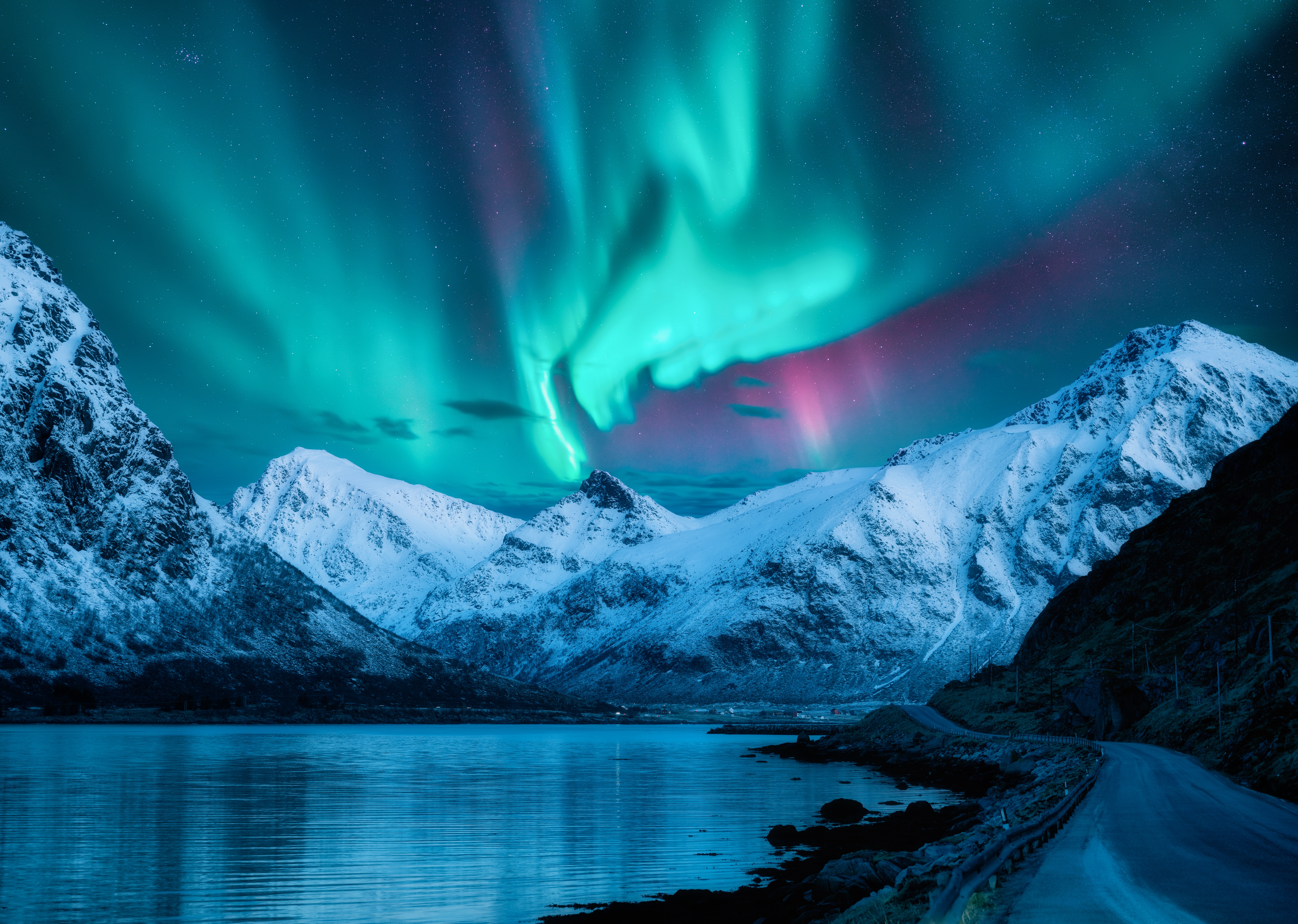
The Aurora dancing over Greenland's fjords, combined with snow-capped mountains and glaciers, creates the purest aurora-chasing scenery in the world — the 2026 solar maximum will bring even more of these breathtaking nights.
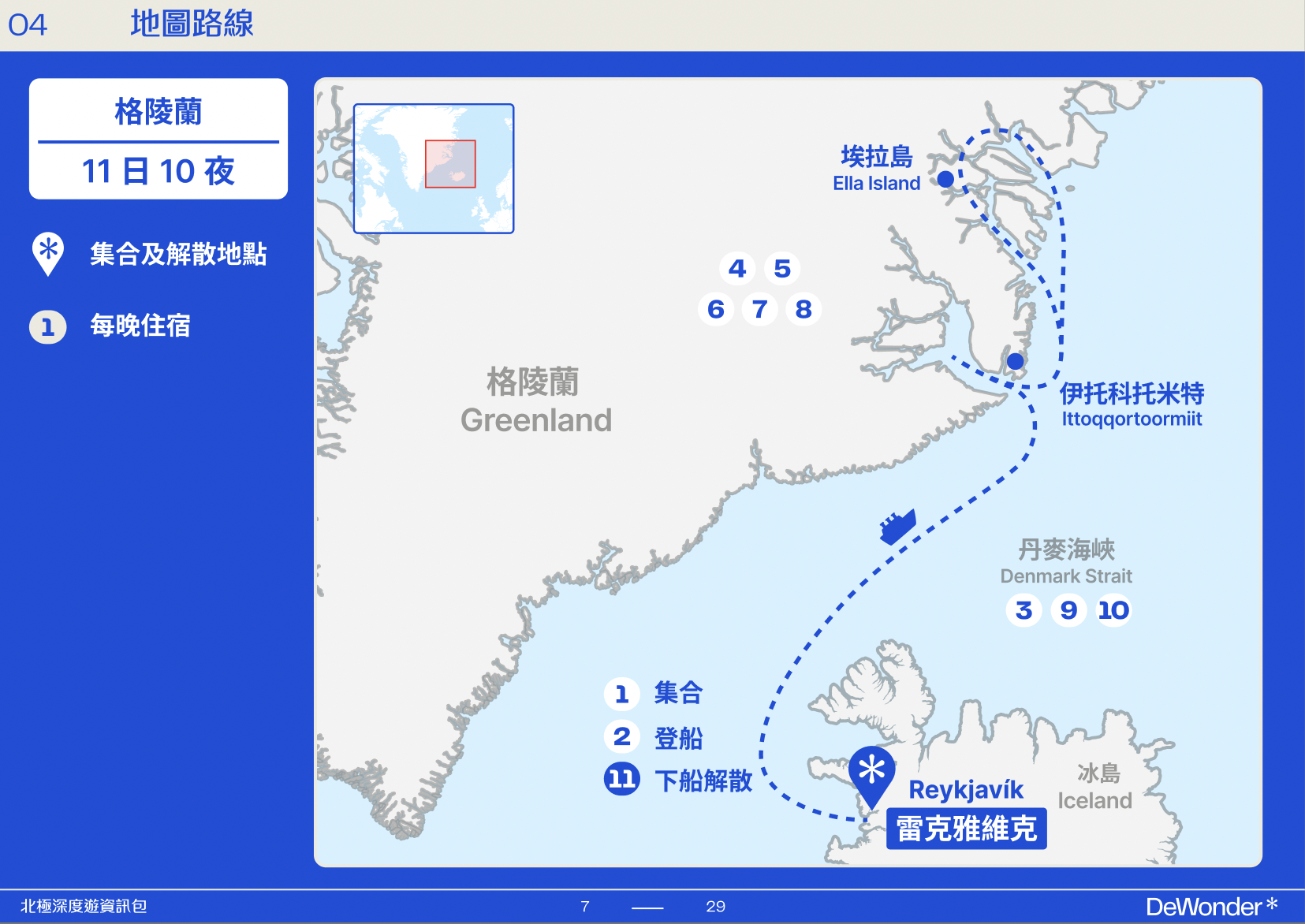
DeWonder's Arctic Greenland aurora-chasing itinerary lets you enjoy the Northern Lights aboard a low-light-pollution cruise ship, while also capturing all the polar wildlife-watching opportunities along the way
2026 marks the golden cycle for Arctic auroras — miss it, and you'll have to wait another decade for the next one. Rather than "trying your luck" on land, why not choose a cruise instead, offering a higher success rate, more spectacular views, and a more complete exploration experience, turning this aurora journey into an unforgettable memory of a lifetime.DeWonder and Quark Expeditions have joined forces to create a professionalArctic In-Depth Tour. With small-group arrangements, you can not only chase the lights with peace of mind, but also gain an in-depth understanding of polar ecology and witness unique natural landscapes all in one trip. From the Northern Lights and wildlife to Inuit culture, we have already accompanied countless travellers to the ends of the earth. 👉 Check out theYear-Round Arctic Departure Schedule 👉 Click here to download the itinerary PDF 👉 Join our free online seminarand enjoysavings of up to HK$22,000!