
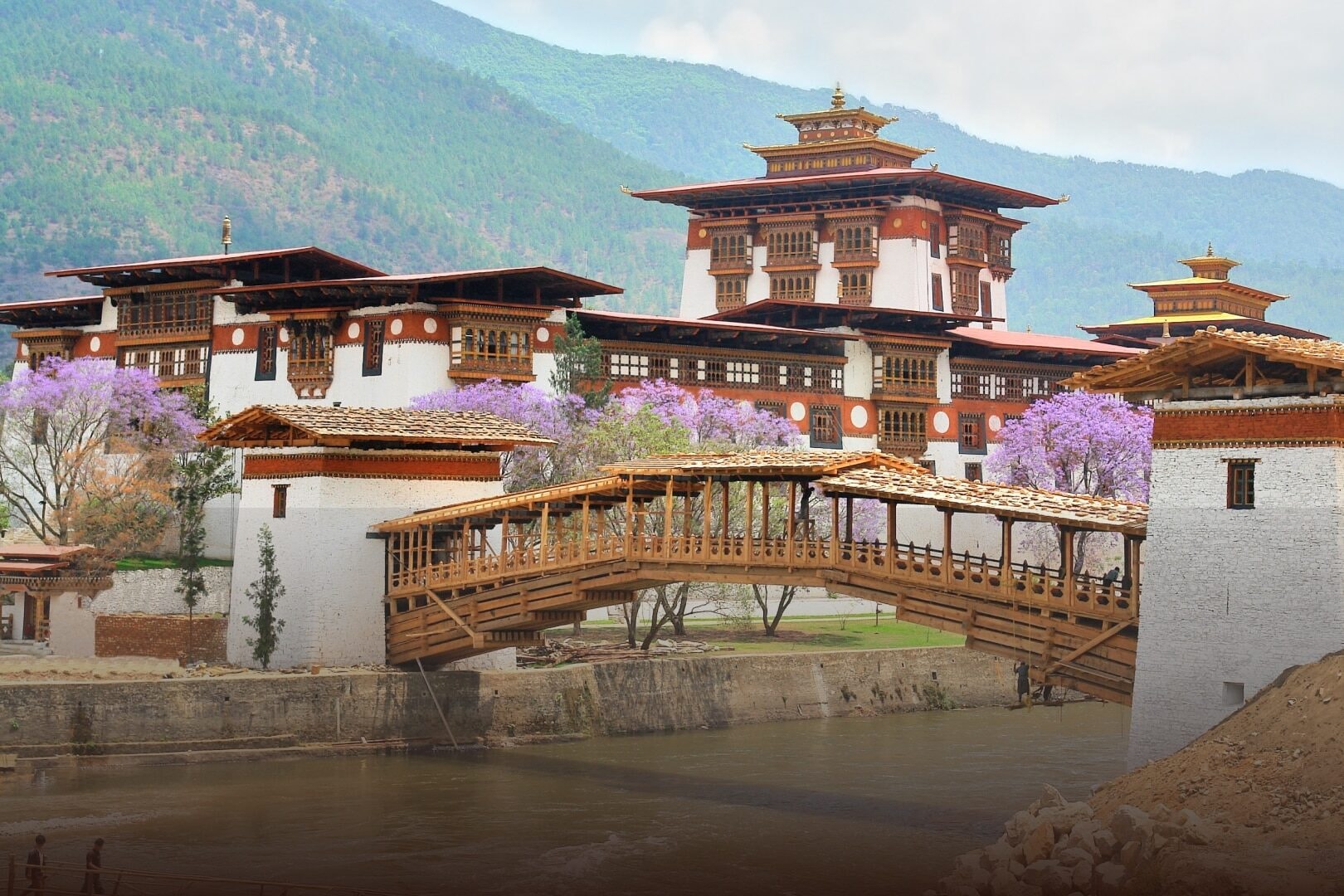
Bhutan Itinerary Planning Guide: Best 6–8 Day Route Recommendations
Planning a trip to Bhutan? We've put together the best direct-flight routes for 6-day and 8-day trips, covering route logic, city connections, and valley highlights, so you can see at a glance the smoothest way to plan your Bhutan journey.
Bhutan's appeal isn't just its dzongs, monasteries, and valleys—it's the atmosphere that slows down time and quiets the mind. But because of restrictions on independent travel, the daily SDF, and limited flight options, many travelers get stuck right at the first step of "not knowing how to plan an itinerary." This guide focuses on "planning logic" to help you understand:
- How to choose between a 6–8 day itinerary, and what's the difference?
- What impact does direct flight vs. connecting flight have?
- How to decide between small group (semi-independent) travel and private tours?
- What's the most comfortable way to experience the classic Golden Triangle?
If you're not yet familiar with traveling in Bhutan, we recommend reading these articles first 👉 The Complete Guide to Bhutan Travel 👉 What is SDF? Understanding Bhutan's SDF System
The number of days actually determines "how much of Bhutan's true self you'll get to see."
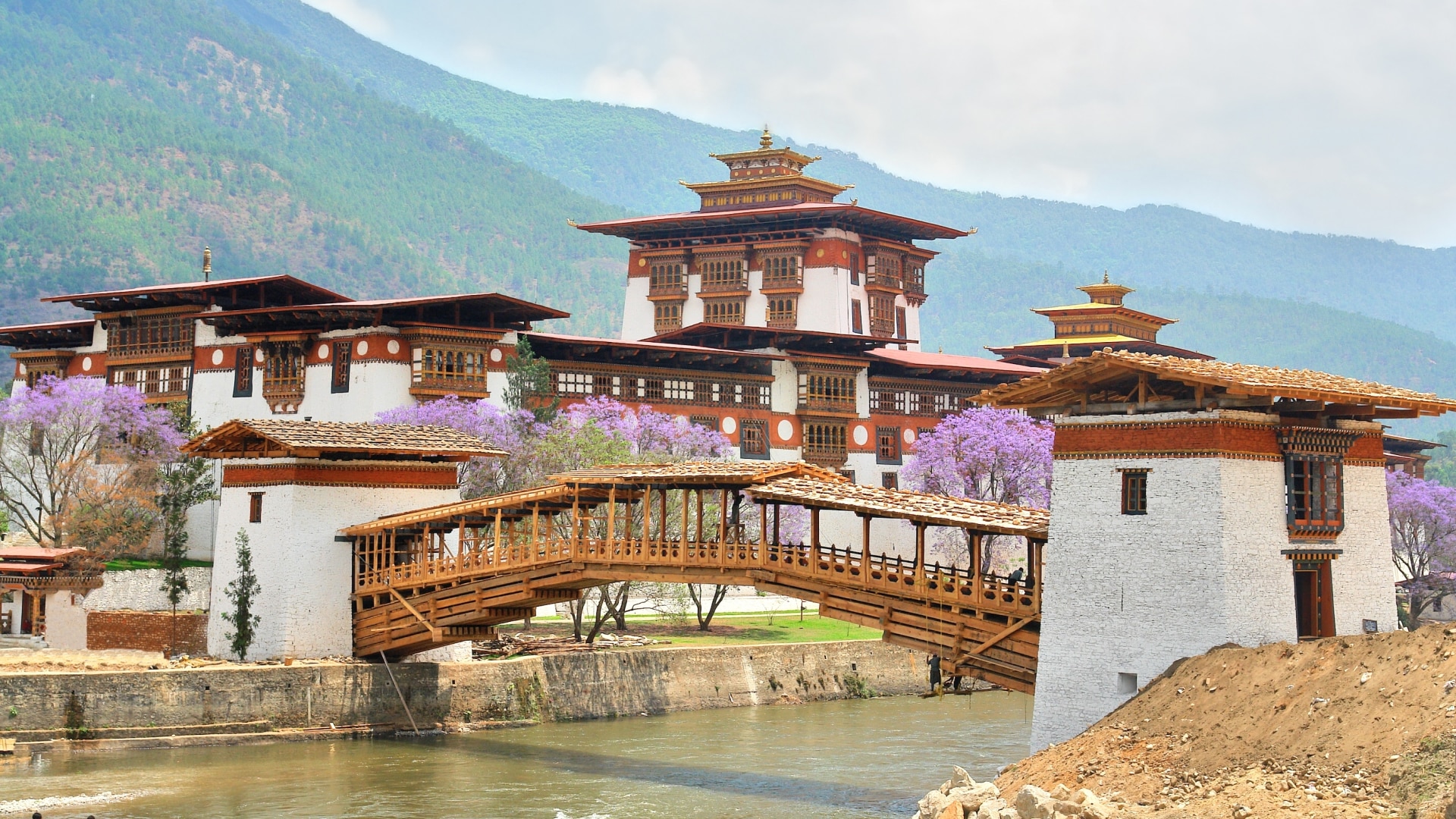
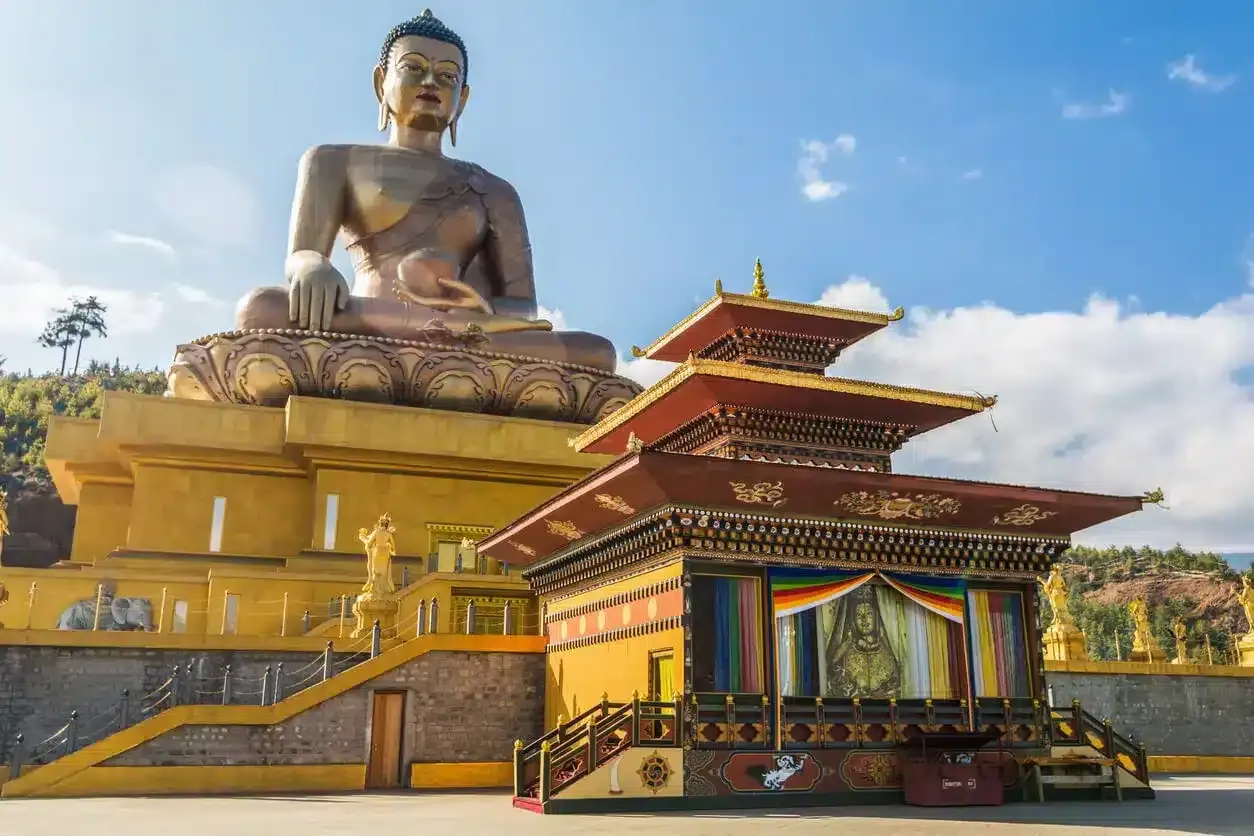
- This itinerary covers the three major cities of western Bhutan—Paro, Thimphu, and Punakha, commonly known as the "Golden Triangle."
- Ideal for first-time visitors, those with limited vacation time, and anyone wanting to grasp the essence of Bhutan first.
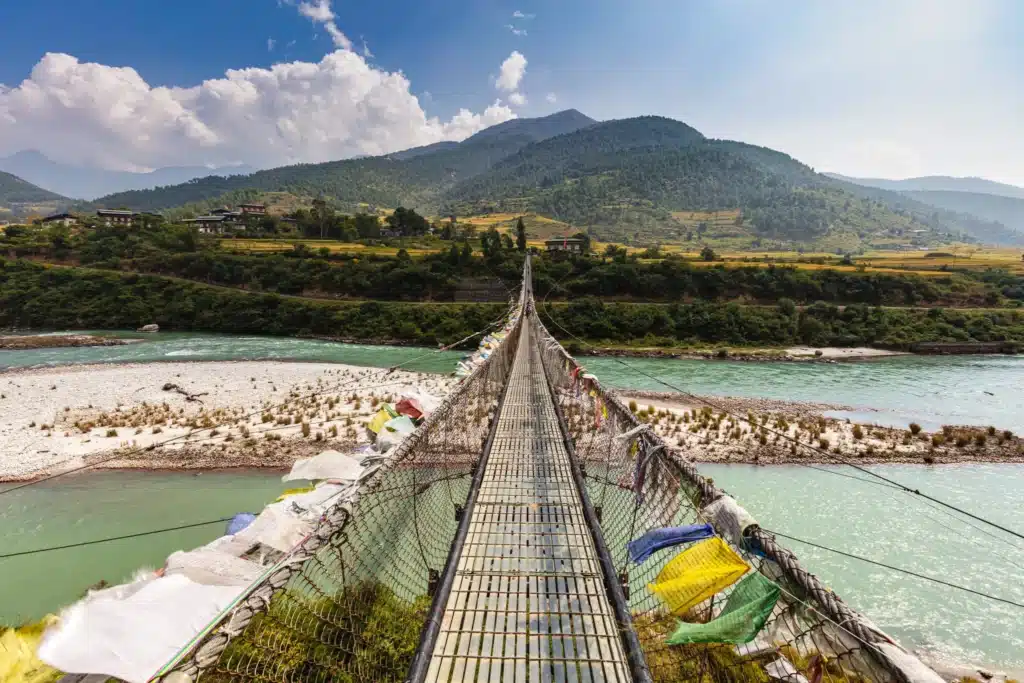
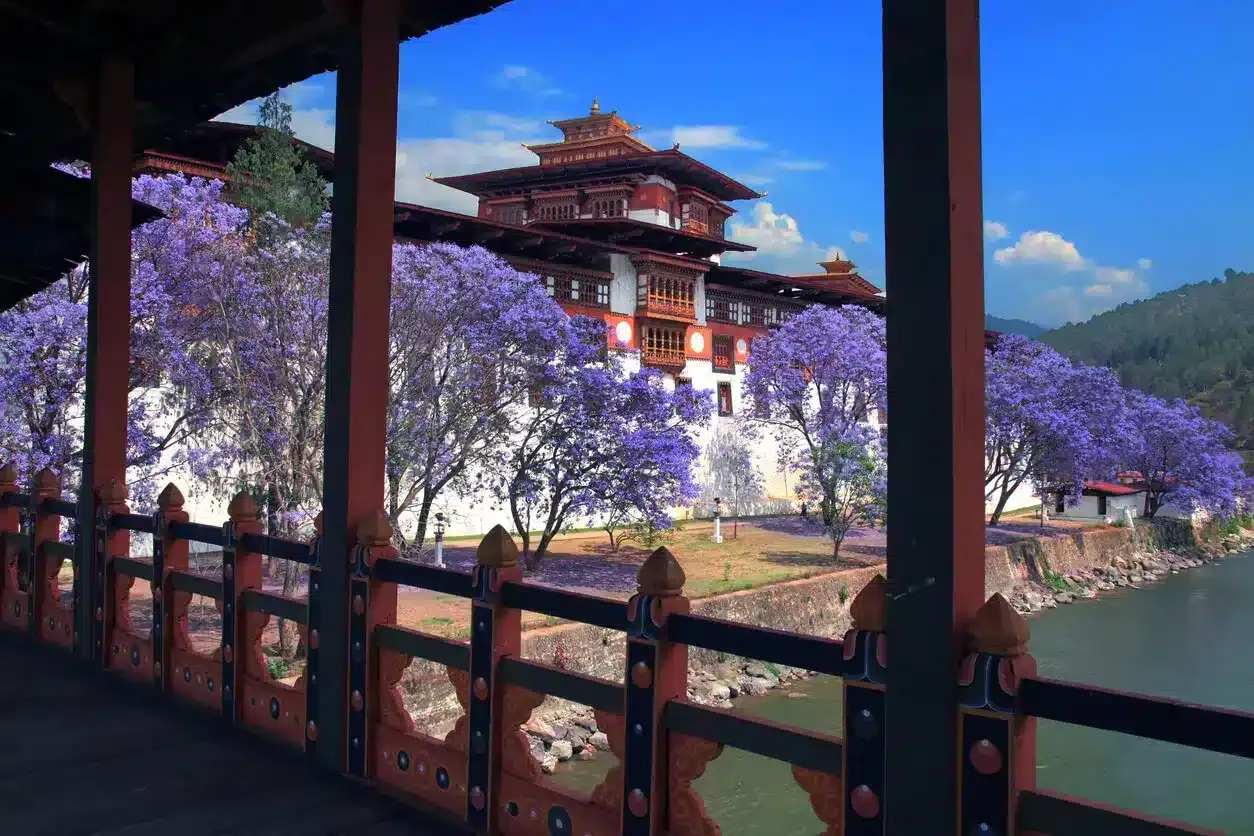
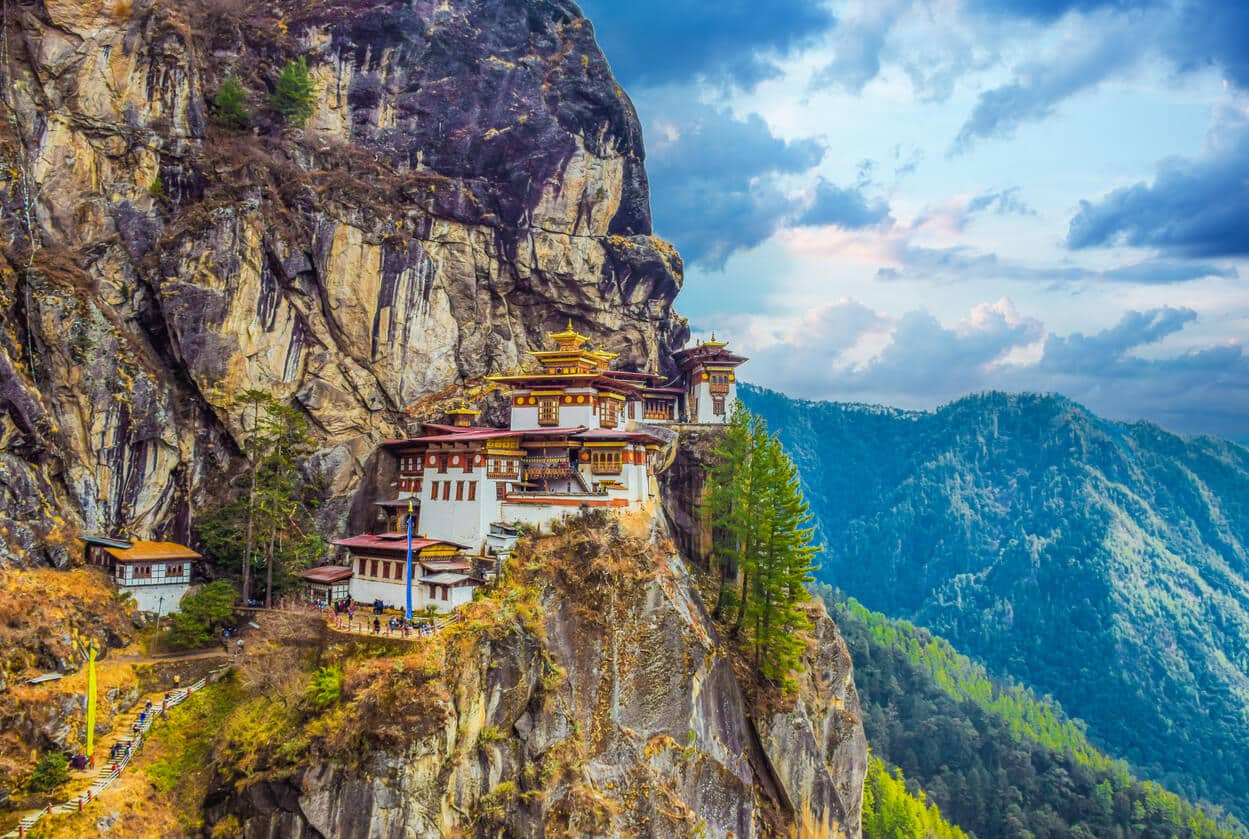
When time allows, you can extend your journey into the central valleys, such as:
- Gangtey
- Phobjikha (Black-necked Crane Reserve)
![1720685578891-lobesa-village-bhutan[1]](https://cdn.dewonder.travel/media/512/1720685578891-lobesa-village-bhutan1.jpg)
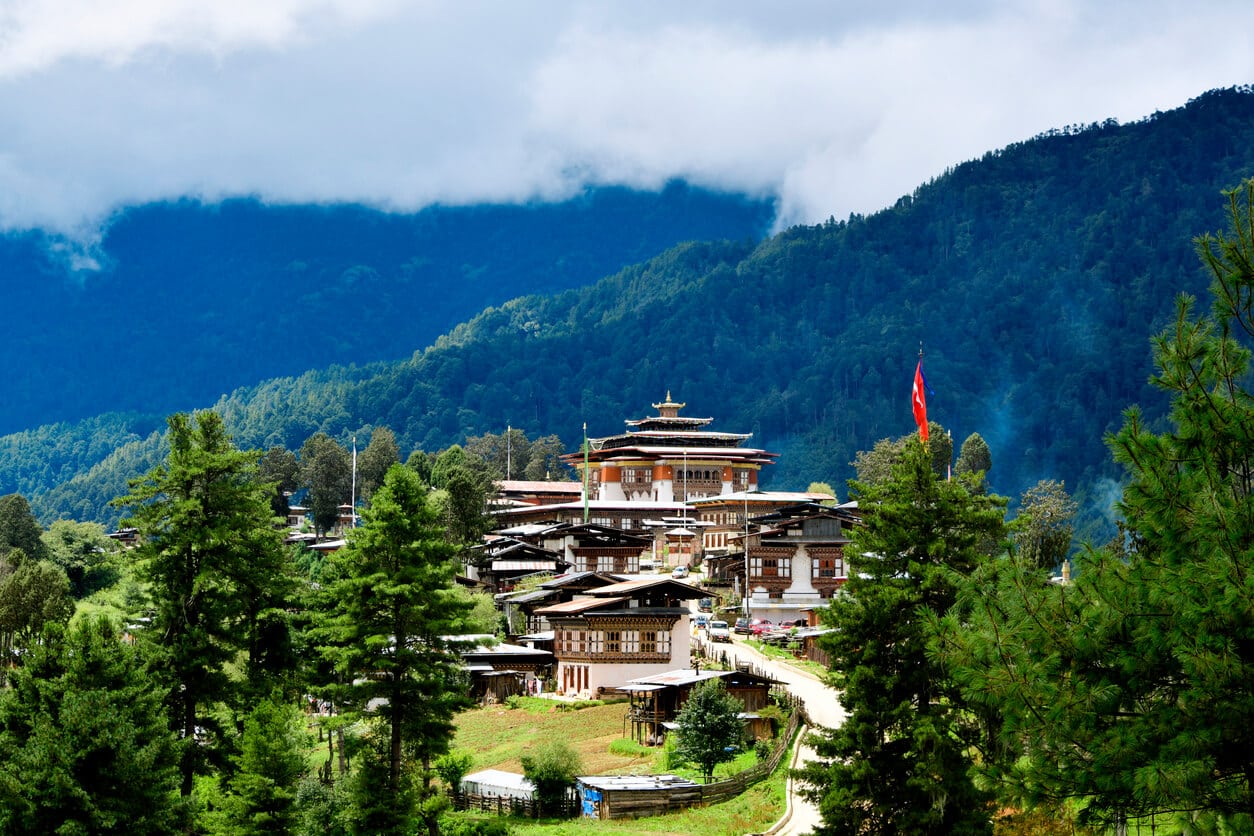


These two regions preserve Bhutan's most pristine valley landscapes, with a pace even slower than the west. Want to explore these areas in more depth? 👉《Bhutan's Must-Visit Attractions: A Complete Overview》 👉《Bhutan Black-Necked Crane Watching Guide: Exploring Gangtey Valley and the Black-Necked Crane Festival》
The biggest difference isn't "how much you get to do," but how many extra days you need to set aside for travel.
You'll typically need to wait for your connecting flight, possibly with an overnight stay, meaning you should set aside an extra 1–2 days for travel time. If your annual leave is limited, your overall trip will need to be extended in order to smoothly connect with your Bhutan itinerary.
A short, direct flight means no extra days needed for transit. You can spend your entire holiday fully immersed in Bhutan's local itinerary — the most time-efficient option.
In recent years, the most popular choice isn't the traditional large group tour, but rather:
- Semi-independent travel / small groups: The itinerary has a clear main structure and well-organised transport, but still leaves room for flexibility. For example, interactions with local farming families, walking routes, and rest periods can all be adjusted based on the group's condition.
- Private tours: The route, pace, and experiences can all be tailored to your needs — ideal for photography enthusiasts and those seeking deep cultural immersion.
👉 Further Reading: 《Can You Travel Independently in Bhutan? An Analysis of Flexible Private Tours and Small Groups》
If this is your first time planning a trip to Bhutan, you'll likely be torn between the "6-Day Highlights" and the "8-Day Nature Exploration" options. In fact, the two share much in common (both include Paro, Thimphu, and Punakha) — the main difference lies in whether the trip extends to the central valley of Gangtey & Phobjikha.
This route is the top choice for over 90% of first-time visitors to Bhutan — not just because it's "classic", but because it offers the most comfortable pace and the most logical travel flow.
- Start with "lower-altitude Punakha" for easier acclimatisation
- Move to the capital Thimphu midway to build up your cultural foundation
- Save your energy for Tiger's Nest Monastery on the final day
- Fixed travel times between cities mean no exhausting long journeys
Using a direct flight from Hong Kong as an example, here is our recommended 6-day, 5-night Bhutan itinerary:
Day | Route & City | Highlights & Experiences |
Day 1 | Hong Kong Direct Flight → Paro → Punakha |
|
Day 2 | Punakha |
|
Day 3 | Thimphu |
|
Day 4 | Paro |
|
Day 5 | Tiger's Nest (Taktsang) |
|
Day 6 | Paro → Hong Kong | Afternoon direct flight back to Hong Kong, concluding a relaxing journey |
👉 Further Reading: 《Bhutan Cultural Experience Activities》
The 8-day itinerary retains all the highlights of the 6-day trip, but extends further south to Gangtey and the Phobjikha Valley. Here you'll find more pristine valleys, less touristy villages, and the habitat of the Black-necked Crane (seasonal).
Day | City / Region | Itinerary Highlights |
Day 1 | Hong Kong Direct Flight → Paro → Punakha |
|
Day 2 | Punakha → Gangtey |
|
Day 3 | Phobjikha Valley |
|
Day 4 | Gangtey → Thimphu |
|
Day 5 | Thimphu → Paro |
|
Day 6 | Paro → Tiger's Nest |
|
Day 7 | Paro Full Day | A more flexible itinerary: stroll around, visit cafés, shop, or simply rest — perfect for slowly winding down before heading home |
Day 8 | Paro → Hong Kong | Direct afternoon flight back to Hong Kong, with a relaxed pace throughout |
Compared to the classic 6-day itinerary, this adds two major highlights:
- Gangtey Valley: More untouched and tranquil
- Phobjikha Nature Trail: Visit the valley of the black-necked cranes
Best suited for travelers who:
- Love natural scenery
- Want to see black-necked cranes
- Prefer a slower travel pace (less rushing around)
- Want to experience life "beyond the cities" of Bhutan
👉 Further Reading: "Bhutan Black-Necked Crane Watching Guide: Exploring Gangtey Valley and the Black-Necked Crane Festival"
Bhutan offers different scenery throughout the four seasons — there's no truly "wrong" month to visit, only the version of Bhutan you'd like to discover.
- March–May (Spring): Flower season with stable weather — the most recommended time for first-time visitors.
- June–August (Summer): Lush valleys with drifting mist and the deepest greenery — a favorite for travelers who love atmospheric scenery.
- September–November (Autumn): Clear skies and high visibility make this season ideal for hiking and photography; it's also when the largest festivals are concentrated.
- December–February (Winter): The air is dry and cold, but mountain views are crisp, with a chance to see snow at higher elevations — the atmosphere is wonderfully clean and serene.
If you'd like a more precise breakdown of the weather, festivals, scenery, and travel tips for each month 👉 Further Reading: 《Best Time to Visit Bhutan》
Bhutan's most important annual festival, where monks wear colourful masks and perform the sacred Cham dance — a grand event combining blessing, art, and community. Recommended months: March, April, September, October 👉 Further Reading: 《Bhutan Festival Guide》
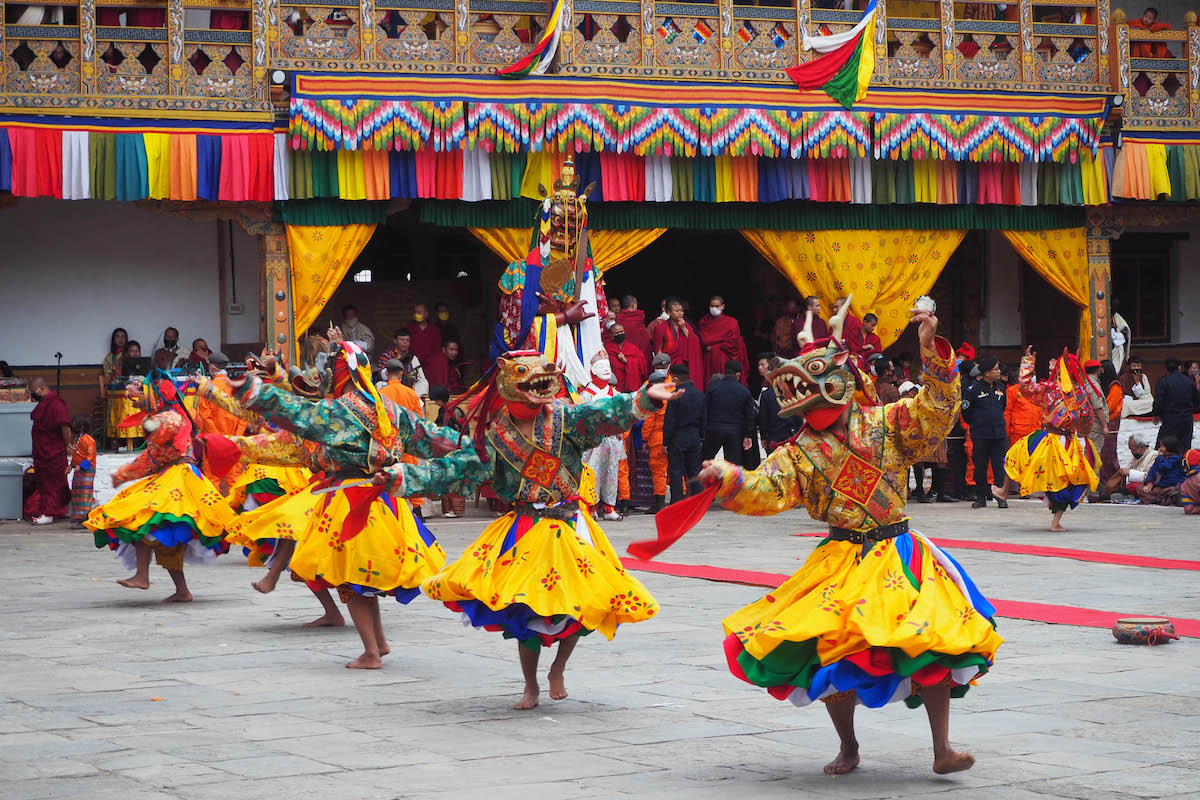
The Tshechu Festival is a grand Tibetan Buddhist celebration, well worth experiencing in person to soak in the cultural atmosphere
A: Bhutan's transport system operates under a controlled arrangement — visitors are not permitted to self-drive or freely rent vehicles. All travel between cities (Paro, Punakha, Thimphu, etc.) must be arranged through government-licensed travel agencies, drivers, and guides. This system actually enhances the quality of your trip:
- High vehicle safety standards
- Drivers familiar with mountain roads and conditions
- A worry-free journey with seamless transport connections throughout
- Also avoids the dangers of high-altitude roads
Want to understand Bhutan's transportation options more clearly (direct flights, private cars, city transfers) 👉 Further Reading: 《Bhutan Transportation Guide》
A: No! Although Bhutan's altitude and temperature differences may seem significant, your luggage can actually be quite minimal. Most travellers can manage easily with a single 24-inch suitcase. General packing principles:
- 1–2 jackets (light jacket for spring/autumn, down jacket for winter)
- Comfortable walking shoes (essential for Tiger's Nest Monastery and valley walks)
- Layered clothing (large temperature differences between morning and evening)
- A small amount of warm accessories (hat/gloves, depending on season)
- Extra SD cards and power banks (the valley scenery is simply too beautiful)
For the complete list, please refer to: 👉 《Bhutan Pre-Trip Packing List (What to Pack)》
A: The cost difference between the two itineraries is actually not that significant—the main difference lies in whether the trip extends to Gangtey and Phobjikha Valley. Taking DeWonder's Bhutan In-Depth Tour as an example:
- 6-day itinerary: approx. HK$26,800–$28,800
- 8-day itinerary: approx. HK$28,800–$29,800 (depending on departure date)
Although the number of days differs, since most itineraries involve direct flights and similar accommodation standards, the price difference is small. The bigger difference lies in the experience focus:
- 6 days → Classic cities, relaxed pace
- 8 days → One extra valley, deeper dive into nature and ecology
For the full comparison table, check out 👉"Bhutan Itinerary Cost & Experience Comparison: 6 Days vs 8 Days"
Bhutanese cuisine is mainly based on vegetables, cheese, and rice. Some dishes can be quite spicy, but group itineraries are usually adjusted accordingly. If you enjoy local culture, you must try Ema Datshi (chilli cheese). Want to know what people eat in Bhutan? 👉 Further reading: "Bhutanese Cuisine: Local Food Culture and Must-Try Dishes"
Bhutan's beauty isn't just about scenery—it's a way of life. And what DeWonder wants to do is bring you into that happiness you can truly see and feel. Here's why many travellers choose DeWonder's Bhutan In-Depth Tour, and perhaps a travel style you'll love too:
- 10 years of on-the-ground experience in Bhutan: From tour guides to farmhouse hosts, we've worked with local partners for years to make every experience more authentic.
- Hong Kong direct flight partnership: In select months, we arrange chartered direct flights to Paro, making the journey smoother and more time-efficient.
- Small group departures with flexible private tours: Averaging 8–14 people, with private group arrangements also available to suit your own pace.
- Cultural experiences that go beyond the surface: Farmhouse dinners, mandala (sand painting) experiences, festival viewings...all add warmth and depth to your journey.
- A track record of international collaborations: We once helped Ed Sheeran hold a dedicated concert in Bhutan—the first international superstar event of its kind there.
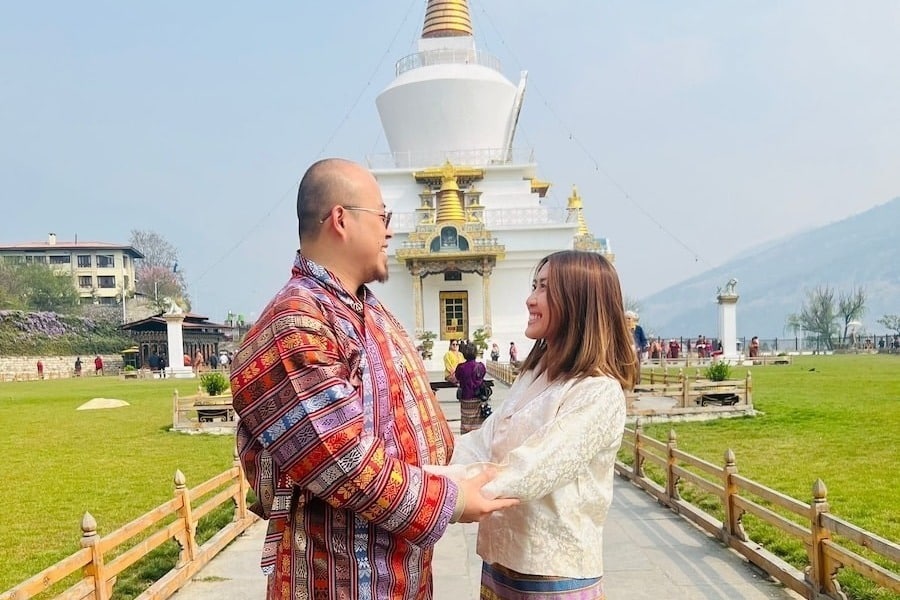
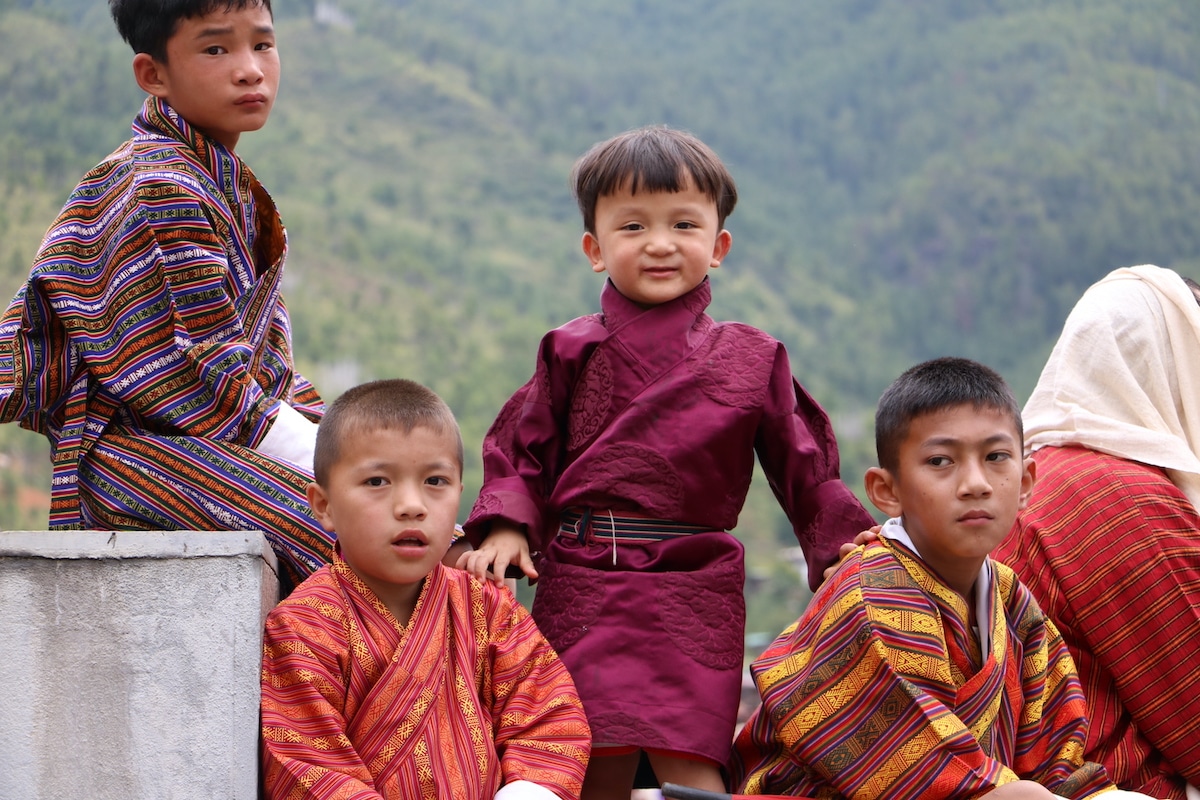
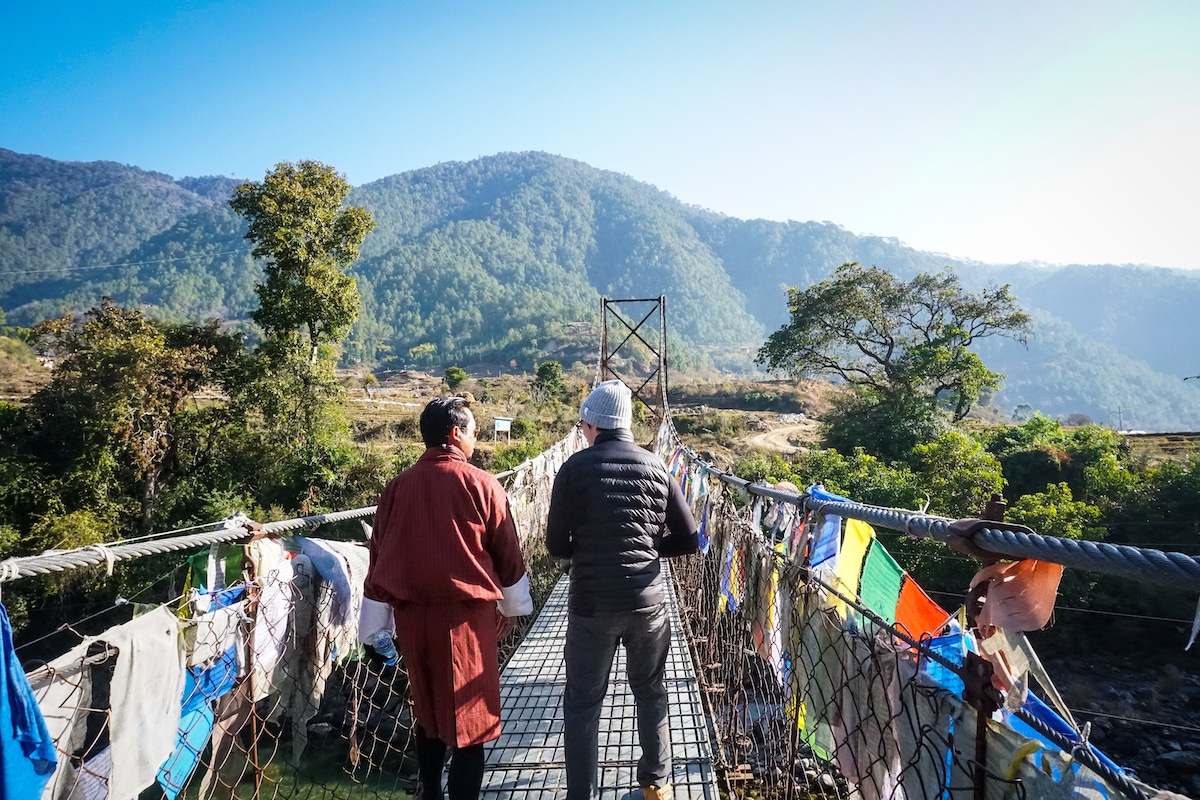
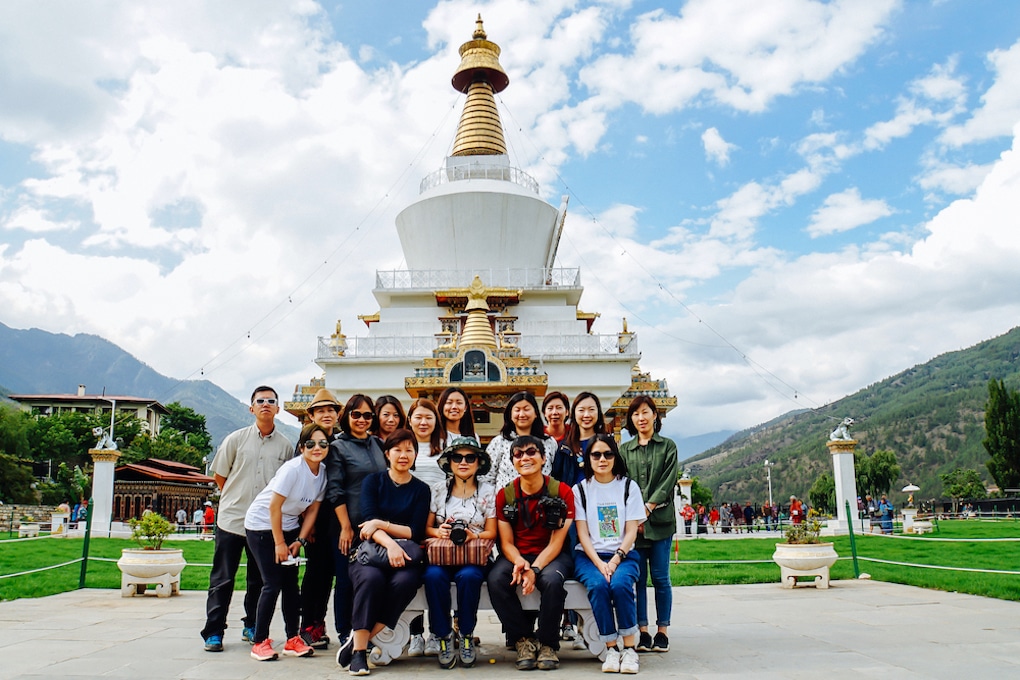
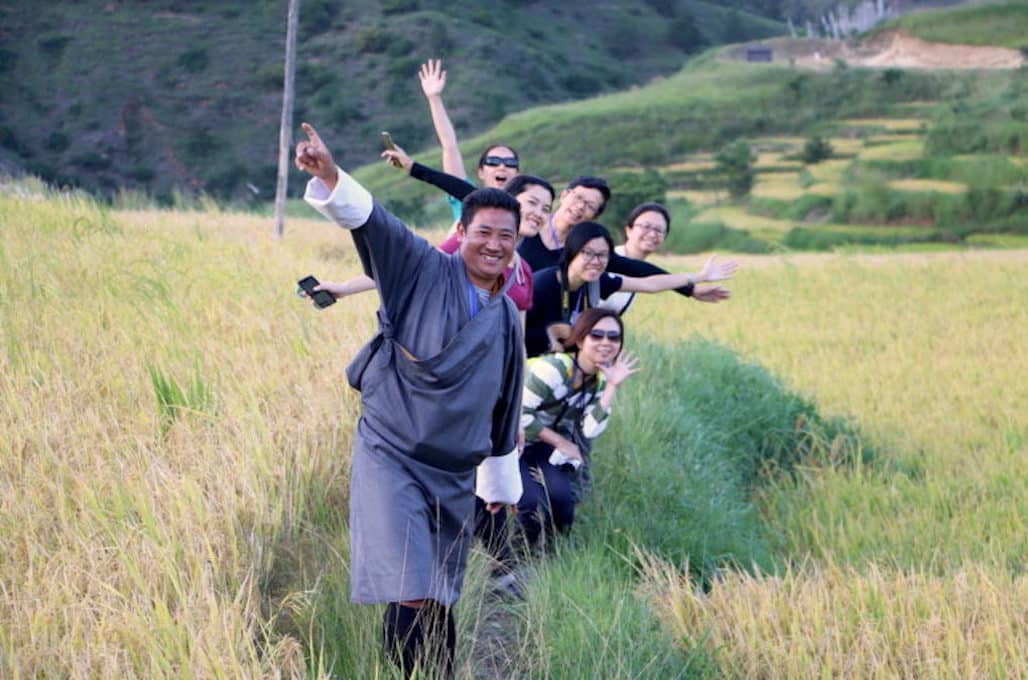
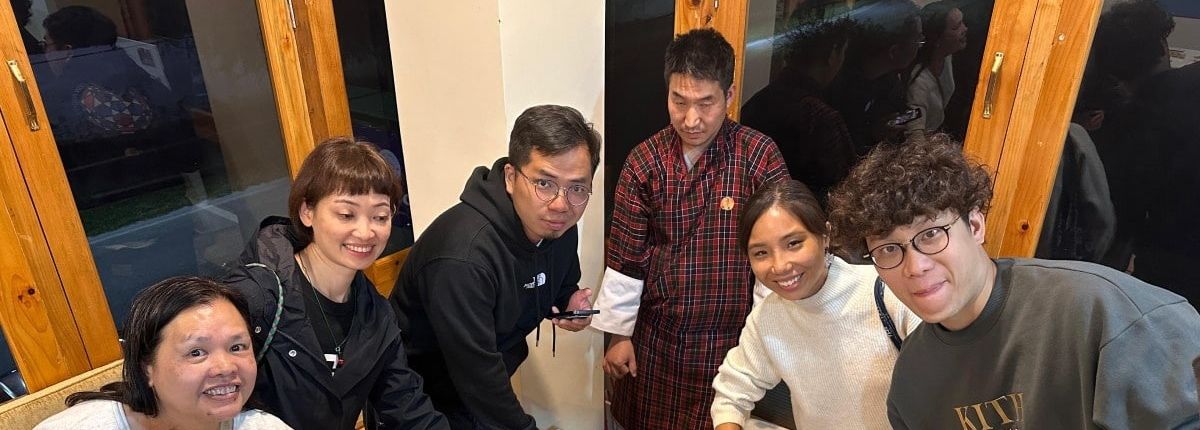
If you can't quite picture what it's really like to join a DeWonder in-depth tour, why not take a look at DeWonder members' reviews, so you can get a more concrete idea of the Bhutan itinerary!



👉Check out the Bhutan year-round departure schedule 👉Sign up for free for the Bhutan online seminar to get more answers to your questions about traveling to Bhutan: Click here to register 👉 For more on Bhutan travel, we recommend reading this Complete Bhutan Travel Guide