
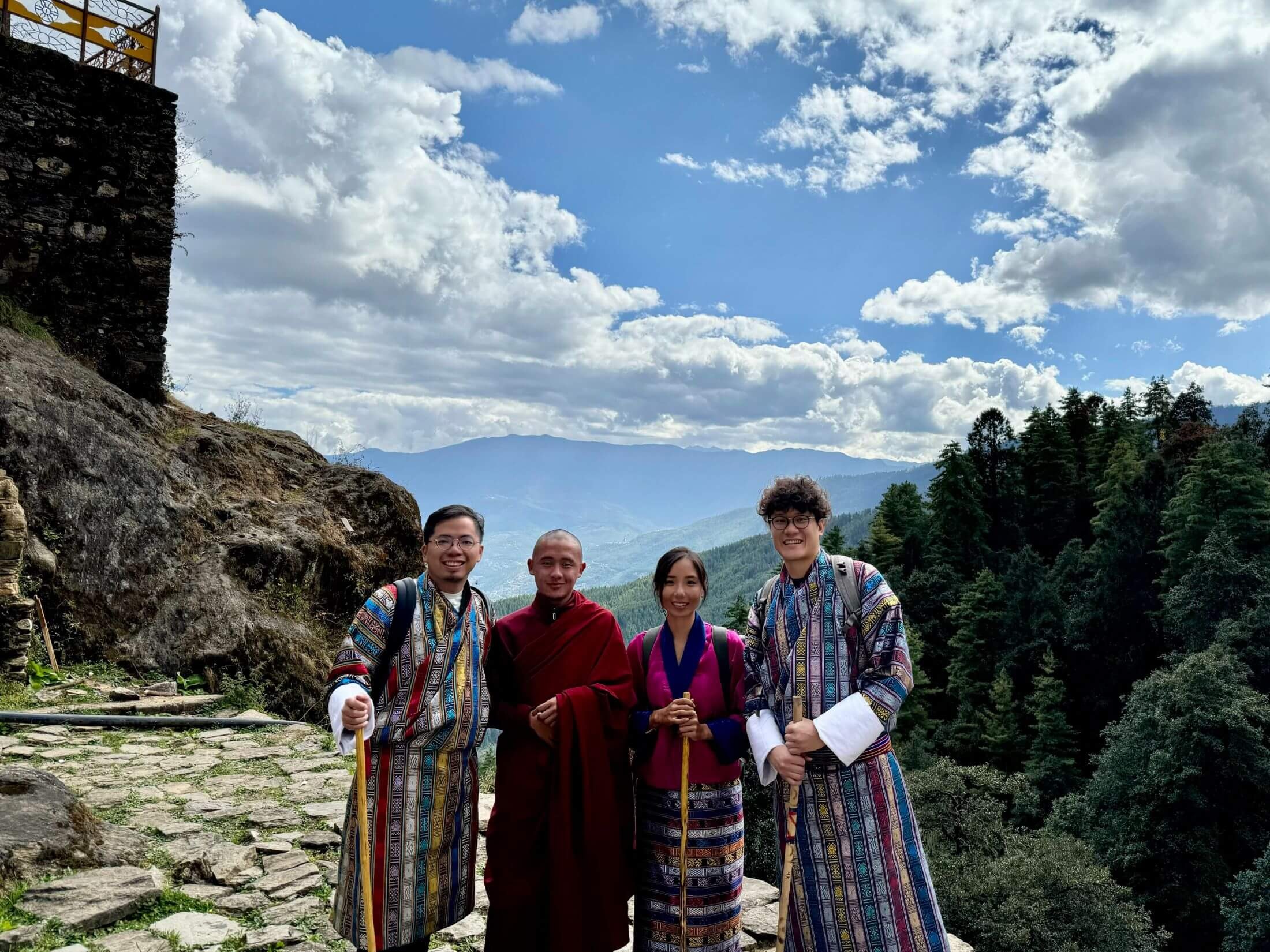
Bhutan Travel Season Guide: Best Months, Climate Analysis and Festival Timetable
DeWonder Travel is a Bhutan in-depth tour specialist, having arranged trips for thousands of travellers to Bhutan over the past 10 years, and is an official partner of the Tourism Council of Bhutan. This article will share more about the best seasons for Bhutan travel, the characteristics of each season, and the schedule of traditional festivals, helping you find the most suitable travel season for your own trip to Bhutan.
When exactly is the best time to visit Bhutan? This is the first question almost every traveller planning a trip to Bhutan asks. Some long for the sea of flowers in spring, some want to clearly see the magnificent snow-capped mountains in autumn, and others prefer to avoid the crowds and enjoy a quiet trip.
Based on years of tour-leading experience, the DeWonder team has put together this "Bhutan Travel Season Guide", covering everything from weather and festivals to outfit suggestions, to help you find the departure date that suits you best.
- Overall best seasons (most stable climate): Spring (March–May) and Autumn (September–November).
- Top choice for photography enthusiasts (high visibility): October–November (bluest skies, clearest snow-capped mountains), March–April (jacaranda and rhododendrons in full bloom).
- Alpine trekking: Late September–mid-November, when the ground is dry and the views are expansive.
- Escaping the crowds and budget-conscious travellers (fewer tourists): June–August (Summer), December–February (Winter) — though the weather is more extreme, you can enjoy a quieter Bhutan.
Bhutan has its own beauty in every season of the year. The key to choosing a month is not "how good the weather is", but rather "what you want to experience".
Travel Purpose | Recommended Month | Reason for Recommendation |
Classic Sightseeing (First-Time Visitors) | March–May, September–November | The climate is most comfortable, flights are stable, and your itinerary is least likely to be affected by weather. |
Festival Experience (Tshechu Festival) | March, April, September, October | The grandest Tshechu festivals in both Paro and Thimphu take place during this period. |
Photography Enthusiasts | April, October | April offers purple jacaranda blooms and festivals; October brings golden rice fields under brilliant blue skies. |
Nature & Wildlife (Bird Watching) | November–February | Black-Necked Cranes arrive at Phobjikha Valley, making this the best time to spot them. |
Avoiding Crowds (Niche Travel) | January, June | Enjoy a near-"private" experience at Tiger's Nest Monastery — ideal for travellers who cherish quiet, meaningful moments. |
Bhutan has its own charm in every season, but if you ask us, "When is the best time to visit Bhutan for the first time?" the answer is definitely spring (March–May) and autumn (September–November). If you've already visited Bhutan before, experiencing the lush greenery of the monsoon season in summer (July–August), or the snowy landscapes and tranquil atmosphere of winter (December–February), is also well worth trying.
Spring is Bhutan's most colourful season. As temperatures warm up (around 15°C–25°C), rhododendrons, jacarandas and magnolias bloom in a riot of colour, filling the valleys with vitality.
- Highlights: Pleasant weather perfect for outdoor activities. The famous "Paro Tshechu" festival is usually held in spring.
- Note: This is peak tourist season, so flights and popular hotels fill up quickly — it's recommended to plan at least 3 months in advance.
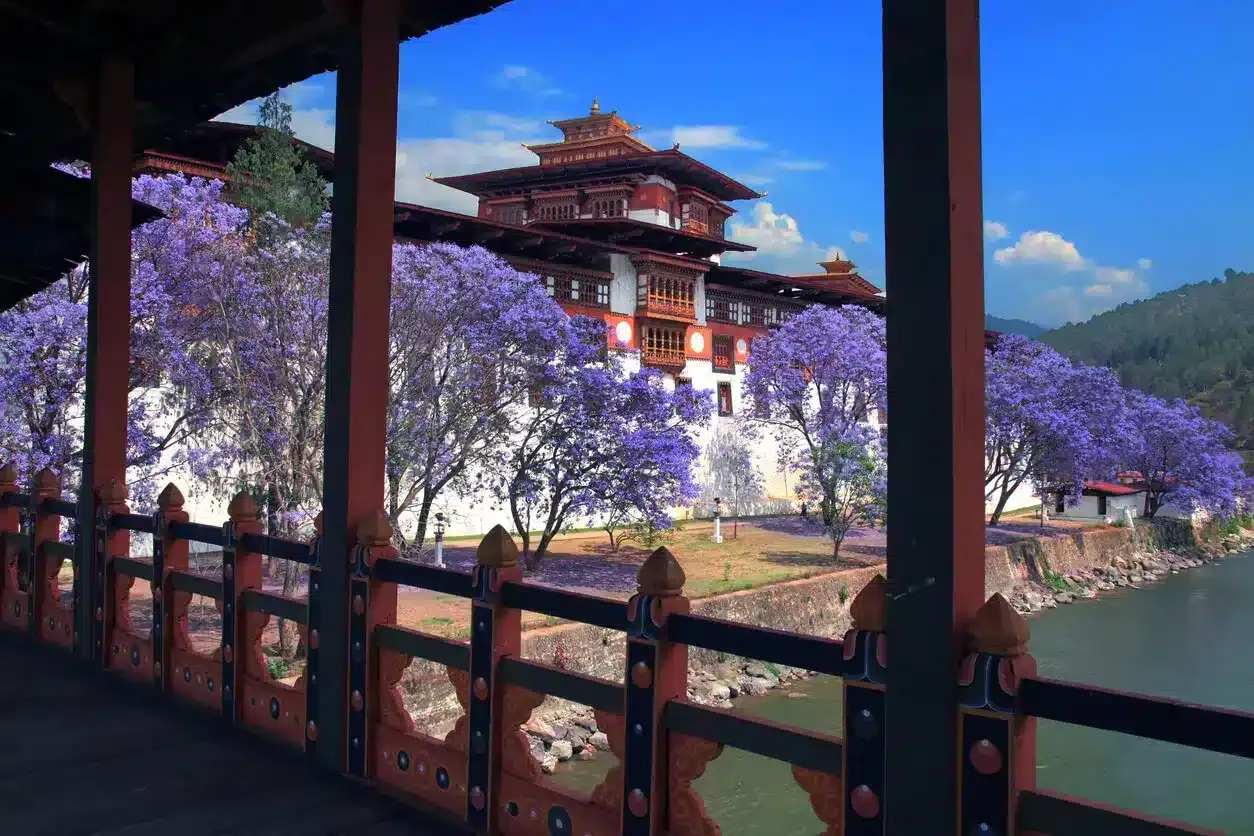
When spring blossoms bloom, it's the perfect time to visit Bhutan's most beautiful dzong — Punakha Dzong
Many people are put off by the word "rainy season", but Bhutan's summer is actually quite charming. This is when the terraced fields display their lushest, most vibrant green, and the higher oxygen levels make it relatively friendly for travellers worried about altitude sickness.
- Myth-busting: Bhutan's rainy season mostly brings "afternoon thunderstorms" or night rain, with very rare full-day downpours. The mist swirling after rain actually gives the dzongs an even more ethereal quality.
- Local specialty: This is also the matsutake mushroom season, offering a chance to sample fresh, top-quality matsutake.
Once the rainy season ends, the sky is washed clean and clear — this is the legendary "Bhutan Blue". The air is crisp and visibility excellent, making it the perfect time for gazing at the Himalayas and going on mountain treks.
- Highlights: Both the Thimphu Tshechu festival and the Black-necked Crane Festival take place in autumn.
- Note: The temperature difference between day and night starts to widen, so warm clothing is needed.
👉 Further Reading: Explore Bhutan's Black-Necked Crane Festival and Nature Worship
Although temperatures may drop below 0°C in the early morning and evening, Bhutan's winter is "dry and cold" — during the day, under the strong plateau sunshine, it actually feels quite warm and comfortable.
- Highlights: With few tourists around, you can enjoy the tranquility of Tiger's Nest Monastery all to yourself. This is also the best season for capturing panoramic views of the snow mountains, with skies that are almost completely cloud-free.
- Transportation: Bhutan's main roads are usually not closed due to snow, so tour itineraries are largely unaffected.
If your goal is to take part in Bhutan's unique religious celebrations, be sure to align your trip with festival dates (which vary slightly each year according to the Tibetan lunar calendar):
- March / April: Paro Tshechu — The biggest spring event, featuring the display of a giant thangka.
- September / October: Thimphu Tshechu — Held in the capital, the most popular festival of all.
- November: Black-Necked Crane Festival — Exclusive to Phobjikha Valley, rich in ecological education.
- December: Punakha Tshechu — Held in the warm ancient capital, ideal for travelers who dislike the cold.
👉 Further Reading: In-Depth Guide to Bhutan's Annual Festivals - Tshechu Festival, Black-Necked Crane Festival
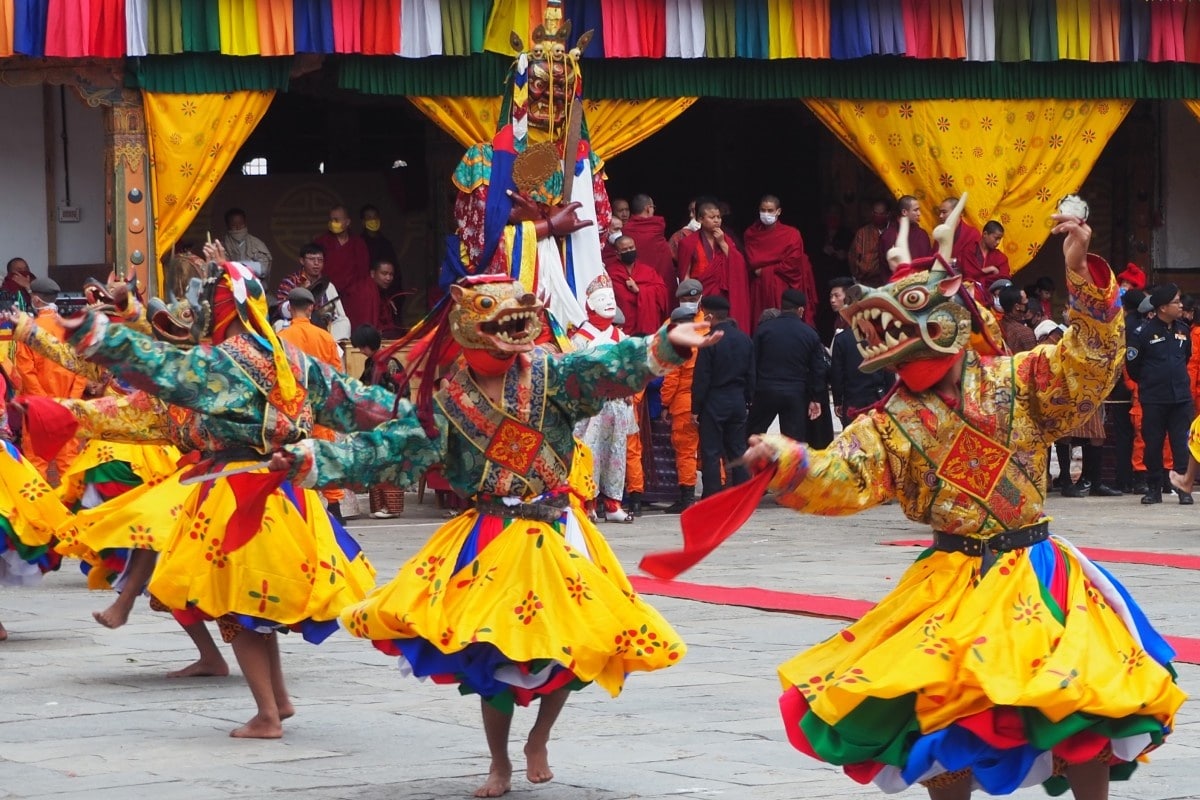
DeWonder has led tours to Paro and Thimphu on multiple occasions to attend the Tshechu Festival. Locals from all directions dress in their finest attire to watch monks perform religious stories through masked dances - a vibrant spectacle that also serves as an annual social occasion.
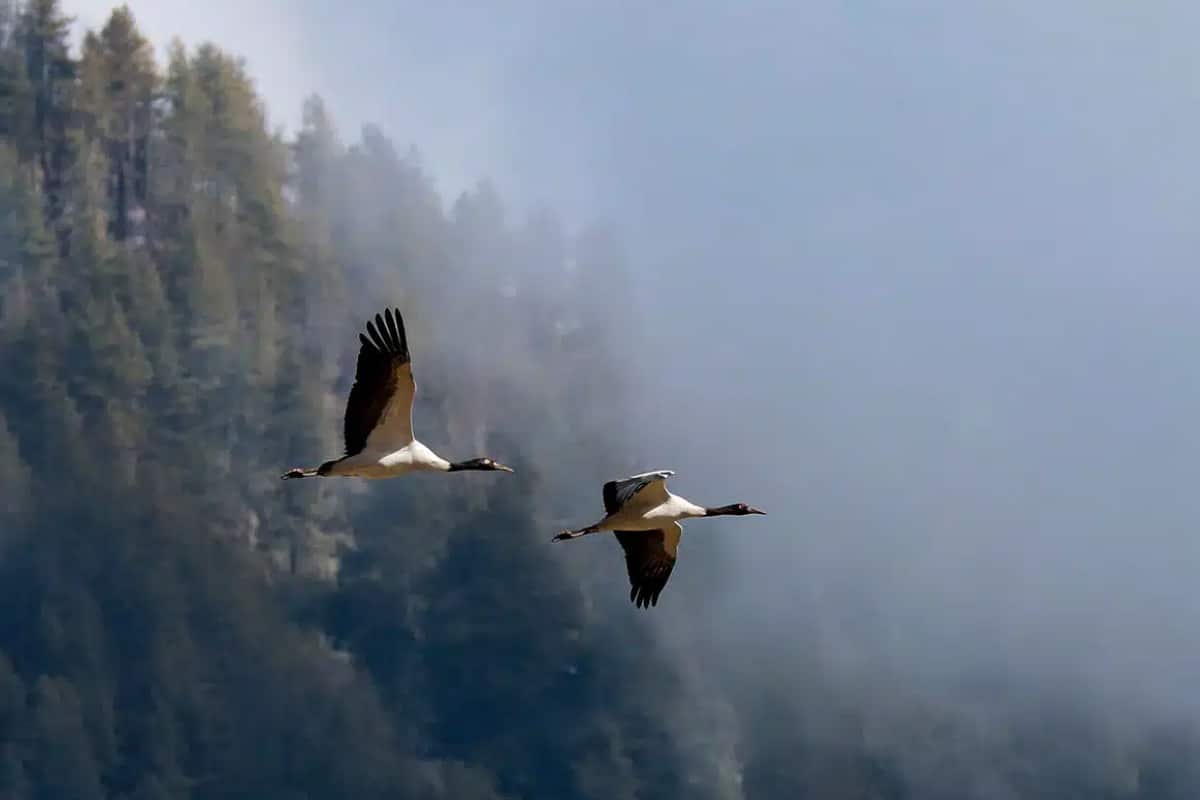
Black-necked cranes spread their wings and soar across Bhutan's Gangtey Valley. They migrate here from Tibet every November and are regarded as a symbol of good fortune and sacredness

Bhutan's Phobjikha Valley has preserved its pristine natural environment thanks to strict development restrictions, making it an important wintering habitat for black-necked cranes each year.
The biggest characteristic of Bhutan's climate is the significant "temperature difference between day and night." Regardless of the season, we recommend the "layering method".
- Spring/Autumn: Wear a thin long-sleeve T-shirt underneath, paired with a windbreaker or light down jacket on top.
- Summer: Focus on breathable, quick-dry materials, and carry rain gear or a waterproof jacket with you.
- Winter: A thick down jacket, wool hat, gloves, and scarf are essential, especially for watching the sunrise in the morning.
⚠️ Important Reminder: Temple Dress Code When entering dzongs and temples, you must wear a collared top and long trousers or a long skirt, with arms and legs covered. This is a sign of respect for local culture.
👉 Further Reading:Bhutan Travel Outfit Guide: From Temple Taboos to Seasonal Styling (Coming Soon)
Worried about forgetting something before departure? 👉Further Reading: Complete Bhutan Packing List: Essential Clothing, Documents, and Travel Reminders

Bhutan's weather features a large temperature difference between day and night, and adopting a layering approach makes it easy to adapt to the local climate.
Season | Month | Average Temperature (approx.) | Weather Characteristics | Core Highlights | Recommended Attire |
Spring | March - May | 10°C - 22°C | Warm and comfortable, blooming flowers | 🌸 Best for Flower Viewing Rhododendron blooms, jacaranda flowers, Paro Tsechu Festival | Layered Dressing Thin long sleeves + windbreaker |
Summer | June - August | 15°C - 28°C | Humid, afternoon showers, high oxygen levels | 🌿 Green Bhutan Lush green terraces, waterfalls, matsutake mushroom picking experience | Breathable Quick-Dry Short sleeves + rain gear/waterproof jacket |
Autumn | September - November | 10°C - 23°C | Dry, clear blue skies, high visibility | 🏔️ Photography & Hiking Thimphu Tshechu Festival, Black-necked Crane Festival, views of snow-capped mountains | Warm and windproof Long sleeves + light down/fleece jacket |
Winter | December - February | -2°C - 15°C | Cold mornings and evenings, plenty of sunshine during the day | 🦅 Retreat & Meditation Enjoy Tiger's Nest Monastery in solitude, watch black-necked cranes, snowy landscapes | Cold protection Thick down jacket, wool hat, gloves |
Q: Is there a difference in travel costs between Bhutan's low season and peak season?
A: The SDF (Sustainable Development Fee) set by the Bhutanese government is a flat USD 100 per night, year-round. However, during the low seasons of June–August or December–February, some hotels may offer discounted rates or make room upgrades easier to come by.
👉 Further Reading: A Detailed Guide to Bhutan's SDF System
Q: Does it rain constantly in Bhutan during summer?
A: Not really. Bhutan's rainy season usually comes in the form of "showers" — brief bursts that stop quickly, often falling at night while you sleep. As long as you're prepared with rain gear, your itinerary is generally not much affected.
Q: Which months offer the best chance to see the Himalayas in Bhutan?
A: October through February. This is when humidity is lowest and visibility is at its best — the perfect time to gaze at the snow-capped peaks in the distance.
Bhutan's four seasons each have their own distinct character: flowers in spring, lush greenery in summer, festivals in autumn, and snow-capped mountains in winter.
If you're still unsure which month to travel, or want to check whether your preferred dates coincide with a festival, feel free to reach out to the DeWonder team anytime. We'll tailor the perfect seasonal itinerary based on your interests.
DeWonder Bhutan In-Depth Tour Highlights:
- 10 Years of On-the-Ground Experience in Bhutan: From guides to farmstays, we've worked with local partners for years to make every experience authentic.
- Hong Kong Direct Flight Partnership: Charter flights direct to Paro, Bhutan, arranged in select months for a smoother, more time-efficient journey.
- Small-Group Departures, Flexible Private Tours: Averaging 8–14 people, we can also arrange a private tour to suit your own pace.
- Cultural Experiences That Go Beyond the Surface: Farmhouse dinners, mandala (sand painting) experiences, festival viewings… these are the elements that give the journey real warmth.
- A Track Record of International Collaboration: We once helped Ed Sheeran hold a dedicated concert in Bhutan — the country's first ever international superstar event.
If you can't quite picture what it's like to actually join a DeWonder in-depth tour, why not take a look atfeedback from DeWonder travellers, and get a clearer picture of what a Bhutan trip could be like! If you'd also like to step into Bhutan in a more comfortable, more authentic way, feel free to check out our latest tour dates or chat with us about your travel plans. 👉Check out theBhutan Year-Round Departure Schedule 👉Sign up for free for our Bhutan online seminar,to get more answers to your Bhutan travel questions: Click here to sign up 👉 For more on Bhutan travel, we recommend reading thisComplete Guide to Bhutan Travel