
Caucasus Climate Guide: Temperature & Clothing Tips for Azerbaijan, Georgia & Armenia
The Caucasus has its own charm in every season! Curious about the climate differences between Azerbaijan, Georgia and Armenia? From dry, sunny summers to snowy, romantic winters, we've compiled key temperature insights and outfit suggestions to help you prepare before you set off.
Located at the crossroads of Europe and Asia, the Caucasus region spans Azerbaijan, Georgia and Armenia — from the Caspian Sea to snow-capped mountains, from deserts to vineyards, with ever-changing climates. Whether you're planning your trip or packing your bags, understanding the local weather and temperatures is key. This guide will help you quickly grasp the climate distribution and clothing essentials for all three countries, so you can enjoy the beauty of the Caucasus comfortably in any season.
The Caucasus region lies between the Black Sea and the Caspian Sea. Due to differences in altitude and terrain, the climate can shift from hot and dry to cold alpine conditions within a short distance. The table below summarizes the main terrain and climate features of the three countries, helping you quickly understand the weather patterns:
Country | Location & Terrain | Climate Type | Average Annual Temperature (°C) | Summary of Features |
Azerbaijan | Located along the Caspian coast, with low-lying eastern plains | Dry continental climate | Approx. 15–17°C | Hot, dry summers and mild, low-snow winters |
Georgia | Along the eastern Black Sea coast, mountainous with varied terrain | Temperate humid to alpine climate | Approx. 12–15°C | Four distinct seasons — cool mountains, humid coastline |
Armenia | Located on a plateau with an inland terrain | Dry continental climate | Approx. 10–12°C | Large day-night temperature swings, abundant sunshine, cold winters |
👉 Further Reading:A Quick Guide to the Three Caucasus Countries
Located along the Caspian coast, Azerbaijan has a dry continental climate, making it the sunniest of the three Caucasus countries. The capital, Baku, enjoys milder temperatures due to its coastal location, while inland areas like Gobustan experience noticeably higher heat and dryness. If you're planning to visit in summer, parasols, sun-protective clothing and sunglasses are absolute must-haves.
Season | Average Temperature (°C) | Climate Features | Recommended Clothing |
Spring (Mar–May) | 10–20°C | Large day-night temperature swings, cool mornings and evenings | Thin long sleeves, light jacket |
Summer (Jun–Aug) | 25–35°C | Strong sunshine, dry air | Breathable short sleeves, sun hat, sunglasses |
Autumn (Sep–Nov) | 15–25°C | Cool and comfortable, little rain | Light long sleeves, thin jacket |
Winter (Dec–Feb) | 5–10°C | Winter is brief, with mild weather | A light insulated jacket and scarf will do |

An early summer morning in Baku's Old City, with dry, comfortable weather — an ideal time for exploring and photography.
Georgia's climate varies with its terrain: the west, near the Black Sea, is more humid, while the east (including the capital, Tbilisi) has a temperate continental climate with distinct four seasons. Summers here are full of sunshine, autumns blanket the mountains in gold, and winter dusts the peaks with snow — offering a different face no matter when you visit. If you're planning to head from the city to the mountains, such as Kazbegi, remember that temperatures up there are often 10°C lower than in the city.
Season | Average Temperature (°C) | Climate Features | Recommended Outfit |
Spring (Mar–May) | 10–20°C | Pleasant climate, first signs of greenery | Light long sleeves, thin jacket, comfortable shoes |
Summer (Jun–Aug) | 20–30°C (mountain areas around 10–20°C) | Sunny and dry, great for outdoor activities | Breathable tops, sunglasses, sun hat |
Autumn (Sep–Nov) | 15–25°C | Grape harvest season, stable climate | Layered clothing, thin jacket |
Winter (Dec–Feb) | -5–10°C | Snowfall in mountain areas, cooler city temperatures | Warm coat, gloves, scarf |
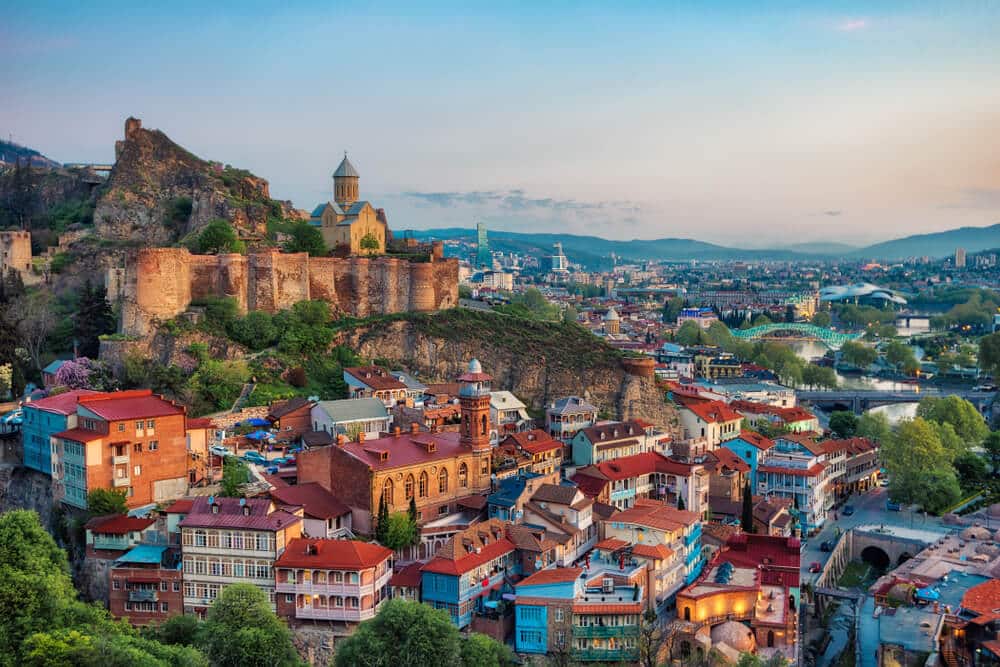
Tbilisi has a dry temperate climate, with clear and relatively rain-free spring and summer seasons and pleasant temperatures — the best time to wander the Old Town and hillside viewpoints.
Armenia sits on an inland plateau and has the driest climate among the three Caucasus countries. The capital, Yerevan, stands at an altitude of about 900 metres, enjoying abundant sunshine and clear blue skies year-round, though winter temperatures can drop below freezing. In spring and summer, days are warm and comfortable while nights turn cool — perfect for strolling or climbing the Cascade viewing terrace to look out over the city; in winter, you can admire the distant snow-capped views of Mount Ararat.
Season | Average Temperature (°C) | Climate Features | Recommended Attire |
Spring (Mar–May) | 10–20°C | Sunny weather, dry air | Thin long sleeves, light jacket, windbreaker |
Summer (Jun–Aug) | 25–35°C (feels hotter inland) | Hot days, comfortable nights | Breathable tops, sun hat, sunscreen |
Autumn (Sep–Nov) | 15–25°C | Clear and stable, large day-night temperature difference | Thin sweater, trousers, light jacket |
Winter (Dec–Feb) | 0–5°C (can reach -10°C in some areas) | Dry and cold with little snow, crisp fresh air | Warm coat, scarf, gloves, non-slip shoes |
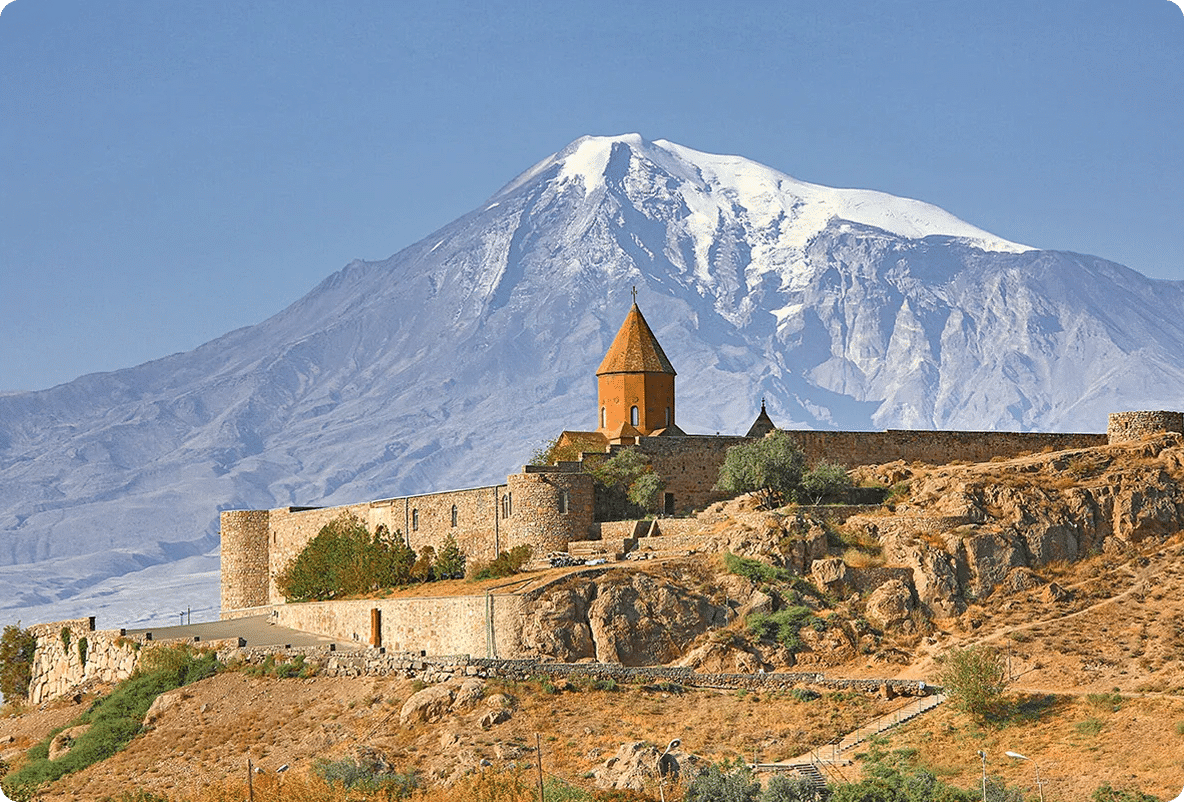
Armenia has a dry continental climate, with sunny, hot summers and cold winters. Mount Ararat remains snow-capped year-round, making it the country's most iconic natural landmark.
The Caucasus region sees dramatic climate shifts—plenty of sunshine by day and a noticeable chill at night. Whether you're hiking in summer or exploring ancient cities in winter, your outfit should balance "breathability, sun protection, and easy adjustability". Master a few key principles and you'll handle temperature changes with ease:
- Layering is most practical: From inside out, combine a "breathable layer → insulating layer → windproof layer", removing layers by day and adding them back at night.
- Extra warmth needed in winter: Mountain and plateau areas can drop below freezing in the early morning and evening—bring a medium-weight down jacket, thermal underwear, and a windbreaker.
- Mild temperatures in spring and autumn: A light jacket or thin down piece will do—avoid heavy fabrics that can cause overheating.
- Sun protection and moisturizing are both essential: UV rays are strong on the plateau, so remember to pack sunglasses, sunscreen, and lip balm.
- Comfort comes first for footwear: With plenty of cobblestone streets and slopes, non-slip sneakers or light hiking shoes are most practical.
- Accessories add extra points: A thin scarf offers windproofing, sun protection, and warmth all at once—a truly versatile item.
💡 Quick Tip:If your itinerary includes snowy mountains or high-altitude areas (such as Mount Kazbek), it's advisable to bring a compressible down jacket and gloves in case of sudden weather changes.
The Caucasus offers spectacular scenery all year round, but the varying climate affects the sights and activities you can experience. If you love sunshine and outdoor exploration, spring and summer are the best seasons; if you're drawn to snow-capped mountains and festive atmospheres, winter in the Caucasus is equally enchanting. Before you set off, we suggest confirming these three points:
- Altitude and regional differences at your destination: For example, Baku by the sea is mild, while Tbilisi and Yerevan have larger temperature swings between morning and evening.
- Travel focus: Want to photograph blue skies and green valleys, see snowy mountains, or join in festivals? The season will directly shape your experience.
- Clothing and gear: Pack layered clothing suited to the climate so you can handle sudden weather changes with ease.
Still not sure when to head to the three Caucasus countries? This article walks you through the travel highlights of each month, helping you pick the perfect time to depart 👉 Further reading:Best Time to Visit the Caucasus: Seasonal Scenery x Travel Experiences
DeWonder Travel's Caucasus In-Depth Tour lets you do more than just "see the scenery" — from magnificent monasteries and former Soviet relics to countryside wineries and family kitchens, witness the interweaving of history, culture, and human warmth, and step into the everyday life of this land at the crossroads of Europe and Asia. DeWonder Caucasus In-Depth Tour Highlights
- A Decade of Experience, Carefully Curated: Venture onto routes typical tour groups never reach, getting close to local history and culture on the ground.
- Exclusive Cultural Exchanges: Dine with nomadic herders, try your hand at making traditional dishes, or experience the duduk—truly feeling the warmth of local life.
- Immersing in Local Life: Visit tin-roof settlements and rural households to learn the real stories and beliefs of the residents.
- Bringing History to Life: From Soviet-era relics to medieval monasteries, trace the changing eras of the Caucasus.
- Comprehensive Cultural Experiences: From winemaking to music and art, every leg of the journey blends knowledge with emotion.
- Small Group Departures: An average of 8–14 travelers, striking the perfect balance between comfort and interaction.
This journey is more than a photo op—it's an exploration of culture, history, and self-discovery. Set off with DeWonder now on a journey through the three Caucasus countries. 👉 Check Year-Round Departure Dates for the Caucasus In-Depth Tour DeWonder Caucasus In-Depth Tour Information Pack 👉 Click Here to Download