
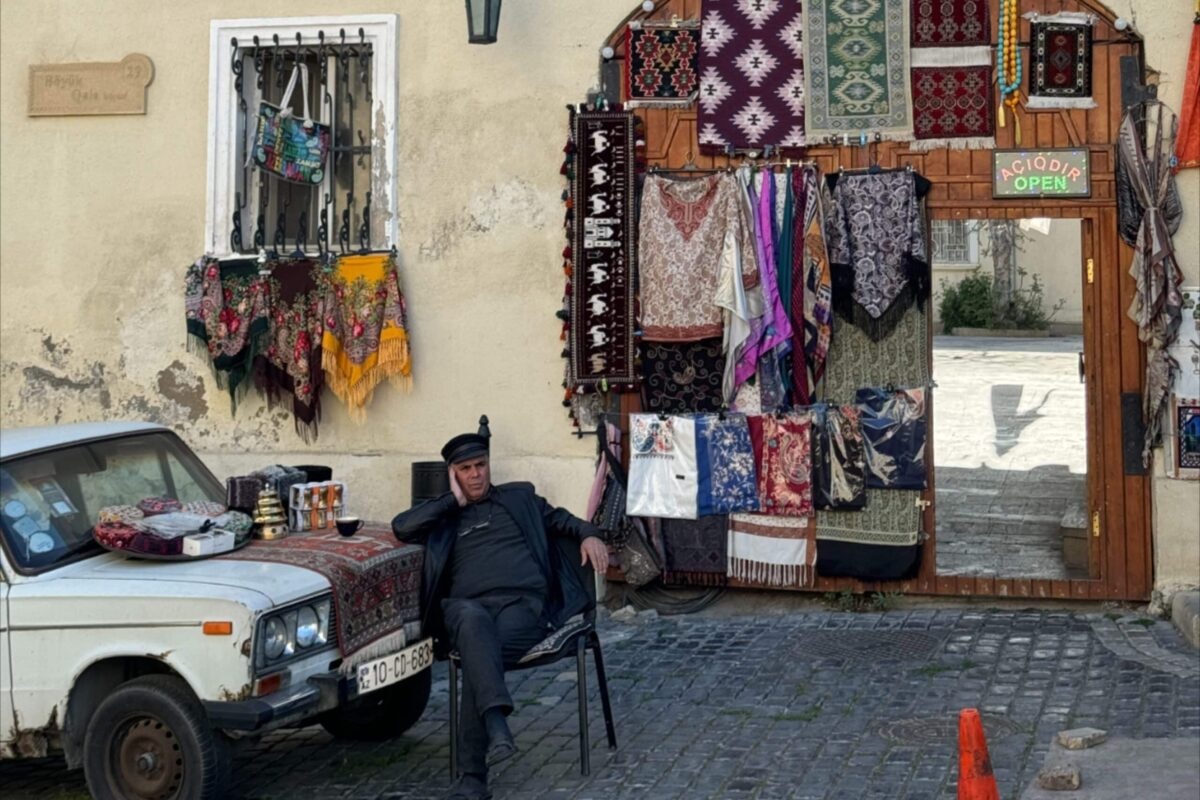
Caucasus Culture Overview: Understanding Language, Currency & Daily Life at a Glance
Want to truly understand the culture of the three Caucasus countries? From language and currency to everyday habits, here's a curated look at the cultural observations closest to daily life.
When it comes to the three Caucasus countries, many people's first reaction is "a bit unfamiliar." But once you actually step into this region, you're often captivated by an overwhelming sense of cultural presence. People here hold deep pride in their language, religion, family, and way of life — shaping a daily rhythm quite different from both Europe and Central Asia. This article won't dwell on geography or history, but instead focuses onpractical, everyday aspects: if you truly want to understand the culture of the three Caucasus countries, what should you know first?
Let's spend one minute grasping the core outline of Caucasus culture:
- Language:All three countries have their own distinct languages and scripts — language itself is a symbol of cultural identity
- Currency:Each country uses its own national currency, and cash remains vital in daily life
- Cultural Temperament:Seemingly serious on the surface, but genuinely warm, hospitable, and deeply value personal relationships
- Pace of Life:Unhurried, yet places great importance on "togetherness" and "relationships"
In the Caucasus, language is more than a tool for communication — it's a cultural boundary and marker of identity. Even though the three countries are geographically close, their language systems, scripts, and cultural symbols are strikingly different.
Country | Official Language | English Proficiency | Daily Communication Experience |
Georgia | Georgian | Decent in tourist areas | Easier to communicate with the younger generation |
Armenia | Armenian | Generally not high | Russian is still commonly used |
Azerbaijan | Azerbaijani | Fine in cities | Strongly influenced by Turkish |
If you don't speak the local language, what challenges might you face in daily life?
- In cities and tourist areas, basic communication is generally not an issue
- In small towns and markets, English isn't necessarily the default language
- Attitude, expressions, and body language often matter more than words
In the Caucasus, "your willingness to communicate" often matters more than "whether you can speak the language."

True connection often doesn't begin with language. In the Caucasus, many bonds aren't forged through fluent conversation, but through the willingness to sit down, stand together, and share the moment.
The three Caucasus countries vary in their level of financial modernization, but on a practical, everyday level, there's one very clear commonality:cash is still the source of everyday security.
Country | Currency | Credit Card Acceptance | Importance of Cash |
Georgia | Lari (GEL) | Moderate | Essential at markets and small shops |
Armenia | Dram (AMD) | Low | Almost mandatory |
Azerbaijan | Manat (AZN) | Moderate | Cash commonly used for small purchases |
- The shopping process is often accompanied by chatting and small talk
- Payment isn't necessarily quick, but the interaction feels genuine
- Locals value "relationships" more than efficiency
This is also why many travelers describe the Caucasus shopping experience as "less like a transaction, more like an exchange."

Everyday Consumer Culture in the Caucasus: Small shops and street stalls still abound, cash transactions are common, and the shopping process is often accompanied by exchange rather than a pursuit of speed.
If you had to sum up Caucasus culture in one word, "hospitality" is almost always the answer that comes up most. Warm Hospitality and the "Treating Culture"
- Inviting someone to eat is an important way of building relationships
- Sharing food is seen as a basic form of hospitality
- Refusing too much can sometimes come across as distant
In certain situations, accepting an invitation is, in itself, a form of respect. How Does Religion Enter Everyday Life?
- Religious architecture is not just a sightseeing spot, but a part of daily life
- Festivals, food, and daily routines are all influenced by religion to varying degrees
- Dress and behaviour reflect respect for public spaces
Cultural differences are most easily revealed in the small details of everyday life. Family, Time, and the Pace of Life
- Family bonds are close, and elders play an important role
- Shared meals are an important way of maintaining relationships
- Attitudes towards time are relatively flexible, with interpersonal interaction prioritised over efficiency
Here, we use a table to summarise the areas most easily misunderstood by foreign travellers.
Aspect | Common Misconception by Outsiders | Actual Cultural Reality |
Serious Expressions | Cold | Actually very warm |
Flexible Itinerary | Inefficient | Values interpersonal connection |
Religious Atmosphere | Very conservative | Everyday, but not extreme |
Understanding these differences can often make the whole experience much smoother.
Many people only realise after leaving the Caucasus that what left the deepest impression wasn't the sights, but rather:
- A meal with a local family
- A conversation about faith or history
- An everyday moment that wasn't on the itinerary
Culture often exists in the spaces "beyond what's arranged." If your understanding of the culture of the three Caucasus nations goes beyond mere "comprehension" and you wish to step into real life scenes yourself, then the depth of itinerary design becomes absolutely crucial. DeWonder's carefully craftedCaucasus In-Depth Tourwill be your best choice. Travel in small groups through Azerbaijan, Georgia and Armenia
- A Decade of Experience, In-Depth Planning: Explore routes rarely visited by typical tour groups, getting close to local history and culture on the ground.
- Exclusive Cultural Exchanges: Share meals with herders, prepare traditional dishes, or experience the Duduk instrument for an authentic taste of local life.
- Immersed in Local Life: Visit tin-roofed neighbourhoods and rural households to learn the real stories and beliefs of the people.
- Reliving Historical Stories: From Soviet-era relics to medieval monasteries, witness the shifting eras of the Caucasus.
- Comprehensive Cultural Experiences: From wine-making to music and art, every leg of the journey blends knowledge with feeling.
- Small Group Departures: An average of 8–14 travellers, maintaining the perfect balance of comfort and interaction.
This journey is more than just photo opportunities—it's an exploration of culture, history, and self-connection. Set off with DeWonder now to discover the three countries of the Caucasus. 👉 View Year-Round Departure Dates for the Caucasus In-Depth Tour DeWonder Caucasus In-Depth Tour Information Pack 👉 Click to Download 👉 Further Reading:A Quick Introduction to the Three Caucasus Countries 👉 Further Reading:Recommended Attractions in Georgia | Recommended Attractions in Armenia | Recommended Attractions in Azerbaijan 👉 Further Reading:Visa Requirements for the Three Caucasus Countries 👉 Further Reading:Cross-Border Transportation Guide for the Three Caucasus Countries