
Caucasus Three Countries Travel Transport Guide: Cross-Border Arrangements & Recommended Routes
Planning a trip to the Caucasus three countries? This article gives you a quick overview of the transport features of Georgia, Armenia, and Azerbaijan, cross-border travel methods, and entry recommendations, so even first-time travellers can easily plan their route across all three countries.
Although the Caucasus three countries (Georgia, Armenia, and Azerbaijan) are geographically close to one another, transport arrangements are somewhat more complex than typical travel destinations. When planning for the first time, most Hong Kong travellers run into the same questions: Which city should I fly into from Hong Kong? How do I move between the three countries? What's the smoothest itinerary order? Currently, there is no open land border between Armenia and Azerbaijan, and flight options are limited, so it's essential to understand the cross-border routes in advance. This article will use the simplest approach to walk you through recommended flight routes from Hong Kong (via DXB/DOH transit), cross-border methods between the three countries, and the most time-efficient route suggestions, so you can complete your Caucasus trip more smoothly and thoroughly.
There are currently no direct flights from Hong Kong to the Caucasus. The most convenient and common way is to transit through the Middle East before connecting to the capitals of the three countries. Among these, Dubai (DXB) and Doha (DOH) offer the most flight options and the smoothest connections, making them the most popular choices for Hong Kong travellers.
These two Middle East hubs offer:
- More flight options departing from Hong Kong
- Flexible transit times with smoother connections to the Caucasus
- Through-checked baggage for a more hassle-free journey
From DXB/DOH, you can connect to:
- Baku (Azerbaijan)
- Yerevan (Armenia)
① Most Recommended: Baku as Your Starting Point
- DXB/DOH → Baku has more flight options with ideal arrival times
- Travelling north to south through the three countries makes for a smoother route
- After arrival, head west to Georgia, then south to Armenia
② Recommended as Your Return Point: Yerevan
- Ideal as the final stop of your journey
- Return flight can go directly Yerevan → DXB/DOH → Hong Kong
- This route naturally continues south from Georgia into Armenia, ending the trip in the most time-efficient way
③ Entering via Tbilisi as your first stop is not recommended
- Most flights require an extra transfer via Europe
- Longer travel time
- Better suited as a “transport hub” between the three countries, not a starting point
When it comes to cross-border travel in the Caucasus, the first thing to know is: transport between the three countries is not fully interconnected. The most important point—and the one most travellers overlook—is: ⚠️ There is no open land border between Armenia and Azerbaijan. This means you cannot travel directly by land from Baku to Yerevan, or vice versa. Because of this, the most common and smoothest way for Caucasus travellers to move between countries is: using Georgia as the transit hub, travelling from north to south through the three countries. For easy reference, we’ve combined cross-border transport methods and common routes below for a quick comparison.
Available transport options:
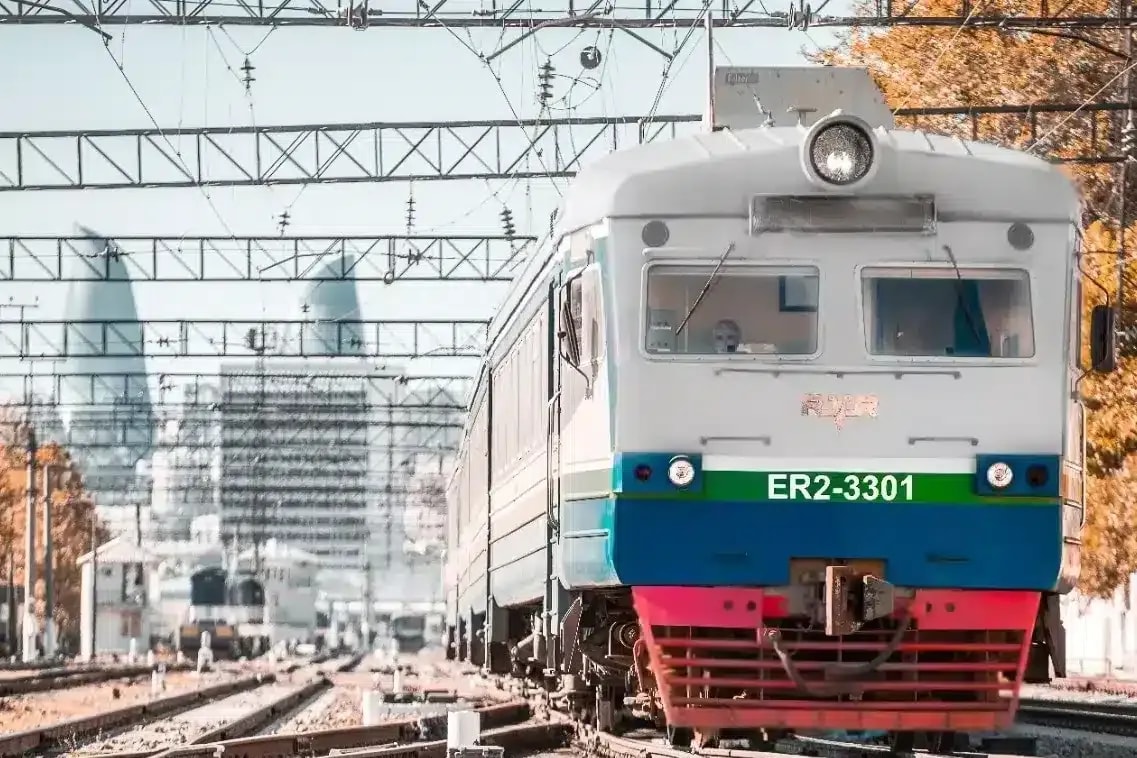
- Overnight sleeper train: the most popular option, saving you a night’s accommodation
- Bus/Van: reliable schedules, reasonable prices
- Private car: the most flexible timing, with the option to stop at small sights along the way
Best suited for travellers who:
- Start their Caucasus trip in Baku
- Want to avoid long bus rides → the overnight sleeper train is a great choice
Available transport options:
- Bus: 5–6 hours, the most common option
- Private car: allows stops at Lake Sevan and Dilijan, efficient but more costly
Best suited for travellers who:
- Enjoy sightseeing along the way
- Have limited time and want fewer transfers
Key points:
- There is no open land route between Armenia and Azerbaijan
- All travel must first return to Tbilisi before continuing
- This is why “enter via Baku, exit via Yerevan” is the smoothest route for all three countries
Method | Travel Time | Pros | Cons | Best For |
Bus | 5–10 hours (depending on route) | Cheap, stable schedules | Long journey, average comfort | Budget travellers with flexible itineraries |
Private Car | Depends on itinerary (can stop at attractions) | Most time-efficient, flexible, allows sightseeing en route | Higher cost | Those wanting efficiency without transfers |
Overnight Sleeper Train | About 8–10 hours (Tbilisi ⇄ Baku) | Saves on accommodation, relaxing | Limited departures, no stops en route | Train lovers, those tired of rushing |
Flight | About 1 hour + airport time | Fastest, least tiring | Higher price, fewer time slots | Travellers with limited time |

Baku–Tbilisi Overnight Sleeper Train | A comfortable, time-saving cross-border way to travel that also saves you a night's accommodation. Although the route is safe and well-established, departures are limited, so it's advisable to confirm the schedule and seat availability before you go. Photo Credit : eurasianet
Cross-border transport in the Caucasus isn't overly complicated, but when actually planning an itinerary, many travellers find the information scattered and the transport options requiring careful comparison. The real cost isn't danger—it's the time and effort spent researching. Here are the most common challenges:
Whether it's Baku → Tbilisi or Tbilisi → Yerevan, these are long-distance journeys of 5–10 hours.If the itinerary sequence is poorly arranged, you can easily end up spending an entire day just travelling.
Cross-border buses, night trains, private car charters — each booking platform operates independently, and information isn't updated at the same pace. Some services even require on-the-ground inquiries, making planning more difficult for travellers.
There is no open land border between the two countries, so travellers cannot travel directly between Yerevan and Baku. All cross-border movement must go through Tbilisi as a transit point — if the route order is wrong, extra travel days may be needed.
Transport within major cities is relatively well-developed (metro, buses, Bolt ride-hailing), but rural areas, mountain regions, and wine country often have no public transport available, usually requiring a private car or driver to keep to the itinerary schedule.
Transport planning in the Caucasus isn't as simple as connecting point to point like in some regions — you often need to consider simultaneously:
- Arrival and return flights
- Cross-border transport methods
- Driving duration
- The order of attractions and cities
If any one of these doesn't align, the whole itinerary may need to be reworked.
The appeal of the Caucasus lies in the culture of three countries, its natural landscapes, and its historical depth — but transport planning genuinely takes time to handle, from cross-border schedules and driving allocation to rural transfers and route sequencing. If you want a more hassle-free overall trip and a more complete journey, a small-group itinerary designed by a professional team is an excellent choice. Here's the value that DeWonder's Caucasus In-Depth Tour can bring (and exactly the parts that are hard to arrange on your own for independent travel):
Designed from years of hands-on experience, the itinerary doesn't just link cities together — it connects closely with history, culture, and community context, including ancient monasteries, rural areas, natural landscapes, and landmarks, so you don't have to research the transport connections yourself.
Unlike the typical "quick glance" style of touring, you can:
- Share a meal with nomadic herders
- Experience local family culture
- Try making traditional Armenian food or experience the Duduk instrument
Bringing everyday life in the Caucasus up close, instead of just observing from afar.
Through conversations and exchanges, you'll get a real sense of how residents live amid the intersection of history and modernity — this is the part travellers most often say "exceeded expectations".
Our team will take you from medieval monasteries to Soviet-era remnants, then link religious stories to key turning points in Caucasus history — weaving culture and sights into a journey you can truly understand, not just photograph and check off.
The Caucasus is one of the birthplaces of wine, and home to rich, diverse ethnic cultures. The itinerary includes wine tastings in wine country, traditional art appreciation, and local music experiences, making the trip both enriching and evocative.
Each group averages 8–14 people, preserving a sense of interaction while maintaining flexibility and comfort — ideal for exploring mountain and rural areas.
Long-distance transport, cross-border routes, rural car charters, and time allocation are all already built into the itinerary. You don't need to compare schedules yourself, or worry about which stretches lack public transport. Even key cross-country transfers (such as Baku → Tbilisi) are handled by our team, so you can simply set off with peace of mind.



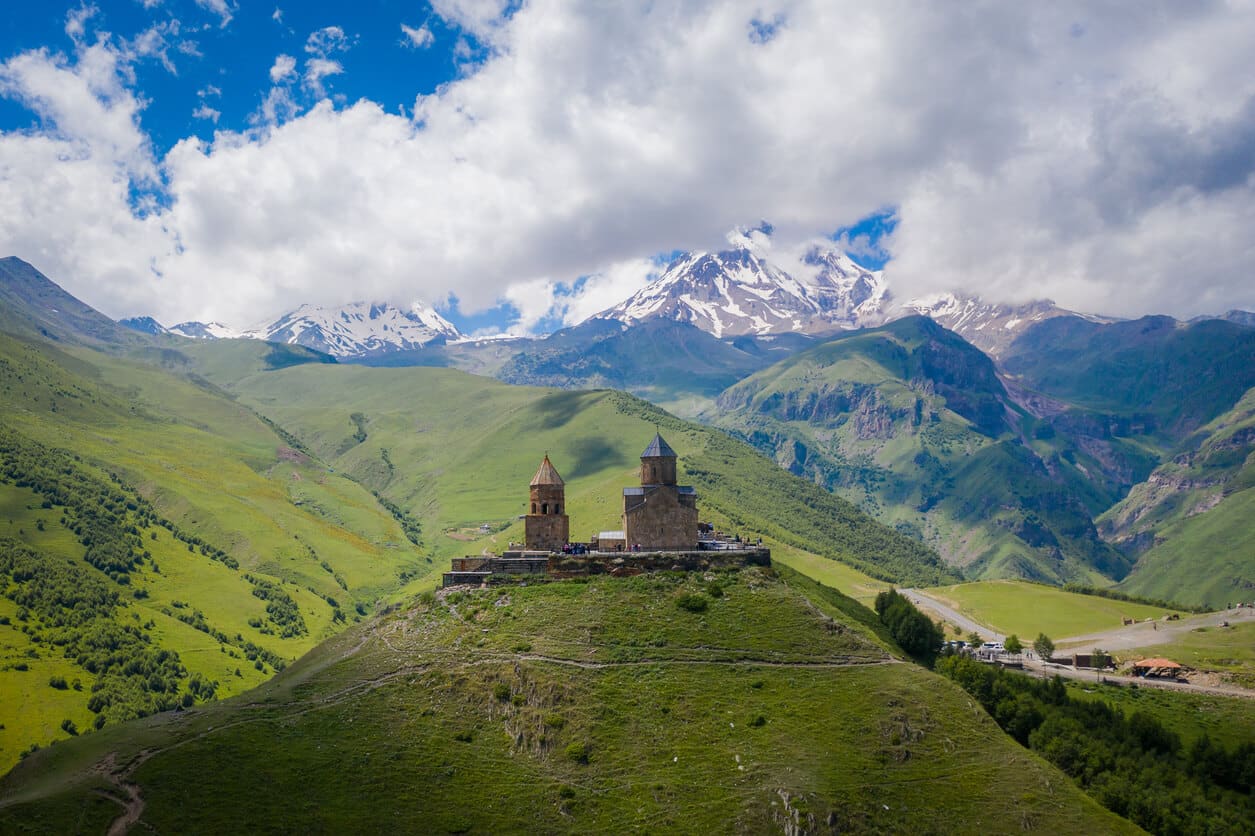
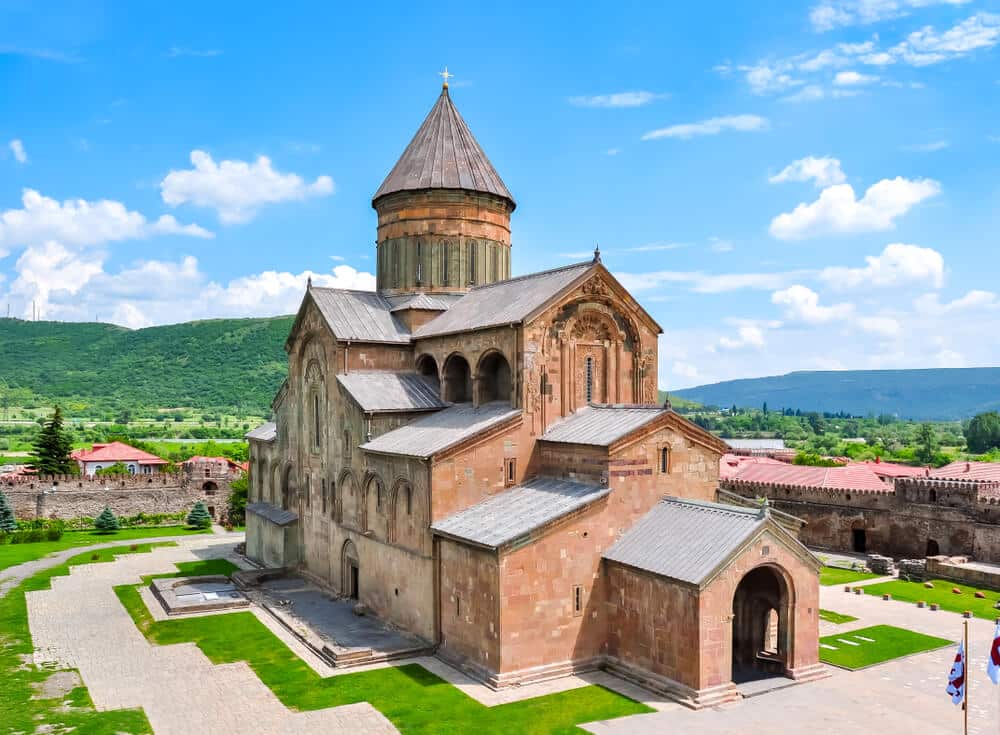


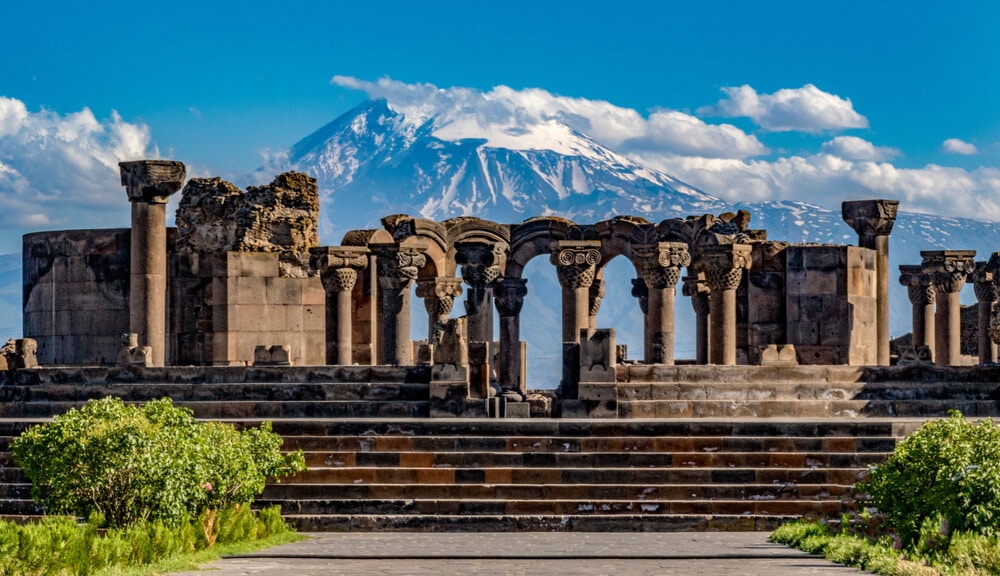
This journey is more than just visiting three countries—it's a deep exploration connecting culture, history, and everyday life. If you want to experience the essence of the three Caucasus countries in the most hassle-free way, DeWonder's Caucasus In-Depth Tour is well worth considering. 👉 View Year-Round Departure Dates for the Caucasus In-Depth Tour DeWonder Caucasus In-Depth Tour Information Pack 👉 Click to Download 👉 Further Reading:A Quick Guide to the Three Caucasus Countries 👉 Further Reading:Top Attractions in Georgia | Top Attractions in Armenia | 👉 Further Reading:Visa Requirements for the Three Caucasus Countries 👉 Further Reading:Caucasus Travel Safety Analysis