
Is Antarctica Really That Dry? A Complete Guide to Moisturising and Preventing Frostbite in Polar Climates
How does Antarctica's dry climate affect the skin? This article fully explains why Antarctica is classified as a polar desert climate, how low humidity impacts the skin, and essential moisturising and protection tips for travelling to Antarctica.
Antarctica is one of the driest continents on Earth. Antarctica has a polar desert climate, with extremely low precipitation year-round and consistently low air humidity. Because temperatures are so low, the air can barely retain any moisture, so despite being covered in ice and snow, it is actually very dry. This environment of low temperatures, low humidity and strong winds easily leads to moisture loss and cracking of the skin, and can even increase the risk of frostbite.
There are three main reasons for Antarctica's dryness:
- Extremely low temperatures: cold air can hold very little moisture
- Low year-round precipitation: it has a polar desert climate
- Strong-wind environment: accelerates the evaporation of moisture from the skin
As a result, although Antarctica is covered in ice and snow, the moisture content in the air is extremely low.
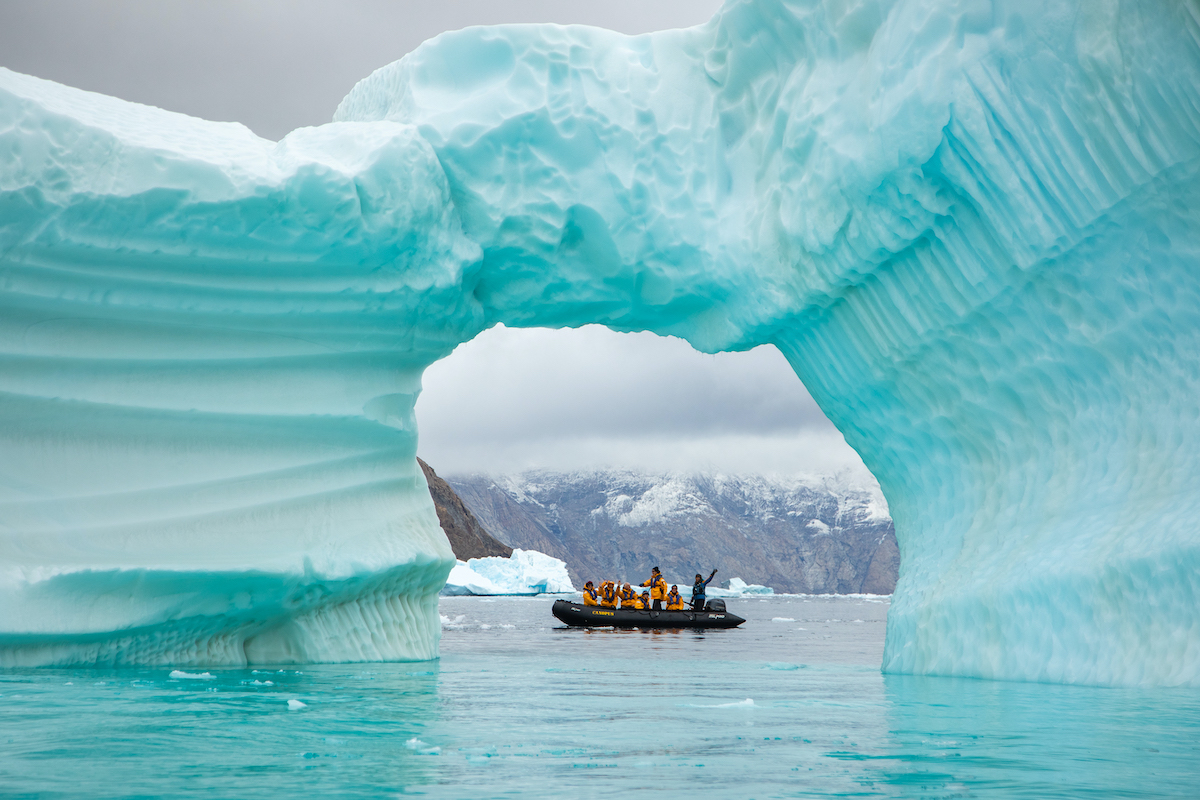
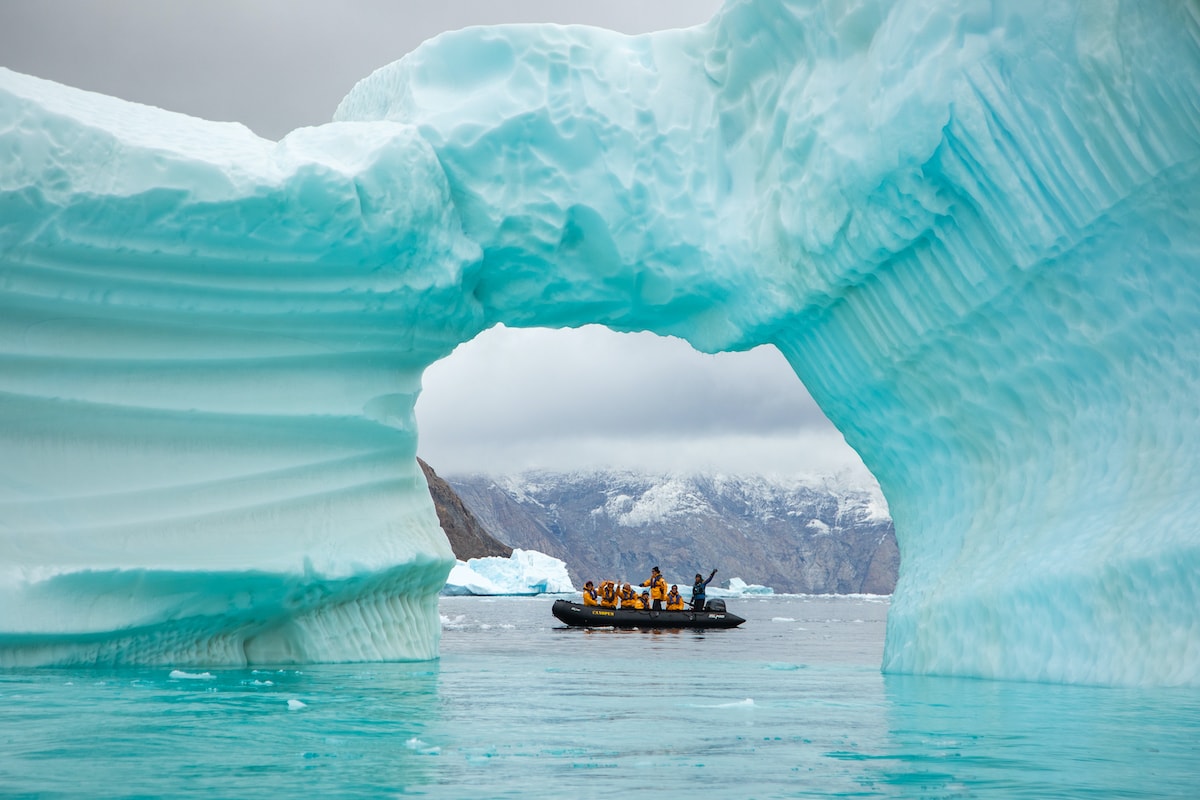
Massive icebergs in Antarctic waters. Despite being covered in ice and snow, Antarctica has a polar desert climate with extremely low air humidity, making it one of the driest regions on Earth.
In an environment of extremely low humidity, common conditions include:
- Tight, itchy and irritated skin
- Cracked lips
- Split cuticles
- Flaking and redness on the cheeks
- Increased risk of frostbite once the skin barrier is damaged
When the skin's moisture content drops, its tolerance to the cold also decreases.

During outdoor activities in Antarctica (such as landings or paddling), prolonged exposure to low temperatures and low humidity easily accelerates moisture loss from the skin, increasing the risk of dryness and cracking.
In polar environments, the focus of skincare is not on a fresh, matte feel, but on building the skin barrier and reducing moisture loss.
Product Type | Recommended Focus | Main Function | When to Use |
Rich moisturising cream | Contains ceramides, squalane and lanolin | Repairs the skin barrier and reduces moisture loss | Morning and evening |
Occlusive products | Petroleum jelly types | Forms a physical protective barrier | Before outdoor activities |
Lip balm | SPF 30 or above | Prevents chapping and reflects UV rays | Reapply throughout the day |
Hand cream | High-oil formula | Prevents cracking around the nails | Repair before bed |
- Ceramides:repair the structure of the stratum corneum
- Squalane:mimics natural sebum to form a protective film
- Lanolin:powerful occlusive moisture-locking
The core goal is a single one: to maintain skin integrity and reduce the risk of frostbite.
High-oil products are not suitable for all skin types. If any of the following apply to you, we recommend consulting a dermatologist before departure:
- Atopic dermatitis
- Rosacea
- Severely acne-prone skin
- Allergies to specific ingredients
Having a professional physician recommend products based on your individual skin condition is safer than trying things on your own. Note: This article provides general travel skincare information and is not a medical diagnosis. If you have a chronic skin condition or use prescription medication, please be sure to consult a physician in advance.
Before heading out
- Wait for skincare products to fully absorb
- Ensure no moisture remains on your face
- Use a scarf or face mask to cover your nose and mouth
Daily principles
- Reduce over-cleansing
- Avoid high-alcohol products
- Using a moisturising mist outdoors is not recommended
If you notice:
- Skin turning white or purple
- Loss of sensation
- Unusual tingling
you should address it immediately.
Condition | Recommended action | What to avoid |
Localised cold and whitening | Move into a warm indoor space | Do not rub |
Severe cold | Rewarm slowly with 38–40°C warm water | Do not use hot water |
Cracking and stinging | Apply a repair cream | Do not continue to stay exposed outdoors |
On Antarctic cruises, there is usually a medical team on board that can provide immediate medical support.
When planning your packing list, alongside warm clothing, don't overlook moisturising and skin protection. ✔ Check your skin condition ✔ Consult a professional physician (if you have specific skin concerns) ✔ Test whether skincare products suit you in advance ✔ Build outdoor protection habits Incorporate these preparations into your pre-trip planning, and you'll find that Antarctica is no longer just an extreme environment, but a journey that can be properly prepared for. 👉 Further reading: Polar Outfit Guide, Antarctica Packing List, Antarctica Pre-Trip Essentials
If you're worried about how to prepare for your Antarctica trip, just leave it to DeWonder Travel.DeWonder's In-Depth Antarctica Tour explores the Antarctic Peninsula, South Georgia and the South Shetland Islands through small-group arrangements, offering an in-depth look at polar ecology and unique natural landscapes
- Itinerary: Classic single-island route on the Antarctic Peninsula
- Voyage duration: 11-day, 10-night cruise
- Included: Cruise ticket, landing activities, onboard meals, polar lectures, professional guided tours by the expedition team
- Exclusive services: Professional pre-trip consultation for departures from Hong Kong and Macau, visa consultation, flight connection advice and packing guidance

The DeWonder Travel professional team leads travellers ashore in Antarctica. With rich polar experience and thorough pre-trip preparation planning, we help travellers face the cold and dry environment with peace of mind. 👉 View theYear-Round Antarctica Departure Schedule 👉 Join a Free Online Seminar — and enjoy an exclusive tour fee discount! 👉 Further Reading: Antarctica Travel Guide | Antarctica Travel Costs