
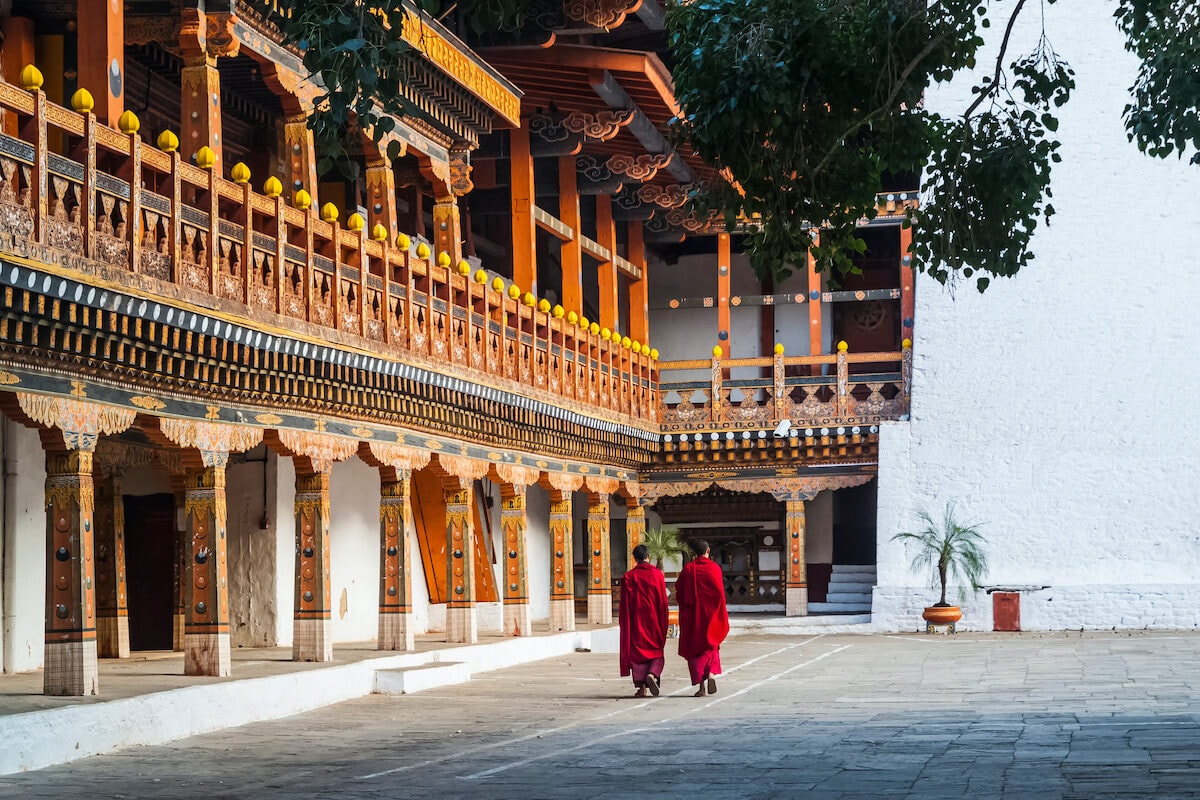
Is Bhutan Worth Visiting? DeWonder's Founder and Dickson Tung Break Down Who It's For and What the Real Experience Is Like
Is Bhutan worth visiting? Starting from travel costs and cultural differences, we analyse who this destination suits to help you decide whether it's worth the trip.
Whether Bhutan is worth visiting isn't really a simple "yes or no" question—it comes down to two things:
- Whether you're willing to invest this money and time into the trip
- And whether you identify with the kind of travel experience it offers
If what you long for is a shift in culture, pace of life and values, then Bhutan will be absolutely worth it; but if what you expect is comfort, convenience and entertainment, then this trip most likely won't meet your expectations. The following draws on the on-the-ground experience of Dickson Tung's Journey to the East—produced in collaboration between DeWonder Travel and the 100Most team—during his trip to Bhutan. It has been compiled from interviews between DeWonder's founders Rubio & Jamie and Dickson Tung, offering an objective analysis—from policy and culture to the actual travel experience—of what kind of traveller Bhutan is suited to. 👉 Further Reading: DeWonder Travel x 100Most Dickson Tung's Journey to the East Collaboration
When most people first consider Bhutan, their gut reaction is usually: "Why is it so expensive?"
In the interview, Dickson Tung noted:"The Bhutanese government requires visitors to pay a fee, and only a few tens of thousands of tourists visit each year. Compared with the millions who go to other parts of the Himalayas, Bhutan really has preserved a great sense of mystery." This isn't the natural result of market forces—it's a policy choice.Bhutan deliberately keeps tourism density low through its daily SDF fee and controls on visitor numbers. In other words, it never intended from the outset to be a destination that "anyone can easily visit." 👉 Further reading: The Meaning Behind Bhutan's SDF: Understanding the Sustainable Tourism System of the Kingdom of Happiness
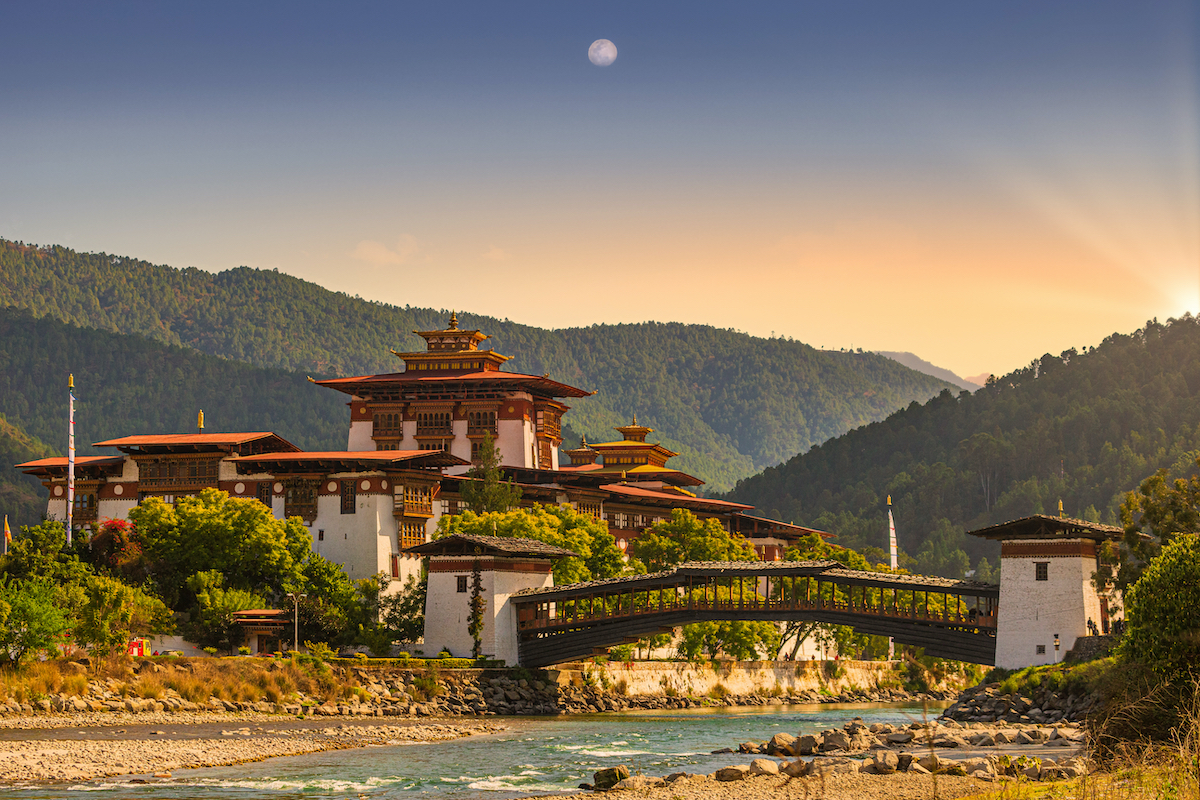
Bhutan's SDF policy limits visitor numbers, maintaining low tourism density and the integrity of its natural landscapes—one of the biggest differences between its travel experience and those of other popular destinations.
DeWonder founders Rubio & Jamie also share a very down-to-earth observation: "Everyone assumes visiting Bhutan is extremely expensive, thinking there are only six-star hotels like Aman that cost tens of thousands a night." But they quickly add: "In fact, Bhutan also has plenty of locally run three- and four-star boutique hotels—great quality at much more affordable prices—which make an excellent middle-ground choice." In other words, "expensive" is not the only option. Bhutan does have an entry threshold, but above that threshold there are still choices to suit different budget levels.
The reasons are actually quite simple:
- The SDF is a fixed cost
- The high-end brand image (such as Aman) is too strong
When these two factors are combined, it's easy to get the impression that "a trip to Bhutan must be very expensive." 👉 Further Reading : How much does a 6-8 day trip to Bhutan roughly cost?
Travelling to Bhutan does require a certain cost, but "very expensive" is not the whole truth.
If the first layer is "how much you spend," then the second layer is: what exactly do you get in return for the time and money you invest?
DeWonder founder Jamie notes:"Bhutan's development isn't measured by GDP, but by Gross National Happiness." This choice directly shapes the entire look of the country. It means:
- Not chasing tourist numbers
- No excessive commercial development
- Preserving culture and the rhythm of life
Rubio also mentioned: 「Many people know Bhutan as the place where Tony Leung and Carina Lau got married, because this country has an irreplaceable sense of 'dignity'.」 This feeling isn't created through deliberately designed attractions, but is the cumulative result of the environment as a whole.
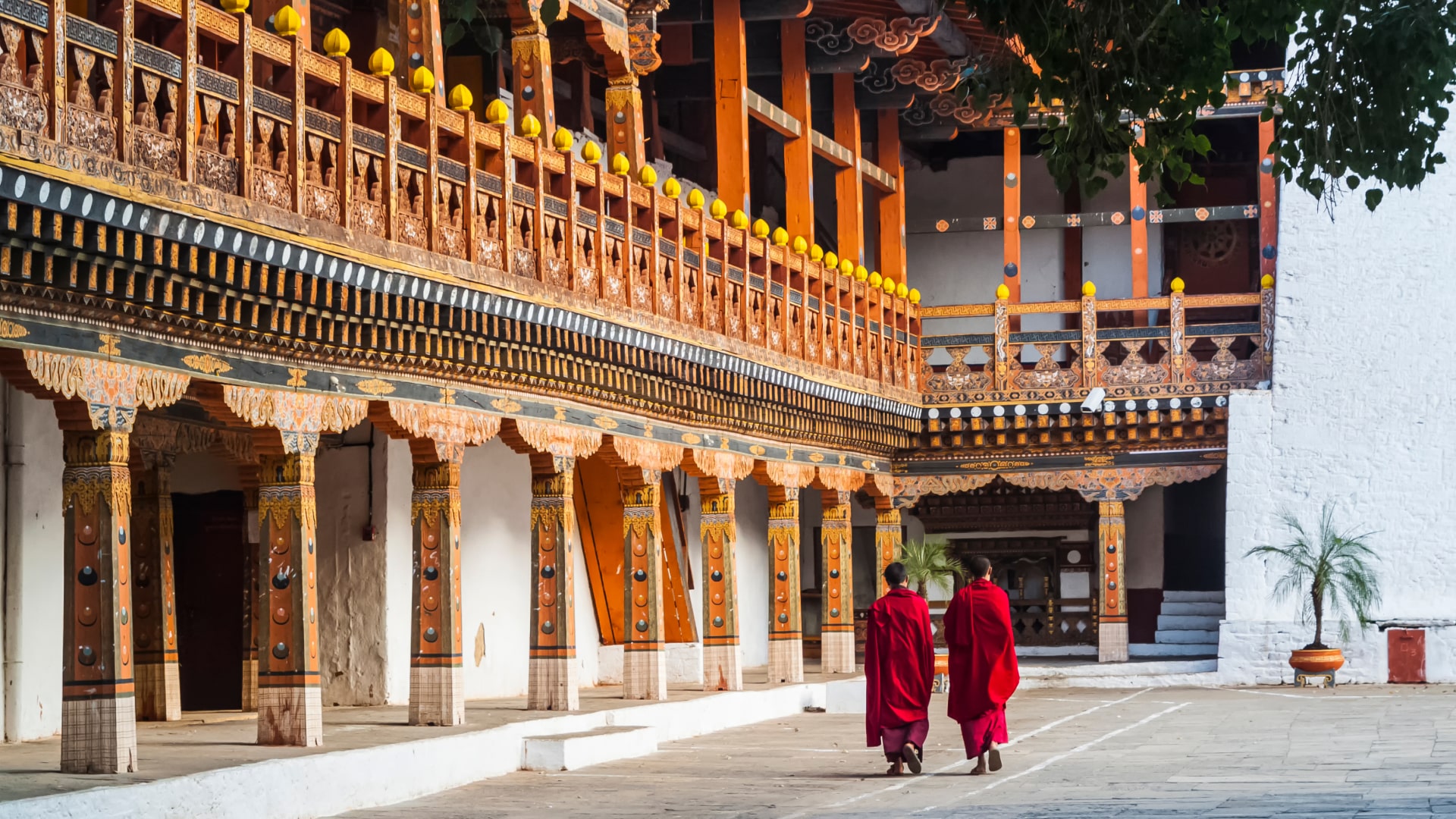
Bhutan's so-called sense of "dignity" comes from its low tourism density and long-term cultural preservation. When tourism doesn't prioritise commercialisation, this atmosphere becomes part of everyday life.
The founder of DeWonder shared a very concrete example: 「I brought some exquisite pastries from Hong Kong, and the Bhutanese didn't eat them themselves—they immediately cut them up and shared them with everyone around, even passers-by and the driver.」 This may seem like a small thing, but it actually reflects a very fundamental difference: in Bhutan, happiness comes from sharing, not from possessing.
He also observed: 「Many locals picnic under the trees, and even grown men live very leisurely lives.」 For city travellers used to efficiency and busyness, this rhythm often comes as a shock.
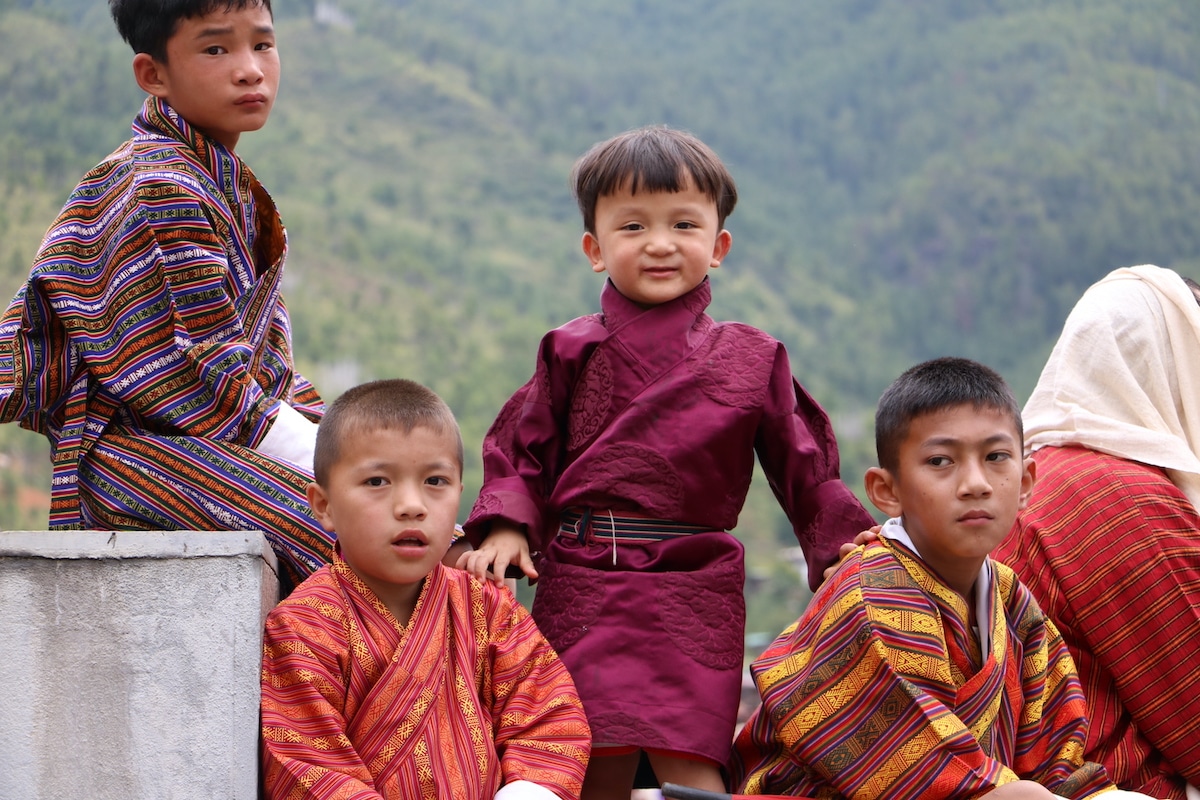
The happiness of the Bhutanese is often built on sharing and relationships, rather than personal possession. This seemingly simple way of life stands in stark contrast to most modern societies.
Tung Fong Sing also noted:"The people of Bhutan aren't cut off from the world—young people all have smartphones, they scroll through Instagram and watch YouTube, and their English is very good." But what's even more interesting is this:"When they see beautiful mountain scenery, they'll willingly put down their phones to take it in." It's not that they lack technology, but rather that they choose how to use it.
Tung Fong Sing also shared:"We went to a disco, and everyone sang and danced and had a great time—but it was very wholesome; you'd even see whole families coming together." It's not that Bhutan has no entertainment, but that its forms of entertainment differ from what we're used to.
What Bhutan offers isn't "indulgent travel," but rather an experience of values. Further reading 👉An Introduction to Bhutan's Five Great Cultural Experiences
Here is a breakdown of which types of travellers and travel styles are a good fit for Bhutan:
Traveller Type | Suitability | Is the Experience Worth It |
Wants shopping, fine food and convenience | ❌ Not suitable | ❌ Most likely not worth it |
Used to comparing everything to Japanese or Hong Kong standards | ❌ Not suitable | ❌ Easily disappointed |
Feeling worn out by capitalist society | ✅ Suitable | ✅ Usually feels very worthwhile |
Wants to experience different cultural values | ✅ Suitable | ✅ Will gain profound insights |
Wants to slow down and rethink life | ✅ Suitable | ✅ Absolutely worth it |
In short, Bhutan isn't about making you "more comfortable" — it's about letting you "see a different way of living."
If your travel goals are:
- Simply to relax
- To enjoy convenience
then Bhutan most likely won't feel worthwhile to you. But if what you're looking for is:
- To experience a different culture
- To rethink the way you live
- To step away for a while from your usual pace
then Bhutan may well turn out to be a truly worthwhile journey.
To suit different travel paces and lengths of holiday, DeWonder now offers:
- 6-Day In-Depth Bhutan Itinerary: ideal for first-time visitors with limited time
- 8-Day In-Depth Bhutan Itinerary: A more relaxed pace, covering more cultural and lifestyle experiences
👉 Further Reading: Bhutan Itinerary Recommendations: The Best Routes for 6-8 Day Trips If you wish to:
- Travel with elders
- Celebrate an anniversary or an important milestone in life
- Adjust the physical demands, accommodation, or experience content
You may also enquire about a Private Tour, where our team will help plan according to your actual needs. The reasons why so many travellers choose DeWonder In-Depth Bhutan Tours may just be the way you like to travel too:
- 10 years of on-the-ground experience in Bhutan: from guides to farmstays, we've worked with local partners for years to make experiences more authentic.
- Hong Kong direct-flight partner: in selected months we arrange charter departures flying direct to Paro, Bhutan, for a smoother, more time-saving journey.
- Small-group departures, flexible private charters: averaging 8–14 people, and we can also arrange private charter groups tailored to your own pace.
- Cultural experiences that go beyond the surface: farmhouse dinners, mandala (sand painting) experiences, festival ceremonies… all elements that add warmth to your journey.
- A track record of international collaborations: we helped Ed Sheeran stage a dedicated concert in Bhutan, the country's first-ever international superstar event.
- TVB collaboration partner: helped plan the itinerary for the Bhutan episode of the TVB programme "Travel with Sister".
If you'd also like to step into Bhutan in a more comfortable, more authentic way, feel free to check out our latest departures or chat with us about your travel plans. 👉 View the Bhutan Year-Round Departure Schedule 👉 Sign up for free for our online Bhutan seminar, where we answer more of your questions about travelling in Bhutan: Click here to register 👉 For more about travelling in Bhutan, we recommend reading thisComplete Guide to Bhutan Travel