
The Complete Bhutan Travel Guide: Visa Application, Best Season, Cultural Highlights and Itinerary Overview
Want to visit Bhutan but don't know where to start planning? This comprehensive guide also links to several of our in-depth Bhutan feature articles, making it easy for you to explore further and understand each topic in detail. If you're planning a trip to Bhutan, this will be your essential complete guide!
This Complete Bhutan Travel Guide is designed for first-time visitors to Bhutan, whether you're drawn to the mystical atmosphere of Tibetan Buddhism or captivated by the legend of the "Land of Happiness," we'll walk you through all the key information you need for your trip to Bhutan. From visa applications, best travel seasons, flights and transportation, cultural experiences, to itinerary planning.
When it comes to Bhutan, many people's first reaction is: "Isn't Bhutan the happiest country in the world?"
Actually, according to the latest World Happiness Report, Finland tops the list, while Bhutan doesn't even appear on it. So why do people still associate Bhutan with "happiness"?
Because Bhutan has a concept that's unique in the world—Gross National Happiness (GNH). Instead of chasing GDP or tourism numbers, they focus on building a truly "good life" nation through culture, ecology, education, and spirituality. Sounds pretty zen, doesn't it?
Walking through the streets of Bhutan, you won't see bustling crowds or people rushing to take photos for social media. The country strictly limits tourist numbers, allowing every visitor to slow down and truly experience the rhythm of life. From majestic mountain views and quiet monasteries to guides passionately sharing cultural and Buddhist stories, traveling in Bhutan is hard to define through mere "attractions"—it's more like a journey that resets the soul.

In Bhutan, there's no pressure to rush through itineraries or take photos for social media—only moments that belong to you as you immerse yourself in nature and culture
Unlike typical tourist hotspots, Bhutan doesn't have a large number of direct flights. Its only international airport is located in Paro, which has high technical requirements for landing, limiting airline options. Currently, there are two main airlines: Druk Air (Royal Bhutan Airlines) and Bhutan Airlines, with common departure cities including Bangkok, Kathmandu, and Delhi. Among these, Bangkok offers the most flights and the most reliable connections.
In recent years, depending on peak travel season demand, charter direct flights from Hong Kong to Paro have been available during specific months, such as Chinese New Year, summer holidays, or year-end holidays. However, these direct flights are usually limited in number and typically arranged in coordination with tour groups, so it's recommended to keep an eye out for relevant information in advance.
👉 Further Reading:A Handy Guide to Bhutan Flights and Transportation
Travellers from Hong Kong and Taiwan heading to Bhutan must apply for a visa, and cannot do so online by themselves. Bhutan follows a "high value tourism" policy, meaning all visitors must go through a locally licensed tour operator to arrange their visa and itinerary. This means you'll need to plan your daily accommodation, transport, guide, and itinerary details in advance, and prepay the daily Sustainable Development Fee (SDF).
This is exactly why "completely independent travel" doesn't work in Bhutan. But don't worry — as long as you work with a licensed tour operator, the whole process really isn't that complicated, and your visa will be taken care of along the way.
👉 Read more: Bhutan Visa Guide & FAQ
👉 Read more: A Detailed Guide to Bhutan's SDF System
Although you can't simply book a flight and go as you would to other countries, many Bhutan itineraries are now becoming increasingly flexible. Options like themed small-group tours (such as religious festivals, hiking, or cultural experiences) or semi-customised routes mean you don't have to worry about every detail yourself, while still being able to add activities you're interested in within the set framework.
To find out whether your dream Bhutan itinerary suits customisation, or which small-group options might match your travel style, we recommend reading this article👉 Private Tours vs Group Tours in Bhutan: A Full Comparison
Bhutan has its own charm in every season, but if you ask us, "When's the best time for a first visit to Bhutan?" the answer is definitely spring (March–May) and autumn (September–November).
Spring is the season for flower viewing, with rhododendrons and wildflowers blooming across the mountains, and the climate is fresh and pleasant — perfect for hiking and outdoor activities. Autumn skies are especially clear, so clear you can even make out the snowline of the Himalayas, and many major festivals fall within this period, making it an excellent time to experience both culture and natural scenery.
By comparison, summer (July–August) is the rainy season — although the scenery turns lush and green, frequent afternoon showers can make mountain roads slippery, so itineraries tend to be less stable. Winter (December–February) brings cooler temperatures, with snow in some high-altitude areas, making it ideal for travellers who love snowy scenery and a peaceful atmosphere.
👉 Read more: The Best Time to Visit Bhutan: Seasonal Highlights
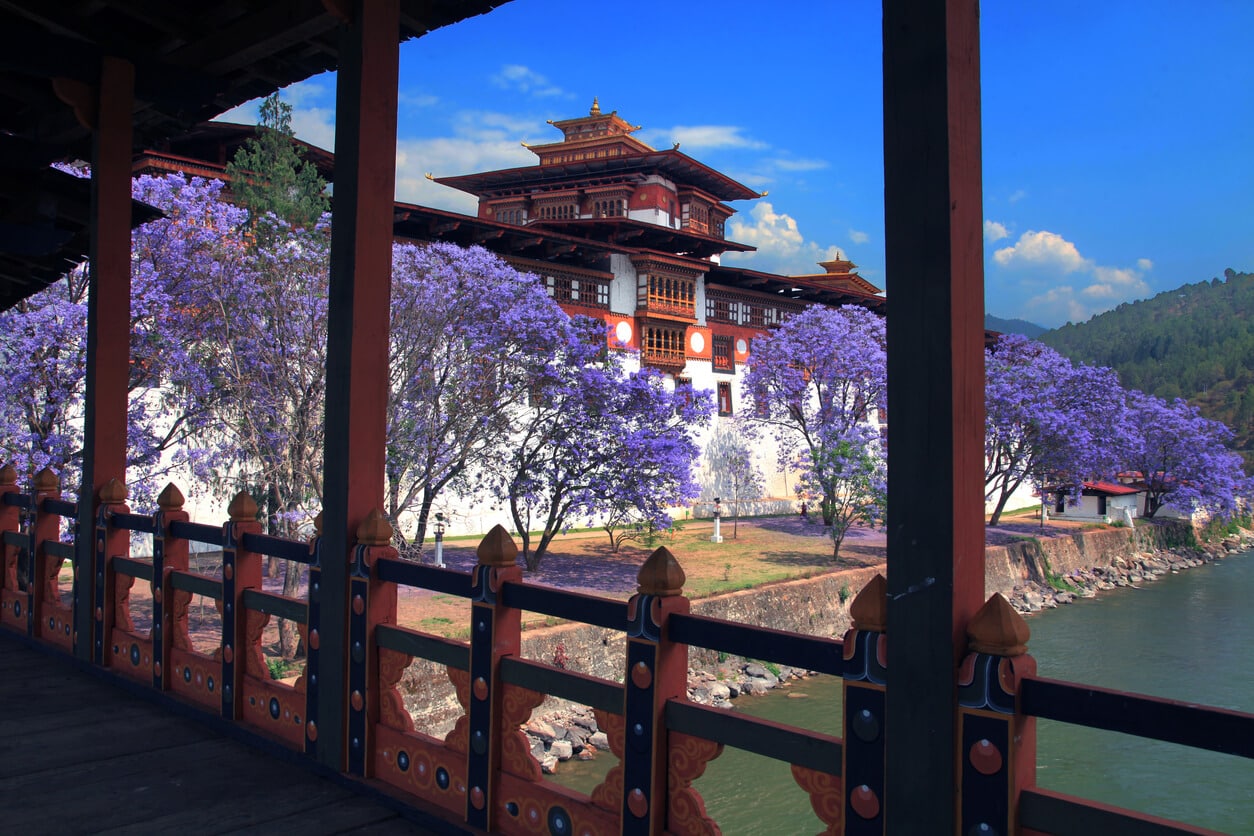
Visit Bhutan's most beautiful dzong, Punakha Dzong, when spring flowers are in full bloom
Bhutan's most iconic festival is the Tshechu Festival, held at different times in different regions throughout the year, with the main months falling in March, April, September, and October. These are important religious occasions for local devotees, when monks perform sacred masked dances, and many Bhutanese dress in their finest traditional attire to take part — creating an atmosphere that is both sacred and festive.
Also well worth seeing is the Black-necked Crane Festival, held every November. Taking place in the Phobjikha Valley, this festival combines environmental conservation with religious tradition, offering a rare chance to appreciate the local ecology while engaging with regional culture.
👉 Read more: An In-Depth Guide to the Tshechu Festival & Black-necked Crane Festival
👉 Read more: A Guide to Spotting Black-necked Cranes
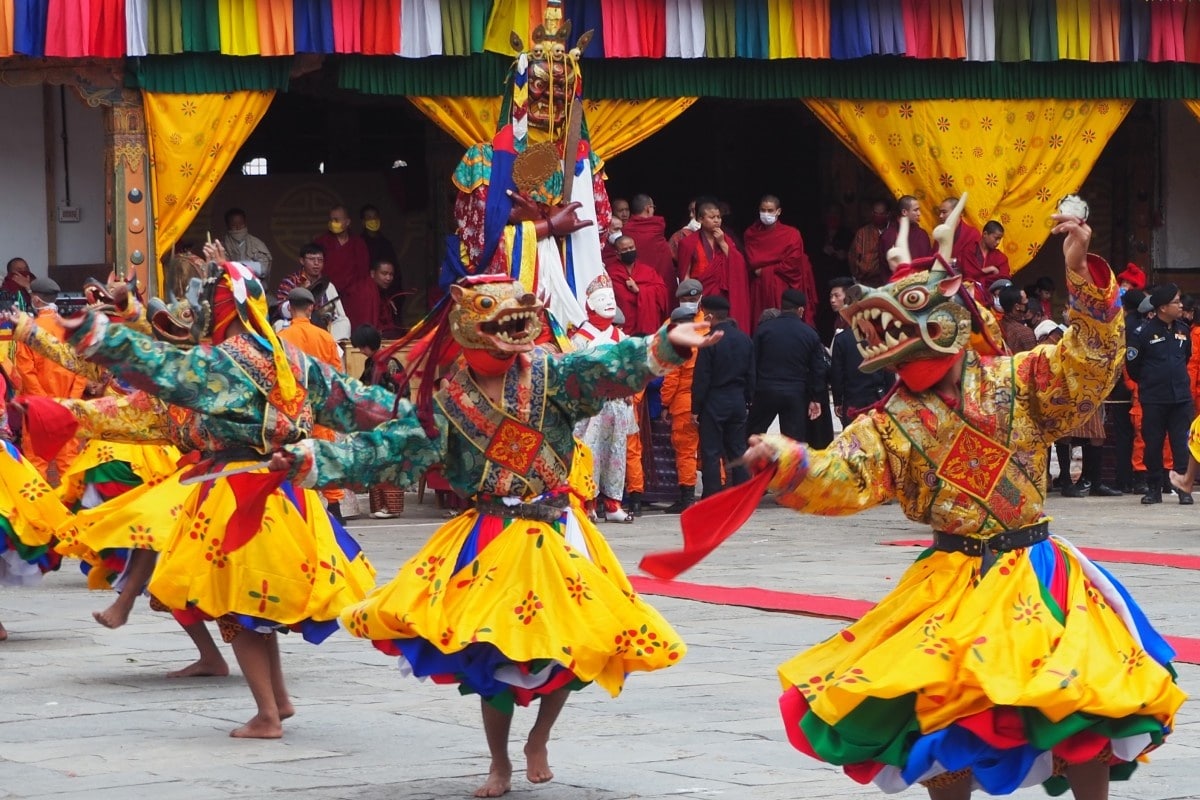
Witnessing the dances of the Tshechu Festival with your own eyes is, for many travellers, the most breathtaking moment of Bhutan they remember

The black-necked crane is a sacred bird of the "Tibetan" people, only seen in Bhutan in November
Bhutan isn't the kind of destination where you rush through five sights in a day—its travel rhythm is slower and more immersive, which means every attraction or experience feels like unwrapping yet another layer of a cultural treasure box.
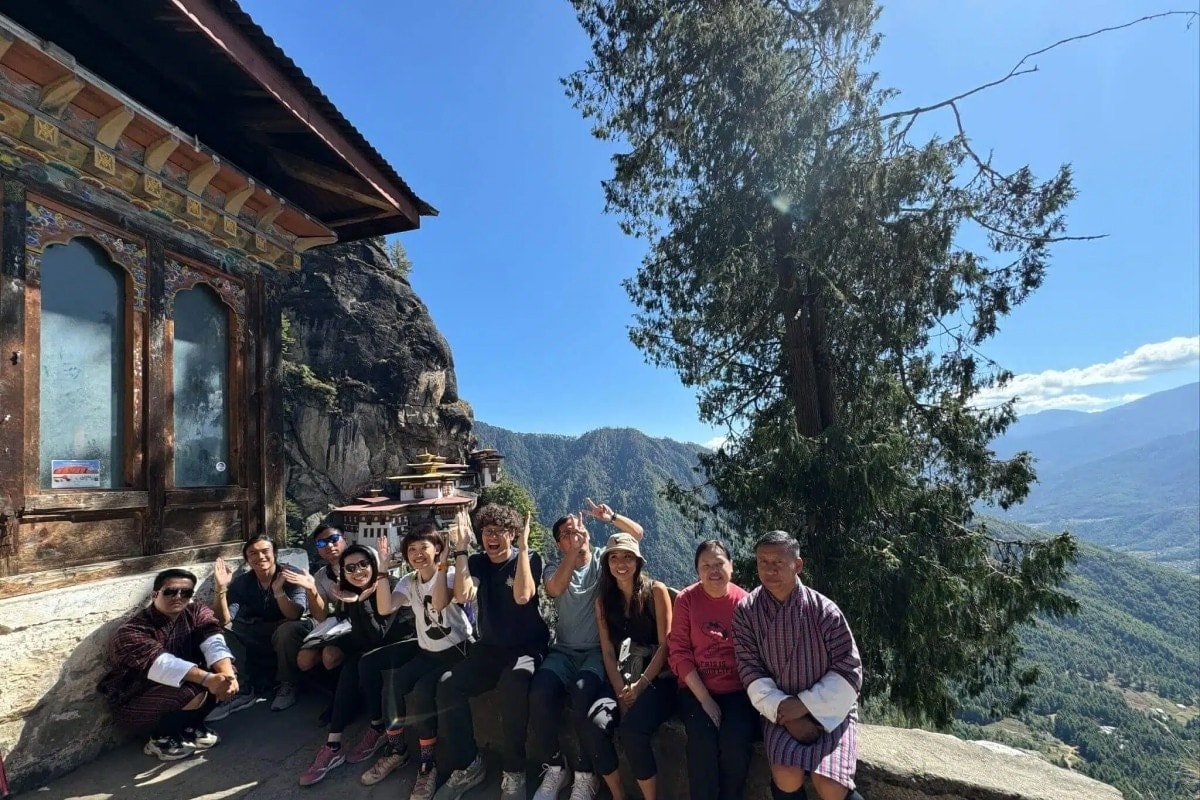
- Taktshang Monastery (Tiger's Nest): Bhutan's most iconic landmark, perched on a cliff 900 metres high. The climb up is tough, but looking down over the valley from the summit and feeling the serenity of the monastery—that moment truly brings a sense of calm
- Paro Dzong, Punakha Dzong, and Thimphu Chorten: Each "dzong" carries its own history and religious significance, making them the perfect starting point for understanding Bhutan's Tibetan Buddhism and architectural artistry.
- Phobjikha Valley: A nature reserve formed by alpine wetlands and a U-shaped glacial valley, home to the black-necked crane and one of the best places to stargaze and experience true tranquility.
👉 Further reading: A Complete Guide to Bhutan's Must-Visit Attractions

Climb up to Tiger's Nest Monastery, ranked as the world's top "Ten Greatest Temples." Built on a 900-metre cliff in the Paro Valley, this is Bhutan's most famous monastery.
Besides the sights, Bhutan's cultural experiences are also a major highlight. Many itineraries include:
- Wearing traditional local dress (Gho/Kira)
- Joining a family farmhouse dinner and hand-making a sand mandala
- Attending a live festival ceremony, or hiking through the Himalayan mountains
These interactions let you do more than just view the scenery — they let you "step into the life of the Bhutanese people."
👉 Further Reading: Introduction to Bhutan's In-Depth Cultural Experiences
👉 Further Reading: Must-Try Bhutanese Food Recommendations
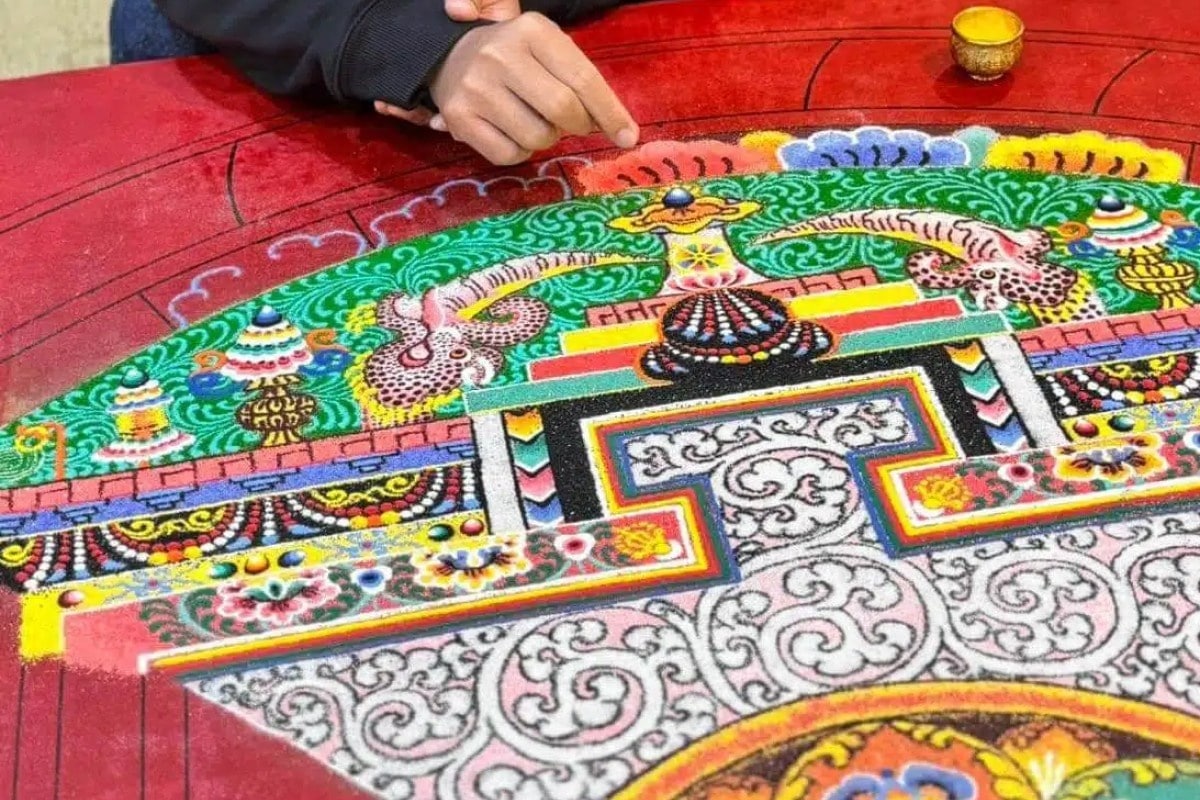
Experience making a sand mandala, which typically takes three months to complete
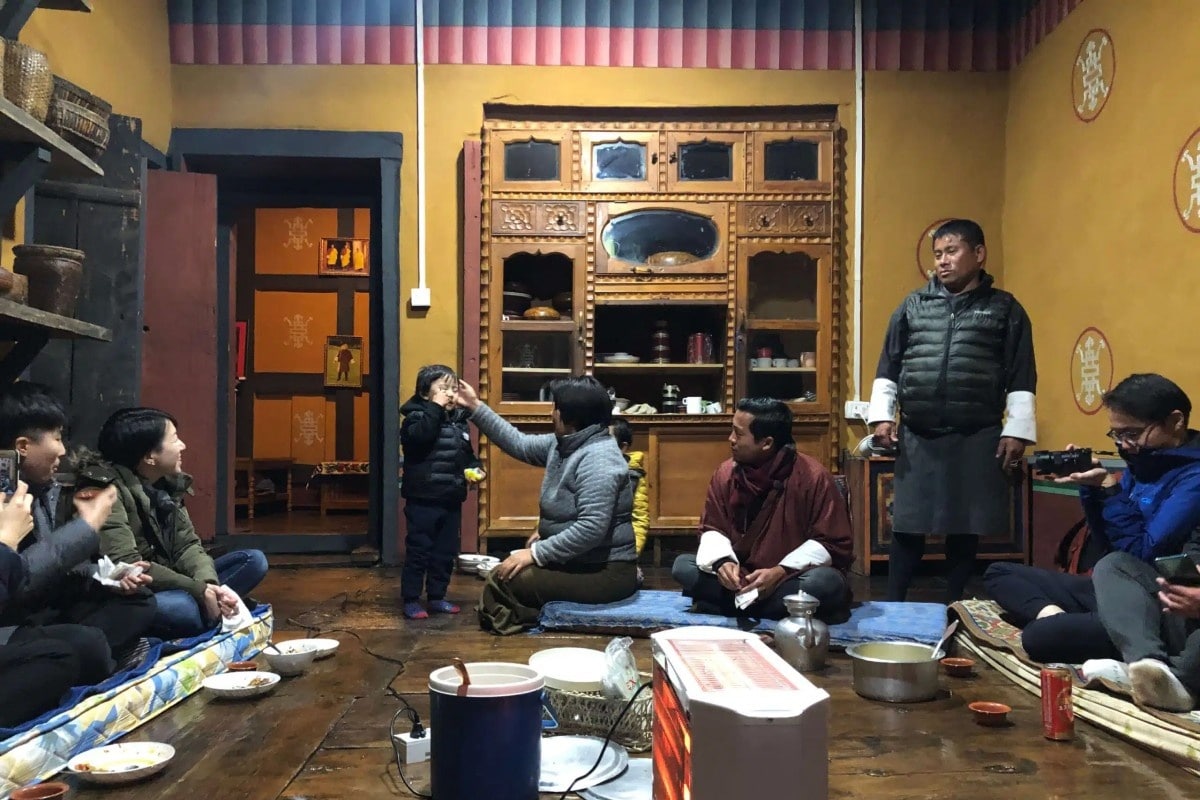
Share a dinner with a local farming family and experience everyday life in Bhutan
Every spring, the Bhutan International Marathon draws travellers from around the world to experience the Land of Happiness through the rhythm of running — it's not just about finishing a race, but about feeling the warmth of Bhutanese life through the journey.
With over ten years of experience in Bhutan travel, DeWonder is the official and exclusive partner of the Bhutan International Marathon, combining local cultural guiding, professional race support, and attentive team care so that every step is filled with story and every kilometre is worth remembering.
Want to discover Bhutan in a different way? 👉 Further Reading: Bhutan Marathon Guide

Runners cross Bhutan's famous Punakha Suspension Bridge, feeling the genuine joy of "running through the Land of Happiness" amid fluttering prayer flags and the mountain breeze.
How much does it cost to travel to Bhutan? How many days do you need? Drawing on ten years of dedicated experience in Bhutan travel, DeWonder has designed two simple and clear itineraries: a 6-day direct-flight itinerary and an 8-day in-depth itinerary.
Itinerary Duration | Cost (HKD) | Main Cities | Trip Highlights | Suitable For |
6 Days 5 Nights | HK$28,800 | Paro, Thimphu, Punakha | Tiger's Nest Monastery, Punakha Suspension Bridge, Farmhouse Communal Dining Experience | First-time visitors to Bhutan, those with limited time, travelers who prefer the convenience of a direct flight |
8 Days 7 Nights | HK$28,800–30,800 | Paro, Thimphu, Punakha, Gangtey | Phobjikha Valley, Black-Necked Crane Reserve, Stargazing Experience | Travelers seeking in-depth nature exploration, photography enthusiasts, repeat visitors |
👉 Further Reading: A Breakdown of Bhutan Travel Costs
Want to know the best route recommendations for your Bhutan itinerary?👉 Further Reading: A Guide to Planning Your Bhutan Itinerary
Although Bhutan is a small country, its geography and cultural characteristics mean that packing for this trip is quite different from a typical Asian journey. This article puts together a complete recommended packing list for Bhutan, so whether you're visiting Bhutan for the first time or you're a seasoned veteran of multiple trips, you can easily complete your pre-trip preparations with this checklist.
👉 Further Reading: Bhutan Packing List
Bhutan's charm lies not just in its sights, but in a rhythm and an attitude toward life. But this kind of travel experience needs someone to open the right doors for you, so you can truly see what makes it so captivating.
DeWonder Travel has spent the past decade focused on leading travelers into Bhutan. This isn't just our passion—it's the route we know best and are most proud of. We continue to design every leg of the journey to the highest standard, all so that you can truly "see Bhutan."
- A Decade of Hands-On Experience in Bhutan: Since our very first tour group entered Bhutan, we have continuously built up local expertise and established long-term partnerships with local guides, monks, and family farms. Many travelers have joined us not just once, but a second and even a third time.
- Bhutan's Premier Direct Flight Partner: During certain months each year, we work with Drukair (Royal Bhutan Airlines) to arrange chartered direct flights from Hong Kong to Paro Airport, saving on transit time and making the journey smoother.
- A Track Record of International-Level Collaboration: We helped British singer Ed Sheeran hold a dedicated concert in Bhutan—the first international superstar performance since the country's founding—which we fully planned and executed on the ground.
- Official Agent for COMO's Six-Star Hotels: Whether you want to stay at a COMO hotel for a relaxing retreat, arrange a honeymoon, or even hold a wedding, we can help you plan it and secure the best terms.
- Small Groups, Flexible Private Tours, Solo Travelers Welcome: Each group averages 8 to 14 people, with a maximum of 16, ideal for those who value quality travel. Don't like traveling with strangers? We can also arrange private group tours, tailor-made just for you.
- Genuine Cultural Engagement, Not Just Sightseeing: Includes temple meditation, mandala sand painting experiences, dinner with a local farming family, attending the Tshechu Festival, and documenting the Black-Necked Crane Festival.
📸 Moments DeWonder has captured in Bhutan—we look forward to having you join us!
DeWonder's philosophy is simple: it's not just about taking you "to" a place, but helping you truly "understand" it.
If you can't quite picture what it's like to actually join one of DeWonder's in-depth tours, take a look at DeWonder travellers' reviews, so you can get a more concrete idea of what the Bhutan itinerary is like!
Want to learn more about DeWonder's in-depth Bhutan tour itineraries and departure dates:
👉 Check out the full-year Bhutan tour schedule now
👉 Join our free online seminar and enjoy an exclusive limited-time booking discount