
Tibet Packing List: What to Bring for a Trip to Tibet? A Complete Packing Guide
How do you pack for a trip to Tibet? You don't need to bring a lot of gear — just master the layering technique and pack a few essential items, and you'll be able to handle the plateau's day-and-night temperature swings with ease, exploring snow-capped mountains and sacred lakes with peace of mind.
A trip to Tibet isn't just a journey — it's a challenge against the plateau environment itself. Since Tibet sits at high altitude, with dramatic climate shifts, pronounced day-and-night temperature differences, and intense UV exposure, packing for Tibet can't follow the same approach as a regular trip. This packing list will help you sort out the must-have items for Tibet and layering techniques, so you can explore the snow mountains and sacred lakes with confidence, without worrying about "what should I actually bring?"
Tibet is known as the "Roof of the World," with an average altitude of over 4,000 metres — an environment vastly different from the places we usually travel to. The biggest differences to consider when packing are:
- Extreme day-and-night temperature swings: Under direct midday sun, temperatures can approach 20°C, but at night they can drop well below freezing.
- Intense UV exposure: Even on overcast days, the UV index can be several times higher than at lower altitudes.
- Risk of altitude sickness: High elevation makes your body more prone to discomfort, so extra attention to health-related items is essential.
- Packing smart, not packing more: Bringing too much only weighs you down — the key is layered dressing and keeping things streamlined and practical.
When packing for Tibet for the first time, many people worry about not bringing enough, only to end up over-packing and struggling to carry it all. In fact, as long as you follow the principle of understanding the plateau climate + dressing in layers, you can pack light while covering everything you need.Here's a quick checklist table to help you prepare:
Category | Essential Items | Notes |
Clothing | Windproof jacket, down/fleece jacket, quick-dry long sleeves, comfortable shoes | Use layered dressing to flexibly cope with temperature changes |
Health | Altitude sickness medication, stomach medicine, sunscreen, lip balm | Please consult a doctor first to ensure the medication is suitable |
Documents | Passport / Home Return Permit / Taiwan Compatriot Permit, Tibet Entry Permit | See details in 《Tibet Visa Guide》 |
Small Items | Thermos, portable charger, chocolate or energy bars | Battery drains faster at high altitude, so replenishing energy is even more important |
💡Quick Tip:If you want to learn about Tibet's climate differences across seasons, we recommend further reading👉《Complete Guide to Tibet's Climate》
The most common problem when travelling on the plateau is “sweating in the sun by day, shivering with cold by night.” So when packing clothes for Tibet, the key isn't to bring “more”, but to master the layering technique: dressing in multiple layers that you can adjust at any time.
- Base layer: moisture-wicking, quick-dry clothing Such as sports underwear, quick-dry long sleeves, or thermal underwear, which help wick away sweat and keep you dry, preventing you from catching a chill after being exposed to wind.
- Middle layer: insulating layer A fleece jacket or lightweight down jacket is most suitable — light in weight yet able to retain body heat. This is especially needed for sunrise viewing or going out at night.
- Outer layer: windproof and waterproof jacket The plateau has strong winds and rapidly changing weather, so a windproof, waterproof jacket can guard against sudden rain or snow.
- Accessories are essential too Sunglasses (to block strong glare), a hat (for both sun protection and warmth), gloves, and thick socks can all keep you comfortable at crucial moments.
💡 Quick tip: Even in summer, nights in Tibet can still be close to zero degrees, so a down or fleece jacket remains a must. 👉 Further reading:If you'd like to know the actual temperature changes across different months, we recommend referring to 《Tibet Climate Guide》

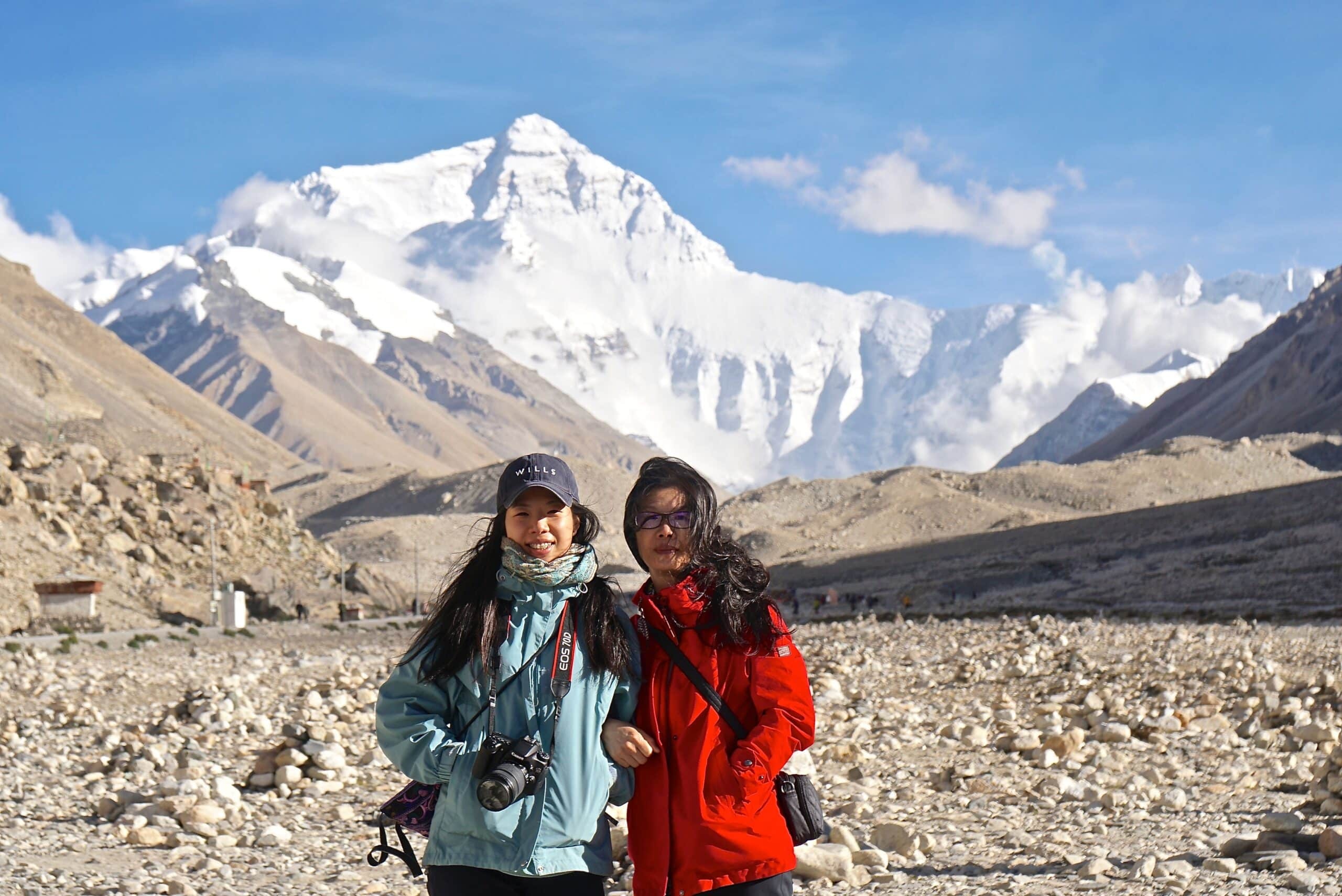
Although the sun is strong in Tibet in September, at high-altitude locations above 5,000 metres like Everest Base Camp, temperatures still hover close to zero.Layer your clothing like this and add a windbreaker jacket to withstand the low temperatures and biting wind.

Also in September, by Yamdrok Lake at an altitude of about 4,400 metres, it's much more comfortable. When the sun comes out, a single long-sleeved shirt is enough to stroll about comfortably. This is exactly why the Tibet packing list emphasises the 'layering method' — so you can adjust anytime to suit different environments.
Most travellers new to Tibet will experience some degree of altitude sickness, with symptoms such as headaches, insomnia, loss of appetite, or shortness of breath. That's why it's essential to pack a small medical kit with the necessary health supplies:
- Altitude Sickness Medication: Common options include Diamox (acetazolamide) or the herbal remedy Rhodiola rosea (Hong Jing Tian). Consult your doctor in advance to see if these are suitable for you.
- Basic Medications: Painkillers, digestive medicine, cold medicine, and motion sickness tablets can all help deal with sudden discomfort during your trip.
- Sun Protection & Moisturising Products: UV rays are intense at high altitudes, so sunscreen (SPF50+), lip balm, and moisturising lotion are essentials that matter even more than your clothing.
- Small First Aid Kit: It's recommended to bring some band-aids and iodine swabs to handle minor cuts.
💡 Quick Tip: Don't underestimate Tibet's dry climate — many people experience cracked lips and nosebleeds on their very first day, so moisturizing products matter more than you'd think. 👉 Further Reading: Not sure what to do if altitude sickness strikes? For a detailed guide, check out《The Complete Guide to Altitude Sickness》
Besides clothing and medication, the one thing you absolutely can't overlook when heading to Tibet is your documents and IDs. No matter how well-packed your luggage is, you won't be able to set off smoothly without the right paperwork.
- Passport, Home Return Permit, or Taiwan Compatriot Permit: Depending on your status, you'll need the corresponding document to enter mainland China and the Tibet region.
- Tibet Travel Permit: Required for both foreign nationals and Taiwanese travelers entering Tibet, usually arranged through a travel agency.
- Travel Insurance: We recommend choosing a policy that covers "medical treatment and altitude sickness" for extra peace of mind on your journey.
👉 Further Reading:For the latest procedures and requirements for visas and Tibet Entry Permits, we recommend checking our《Tibet Entry Regulations & Documentation Guide》
Besides basic clothing and medication, there are a few electronic items and small essentials that can greatly enhance comfort and convenience on high-altitude travels. These items may seem minor, but they often prove indispensable at crucial moments:
- Phone + Power Bank: With long daylight hours in Tibet, photography and navigation drain battery quickly, and the high altitude and cold temperatures further reduce battery life. Be sure to bring a high-capacity power bank.
- Camera / GoPro: Whether it's the Potala Palace or the sacred Namtso Lake, these sights deserve to be captured in high-quality images. We recommend bringing multiple memory cards and spare batteries.
- Plug Adapter: Tibet commonly uses two-pin or three-pin flat plugs, so a universal travel adapter is recommended to ensure all your electronic devices can be used.
- Insulated Water Bottle: The dry air at high altitude can easily lead to dehydration, so it's advisable to keep drinking warm or room-temperature water throughout the day. Compared to cold water, warm water is gentler on the body and won't irritate the stomach or add extra strain.
- Snacks: Chocolate, nuts, and energy bars provide extra calories and help maintain your energy during long journeys.
💡 Quick Tip: We recommend using a backpack + small waist bag combo. Keep your ID, phone, and snacks in the waist bag for easy access, and put everything else in the backpack.

DeWonder Traveler's Tip: When traveling in Tibet, carrying a small bag is very convenient — you can easily grab your phone, snacks, and sun protection items, making it easier to move around temples or markets.
Q1: Do I need to bring a down jacket to Tibet in summer? Yes. Even in July and August, daytime temperatures can exceed 20°C, but nights or high-altitude areas (such as Namtso Lake or Nagenla Pass) can still be close to freezing. We recommend bringing a lightweight down or fleece jacket, paired with layered clothing. Q2: The temperature difference between morning and night in Tibet is huge — how should I dress? The key is layering. Add a warm layer (fleece or down) in the morning and evening, and remove it during midday when the sun is strong, keeping just a quick-dry, moisture-wicking shirt with a jacket. Always carry a windproof jacket to handle sudden weather changes. Q3: Is a suitcase or a backpack more convenient? If you're mainly on a group tour, a suitcase is easier to pack and check in. But if your itinerary includes long drives or remote towns, a medium-sized backpack offers more flexibility. We recommend a combination of a checked suitcase plus a carry-on backpack. Q4: Do I need to bring trekking poles? If your itinerary includes long periods of walking (such as hiking around Namtso Lake), trekking poles can help reduce strain on your knees. However, for itineraries mainly focused on sightseeing and cultural experiences, they aren't essential — it depends on personal preference. Q5: How much cash should I prepare for Tibet? In major cities like Lhasa and Shigatse, most hotels, restaurants, and shops accept credit cards (Visa/MasterCard). However, in more remote areas, small shops, or for temple donations, cash is still the main form of payment. We recommend travelers prepare around RMB 1,000–2,000 in cash for unexpected needs.
Even with a complete packing checklist, first-time visitors to Tibet may still feel stressed due to altitude sickness, inconvenient transport, or unfamiliar surroundings. If you want to enjoy your journey with greater peace of mind, why not choose theTibet In-Depth Tour arranged by DeWonder's professional team:
- Comfortable Accommodation: Stay in premium hotels throughout the trip to help your body adapt to the high-altitude climate more quickly.
- Thoughtful Arrangements: Professional guides accompany you throughout, offering cultural insights and advice on high-altitude living, reducing the hassle of preparing your own gear.
- Small Group Travel: Small group sizes create a better atmosphere and allow for more attentive care.
- Cultural Experiences: Beyond the Potala Palace, Jokhang Temple, and the sacred Namtso Lake, you can also visit local Tibetan families and try Thangka painting to truly understand the local culture.
Want to learn more about Tibet itinerary planning and pre-trip preparation? Join DeWonder's [Tibet In-Depth Seminar] At the seminar, we'll explain itinerary details, the registration process, and common questions—feel free to contact us directly for more information too! 👉 Free Seminar: Click Here to Register 👉 View theFull-Year Tibet Tour Schedule 👉 Further Reading: When Is the Best Time to Visit Tibet? Best Travel Seasons and Four-Season Experiences 👉 Further Reading: Must-Visit Attractions in Tibet 👉 Further Reading: Must-Visit Temples in Tibet