
Tibet Transport Guide: Flight vs. Train — Which Should You Choose?
Heading to Tibet from Hong Kong — should you fly or take the Qinghai-Tibet Railway? Here's a quick comparison of both options, busting common myths about altitude sickness, plus practical flight recommendations.
For many travellers, Tibet is a once-in-a-lifetime dream destination. Its majestic snow-capped mountains, sacred monasteries, and pristine lakes are endlessly captivating. But when planning the trip, the first question that often comes up is: should you fly or take the Qinghai-Tibet Railway? Some worry that flying makes altitude sickness more likely, while others are drawn to the stunning scenery along the train route. This article will analyse both options from the perspective of travellers departing from Hong Kong, covering their pros and cons, along with suggested flights and practical information to help you choose the best option for you.
Currently, there are no direct flights from Hong Kong to Lhasa — you'll typically need to transit through Beijing or Chengdu to get there. Even with a layover, the total journey usually takes only 6–8 hours, making it a relatively time-efficient and convenient option for Hong Kong travellers with limited holiday time. 💡Busting the Myth: Flying Doesn't Increase Your Risk of Altitude Sickness Many people worry that "flying straight to a high-altitude destination" makes altitude sickness more likely, but this is a misconception. The key factor behind altitude sickness is elevation, not mode of transport.
- Whether by plane or train, you'll ultimately arrive in Lhasa (at an altitude of about 3,650 metres), and your body will need to adjust to the same elevation either way.
- Whether or not you experience altitude sickness depends on your individual physical condition and how you acclimatise after arrival — not on whether you choose to fly or take the train.
- The key point is to rest well, drink plenty of water, and avoid strenuous exercise after arrival—this matters more than which mode of transport you choose.
Who It's Suitable For
- Limited holiday time: For office workers who can only take one week off, flying saves a lot of time.
- Families with children: Flying is more comfortable and avoids long hours of tiring travel.
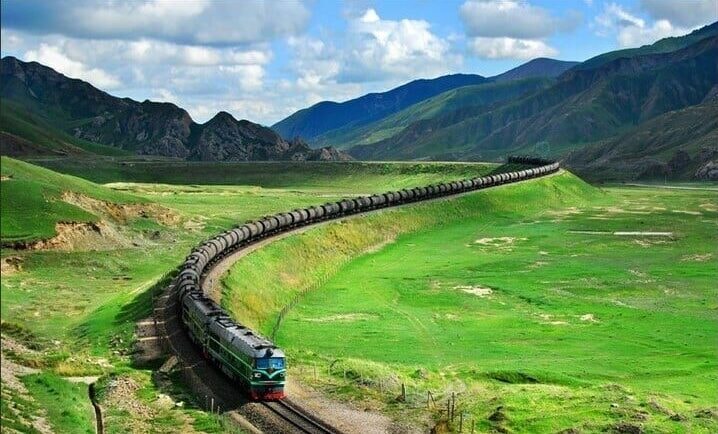
If you have more time and want to treat the "journey into Tibet" as part of the trip itself, the Qinghai-Tibet Railway is an excellent choice. Known as the "Sky Road on the Roof of the World," this railway takes you through grasslands, glaciers, and snow-capped mountains, offering breathtaking scenery all along the way. Why Choose the Train?
- Gradual acclimatization: The train climbs to the plateau step by step, and some travellers subjectively feel their bodies adapt more easily. However, note that the final altitude reached in Lhasa is the same, so the risk of altitude sickness is not actually reduced.
- Scenic views along the way: Snow-capped mountains, lakes, and grasslands outside the window make the train journey part of the travel experience.
- Immersive experience: Taking the train into Tibet creates more of a sense of "gradually entering Tibet," ideal for travellers who enjoy slow travel.
Points to Note
- High time cost: The journey from Xining to Lhasa takes about 22 hours, and boarding from Beijing or Chengdu may take over 40 hours.
- Strict Ticket Purchase Requirements:Travelers from Hong Kong, Macau, Taiwan, and foreign countries must hold a Tibet Entry Permit in order to purchase tickets.
- Real-Name System Control:Train tickets must be linked to identification documents (Home Return Permit / Taiwan Compatriot Permit / Passport + Tibet Entry Permit), which will be checked one by one during ticket inspection. 👉 Further Reading: Complete Guide to Tibet Entry Requirements for Hong Kong, Macau & Taiwan Travelers
- Carriage Selection:
- Hard Seat: Cheapest option, but not suitable for long journeys.
- Hard Sleeper: The most common choice, with three-tier bunks.
- Soft Sleeper: Two-tier bunks in a compartment-style setup, offering greater comfort.
- Tickets for Popular Routes Are Hard to Secure:Especially during peak seasons (summer holidays, Golden Week), you should book at least 30–60 days in advance—it's recommended to have a travel agency arrange this on your behalf.
💡Quick Tip:Although the Qinghai-Tibet Railway is equipped with an oxygen supply system, you may still experience altitude sickness during the journey. If you have heart or lung conditions, or are not accustomed to long periods of travel, flying remains the safer choice.

The Qinghai-Tibet Railway section from Xining to Lhasa showcases the plateau's uniquely magnificent scenery. Photo Credit: Pinterest
For travelers departing from Hong Kong, flights and trains each come with their own advantages and limitations.The table below can help you quickly compare and find the option that best suits you:
Mode of Transport | Travel Time from Hong Kong | Comfort Level | Altitude Sickness Risk | Experience Highlights | Suitable For |
Flight | About 6–8 hours (including transfer, Beijing/Chengdu → Lhasa) | High: fast and avoids the fatigue of long journeys | Same as rail (determined by altitude, not mode of transport) | Saves time, direct to destination | Travelers with limited holidays, families with children |
Rail | Requires flying to a mainland Chinese city first, then a 22–40+ hour train journey | Medium: sleeper berths are relatively comfortable, but the journey is long | Same as flight (arriving at the same altitude in Lhasa) | Spectacular scenery along the way, the journey itself is the experience | Travelers with ample time, rail travel enthusiasts |
📌 Key Takeaways:
- Want to save time and hassle → chooseflight.
- If you're after a slow travel experience → the Qinghai-Tibet Railwayis a journey well worth savouring.
- Whichever option you choose, the key to managing altitude sickness lies in how you adjust after arrival, not the mode of transport.
Whether you choose to fly or take the railway, you'll face the same high-altitude environment once you arrive in Tibet. Here are some practical tips to help ease discomfort: Common Myths vs. Correct Practices
Myth | Correct Practice |
Flying causes altitude sickness more easily than taking the train | Altitude sickness comes from elevation, not the mode of transport. Whether you fly or take the train, you'll face the same altitude once you arrive in Lhasa. |
Bringing an oxygen canister will prevent altitude sickness | An oxygen canister only provides temporary relief and doesn't truly solve the problem. The most important thing is to rest and avoid strenuous activity. |
Drinking alcohol helps blood circulation and eases discomfort | Alcohol worsens dehydration and discomfort. You should avoid drinking and focus on staying well hydrated instead. |
Worried that altitude sickness is too severe to visit Tibet | Most people can adapt to high altitude, it just takes time. Learning preventive methods in advance lets you enjoy your journey with peace of mind. |
📌Practical Tips
- Before departure: Get enough sleep and avoid overexertion.
- After arrival: Slow down your pace, drink plenty of water, and avoid running, jumping, or carrying heavy objects.
- Dietary advice: Eat smaller, more frequent meals and avoid overly oily or spicy food.
- Medical preparation: If needed, consult a doctor beforehand and bring medication to prevent or relieve altitude sickness.
💡Reminder:Altitude sickness varies from person to person, so there's no need to panic excessively. If severe discomfort occurs (such as intense headaches or difficulty breathing), inform your tour guide immediately or seek medical assistance.
Although there are no direct flights from Hong Kong to Lhasa, you can conveniently reach Tibet by transferring through Beijing or Chengdu.Below are commonly recommended flights (operated by Air China): Option 1: Hong Kong → Beijing → Lhasa
- Outbound
- CA118 08:30 Hong Kong (HKG) ✈ 11:40 Beijing Capital (PEK)
- CA4123 13:15 Beijing Capital (PEK) ✈ 17:35 Lhasa (LXA)
- Return
- CA4124 18:50 Lhasa (LXA) ✈ 22:55 Beijing Capital (PEK)
- CA401 08:05 Beijing Capital (PEK) ✈ 11:45 Hong Kong (HKG)
Option 2: Hong Kong → Chengdu → Lhasa
- Outbound
- CA3820 19:15 Hong Kong (HKG) ✈ 21:45 Chengdu Tianfu (TFU)
- CA2537 07:15 Chengdu Tianfu (TFU) ✈ 09:50 Lhasa (LXA)
- Return
- CA2532 17:35 Lhasa (LXA) ✈ 19:55 Chengdu Tianfu (TFU)
- CA411 08:55 Chengdu Tianfu (TFU) ✈ 11:50 Hong Kong (HKG)
📌 Fare reference: approx. HKD 4,000 – 6,500 (varies by season and fare fluctuations) If you'd rather not worry about the details of transportation, Tibet Entry Permits, and ticketing, just leave it to DeWonder. With over ten years of experience in Tibet travel, our professional team will arrange your flights, Tibet Entry Permit, and transport connections for you, so you can focus on enjoying Tibet's magnificent scenery and unique culture. 👉 Check out theFull-Year Tibet Tour Schedule 👉 When is the best time to visit Tibet? How should you dress and prepare? Read thisComplete Guide to Tibet's Climate 👉 Have other questions about traveling to Tibet? Join ourFree Online Seminar, where our experts will answer all your questions one by one