
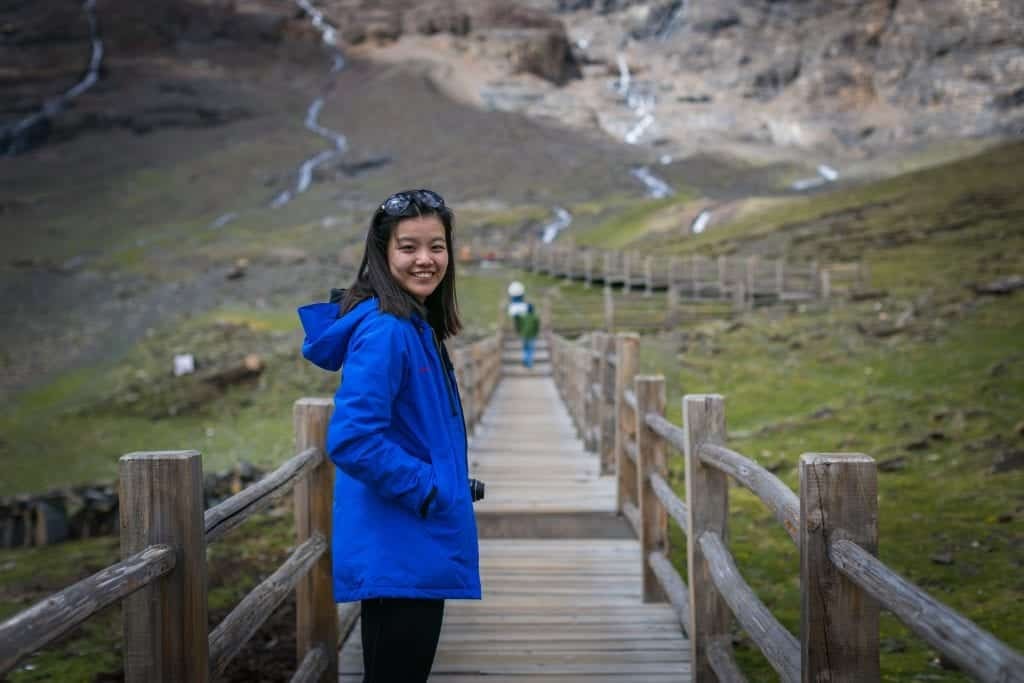
5 Ways to Avoid Altitude Sickness in Tibet
Travelling to Tibet often brings a risk of altitude sickness. DeWonder Travel has summed up five practical tips: take medication before departure, ascend gradually, rest well and avoid strenuous activity, bring an oxygen canister, and travel with local Tibetan friends who know the area — all of which can help ease symptoms and let you enjoy your trip with peace of mind.
Tibet, the "Roof of the World", sits at an average altitude of over 3,500 metres, and altitude sickness usually strikes above 3,000 metres — though some travellers to Tibet begin experiencing symptoms such as headaches, a racing heart and fatigue at just over 2,000 metres. Drawing on the experience of numerous Tibet experts and the latest research published in medical journals, GLO Travel has summed up 5 ways to avoid altitude sickness in Tibet.
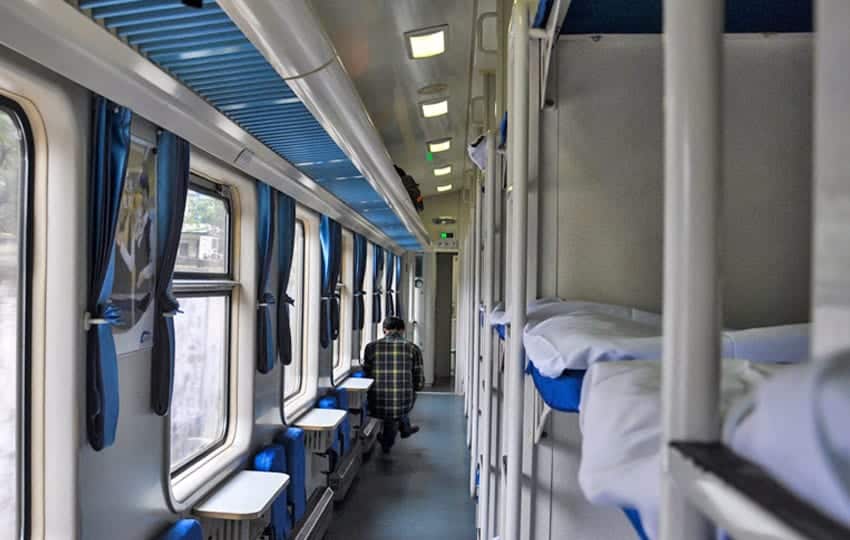
Most medical studies show that Acetazolamide, also known as Diamox, can effectively reduce the risk of altitude sickness. It is recommended to start taking it 24 to 48 hours before heading to high-altitude areas — for example, if travelling to Tibet by train, you should start medication while on board. As your body gradually adapts to the plateau climate, the dosage can be reduced step by step. Note that Diamox should not be taken by those allergic to sulfonamides or with G6PD deficiency (favism). As this medication requires a doctor's prescription, those in need can book a consultation and purchase the medication at the Department of Health's Travel Health Centre. For details, please visit this website.

Ascending too quickly is the main cause of altitude sickness. A general guideline is not to gain more than 300 metres in altitude per day, giving your body enough time to adjust to changes in oxygen pressure — which is why travelling by train is said to be safer than by plane. On the other hand, taking the train may not allow travellers to Tibet enough rest, which could actually worsen altitude sickness. Whichever mode of transport you choose to reach Tibet, we recommend stopping for two to three nights at an altitude of 2,500 to 3,000 metres to acclimatise. Above 3,000 metres, the increase in sleeping altitude each night should be kept between 300 and 600 metres, with an extra night's rest for every 1,000 metres gained.
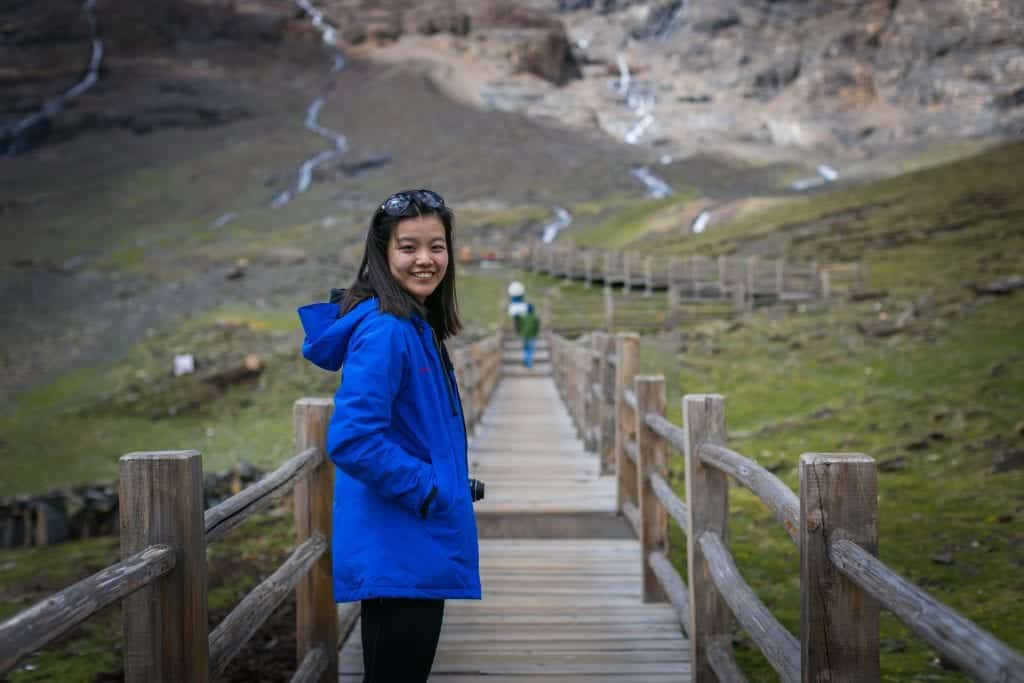
The first forty-eight hours after arrival are crucial for helping your body adjust to the thin oxygen of the plateau. Besides resting and drinking plenty of water, you should avoid, as far as possible, anything that speeds up blood circulation—such as running, squatting deeply (be mindful when using the toilet), taking hot showers, or overeating. Never dash off in excitement at the sight of Tibet's magnificent scenery, or suddenly binge after days of instant noodles on the train. Also avoid smoking, drinking alcohol, or taking sleeping pills or sedatives.
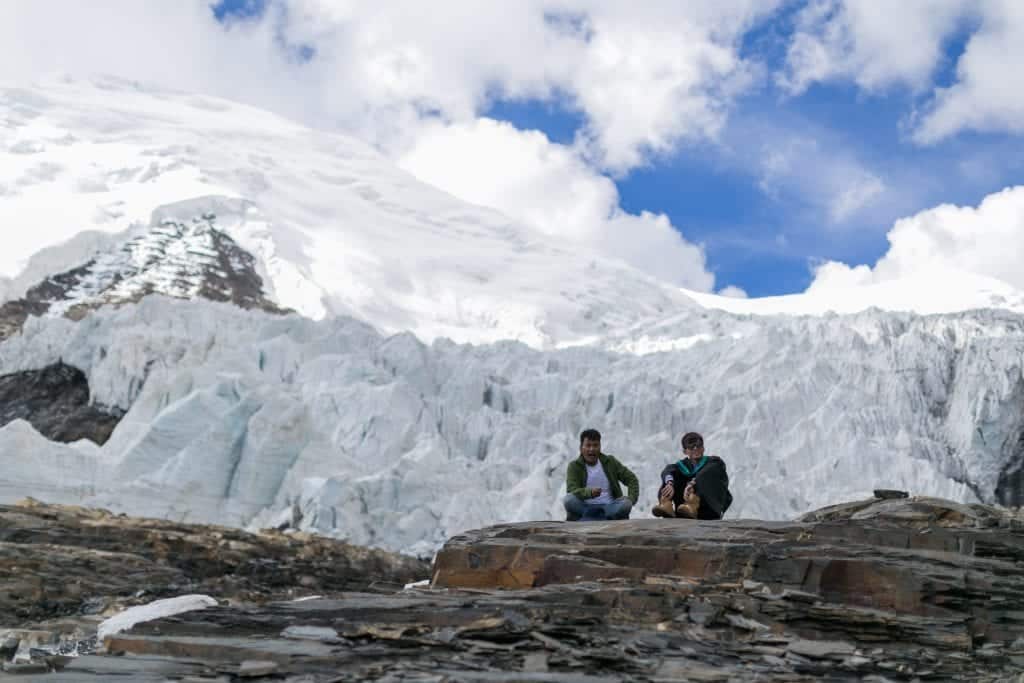
Traveling through Tibet often involves crossing mountains and ridges at altitudes exceeding four thousand metres. Even if you experience no altitude sickness at all in Lhasa, which sits at 3,600 metres, you should still buy a lightweight oxygen canister from a reliable shop just in case, to relieve severe discomfort caused by altitude sickness. If you only have mild symptoms, we don't recommend using the oxygen canister right away, as this may prevent your body from adjusting to and regulating the thin oxygen naturally, potentially leading to needing oxygen throughout the entire trip and affecting your enjoyment.
If possible, have at least one Tibetan friend accompany you as a travel companion. Beyond drawing on experience to gauge the severity of a traveller's altitude sickness, they will also know the locations and contact details of hospitals and clinics along the route, and can help communicate with local medical staff — often getting patients to reliable care as quickly as possible.

It is perfectly normal for the body to react upon first arriving at high altitude — common immediate responses include a faster heartbeat, elevated blood pressure and mild headaches. Our bodies have self-regulating abilities, and with sufficient rest, plenty of water and no alcohol, these symptoms usually ease or disappear within a day or two. The severity of altitude sickness varies from person to person, and not everyone will experience severe symptoms. If you are particularly concerned about altitude sickness — especially if you have a history of severe hypertension, angina, chronic obstructive pulmonary disease, anaemia or epilepsy — please consult your family doctor for professional advice before departure. For more enquiries about Tibet travel, feel free to visit our Tibet In-Depth Tour FAQ for further information.