
What are the Caucasus Three? Where are they? A quick guide to Azerbaijan, Georgia & Armenia
A quick introduction to the Caucasus Three — Azerbaijan, Georgia and Armenia. From the Caspian Sea to snow-capped mountains, from the Land of Fire to sacred sites of faith, discover the cultural allure and travel inspiration found at the crossroads of Europe and Asia.
Have you heard of the “Caucasus Three”? This mountainous region straddling the border of Europe and Asia boasts breathtaking natural landscapes and a richly intertwined history and culture.Azerbaijan, Georgia and Armenia — though neighbouring one another, each nation possesses its own distinct religion and national character. From the Land of Fire beside the Caspian Sea, to the sky-high churches atop snowy mountains, to an ancient kingdom of deep faith, this is where the civilisations of Europe and Asia meet most spectacularly.
The Caucasus region lies between the Black Sea and the Caspian Sea, forming a natural gateway linking Europe and Asia. Since ancient times it has been a vital hub of trade and strategy, shaped by the rivalries and fusion of the Persian Empire, the Roman Empire, the Arab Empire and the Soviet Union, giving rise to today's multilingual, multi-religious and multicultural landscape. Geographically, the Caucasus is centred around the majestic Caucasus Mountains, which divide the region into “North Caucasus” and “South Caucasus”. The “Caucasus Three” we know so well — Azerbaijan, Georgia and Armenia — are located in the South Caucasus. These three countries not only symbolise the divide between Europe and Asia, but are also hailed as a “microcosm of world civilisation”:
- Azerbaijan bridges Iranian and Central Asian culture
- Georgia has absorbed European and Eastern Orthodox influences
- Armenia preserves an ancient Christian faith and script
Located on the western shore of the Caspian Sea, Azerbaijan is the most Central Asian-flavoured of the Caucasus Three. Natural gas burning continuously beneath the ground has earned it the nickname “Land of Fire”, symbolising energy and rebirth.The capital, Baku, is the nation's cultural and economic heart, where the ancient Baku Old City stands alongside the modern Flame Towers, creating a cityscape where old and new intertwine. Baku Old City was also the first site in Azerbaijan to be inscribed as a UNESCO World Heritage Site. Azerbaijan follows Islam, and its culture is deeply influenced by Turkish and Persian traditions. Walking the city streets, you'll spot the domes of mosques, the vivid patterns of carpet markets, and public art installations that blend ancient Persian legends with contemporary artistry. This fusion of East and West is exactly what makes Azerbaijan so captivating. Azerbaijan Travel Highlights
Item | Details |
Capital | Baku |
Cultural Highlights | Islamic charm × modern architecture |
Must-Visit Attractions | Flame Towers, Baku Old City, Ateshgah Fire Temple |
Travel Impressions | Land of Fire, Caspian Sea coastline, a blend of old and new city |

Baku Old Town|The historic heart of Azerbaijan's capital, where stone buildings within the ancient city walls stand in striking contrast to the distant Flame Towers, symbolizing the fusion of tradition and modernity.
Located south of the Caucasus Mountains, Georgia is a mountainous nation brimming with European romance, and one of the world's earliest countries to embrace Christianity. Here you'll find majestic snow-capped peaks, ancient monasteries, and a world-renowned wine culture, earning it the title "Soul of the Caucasus." The capital Tbilisi preserves its old town's red-brick architecture and winding alleyways, while its sulfur bath district is a popular spot for travelers to unwind.Heading north, you can reach Mount Kazbek and the Gergeti Trinity Church, which stands on a hillside at an altitude of 2,000 meters, earning it the title "the church closest to heaven." The Georgian people are warm and hospitable, and wine culture is deeply woven into daily life. The traditional clay-jar winemaking method (Qvevri Wine Making) has been inscribed on theUNESCO Intangible Cultural Heritage List. Whether you're savoring wine in a mountain town or relaxing at a street-side café in the capital, you'll feel the country's free and gentle rhythm. Georgia Travel Highlights
Category | Details |
Capital | Tbilisi |
Religion | Orthodox Christianity |
Representative Culture | Wine-making, music, mountain architecture |
Must-Visit Attractions | Mount Kazbek, Mtskheta, Gergeti Trinity Church |
UNESCO Listing | Qvevri Wine-Making Method (Intangible Cultural Heritage) |
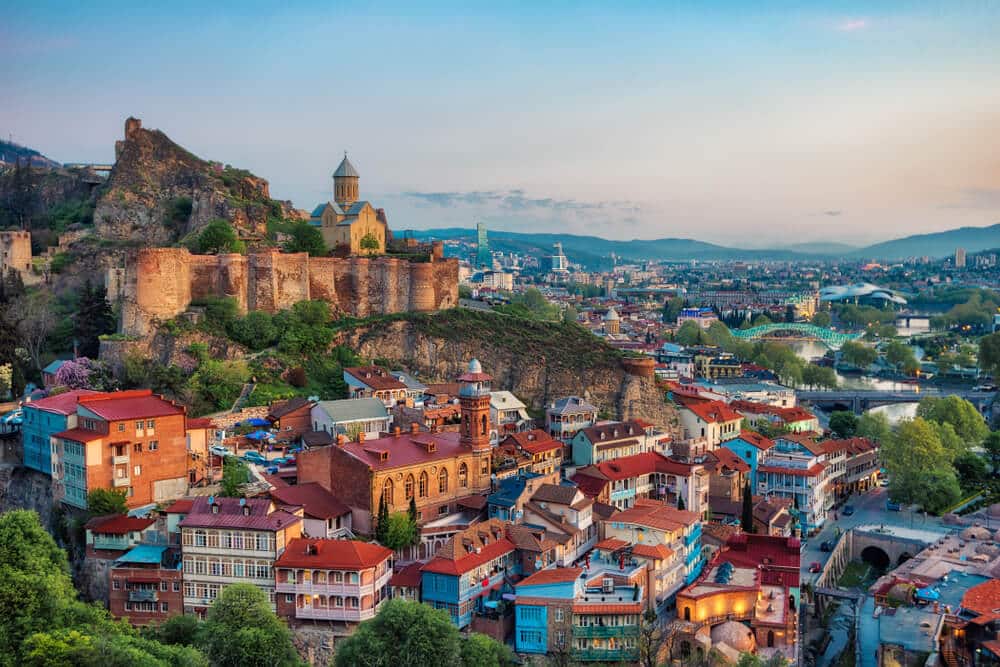
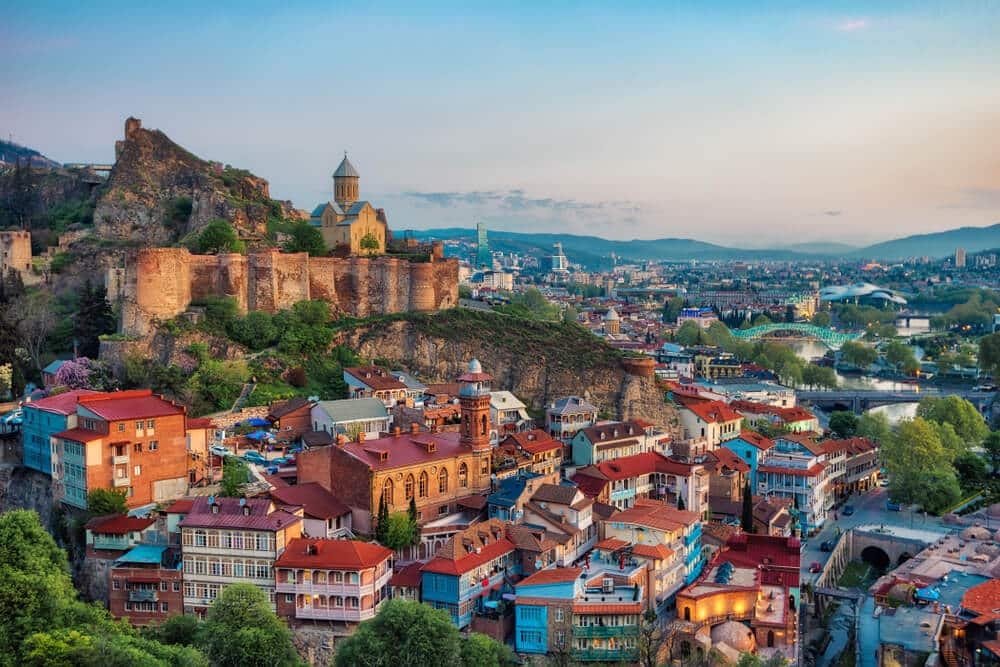
Old Town of Tbilisi | The historic heart of Georgia's capital, where red-tiled roofs, winding lanes, and the hilltop Narikala Fortress form the city's iconic skyline, showcasing a blend of Orthodox culture and Eurasian charm.
Among the three Caucasus nations, Armenia possesses the deepest historical roots. It was the first country in the world to adopt Christianity as its state religion (301 AD), a faith that runs through the very soul of its people. The mountains and monasteries here bear witness to a millennium of belief and rebirth.The capital, Yerevan, is a city built of pink stone, earning it the nickname "Pink City". The Cascade Complex in the city offers a panoramic view over Yerevan, and on clear days, the distant Mount Ararat is breathtakingly majestic. The most iconic landmark is Khor Virap Monastery, which faces Mount Ararat directly. Legend has it that St. Gregory the Illuminator was once imprisoned here before he converted the king to Christianity. This site is not only a place of pilgrimage but also a symbol of Armenian faith. Armenia is also home to several UNESCO World Heritage Sites, including:
- Cathedral and Churches of Echmiatsin (Cathedral and Churches of Echmiatsin)
- Geghard Monastery (Geghard Monastery)
These sites showcase the splendor of early Christian architecture and the enduring legacy of religious artistry. Armenia Travel Highlights
Item | Details |
Capital | Yerevan |
Religion | Armenian Apostolic Church |
Cultural Impression | Steadfast faith, a long history, music and stone-carving art |
Must-Visit Sites | Khor Virap Monastery, Echmiadzin, Geghard Monastery |
UNESCO Listing |
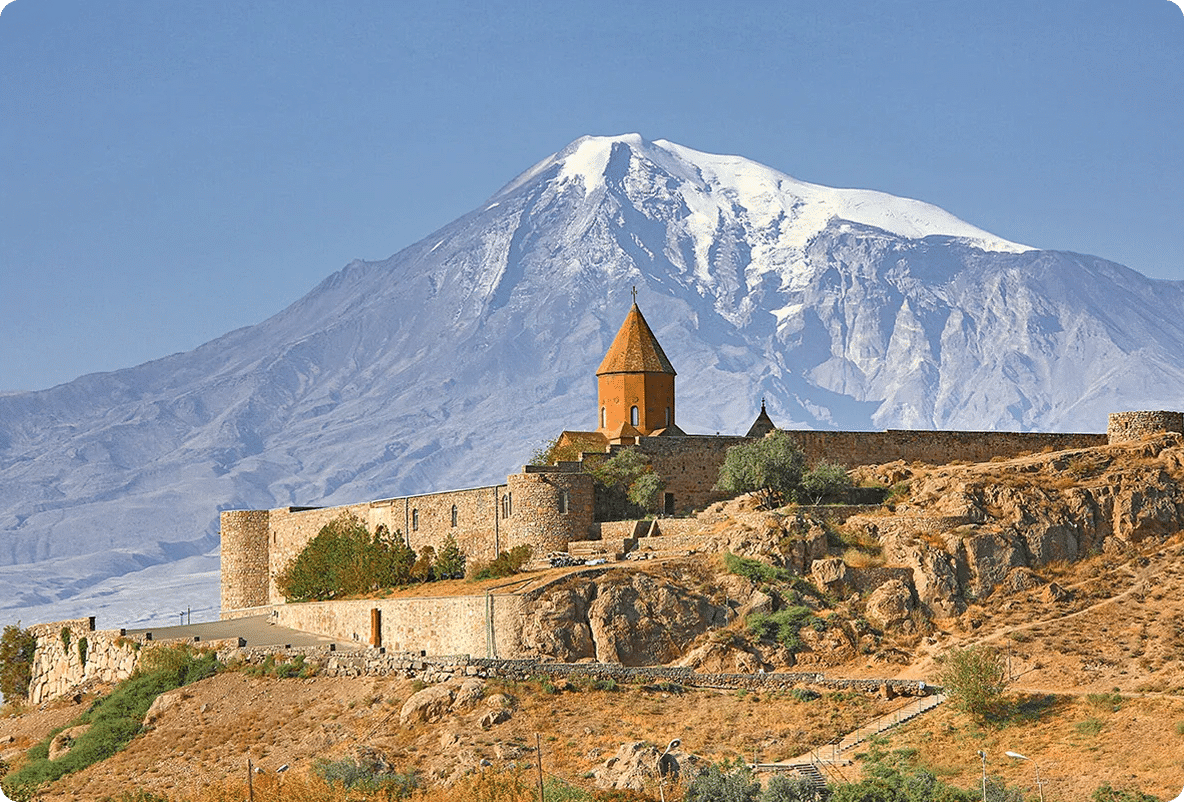
Khor Virap Monastery | A pilgrimage site on the border between Armenia and Turkey, set against the majestic backdrop of Mount Ararat. Legend holds that Saint Gregory was imprisoned here for thirteen years, making it a symbol of Armenia's Christian faith.
The three Caucasus nations sit side by side—from the Caspian coastline of Azerbaijan, through the snow-capped mountain valleys of Georgia, to the sacred monasteries of Armenia—crossing borders takes just a few hours' drive. In a mere 11-day journey, you can witness the collision of three religions, languages, and cultures, making this one of the rare regions in the world where you can "traverse three civilizational spheres in a single trip." Although often grouped together as the "three Caucasus countries," each nation has a distinct personality:
- Azerbaijan feels like the crossroads of Central Asia and the Middle East—passionate, mysterious, and brimming with modern energy
- Georgia carries a European flair and the romance of wine culture
- Armenia represents depth of faith and history, speaking of the past with a quiet yet unwavering presence
Comparison of Tourism Highlights: The Three Caucasus Countries
Country | Religion | Cultural Style | Iconic Landmarks | Travel Impression |
Azerbaijan | Islam | Persian × Turkish influence | Baku Old City, Flame Towers | Land of Fire, a fusion of modernity and tradition |
Georgia | Eastern Orthodoxy | European × mountain culture | Gergeti Trinity Church, Mtskheta | Wine and mountainous scenery |
Armenia | Armenian Apostolic Church | Ancient Christian faith, rich history | Khor Virap Monastery, Mount Ararat | Serenity, solemnity, and the beauty of faith |
The differences among these three countries make for a rich and layered journey. Whether you wish to see World Heritage Sites, savor wine culture, or explore religion and history, the "Three Caucasus Countries Combined Tour" is the best way to experience the allure of Europe and Asia meeting in one trip.
To truly understand the multi-layered culture of the three Caucasus nations, sightseeing alone is not enough. DeWonder Travel'sCaucasus In-Depth Tour lets you do more than just "see the scenery" — you'll step right into daily life at this crossroads of Europe and Asia. With over a decade of in-depth travel experience, the DeWonder team has carefully curated a route that takes you from magnificent monasteries and former Soviet relics to countryside wineries and family kitchens, witnessing the interweaving of history, culture and human warmth. Highlights of DeWonder's Caucasus In-Depth Tour
- A decade of experience, deeply curated: Explore routes that ordinary tour groups never reach, bringing you close to local history and culture on the ground.
- Exclusive cultural exchanges: Share a meal with herders, learn to prepare traditional dishes, or try the Duduk instrument — truly feel the warmth of local life.
- Immerse in local livelihoods: Visit tin-shack settlements and rural households to learn residents' real stories and beliefs.
- Bringing history to life: From Soviet-era relics to medieval monasteries, experience the changing eras of the Caucasus.
- Comprehensive cultural experiences: From winemaking to music and art, every leg of the journey blends intellect and emotion.
- Small group departures: An average of 8–14 travelers, striking the perfect balance between comfort and interaction.
This journey is more than just a photo opportunity — it's an exploration of culture, history and self-connection. Set off with DeWonder to the three Caucasus nations now. 👉 View year-round departure dates for the Caucasus In-Depth Tour DeWonder Caucasus In-Depth Tour Information Pack 👉 Click to Download