
What is the Tibetan Shoton Festival? Event Dates, Must-See Highlights & Travel Tips
The Shoton Festival is Tibet's grandest celebration, blending Buddha thangka unveiling, Tibetan opera, and citywide picnics to showcase a unique religious and cultural atmosphere; in spring, you can also enjoy the sea of peach blossoms against snow mountains at the Nyingchi Peach Blossom Festival, offering a completely different travel experience.
When most people think of Tibet, images of the Potala Palace, the sacred Namtso Lake, or majestic snow-capped plateaus usually come to mind. But Tibet actually offers an experience that lets you truly step into the heart of Tibetan culture—the Shoton Festival. This centuries-old festival is not only an expression of religious faith but also the grandest social event of the year for Tibetans. If you're planning a trip to Tibet, joining the Shoton Festival is absolutely the best way to get close to local life; and in spring, the "Nyingchi Peach Blossom Festival" adds yet another scenic dimension to your itinerary. This article will guide you through the origins, event dates, and must-see highlights of the Shoton Festival, along with practical travel tips.
Tibet's festival culture is deeply rooted in Tibetan Buddhism and nomadic traditions. For Tibetans, festivals are not just moments of joyful gathering, but also part of religious practice—expressing devotion to their faith through rituals and celebrations.
- Religious Influence: Many festivals are closely tied to the Buddhist calendar and temple rituals. For example, the Shoton Festival originated from the "yogurt banquet" held after monks completed their summer retreat.
- Connection to Daily Life: Tibet's unique geography and climate mean that farming and herding rhythms are closely tied to nature, and many festivals incorporate prayers for good harvests and health.
- Socializing & Entertainment: Festivals are also occasions for Tibetan families and communities to connect. The Shoton Festival, for instance, isn't just about unveiling Buddha thangkas and watching Tibetan opera—it's a citywide celebration of picnics, singing, and dancing.
The word "Shoton" comes from Tibetan, where "Sho" means yogurt, and "ton" means banquet. It dates back to the 11th century, when monks would retreat into meditation during the summer (a practice known as the summer retreat) to avoid accidentally stepping on small creatures while out and about. After the retreat ended, local Tibetans would prepare yogurt to reward the monks—a tradition that gradually evolved into a major festival celebrated across the Tibetan region. Over time, the Shoton Festival evolved beyond a mere interaction between monks and devotees, gradually incorporating the Buddhist Sunning-of-the-Buddha ceremony and folk entertainment activities, becoming a grand festival that combines religion, social gathering and culture.
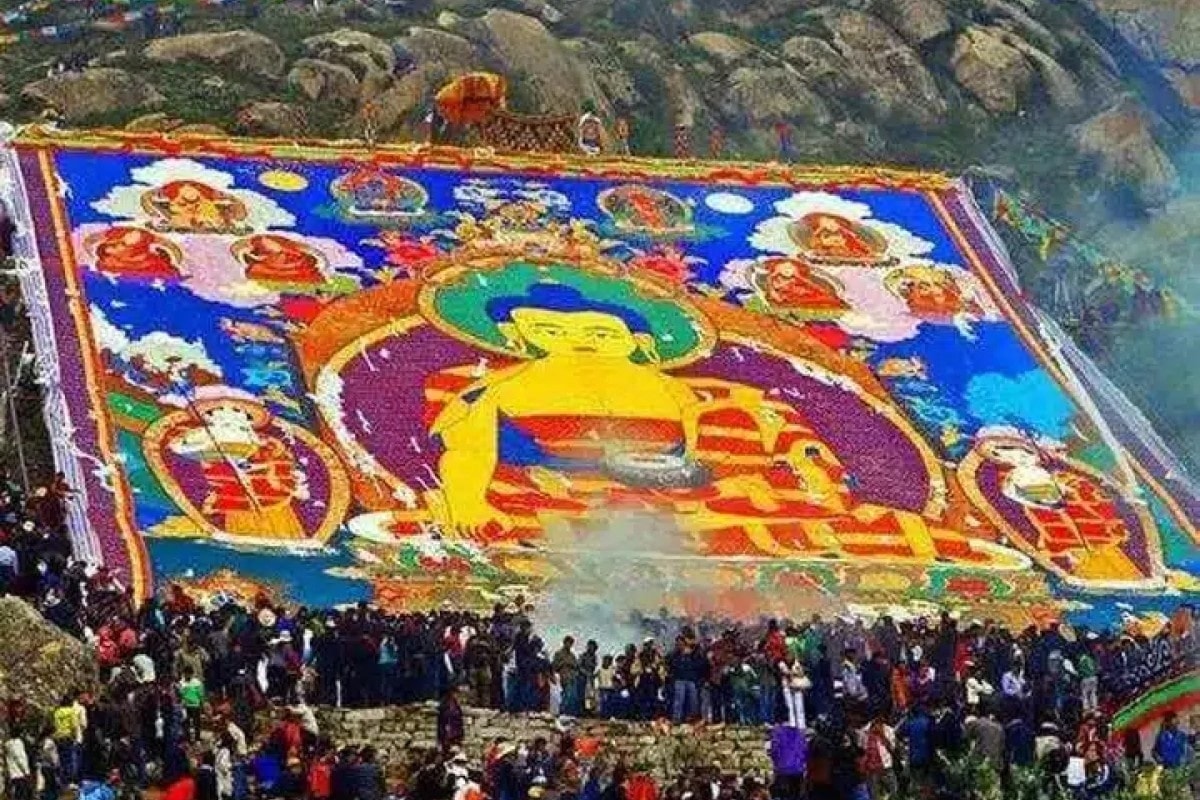
- Religious Significance: The "Sunning of the Buddha" ceremony held at places such as Drepung Monastery and Sera Monastery is the core highlight of the Shoton Festival. A giant thangka is unfurled under the sun, symbolizing the radiant light of Buddhist teachings spreading everywhere, and devotees believe this is a moment to receive extraordinary blessings.
- Cultural Performances: Since the 14th century, Tibetan opera has gradually been incorporated into the Shoton Festival, and it has since become one of Tibet's most important intangible cultural heritages. The Tibetan opera performances at Norbulingka draw large crowds every year, creating a lively and festive atmosphere.
- Folk Festivities: As religious and cultural activities developed, the Shoton Festival gradually evolved into a carnival for all Tibetans. Many families bring food to picnic on the lawns of Norbulingka, singing and dancing together with relatives and friends in a joyful and lively atmosphere.
The date of the Shoton Festival is not fixed, but begins on the 30th day of the sixth month of the Tibetan calendar, so it varies slightly each year on the Gregorian (solar) calendar. Generally speaking, the Shoton Festival falls from mid to late August, sometimes delayed until early September. The festival usually lasts abouta week:
- First half: Centred on religious ceremonies such as the Thangka Unveiling at Drepung Monastery
- Second half: Moves to the Norbulingka Palace, featuring Tibetan opera performances and folk celebrations.
💡Travel Tip: If you're planning to visit Tibet for the Shoton Festival, it's advisable to check the exact dates for that year in advance and book accommodation and transport early, as Lhasa welcomes a huge influx of travellers and pilgrims during the festival period.
The highlight of the Shoton Festival is undoubtedly the Thangka Unveiling at Drepung Monastery. In the early morning, monks slowly unfurl a giant thangka spanning dozens of metres, covering the entire hillside. The Buddha image gleams in the sunlight, symbolising the illumination of the Dharma, as devotees reverently bow and pray, believing they can receive special blessings at this moment. For travellers, this is a dual feast for the eyes and the soul — regardless of religious belief, everyone present is deeply moved by the solemn atmosphere.
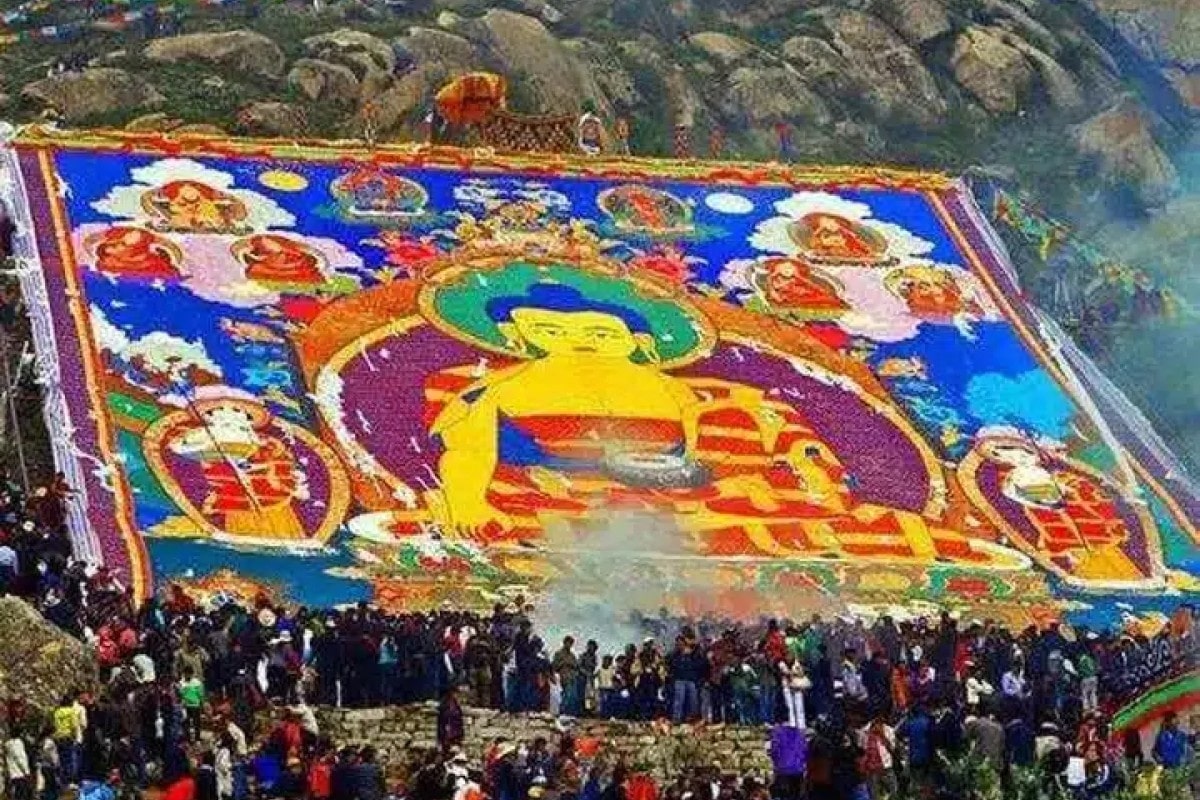
The Thangka Unveiling ceremony at Drepung Monastery, with a giant Buddha thangka unfurled on the hillside as crowds gather to worship — one of the most important religious events of Tibet's Shoton Festival.
During the Shoton Festival, a grand Tibetan opera performance is held at the Norbulingka Palace. This art form, with over 600 years of history, blends song, dance, storytelling, and religious symbolism, and is celebrated as "the living literature of the Tibetan people." Performances often last for several hours or even an entire day, with actors donning elaborate masks and costumes to portray the struggle between good and evil and Buddhist tales through exaggerated movements and singing. Even without understanding Tibetan, audiences can still feel the intense emotion and dramatic tension radiating from the performance.
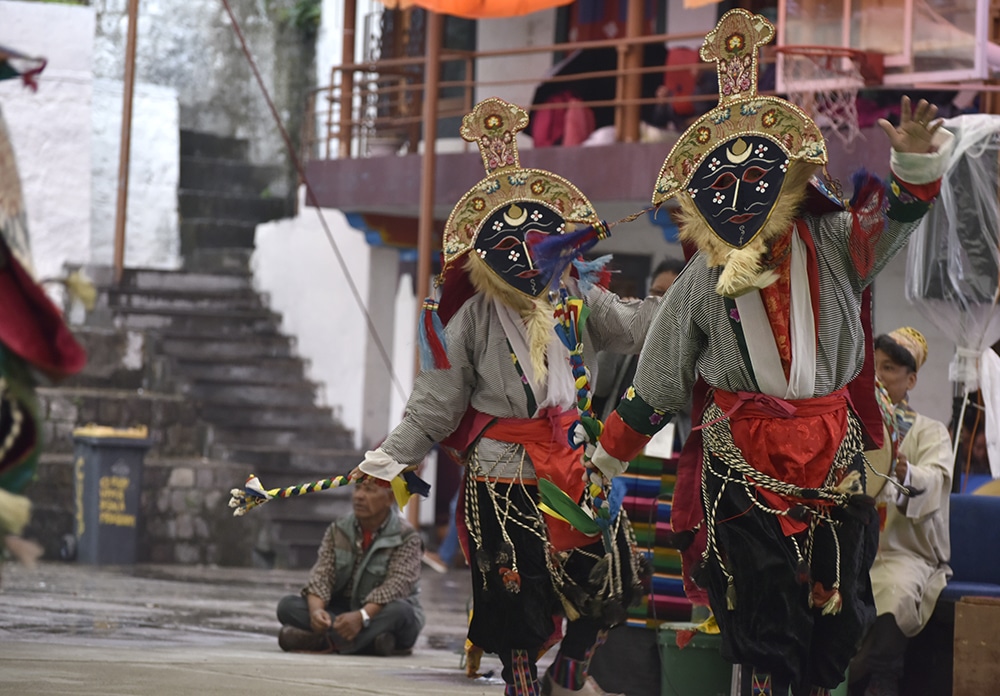
Performers wearing ornate masks stage Tibetan opera during the Shoton Festival—a performance art blending song, dance, and religious symbolism, recognised as part of Tibet's intangible cultural heritage. Photo credit : Central Tibet Administration by Tenzin Phende/DIIR
Beyond its religious and cultural significance, the Shoton Festival is also a grand celebration for the Tibetan people. Within Norbulingka (Jeweled Garden in English), families bring food and butter tea to picnic, sing, and dance on the lawns. For Tibetans, this is more than just a festival—it's a rare opportunity for social gathering and leisure throughout the year. For visitors, it's a chance to join in the celebrations alongside locals and experience the true warmth of Tibetan hospitality.
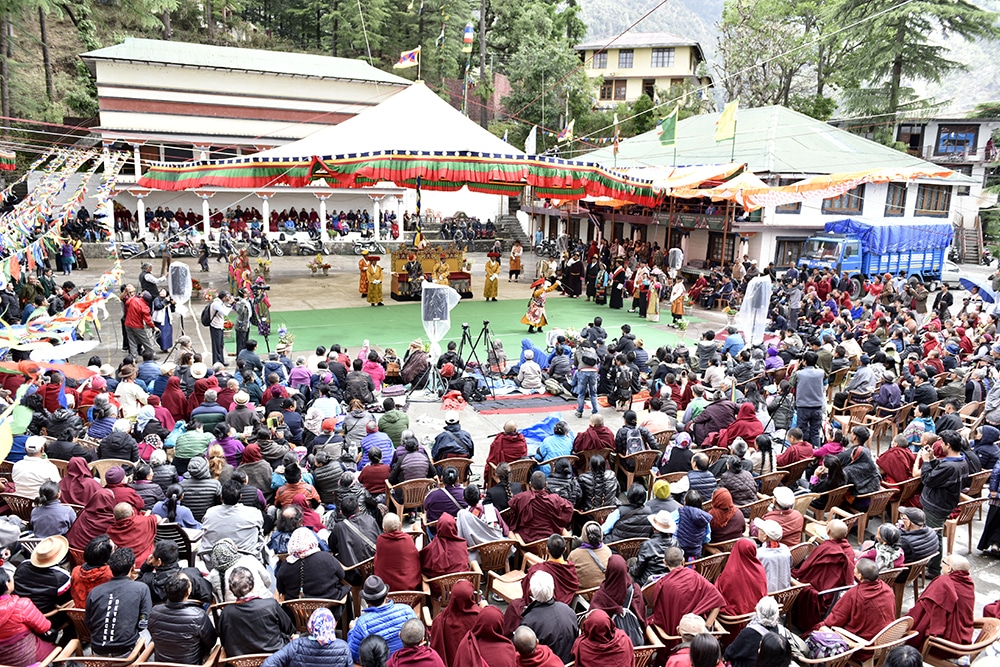
During the Shoton Festival, grand Tibetan opera performances are staged within the Norbulingka gardens, drawing large crowds and creating a lively, festive atmosphere.Photo credit : Central Tibet Administration by Tenzin Phende/DIIRKey Highlights of the Shoton Festival
Event | Location | Highlights | Recommended Experience |
Buddha Unveiling Ceremony | Drepung Monastery | A giant thangka is unfurled in a solemn, grand display | Arrive early in the morning to soak in the atmosphere |
Tibetan Opera Performance | Norbulingka | A Tibetan intangible cultural heritage, presented as a lengthy drama | Bring snacks and enjoy the performance at a leisurely pace |
Norbulingka Picnic | Norbulingka | Families and friends gather together with singing and dancing | Mingle with locals and experience Tibetan daily life |
If the Shoton Festival is Tibet's grand summer celebration, then springtime in Tibet reveals a different kind of romance through theNyingchi Peach Blossom Festival.Every year from late March to mid-April, the Nyingchi region welcomes a brief, month-long peach blossom season. The best viewing spots include:
- Gala Peach Blossom Village: Roadsides and village fields are blanketed in pale pink and white peach blossoms, making it the most famous spot for flower viewing.
- Nyang River Valley: Peach blossoms complement the winding river, with distant snow-capped mountains adding to the magnificent scenery.

During the peak of the Nyingchi Peach Blossom Festival, snow-capped mountains intertwine with pale pink peach blossoms to create a picturesque scene, making the viewing platform the perfect photo spot for visitors.
The charm of the Nyingchi Peach Blossom Festival lies not only in the sea of flowers itself, but in the atmosphere where nature and culture intertwine:
- Snow mountains + peach blossoms contrast: A rare plateau landscape that is both romantic and breathtaking.
- Tibetan folk activities: During the festival, local horse races and folk songs and dances add to the festive atmosphere.
- Photography and family travel: The rustic village atmosphere is perfect for photo shoots or family outings.
The Nyingchi Peach Blossom Festival is not a Tibet-wide event like the Shoton Festival, but for spring travelers, it's the best choice for experiencing Tibet's gentler side. If you visit Tibet in March–April, the Peach Blossom Festival can become the “surprise highlight” of your trip.

DeWonder travelers visiting Tibet during the Nyingchi Peach Blossom Festival, posing together amid the stunning scenery of snow mountains and peach blossoms, enjoying the spring-exclusive plateau romance.
Best Months to Visit for Tibetan Festivals
- Shoton Festival:Calculated according to the Tibetan calendar, it usually falls in mid-to-late August, occasionally extending into early September.
- Nyingchi Peach Blossom Festival:From late March to mid-April every year, ideal for spring travelers.
Month & Festival Reference Table
Month | Festival | Highlights |
March–April | Nyingchi Peach Blossom Festival | Snow mountains + seas of peach blossoms |
Mid-to-late August (occasionally into early September) | Shoton Festival | Thangka unveiling, Tibetan opera, community-wide picnics |
Altitude Sickness & Visa Reminders Tibet sits at an average altitude of over 3,000 metres, so most travellers experience some degree of altitude sickness upon arrival. At the same time, entry permit requirements for Tibet differ depending on your residency (Hong Kong, Taiwan, or foreign nationals). We recommend learning more before you set off — see our in-depth articles: 👉 How to Handle Altitude Sickness? A Worry-Free Travel Preparation Guide 👉 Must-Read for Travellers from Hong Kong, Taiwan & Macau: How to Apply for a Tibet Visa and Entry Permit
If you're looking to go beyond a quick glance and truly immerse yourself in Tibetan culture, joining an in-depth journey built around these festivals is the perfect choice.
- Shoton Festival In-depth Tour (8 Days 7 Nights) Witness the spectacular Buddha Thangka Unveiling Ceremony at Drepung Monastery, enjoy Tibetan opera performances at Norbulingka, and explore classic sites including the Potala Palace, Jokhang Temple, and Namtso Lake for a complete immersion into Tibet's religious and cultural heritage. 👉 Click to Download Itinerary PDF
- Nyingchi Peach Blossom Festival In-depth Tour (10 Days 9 Nights) Admire the stunning contrast of snow-capped mountains and peach blossoms in spring at Nyingchi, visiting Gala Peach Blossom Village, the Nyang River Valley, and the Yarlung Tsangpo Grand Canyon to experience the gentler side of the snowy plateau. 👉Click to Download Itinerary PDF
Whether it's the grand summer Shoton Festival or the romantic spring Nyingchi Peach Blossom Festival, both offer a once-in-a-lifetime unforgettable experience. Check out our 【Tibet In-depth Tour Itineraries】 now, and journey into the cultural heart of the snowy plateau with our expert guides! Want to learn more about Tibet's travel arrangements and pre-trip preparations?Welcome to sign up for DeWonder's【Tibet In-Depth Seminar】 During the seminar, we will explain the itinerary details, registration process and answer common questions. Feel free to contact us directly to learn more! 👉 Free Seminar : Click here to register 👉 View theFull-Year Tibet Departure Schedule 👉 Further Reading : Tibet Climate & Clothing Guide 👉 Further Reading : Must-Visit Attractions in Tibet 👉 Further Reading : Must-Visit Monasteries in Tibet