
What to Do About Altitude Sickness in Tibet? A Must-Read Guide for Worry-Free Travel
Will you get altitude sickness in Tibet? Should you take medication? How should you deal with altitude sickness? This article uses practical knowledge to dispel myths, sharing pre-trip preparation and adaptation tips so you can travel through Tibet with peace of mind.
When travelling to Tibet, the first question most people ask is: "Will I get altitude sickness?" In fact, most travellers do experience some mild discomfort upon first arriving in Lhasa or higher-altitude areas, such as headaches and reduced sleep quality, but this usually gradually improves after a day or two of rest. This article will answer common questions and provide simple tips to help you cope with altitude sickness with confidence, so you can enjoy the magnificent Potala Palace, Namtso Lake, and Everest Base Camp with peace of mind.
Tibet is known as the "Roof of the World," with an average altitude of over 4,000 metres. As altitude increases, the oxygen content in the air decreases, and the body needs time to adjust. This process is known as "altitude acclimatisation." Most people experience the following common reactions upon first arriving at high-altitude areas:
- Headache or dizziness: due to temporary oxygen deprivation to the brain.
- Insomnia: breathing is shallower at night, which may lead to restless sleep.
- Increased heart rate: the body automatically enhances blood circulation to compensate for the lack of oxygen.
- Reduced appetite: digestion is slightly slower than at lower altitudes.
💡 Reassuring Tip: These conditions are usually a "normal adaptation process" and generally improve gradually within 1-3 days, so there's no need to worry excessively. Common Altitude Sickness Symptoms vs Typical Recovery Time
Symptom | Onset Time | Recovery Status |
Headache, dizziness | Day of arrival ~ Day 2 | Usually improves after 1-2 days |
Poor sleep | First few nights after arrival | Improves after acclimatisation |
Reduced appetite | First 2-3 days | Generally doesn't affect normal activities |
Many people, upon first hearing the term "altitude sickness", assume it's dangerous and may even get cold feet. In fact, the experiences of the vast majority of travellers who have been to Tibet tell us that altitude sickness is usually just a temporary minor discomfort that won't stop you from enjoying the stunning scenery. What Most Travellers Actually Experience
- You may have a slight headache or faster heartbeat on the first day, but by the second day you can usually walk, take photos and visit attractions as normal.
- You might find it harder to fall asleep at night, but as your body gradually acclimatises, your sleep quality will naturally improve.
- A small number of people may experience a poor appetite, but normal eating usually resumes within a few days.
Why there's no need to worry too much?
- Predictable and adaptable: these reactions are all part of the body's natural adjustment process.
- There are ways to ease discomfort: resting, staying hydrated, and slowing down the pace can all help you adapt.
- The tour group will provide support: professional tour leaders and guides monitor participants' conditions and can provide oxygen or adjust the itinerary if necessary.
💡 Reassuring reminder: Only those who ascend rapidly in altitude, or who already have heart or lung conditions, need to pay extra attention. Most healthy travellers can adapt to Tibet's plateau environment quickly, as long as they follow the pace of the itinerary.

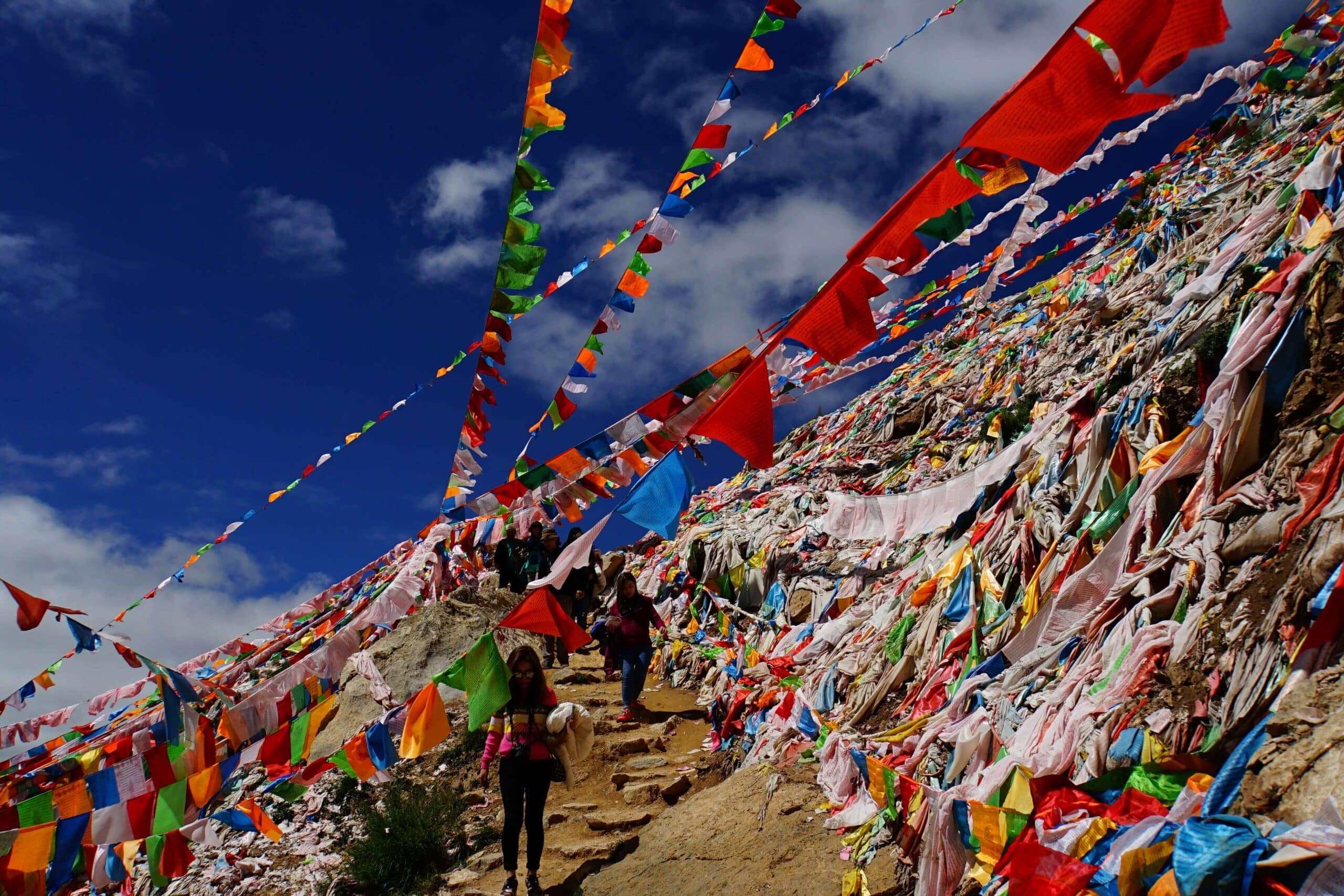
Most travellers don't need to worry too much about altitude sickness — the majority adapt within a short time, allowing them to relax and take photos like this while comfortably enjoying Tibet's magnificent scenery.
Enjoying Tibet comfortably doesn't require excessive worry — with proper preparation before departure, you can greatly reduce the discomfort of altitude sickness. Here are some of the most practical tips to help you set off with peace of mind.
- Medications and Health Supplements
- Common Western Medicines: Some travellers take Diamox (Acetazolamide) under a doctor's advice to help the body adapt to altitude.
- Chinese Medicine/Supplements: Supplements such as Rhodiola are sometimes taken in advance; although scientific evidence is limited, many travellers find them helpful.
- Everyday Medicines: Pain relievers (such as Paracetamol) and cold medicine can be brought along in case of headaches or minor discomfort.
💡 Reminder: Medication needs vary from person to person, so it's best to check with your doctor before departure to see what suits you.
- Health Check
- Travellers with heart disease, asthma, or chronic conditions are advised to have a basic check-up beforehand.
- If travelling with elderly family members or children, it's also a good idea to consult a doctor in advance for peace of mind.
- Pre-Trip Lifestyle Habits
- Regular Routine: Get enough sleep and avoid staying up late.
- Moderate Exercise: Light aerobic exercise (brisk walking, swimming) can improve stamina, though excessive training isn't necessary.
- Avoid Smoking and Alcohol: Drinking and smoking less before departure helps reduce discomfort at high altitude.
📌 Carry-On Packing Checklist
Essential Items | Purpose |
Painkillers, Cold Medicine | Relieves headaches or minor discomfort |
Diamox (doctor's advice recommended) | Helps with altitude acclimatisation |
Rhodiola or Other Supplements | Used by some travellers before departure |
Warm Clothing | Large temperature swings — avoid catching a chill |
Portable Oxygen Canister | Emergency backup, especially suitable for seniors |
💡 Reassuring Tip:There's no need to prepare too much "medical-grade gear" — most travellers only need to bring the basics to comfortably enjoy their journey in Tibet.
Even with thorough pre-trip preparation, many people still experience mild headaches, restless sleep, or fatigue during their first day or two in Tibet. This is a normal part of the acclimatisation process — with a few simple tricks, your body can adjust to the plateau environment more quickly.
- Slow Down: During your first two days, try not to rush to too many sights or engage in strenuous activity right away. Pace your itinerary to give your body time to adjust.
- Drink Plenty of Water, Avoid Alcohol: Staying well hydrated helps reduce headaches and fatigue. However, avoid caffeine and alcohol, as they can worsen dehydration or affect your sleep.
- Eat Light, Avoid Greasy Food: Digestion is slower at high altitude, so it's best to choose light meals such as vegetables and noodle soup.Eating small, frequent meals is more comfortable than eating until too full.
- Sleep Tip: You can prop your pillow up slightly higher at night to help you breathe more easily. Poor sleep quality on the first few nights is completely normal, so there's no need to worry.
- Oxygen-Enriched Hotels & Oxygen Supplements: In major cities like Lhasa, many hotels offer "oxygen-enriched rooms," giving you extra oxygen while you rest so you can adjust more quickly. If needed, you can also use a portable oxygen canister for brief relief.
💡 Reassurance Tip: As long as you follow the Four Key Principles — "Slow, Calm, Warm, Hydrate", most travelers adjust to Tibet's pace quickly and can enjoy its magnificent scenery with peace of mind.
Q1. Do I have to take medication when going to Tibet? Not necessarily. Most travelers naturally adapt within a few days simply by pacing themselves well. Medication (such as Diamox) is just an optional aid for those who want extra peace of mind. It's recommended to consult a doctor first before deciding whether you need it. Q2. Can children or elderly travelers go? Yes. Many families bring children or parents along. Recommendations:
- Don't pack the itinerary too tightly
- Prioritize hotels with oxygen-enriched rooms
- Prepare a backup oxygen canister — with a professional team by your side, most people can join the tour with confidence.
Q3. How many days does it take to adjust? Generally, your body will gradually improve within 1-3 days. You may experience headaches or insomnia on your first night in Lhasa, but by the second or third day, you'll typically be able to move around and visit sights with ease. Q4. How do you tell altitude sickness apart from a cold?
- Altitude sickness: Headache, insomnia, rapid heartbeat, but usually no runny nose or cough.
- Cold: Sore throat, runny nose, cough, usually accompanied by fever.
💡 If you can't tell the symptoms apart, it's best to rest and observe, and ask your tour guide for help finding a doctor if needed.
What should you do when altitude sickness strikes? Actually, there's no need to worry too much, as most cases can be relieved with simple methods.
- Mild discomfort (most common)
- Symptoms: Headache, rapid heartbeat, poor sleep.
- Treatment: Rest more, drink plenty of water, avoid strenuous activity. Painkillers or a brief use of an oxygen canister can help if necessary.
- Moderate discomfort
- Symptoms: Persistent headache, dizziness when walking, chest tightness.
- Treatment: Slow down the itinerary, reduce outdoor activities, and try to stay in cities at lower altitudes (such as Shigatse). If there's no improvement, seek help from a local hospital or clinic.
- Severe discomfort (rare)
- Symptoms: Severe difficulty breathing, intense headache with persistent vomiting, inability to walk.
- Treatment:This situation is less common, but if it does occur, immediate medical attention is needed, or you should descend to a lower altitude as soon as possible.
💡 Reassurance Tip:Joining a professional tour group offers more protection. Tour leaders and guides have experience handling such situations and can help adjust the itinerary, or even arrange medical treatment or descent, so travelers are never left helpless.
If you want to fully enjoy Tibet's magnificent scenery without worrying about altitude sickness, the key actually lies in choosing the right itinerary and a professional team.
- Gradual Route Design: If the itinerary allows for a gradual increase in altitude—for example, staying first in Lhasa (3,650m), then heading to Shigatse, and finally reaching Everest Base Camp—the body has ample time to acclimatize, making it safer and more comfortable than ascending quickly.
- Small Group Travel for More Attentive Care: A small group format allows tour leaders and guides to take better care of each traveler, so if anyone feels unwell, arrangements can be adjusted immediately.
- Oxygen-Enriched Hotels for More Restful Sleep: Arranging an "oxygen-enriched hotel" in Lhasa allows you to receive extra oxygen while resting at night, helping you adapt to the plateau environment more quickly.
- Professional Tour Leaders and Local Support: Experienced tour leaders will monitor group members' conditions throughout the journey, providing oxygen or arranging medical assistance when necessary. Whatever unexpected situations arise during the trip, professional support is always at hand, so you have nothing to worry about.
💡 Reassurance Tip:Altitude sickness shouldn't be a reason to stop you from exploring Tibet. As long as you choose the right approach, you can take care of your body while enjoying the magnificent views of the Roof of the World.
Altitude sickness really isn't something to fear—with proper preparation, you can enjoy the magnificent scenery of the Roof of the World with peace of mind. If you want to balance safety with an in-depth experience, choosing the right tour group is what matters most. DeWonder【In-Depth Tibet Tour】Highlights
- Gradual itinerary design for step-by-step altitude acclimatization
- Small group travel (8–14 people), providing more attentive care
- Stay at the 【Chunqiu Oxygen-Enriched Hotel】 in Lhasa, for more restful sleep
- Professional tour leader + Tibet expert accompanying the group, for greater protection against altitude sickness
- In-depth experiences: Potala Palace, Namtso Lake, Everest Base Camp, Tibetan family exchange, Thangka painting workshop
Want to learn more about the Tibet itinerary and pre-trip preparations? Feel free to sign up for DeWonder's 【In-Depth Tibet Seminar】 During the seminar, we'll explain the itinerary details, registration process, and common questions—feel free to contact us directly for more information! 👉 Free Seminar: Click Here to Register 👉 Check outOur Full-Year Tibet Tour Schedule 👉 Further Reading: Tibet Climate & Clothing Guide 👉 Further Reading: Must-Visit Attractions in Tibet