
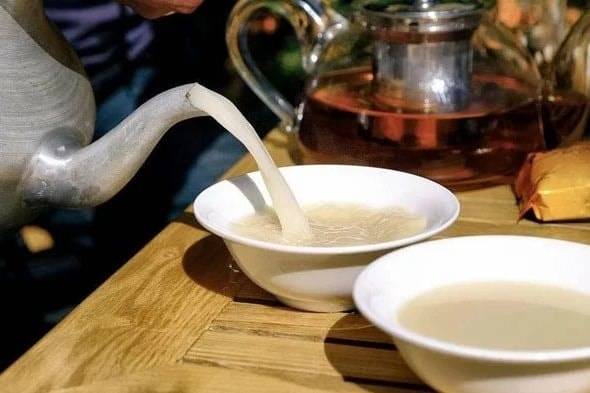
What to Eat When Travelling to Tibet? Must-Try Foods and Food Culture Tips
Starting from the plateau dining table, this article introduces the must-try foods and food culture commonly found on a Tibet trip, helping you understand the everyday life behind tsampa, Tibetan noodles, and butter tea.
When it comes to travelling in Tibet, most people first think of the plateau scenery and religious culture. But when actually planning an itinerary, one of the most common questions is: What exactly do you eat in Tibet? This article starts from the dishes you'll actually encounter on your trip, introducing must-try foods in Tibet along with some tips for understanding the local food culture, helping you build a clear picture before you set off.
On your first trip to Tibet, the food you actually eat is often more simple and closer to everyday life than you might imagine. Due to the influence of the plateau environment and climate conditions, Tibetan cuisine mainly focuses on being cold-resistant, high in calories, and easy to preserve, with dishes mostly thoroughly cooked and served hot. Overall, the common types of food you'll encounter during your trip generally include:
- Staple-centred dishes: Such as tsampa, noodles, or rice, which are the most important source of energy on the Tibetan dining table.
- Beef, mutton, and Tibetan home-style dishes: Meat dishes are mostly stewed or simply seasoned, emphasising the natural flavour of the ingredients rather than elaborate techniques.
- Warm beverages: Such as butter tea or sweet tea, commonly enjoyed as everyday drinks alongside meals.
This dietary structure isn't about pursuing variety in dishes, but rather stems from eating habits shaped by long-term adaptation to life on the plateau. For most travellers, understanding these food types in advance makes it easier to adapt during the actual experience, and helps you better understand the relationship between Tibetan food and daily life.
The distinctiveness of Tibetan cuisine lies not in complicated preparation methods, but in how it responds to the plateau environment and the needs of daily life. Below is a summary of several representative dishes you'll actually encounter on your trip, along with a brief explanation of each one's culinary characteristics.
Dish | Key Features |
Tsampa | A staple food made from roasted barley flour, with a hearty texture; can be enjoyed with butter tea or hot water according to personal preference |
Tibetan Noodles | Light broth with simple toppings, usually served hot, well-suited to the plateau climate |
Tibetan-Style Beef and Mutton Dishes | Typically stewed, with uncomplicated seasoning that highlights the natural flavours of the ingredients |
Butter Tea | Made from tea, butter and salt, this is one of Tibet's most iconic everyday beverages |
Sweet Tea | Mild and slightly sweet in taste, commonly found in teahouses and easily enjoyed by visitors |
Tibetan Home-Style Dishes | Prepared using everyday cooking methods, with slight variations depending on the region and household |
Tibetan cuisine is characterised by its simplicity, warmth and satisfying nature, reflecting a way of eating deeply rooted in everyday life.

Tsampa | Tibet's most iconic staple food. Made from roasted barley flour, it has a hearty texture and serves as an important energy source in the daily diet of plateau regions, best embodying Tibet's down-to-earth food culture.
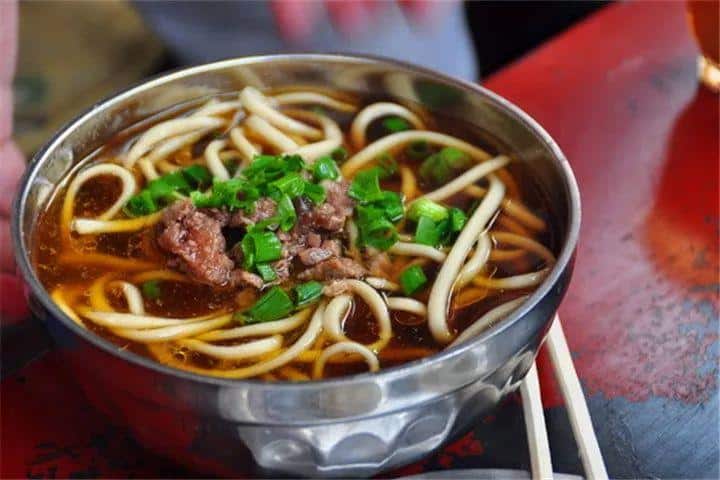
Tibetan Noodles|One of the warmest bowls of noodles in plateau daily life. With a light, refreshing broth and simple noodles, it's often paired with a small amount of sliced meat and chopped scallions. It's a common hot dish during travels in Tibet, perfect for enjoying in the plateau environment.
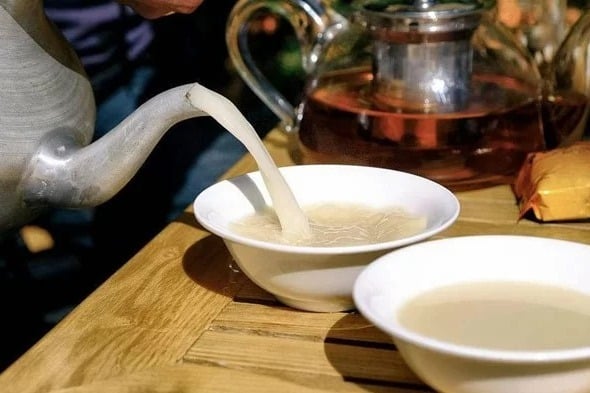
Butter Tea|An indispensable drink in daily Tibetan life. Made from tea, butter, and salt, it has a rich, warm and smooth taste, and is commonly served at meals and when receiving guests—an important everyday drink in plateau life.
Tibetan food culture isn't about presenting variety or refinement—it's the result of long-term adaptation to the plateau environment and living conditions. The following bits of knowledge help us understand the context behind the Tibetan table.
- The Plateau Climate Shapes Dietary Structure: High altitude and cold climate mean Tibetan cuisine places special emphasis on calories and satiety. Dishes are centered mainly on hot food and staples, helping the body adapt to the environment.
- Diet Prioritizes Practical Living Needs: Tibetan cuisine emphasizes simplicity, practicality, and durability, rather than elaborate techniques—it's a way of eating closely tied to local daily life.
- Tibetan Buddhism's Influence on Diet Leans Toward the Spiritual: Religion has a profound influence on rituals and values, but it does not universally require vegetarianism in daily meals — actual eating habits are still shaped mainly by environmental conditions and everyday needs.
- Differences in Vegetarian Culture Between Tibet and Bhutan: Although both regions are influenced by Tibetan Buddhism, their dietary patterns differ. Due to religious and policy factors, Bhutan's overall environment is relatively vegetarian-friendly; Tibet, on the other hand, is constrained by the plateau environment, and daily meals still center on beef, lamb, and dairy products. 👉 Further Reading: 【Bhutan Cuisine Guide】
Overall, Tibetan cuisine is a food culture that exists in service of life. Once you understand this background and these bits of knowledge, you can better appreciate the connection between cuisine and daily life.
When planning a Tibet trip, many people worry most about whether they can easily adapt to the food. In reality, most meals travelers encounter along the way are fully cooked, served hot, and lightly seasoned — as long as you keep a few basic principles in mind, there's no need to worry excessively. Below are answers to some of the questions travelers ask most often:
A: Overall, Tibetan cuisine is not heavily seasoned — most dishes lean toward natural or simple flavors. If you find the taste too strong, you can balance it by pairing it with noodles or staple foods.
A: Butter tea is an iconic everyday drink, but it's not required at every meal. Along the way, you can usually choose sweet tea or other regular hot beverages instead, adjusting to your own preferences.
A: In high-altitude areas, it's recommended to focus on hot food, drink an appropriate amount of water, and avoid overly greasy meals or eating too much at once, giving your body time to gradually adapt to the environment.
A: If you have a naturally sensitive stomach, you can opt for simpler dishes such as noodles, rice, or soup during the first few days of the trip, avoiding trying too many new flavours at once. Once your body has adapted, you can gradually adjust your diet with more peace of mind.
The food on a Tibet trip isn't as distant or hard to adjust to as you might imagine. The dishes commonly encountered along the way are mainly staple foods and hot dishes, simply seasoned and close to everyday life. Once you know what kinds of dishes you'll be eating, the actual experience becomes more reassuring, and it's easier to understand the relationship between food and life on the plateau. If you'd like to experience these everyday Tibetan dishes and food culture with ease during your trip, DeWonder'sTibet In-Depth Touritinerary already includes local meal arrangements, so you can devote your energy to the plateau scenery and culture itself. DeWonder has specialised inTibet In-Depth Toursfor 10 years, with professional teams leading small groups of 8-14 travellers deep into Tibet's classic cultural itineraries. 👉Learn more about DeWonder's featuredTibet In-Depth Tour
DeWonder Tibet In-Depth Tour Information Pack 👉 Click here to download DeWonder Tibet In-Depth Tour👉 ViewFull Year Departure Schedule 👉 Further Reading: Tibetan Culture Guide