
What's Fun in Armenia? 8 Must-Visit Attractions: Monasteries × Ancient Civilization in One Guide
Want to explore Armenia? This curated list of 8 must-visit attractions takes you through monasteries, ancient civilization ruins, Yerevan's urban culture, and the scenic Caucasus valleys — the perfect introduction to Armenia.
Located in the Caucasus, Armenia is a nation steeped in ancient civilization and monastic culture. It boasts some of the world's earliest Christian heritage sites, distinctive volcanic terrain, the pink-hued capital of Yerevan, and unforgettable historical memory. If you want to truly understand the story of this land rather than just admire its scenery, Armenia will surely surprise and delight you. Below, we'll quickly walk you throughthe 8 must-visit attractions in Armenia, and explain why more and more travelers are choosing to explore this culturally rich country.
Armenia's charm doesn't lie in "the busier, the better," but rather in going deeper the further you travel. Here, millennia-old monasteries, the natural beauty of volcanic canyons, and the depth of national history add a layer of reflection and emotion to your journey.
Armenia was the first nation in the world to adopt Christianity as its state religion, and its thousand-year-old monasteries are scattered across valleys and cliffsides. Their architecture and spiritual symbolism run deep, making them the most unforgettable part of any visit.
The deep blue of Lake Sevan, the basalt columns of Garni Gorge, and the view of Mount Ararat from Khor Virap all form postcard-perfect natural scenes.
Armenia's story is profound and uniquely perspective-driven. Yerevan retains the texture of its Soviet-era urban fabric, while the Armenian Genocide Memorial offers travelers crucial context for understanding this nation's resilient spirit.
The best way to truly understand Armenia is to start with its most iconic attractions. The following 8 destinations combineancient civilization ruins, UNESCO World Heritage monasteries, the pink capital of Yerevan, urban culture, and Caucasus natural landscapes, making them the most searched — and most worth visiting in person — spots for travelers from Hong Kong, Macau, and Taiwan.
Gyumri is Armenia's second-largest city, renowned for its handicrafts, artists, and traditional family culture. The city's streets preserve Soviet-Russian architecture and local stone styles, allowing visitors to read Armenia's modern history through the city's appearance. Common highlights of the itinerary include:
- Holy Savior's Church: Once destroyed in the 1988 earthquake, now restored, it is a spiritual symbol of the city
- Vartanants Square (Freedom Square): The center of residents' lives and activities
- The mix of black and white stone architecture on the streets is Gyumri's most representative urban aesthetic
This place is not as modernized as Yerevan, but it retains the purest essence of Armenian culture.

Gyumri City Center (Gyumri)|A historic old town with mountains as backdrop, showcasing the unique architectural style and cultural daily life of Armenia's second-largest city. By Kumayri Gyumri - Gyumri general view, CC BY 2.0
Built in the 19th century, the Black Fortress was an important defensive stronghold of the Russian Empire in the Caucasus. The structure is circular in shape and sits atop the city's highest point, offering sweeping views over all of Gyumri and the distant mountains. Highlights:
- Original stone construction preserved, exuding a strong military atmosphere
- One of the few historic buildings in Gyumri that survived the earthquake largely intact
- The hilltop view is perfect for capturing panoramic shots of the city
We especially recommend visiting at dusk, when the fortress's shadows intertwine with the sunset light for a truly dramatic effect in photos.

Black Fortress|A circular fortress built by the Russian Empire in the 19th century, standing atop a hill in Gyumri, overlooking the city and surrounding valleys. By Armineaghayan - Own work, CC BY-SA 3.0
Domik was a temporary settlement built after the devastating 1988 Armenian earthquake. Originally intended to last only a few months, economic hardship and delayed reconstruction meant some residents ended up living there for over a decade, eventually forming a unique community. What you'll see:
- Tin-roofed houses left behind after the earthquake
- How residents have sustained their lives under difficult conditions
- In-depth family visits, listening to their earthquake stories and memories of growing up
- Children's learning environments, family handicrafts, and everyday courtyard life
Compared to other sights, Domik is the best place to truly understand the resilience and daily life of the Armenian people. Many travelers say this home visit becomes the warmest and most touching moment of the entire journey.
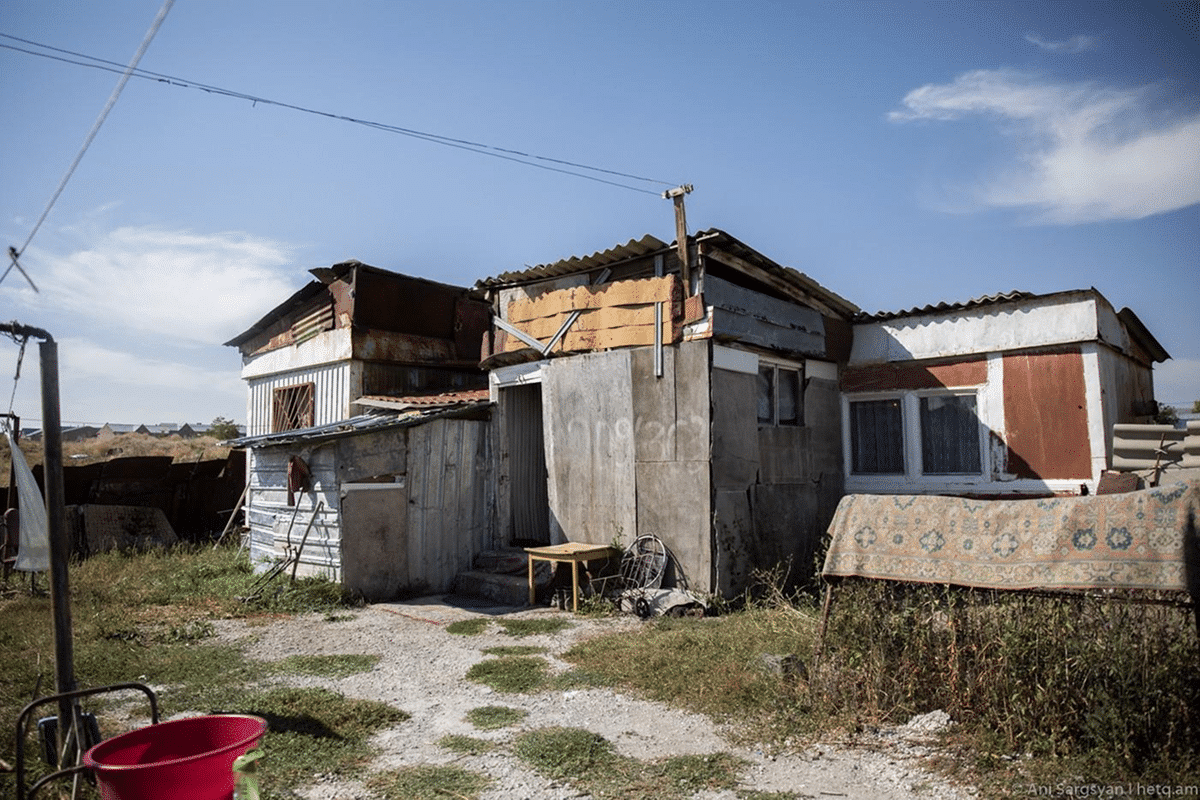
Domik Tin-House District|Built as temporary shelter after the 1988 earthquake, it has become an important place documenting the resilience and life stories of Gyumri's residents.
Armenia is home to one of the world's earliest wine civilizations, and Voskevaz Winery, blending tradition with modernity, is one of the most representative winery experiences in the country. Highlights include:
- Learn about the Armenian underground clay jar (Karas) winemaking method
- Wine tasting experience (red wine, white wine, traditional amber wine)
- The winery's stone architecture combined with artistic style makes for beautiful photos
- Both the courtyard and cellar spaces are full of history
This is the perfect place to slow down and savour Armenia's unique flavours and warmth.
Yerevan is the capital of Armenia, known as the "Pink City" because the city is largely built from pink volcanic stone. Here, Soviet urban planning, hipster café culture, modern art and historical memory come together, making it the most layered stop of the trip. Must-visit recommendations:
- Republic Square: The heart of the city, with a stunning night view
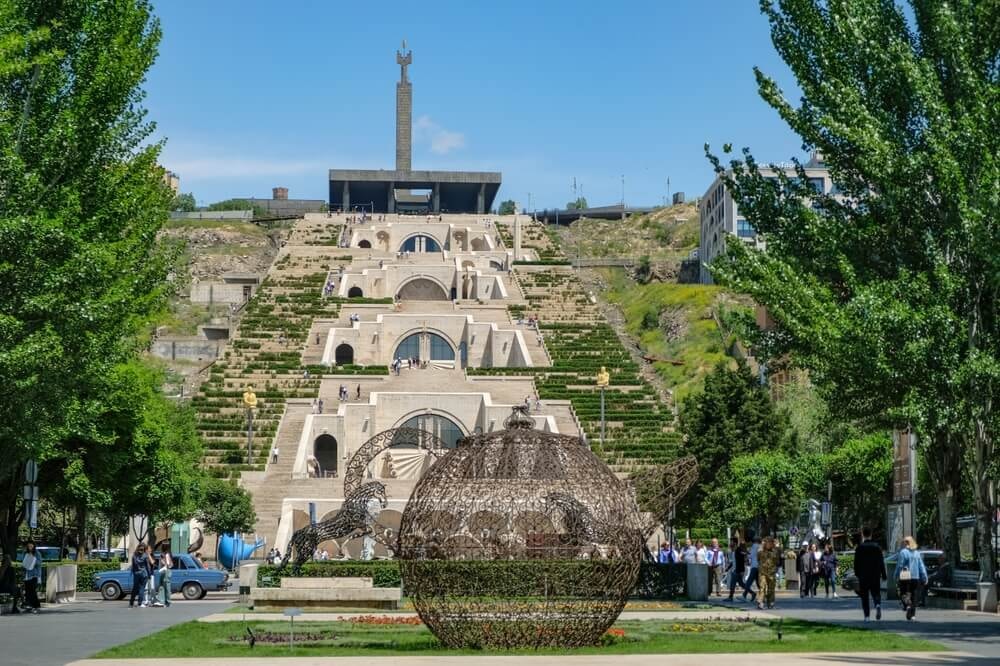
- Cafesjian Art Center (Cascade Steps): The best spot to overlook the city
- Armenian Genocide Memorial (Tsitsernakaberd)
- Documents the 1915 genocide, displaying survivor testimonies, historical artifacts and original documents
- The exterior monument symbolizes an eternal flame, with an atmosphere both solemn and powerful
Many travelers say that after visiting the memorial, they gain a deeper understanding of the resilience and identity of the Armenian people.
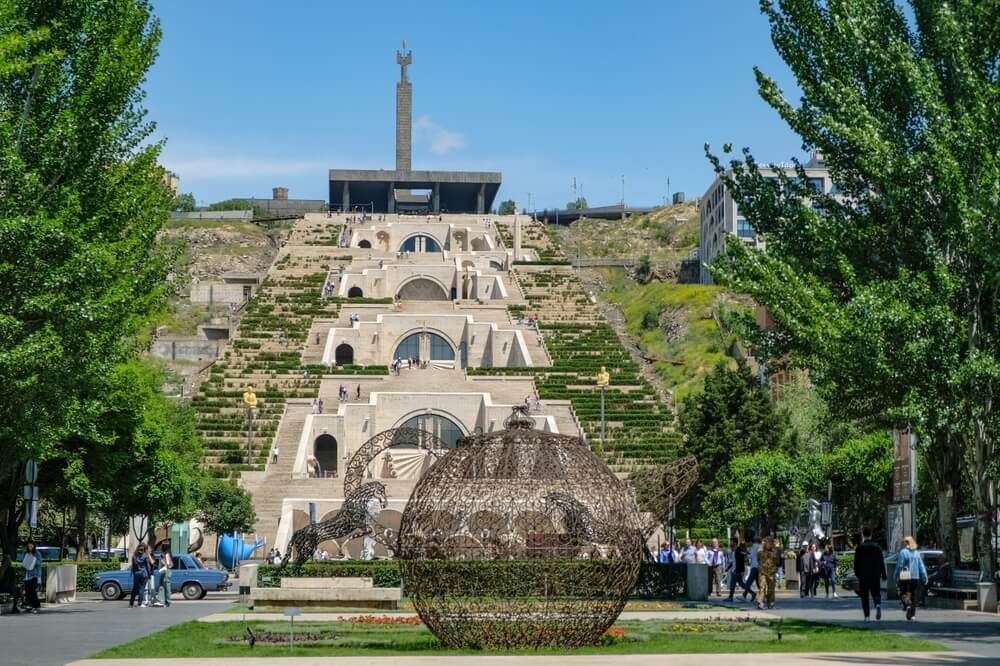
Cascade Complex | Yerevan's most iconic city landmark, offering panoramic views of the entire Pink City from the top of the steps.
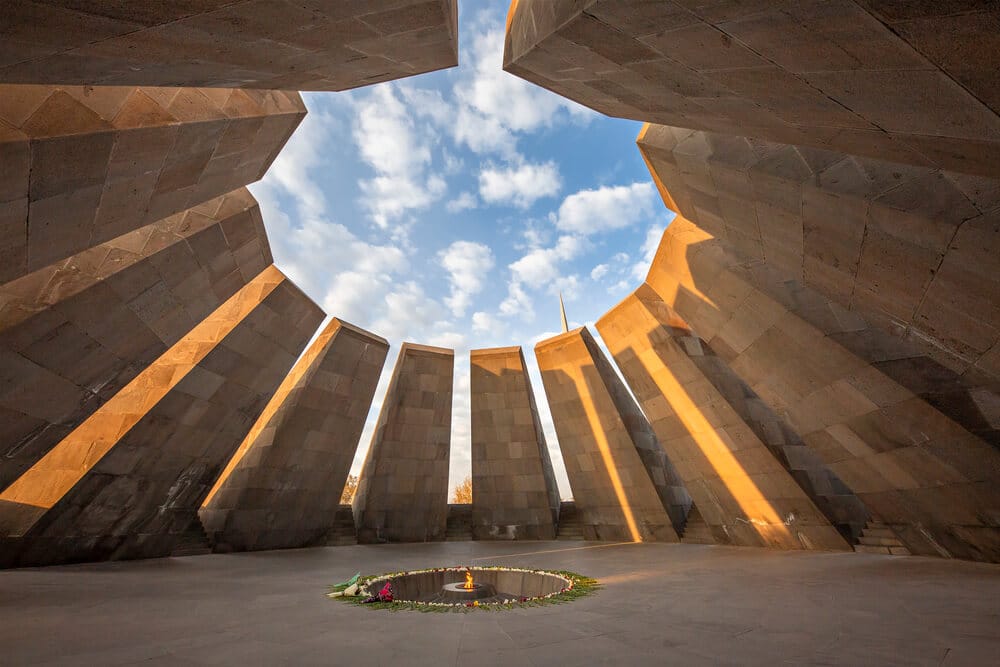
Armenian Genocide Memorial Complex (Tsitsernakaberd) | A commemorative space symbolizing an eternal flame, solemnly designed to honor the history and collective memory of 1915.
Garni Temple is the only surviving pagan temple in Armenia and a symbol of the ancient Armenian kingdom. Built with Greek-style colonnades, it is exceptionally rare in the Caucasus region.
- Creates a striking visual effect against the surrounding valley landscape
- Near the basalt column landscape of Garni Gorge
- Diverse photo angles make it a highly searched spot among Hong Kong and Macau travellers
7️⃣ Geghard Monastery|A World Heritage Monastery Carved into the Rock Part of Geghard Monastery is carved directly into the mountainside, making it one of Armenia's most sacred and iconic monasteries, listed as a UNESCO World Heritage Site.
- The valley scenery paired with ancient stone walls creates an incredible atmosphere
- Some spaces are entirely formed of rock, and the effect when light streams in is truly stunning
- Located close to the Temple of Garni, offering the trip's most classic combination of nature and culture
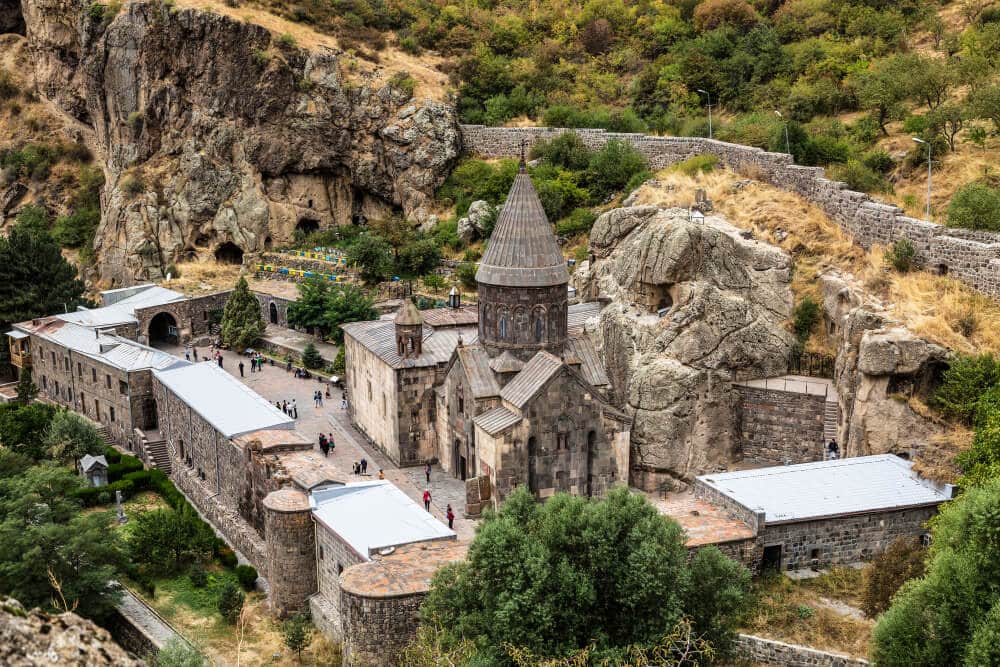
Geghard Monastery|A World Heritage Site partly carved directly into the rock face, where the valley terrain and stone monastery create a breathtaking scene.
Khor Virap is the best spot to view Mount Ararat
- Best View of Mount Ararat: Most beautiful at dawn and dusk
- The monastery was built on the site of an old dungeon, marking an important starting point in the story of Armenian Christianity
- Light-pollution-free plains views, perfect for photography
As long as the weather cooperates, this is absolutely the most breathtaking scene of the entire trip.
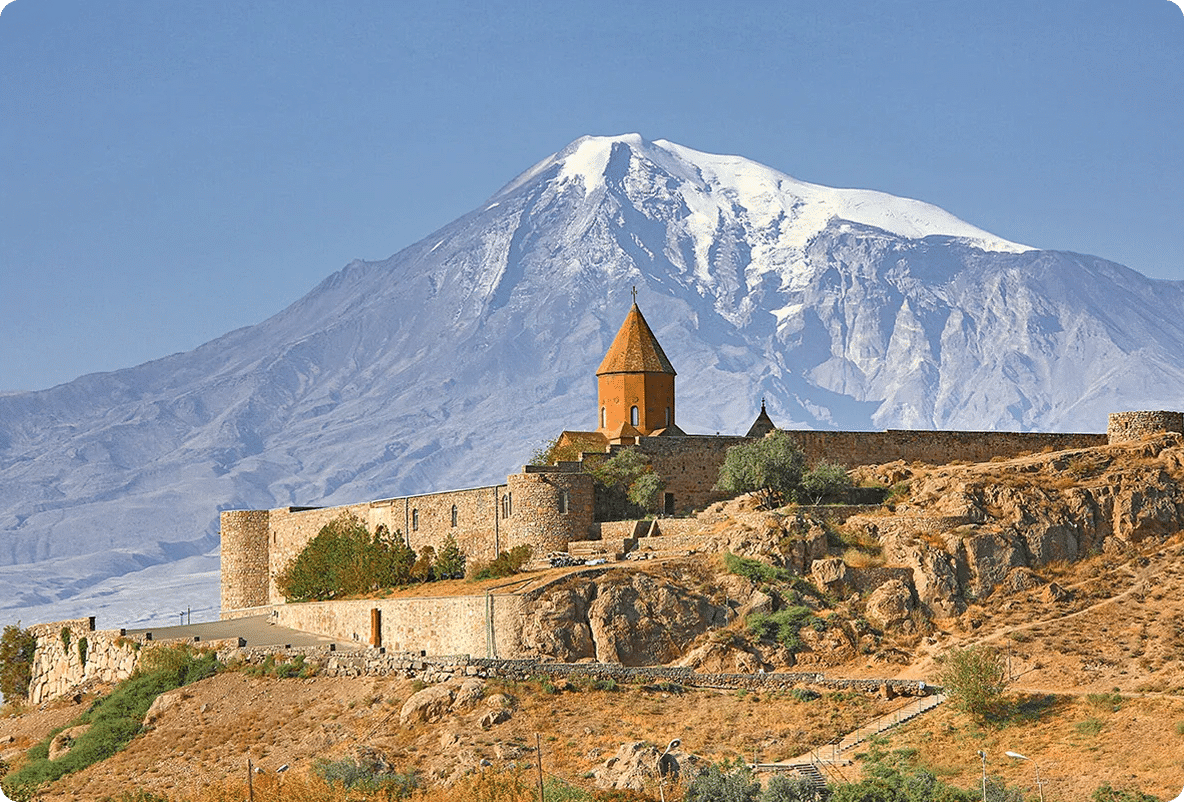
Khor Virap|A classic view with the snow-capped peak of Mount Ararat as backdrop, hailed as Armenia's most stunning monastery scenery.
Q1. Is Armenia safe? Is it suitable for travel? Overall, Armenia has good public safety, with the city center of Yerevan, popular attractions, and monastery areas all being very safe. What usually needs attention isn't crime, but rather:
- Mountain roads and changing weather conditions
- Longer distances between attractions
- Communication differences arising from a non-English-speaking environment
Most travellers report that it's "safer and friendlier than expected." With transport and routes arranged by a professional team familiar with the terrain and culture, your journey will be much smoother and more reassuring. 👉 Further reading: Caucasus Three Countries Travel Safety (Coming soon) Q2. Do travellers from Hong Kong, Macau and Taiwan need a visa? Is the entry process simple?
- Hong Kong and Macau travellers: Visa-free entry
- Taiwan travellers: An e-visa application is required
The entry process is simple, requiring mainly your passport, accommodation details and return flight information. The immigration process at Yerevan Airport is relatively quick and very traveller-friendly. 👉 Further reading: Caucasus Three Countries Visa Q3. Which season is best for visiting Armenia? Is it very hot or very cold? Armenia has four distinct seasons, but the best times to visit are:
- April–June (Spring): Comfortable temperatures, with lakes and valleys at their most beautiful
- September–October (Autumn): Stable weather and golden scenery — the most recommended months
- Jul–Aug (Summer): Dry and hot with strong sunshine, but Lake Sevan is pleasant
- Nov–Mar (Winter): Cold, with some mountain areas closed off, not suitable for outdoor sightseeing
If your itinerary includes Khor Virap or Garni and Geghard, spring and autumn make it easier to catch clear mountain views and good weather. 👉 Further Reading: Caucasus Climate Explained | Best Time to Visit the Caucasus Q4. Is transport between cities and attractions convenient? What should I keep in mind? Armenia's attractions are mostly located in valleys or highlands, with longer distances, significant elevation changes, and road conditions that don't meet Western European standards. Things to keep in mind:
- Garni, Geghard, and Khor Virap are all located in outlying areas, requiring drives of anywhere from 40 minutes to 1.5 hours
- Areas such as the Black Fortress, Lake Sevan, and various monasteries are relatively remote
- Mountain roads with many bends require a local driver familiar with road conditions
Many travellers from Hong Kong, Macau, and Taiwan feel that professional arrangements make the journey easier and the pace more comfortable. Q5. Does Armenian food suit the tastes of Hong Kong and Macau travellers? What must you try? Armenian cuisine has a mild flavour profile, without overly heavy spices, and most travellers find it agreeable. Must-try dishes include:
- Khorovats (grilled skewers): richly aromatic yet not greasy
- Armenian soups and stews: warm, home-style flavours
- Lavash (flatbread): pairs wonderfully with grilled meat
- Winery tasting experience: red, white, and amber wines are all worth trying
Overall, the cuisine blends European and Asian influences, never too salty or overpowering—perfectly suited to Asian travellers.
Armenia's beauty comes not only from its monasteries and ancient civilisation, but also from the profound stories woven into this land: the resilience of life in Gyumri, the modern culture of Yerevan, the ancient faith of Garni and Geghard, and the view of Mount Ararat from beneath Khor Virap. If you'd like an easier way into these historical threads while taking in the cities and natural landscapes, DeWonder Travel—well-versed in the three Caucasus countries—is your most reassuring choice. DeWonder's carefully craftedCaucasus In-Depth Tour takes you through Azerbaijan, Georgia, and Armenia in small groups
- Ten years of experience, carefully planned: Venture onto routes typical tour groups never reach, getting close to local history and culture on the ground.
- Exclusive cultural exchanges: Share a meal with herders, prepare traditional dishes, or try the duduk—a genuine taste of local life.
- Immersed in local life: Visit tin-roof settlements and rural households to learn the real stories and beliefs of the people who live there.
- History brought to life: From Soviet-era relics to medieval monasteries, trace the shifting eras of the Caucasus.
- Comprehensive cultural experiences: From winemaking to music and art, every leg of the journey blends intellect and emotion.
- Small-group departures: An average of 8–14 travelers per group, striking the ideal balance between comfort and interaction.
This journey is more than a photo op—it's an exploration of culture, history, and self-discovery.Set off with DeWonder to the three Caucasus countries now. 👉 View all Caucasus In-Depth Tour departure dates for the year DeWonder Caucasus In-Depth Tour Information Pack 👉 Click here to download 👉 Further reading:A Quick Guide to the Three Caucasus Countries