
Best Time to Visit Antarctica: A Month-by-Month Comparison of Weather, Scenery and Wildlife (November to March)
Antarctica's peak season runs from November to March, but each month brings its own highlights. From penguin hatching to peak whale season, this month-by-month guide helps you pick the ideal time for your Antarctic adventure.
Antarctica is a dream destination for many travellers. Although this continent is covered in ice and snow all year round, the only time you can actually visit is from November to March each year. However, the scenery and experience in Antarctica vary greatly from month to month: sometimes you'll see endless pristine white ice fields, sometimes baby penguins hatching from their eggs, and you might even catch the peak whale migration season.
This article doesn't just tell you "when you can go" — it helps you answer "which month is best for you". Through a month-by-month experience comparison, we'll walk you through the highlights of each month, complete with expert insights and FAQs, so you can choose the best Antarctic travel season for yourself.
📌 Tips:
 Photographers’ favourite Antarctic ice and snow scenery, with unique light and shadow every month
 December in Antarctica isn't just about long daylight hours—it also brings a festive, celebratory atmosphere as the year draws to a close
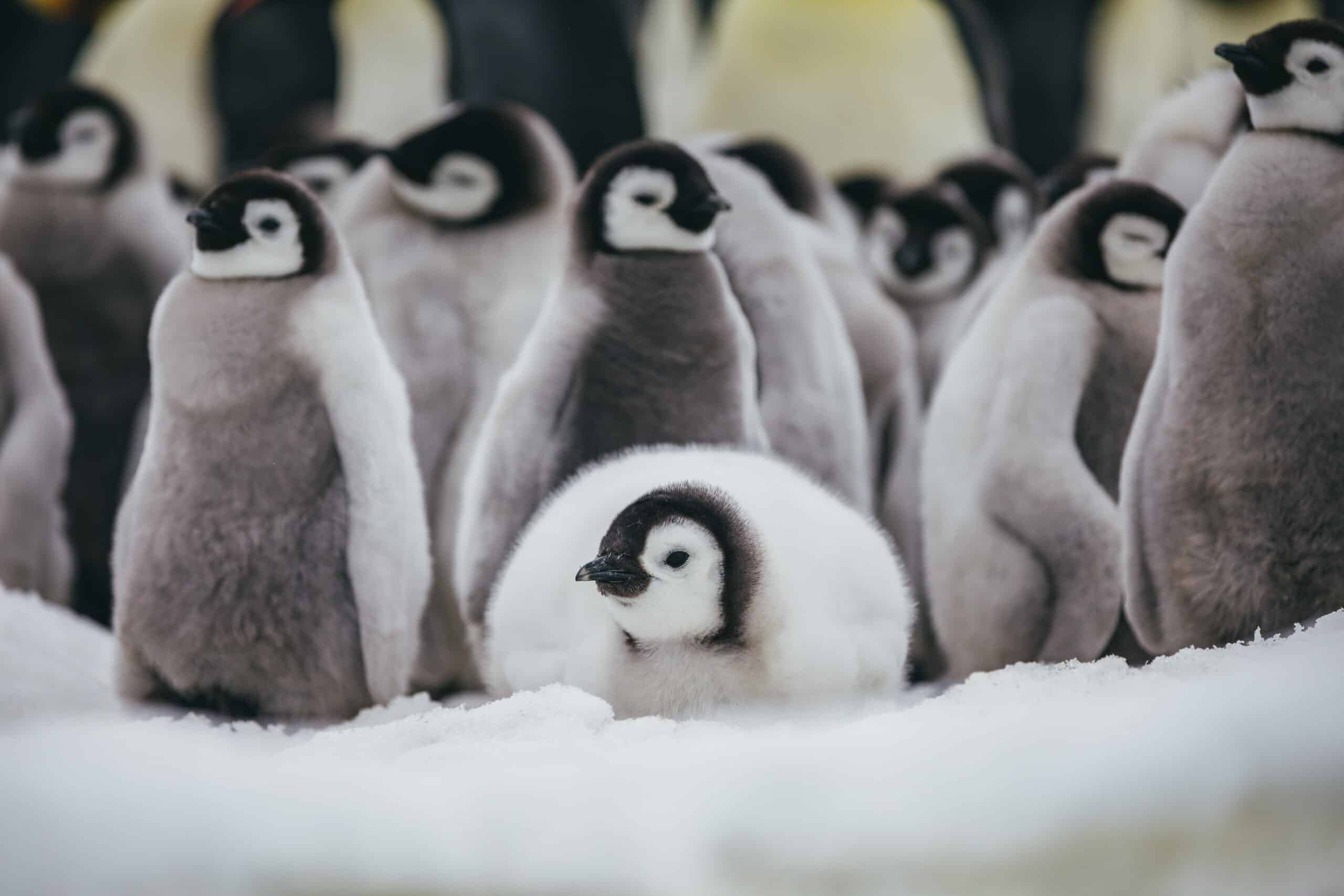
 January is the best time to watch penguin chicks, as many little ones begin their journey of growth
 February is when whales are most active—hop on a Zodiac for an up-close, breathtaking view as they dive with their tails breaking the surface
30-Second Summary: 2026-2027 Antarctica Travel Month Decision Guide
- Best for Photography (November): The purest ice and snow, ideal for capturing massive icebergs and nesting penguins.
- Longest Daylight (December): The Southern Hemisphere's summer solstice, with 20-24 hours of midnight sun, creating the most festive atmosphere.
- Peak Wildlife Season (January): The warmest time of year (around 0°C to 5°C), with penguin chicks hatching and baby seals being born.
- Peak Whale Watching (Feb-Mar): Whale activity is at its highest, and as the sea ice melts, cruises can most easily cross the Antarctic Circle.
- Budget-Friendly Choice: November and March are the Shoulder Season, when early-bird or last-minute clearance deals are more likely to appear.
Why Is Antarctic Travel Only Possible From November to March?
Unlike most travel destinations in the world, Antarctica isn't a place you can visit just because you want to. Whether the trip can happen depends entirely on harsh natural conditions.- Summer Is the Only Travel Window: Every year from November to March is Antarctica's summer, with relatively mild temperatures (roughly -2°C to 8°C) and long daylight hours. As the sea ice begins to melt, cruise ships and Zodiac boats finally have the chance to enter the Antarctic Peninsula and surrounding islands.
- The Rest of the Year Is Almost Completely Closed Off: April to October is a long winter, with temperatures dropping as low as -60°C and darkness lasting for months. The thick sea ice makes any commercial tourist voyage impossible.
- Different Months = Different Experiences: Even within the same summer season, each month offers its own distinct Antarctic scenery — the pristine white snowscapes of November, the midnight sun of December, the peak wildlife season of January, the whale-watching high point of February, and the light, shadows, and auroras of March.
Antarctica Travel Months vs. Experience Comparison Table
Antarctica in different months feels like a different world. Some choose November to photograph pristine white glaciers, while others depart in January to see baby penguins. Below is a "Month vs. Experience Guide" to help you quickly find the season that suits you best.2026 Antarctic Summer Ecology and Climate Comparison by Month
| Month | Climate & Sea Conditions | Key Wildlife | Core Highlights |
| November | Colder, thicker sea ice | Penguin nest-building, courtship behavior | Pristine White Snow and Ice: The untouched landscape favored by photographers and explorers. |
| December | 24-Hour Midnight Sun | Penguins incubating eggs, krill swarms | Festive Atmosphere: The top choice month for Christmas and New Year voyages. |
| January | Warmest Month | Baby Penguins Hatching, seals nursing | Golden Wildlife Season: Animal interactions at their most frequent, a favorite among families. |
| February | Thinnest ice | Peak humpback whale watching season, calves learning to swim | In-depth adventure: Access deep into the southern passages, with a 100% whale-sighting rate. |
| March | Snowfall begins | Whales at their plumpest, occasional sightings of the Southern Lights | Stunning light and scenery: Enchanting sunsets, fewer crowds, and great value for money. |
- If you're after"classic glacier and snow scenery" → we recommend November.
- If you want to “see the most animal interactions” → January & February are the golden period.
- If you want a “special atmosphere or to avoid the crowds” → March is an under-the-radar yet delightful choice.
Month-by-Month Highlights: The Unique Charm of Each Month in Antarctic Summer
November | Ice Just Beginning to Thaw, a Pure White Photography Paradise
As Antarctic summer begins, snow and ice still blanket the land, creating pristine and majestic scenery. Penguins enter their nesting period, making this the favourite month for photographers and adventure enthusiasts alike. Photographers’ favourite Antarctic ice and snow scenery, with unique light and shadow every month
December | Midnight Sun and Festive Atmosphere
With almost 24 hours of daylight, it’s perfect for capturing glaciers and wildlife bathed in sunlight. This is also the penguin egg-hatching period, and with Christmas and New Year voyages, the atmosphere is especially lively. December in Antarctica isn't just about long daylight hours—it also brings a festive, celebratory atmosphere as the year draws to a close
January | Baby Penguins and the Mildest Weather
January marks the height of Antarctic summer, with temperatures holding steadily above 0°C. This is when Gentoo penguin and Adélie penguin chicks begin hatching in large numbers, making it the perfect time to observe polar chick-rearing behaviour. January is the best time to watch penguin chicks, as many little ones begin their journey of growth
February | Prime Time for Whale Watching and Crossing the Polar Circle
As temperatures rise, Antarctic sea ice melts to its lowest extent, allowing cruise ships the chance to sail further south into the Lemaire Channel or cross the Antarctic Circle (66.5°S). This is also the peak feeding season for humpback and minke whales, making it the pinnacle of the whale-watching experience. February is when whales are most active—hop on a Zodiac for an up-close, breathtaking view as they dive with their tails breaking the surface
March | The Beauty of Light and Tranquility
As early hints of autumn set in, sunsets and dusk light become especially enchanting. With fewer voyages and fewer travellers, this is the best time for those seeking to avoid crowds and experience a unique atmosphere.How to Choose the Best Month for Your Antarctic Trip? Frequently Asked Questions
Q1: Which month offers the cheapest Antarctic travel?
A : Typically November and March, as these mark the start and end of the travel season, when cruise fares are relatively lower.Q2: For a first-time visit to Antarctica, which month is best?
A : We recommend December or January. The weather is milder, days are longer, and you can see a diverse range of wildlife including penguins, seals, and whales.Q3: Which month is best for spotting the most wildlife?
A : January and February are the golden period when wildlife is most active—penguin chicks hatch and learn to swim, and whales appear frequently.Q4: What is the best month for whale watching?
A : February. This is the peak of whale migration, offering the highest chance of sightings.Q5: If you're worried about the cold or seasickness, when is the best time to go?
A : January is typically the mildest month of Antarctic summer, with average temperatures close to 0°C and longer daylight hours, making conditions feel more comfortable.Compared to the start and end of the season, sea conditions during this period are also relatively favourable, making it more suitable for travellers embarking on their first ocean voyage.Q6: Can you see the Aurora on an Antarctic trip?
A: The probability is extremely low. The Antarctic travel season (November to March) coincides with summer in the Southern Hemisphere, during which there is "midnight sun" or extremely long daylight hours, meaning the sky is not dark enough for aurora viewing. Only in late March, near the end of the sailing season, as nighttime hours increase, is there a very slim chance of encountering the Aurora Australis during the voyage. 👉 Further reading:Should you go to the Antarctic or the Arctic to see the Aurora? A complete guide to aurora-viewing destinationsExperience Antarctica in Depth with DeWonder
Antarctica offers not only visual splendour, but also a comprehensive immersion in ecology, history and politics. DeWonder's Antarctica In-Depth Tour insists on small groups of 14–20 people, ensuring ample time on every landing to understand the ecosystem. Following in the footsteps of experts, you'll bring home a wealth of knowledge and deeply satisfying memories. DeWonder has specially invited renowned travel programme host Chris Leung as a guest on the tour. Through on-site explanations, he will guide participants to gain an in-depth understanding of Antarctica's animal behaviour and ecological environment. 👉 Further reading: An In-Depth Look at Antarctic Travel: Chris Leung Shares His Cruise Experience and On-the-Ground Observations of the Polar Region DeWonder's Antarctica In-Depth Tour uses a small-group arrangement to explore the Antarctic Peninsula, South Georgia and the South Shetland Islands, offering an in-depth understanding of polar ecology and a chance to view unique natural landscapes- Itinerary: Classic Antarctic Peninsula single-island route
- Voyage duration: 11-day, 10-night cruise itinerary
- Fees include: Ship fare, landing activities, onboard meals, polar lectures, professional guiding by the expedition team
- Exclusive services: Professional pre-departure consultation for those departing from Hong Kong or Macau, visa advice, flight transfer recommendations and packing guides
- The best prices in Hong Kong for a luxury experience