
A Mongolia Travel Safety Guide: Essential Security and Peace-of-Mind Tips to Know Before You Go
When planning a trip to Mongolia, safety comes first. This peace-of-mind guide walks you through everything from transport strategies to pre-departure preparation, helping you explore the magnificent grasslands with confidence.
30-Second Summary: Is Mongolia Safe to Travel To?
The answer is: relatively safe, and traveller-friendly. According to international travel assessments, Mongolia currently sits at the "exercise normal precautions" level. The safety standard of the capital, Ulaanbaatar, is comparable to other major metropolitan areas around the world; while out on the vast grasslands and the Gobi, the real challenges lie in "road and traffic conditions, changing weather, and logistical support" rather than in crime. Put simply, as long as you master the two key principles of "urban risk avoidance" and "wilderness logistics," you can immerse yourself in Mongolia's magnificent scenery with complete peace of mind.Debunking the Stereotype: Mongolia Is More Reliable Than You Think
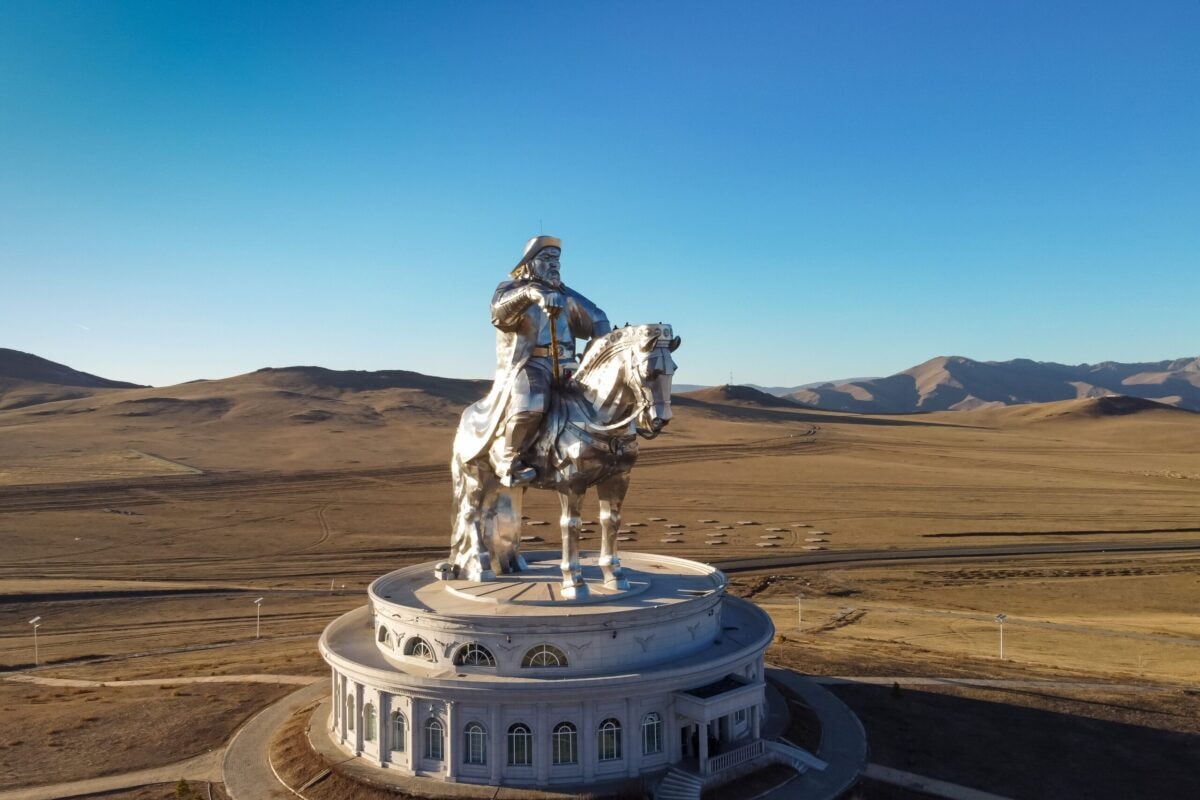
Many people's first impression of Mongolia is "vast" and "desolate," and they automatically equate this with "dangerous." In reality, compared with travel destinations around the world, Mongolia is not classified as a high-risk country. Most travellers' anxiety actually stems from the uncertainty of an "unknown environment." As long as you view Mongolia as a country with basic modern infrastructure and maintain a reasonable level of travel awareness, this journey will go far more smoothly than you expect. Mongolia's famous Genghis Khan statue and grassland scenery symbolise its history and culture, but contemporary Mongolia's travel environment is already quite stable—rather different from the "danger" many imagine.
Two Key Survival Rules by Setting: City vs. Grassland
In Mongolia, we must distinguish between two approaches—"urban" and "grassland"—and this is also central to staying safe.Ulaanbaatar (city centre): Just like visiting any major world metropolis
It is no different from big cities such as Paris, London, or Tokyo.- Anti-Theft Awareness: In crowded areas such as traditional markets and department stores, keep your backpack worn in front to protect your belongings.
- Transport Choices: Avoid hailing unmarked vehicles on the street. We recommend making good use of local ride-hailing apps, or asking the hotel front desk to help book a licensed taxi, ensuring your trip records are open and transparent.
- Navigation Tips: In the city, Google Maps is extremely accurate; finding restaurants or attractions is no different from using it in Taipei or Hong Kong.
 A view of the city centre of Ulaanbaatar, the capital of Mongolia, with well-developed high-rises and transport systems, and an overall pace of life similar to that of a typical international city.
The Steppe and the Gobi (the Countryside): The Key to Safety Lies in "Logistics"
The danger here is usually not a "security problem" but rather "environmental factors."- The Limitations of Navigation Apps: On the vast steppe, Google Maps can only serve as a basic positioning reference (GPS). Be sure to download offline maps in advance, because there are no standard roads on the steppe, and the actual terrain may differ from the digital map.
- An Expert Driver Beats a Map: In the wilderness, where there is no network and no road signs, an experienced professional driver and guide are your best navigation.They know which routes avoid the mires and potholes—this kind of "human-brain navigation" is far more accurate than a phone map, effectively reducing the risk of getting lost or stranded.

Three Mindsets to Boost Your Sense of Travel Safety
1. Choose the "in-depth tour" mode to eliminate uncontrollable factors
The greatest fears in travel are language barriers and sudden changes to the itinerary. Joining a professionally planned in-depth tour not only means you have a tour leader to handle communication issues, but also ensures that accommodation, transport, and dining are all carefully vetted, minimising "surprises."2. Respect the local nomadic culture
Mongolians are bold and warm-hearted. As long as you respect local customs and show a friendly attitude, you'll find that the locals often become your benefactors along the way. Positive interactions not only allow you to delve into the heart of the culture, but also build a travel environment founded on mutual trust.3. Essential pre-departure checklist
- Offline maps: Download the offline region on Google Maps before you set off, so you can track your location even in areas with no signal.
- Insurance choice: Make sure your travel insurance covers "emergency medical evacuation"—it's the best safeguard for yourself and your family.
- Simple first-aid kit: Prepare everyday medications and remedies for stomach and intestinal issues to guard against not acclimatising during the trip.
Common Q&A: The Final Check Before Departure
Q1: Is the food and water in Mongolia safe?
A: In the city, we recommend drinking bottled water; in rural areas, we recommend drinking water that has been boiled. As long as you avoid raw food from unknown sources, most restaurants and camps (Ger Camps) are quite hygienic.Q2: Do you have to speak Mongolian to travel in Mongolia?
A: No. At popular tourist spots, English or Russian is fairly widely understood. If you join an in-depth tour led by a professional guide, all the small communication tasks will be handled by your professional tour leader throughout.Q3: What is the best season to visit Mongolia?
A: Late May to mid-September is peak season, when the weather is most stable and road conditions are best for travel — making it the top choice for first-timers to Mongolia. 👉 Further reading: Mongolia Climate GuideQ4: Is the network signal good out on the Mongolian steppe?
A: Urban areas and large resort camps usually have Wi-Fi or a stable signal. Deep in the Gobi, this is actually a rare chance for a "digital detox" — just let your family know your itinerary before you set off and you can enjoy it with peace of mind. 👉 Further reading: Mongolia Currency & Internet GuideStill have concerns about your Mongolia trip? Let a professional team lend you a hand
Mongolia has magnificent landscapes and deep cultural roots. When planning on your own, you often run into information gaps or challenges in arranging transport. If you'd rather focus on enjoying the freedom of the steppe than fret over the fiddly details of avoiding risks, choosing a professional guide is the most efficient decision.Travel to Mongolia with DeWonder
If you long for Mongolia's vastness and freedom but don't want to just tick boxes and rush through, DeWonder Travel wants to take you a little deeper. DeWonder Mongolia In-Depth Tours do more than arrange your transport and accommodation. Through more complete route design and cultural context, we take you truly into this Land of Blue Sky — from grasslands and dunes to imperial ruins, from herders' daily lives to the rhythm of Mongolian living — so your journey is not only beautiful, but also more worth remembering. ✨ Itinerary highlights:- Step into nomadic life: Visit herders' gers and get an up-close feel for daily life and culture on the Mongolian steppe.
- See Mongolia's many landscapes in one trip: Explore classic destinations such as Ulaanbaatar, the Bayan Gobi and the Orkhon Valley.
- Small groups mean more ease: An average of 8–14 travellers, preserving a better travel rhythm and sense of connection.
- In-depth travel with stories: Led by an in-depth tour leader who takes you beyond the scenery to truly understand Mongolia.