
Egypt Photography Guide: Rules for Photographing Monuments, Camera Fees, and How to Navigate the Tourist Scene
A practical Egypt photography guide covering the rules for photographing the pyramids and ancient monuments, camera tickets, and the logic behind service interactions—helping travellers understand the norms before they go.
When taking photos in Egypt, the key isn't just composition—it's understanding these three points:
- Some monuments require an additional camera ticket, and certain areas prohibit photography
- Staff who guide you to a spot or help you take photos may be providing a service and expecting a tip
- Drones are a high-risk item, and travellers should not operate them on their own
As long as you understand the site rules and the fee logic, most photography-related headaches can actually be avoided.
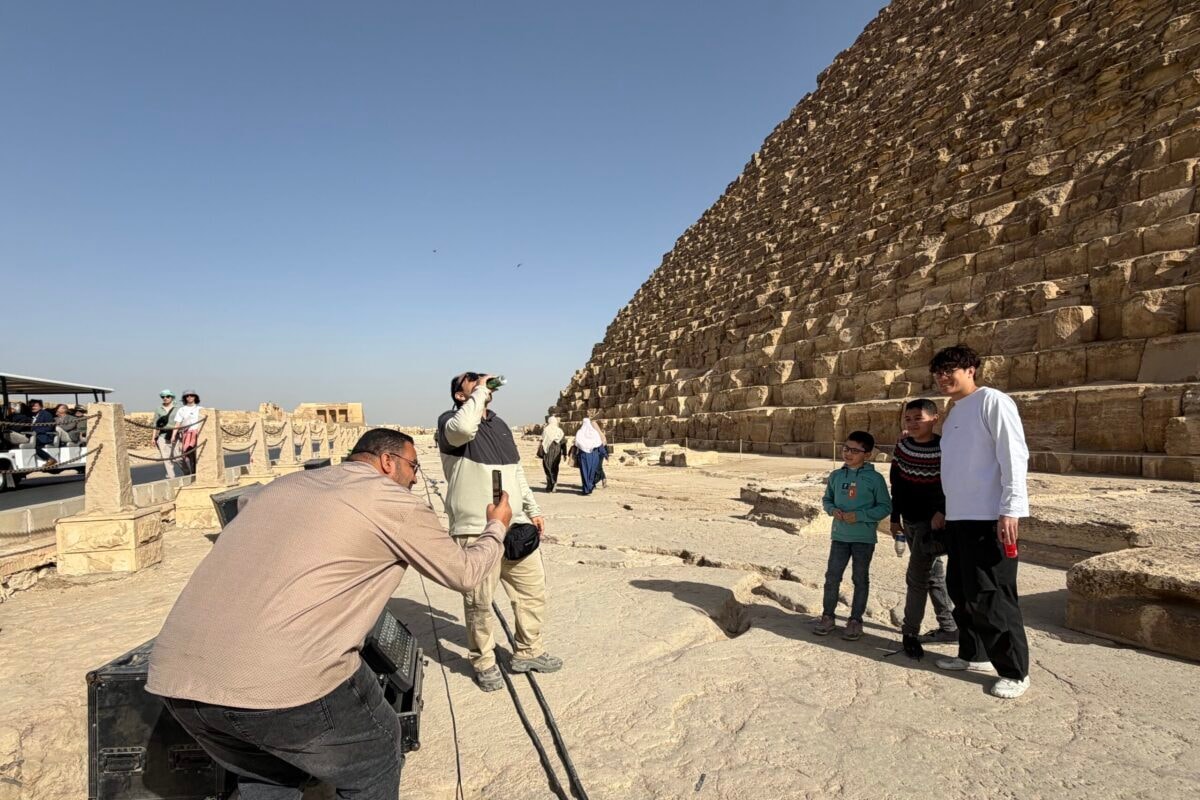
Egypt's most popular photography spots are mostly officially managed monument sites, such as the pyramids, temples, and ancient tombs. These sites usually have their own separate photography rules. In addition, in tourist-heavy areas it's common for staff to proactively help you frame a shot or demonstrate an angle. This kind of interaction is sometimes a service, and may come with an expectation of a tip. In Egypt, photography is often tied to site rules and tourist services, rather than being simple street documentation.

Before taking photos in Egypt's tourist-heavy areas, first confirm whether it's a paid service or requires a camera ticket—this effectively avoids misunderstandings afterwards.
Photography Scene | Visual Characteristics | Shooting Focus | Rules & Precautions |
Pyramids and desert landscapes | Vast spaces, intense sunlight | Best shot in early morning or evening; use people to convey scale | For camel-riding photos, confirm in advance whether it's included in the fee |
Exterior of temples and ruins | Massive stone columns, carved details | Use a wide angle to capture the grandeur of the architecture | Tripods are prohibited in most cases |
Interior of temples and ancient tombs | Dim lighting, intricate murals | Increase ISO and avoid using flash | Some areas require a photography ticket; others prohibit photography entirely |
The Nile and riverbank scenery | Sunset light, reflections on the water | Sunset compositions work beautifully | Watch out for the safety of your equipment |
City streets and markets | Dense crowds | Focus on the surroundings and avoid close-up shots | It's advisable to get consent before photographing people |
Camel rides or sightseeing experiences | Highly interactive | Clarify the photography and pricing beforehand | Avoid fee disputes that arise only after the photos are taken |
In Egypt, the rules and pricing logic vary from scene to scene, so confirming in advance is the key to smooth shooting.

In Egypt, photography rules vary from site to site. It's advisable to check whether a photography ticket is required or whether any restrictions apply before entering, so as to avoid misunderstandings or extra charges.
In Egypt, photography charges usually follow a certain logic and can be divided into the following types:
Type of Charge | Common Situation | Is It an Official Rule | Suggested Approach |
Official rule type | A photography ticket is required for tombs or certain temples | Yes | Buy the ticket as required on site |
Service type | Staff guide you to a spot, demonstrate angles, or help take photos | No | Confirm before shooting whether a tip is expected |
Experience type | Riding a camel or posing for a group photo | No | Clarify the price and what's included beforehand |
Ambiguous type | Offering unsolicited help and then hinting at a reward | No | You may politely decline or give a small token |
In Egypt, photography charges are mostly related to rules or service behaviours, rather than being random demands for money. If you'd like a more complete understanding of tipping culture and reasonable ranges across different situations 👉Further reading: How to Tip in Egypt? A Complete Guide with Situations and Suggestions
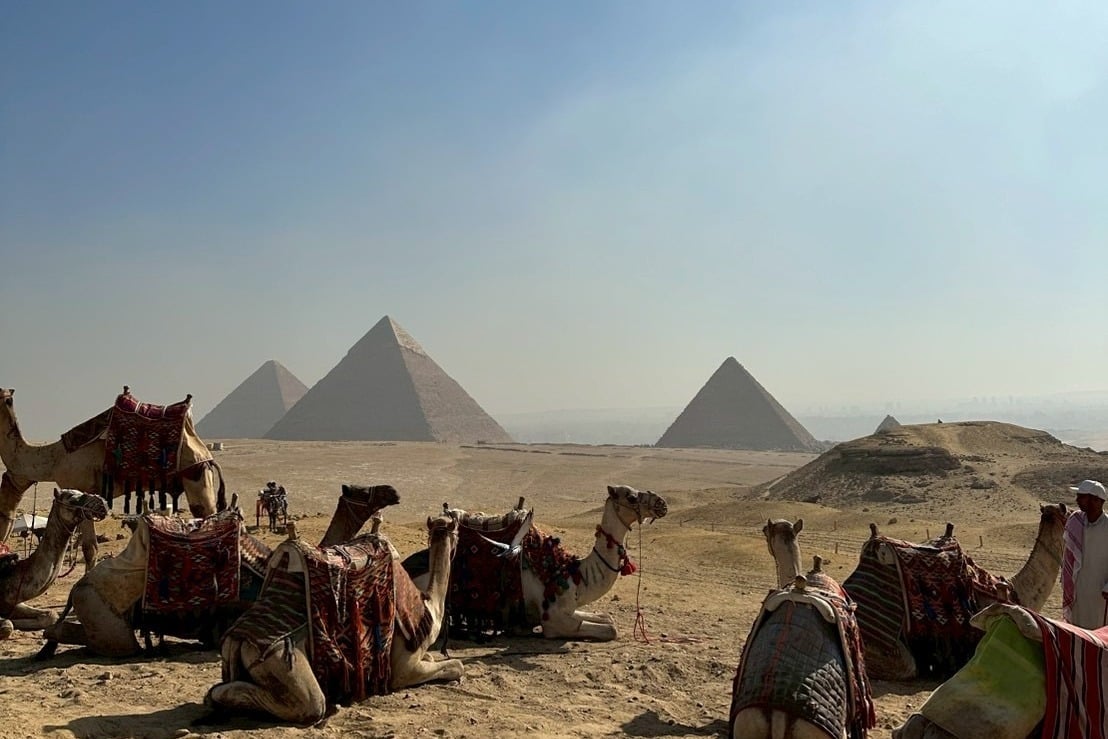
Taking photos on a camel ride at the pyramids is one of the situations most likely to lead to misunderstandings over fees. We recommend confirming the price and what's included before shooting to avoid disputes afterwards.
- Photography is completely prohibited in certain tombs
- Flash is prohibited in most cases
- Tripods are usually not allowed
Photographing military, police, or government-related facilities is not advised.
⚠️ Using a drone in Egypt is a high-risk activity, and travellers should not operate one on their own.
A: Some areas are permitted, but certain tombs require a photography ticket or ban photography entirely—it depends on the on-site rules.
A : It depends on the site; some monuments have a photography-ticket system in place.
A: It doesn't happen at random—most of the time it's linked to a service or interaction. Confirming beforehand whether something is a paid activity can help avoid misunderstandings. 👉 Further reading:How do you tip in Egypt?
A : Most tourist areas are safe, but you should stay aware of your surroundings and your personal belongings.
Egypt is a photography destination of sweeping vistas and profound history. As long as you understand the rules and the logic of each site, taking photos really isn't complicated. In Egypt, great photos come from clear rules and a calm judgement, not from a hurried press of the shutter. When we plan our Egypt itineraries, beyond giving travellers time to capture good photos, we deliberately focus on understanding sequence and pacing design, rather than cramming in as many sights as possible. Through an itinerary built around Cairo, Luxor and Aswan, first-time travellers to Egypt can, within the limits of time and energy, see the full picture of this civilisation while leaving room to digest and understand it. If you want this trip to be more than just "having been to Egypt"—if you want to truly know what you've seen and why it matters—DeWonder's Egypt In-Depth Tour and its approach to itinerary planning will be the most fitting place to start. For those setting foot in Egypt for the first time, it lets you devote more energy to the experiences that truly matter: the pyramids, the Nile, and the cities and culture themselves. ✨ DeWonder Egypt In-Depth Tour highlights:
- A 4-day, 3-night Nile cruise, travelling slowly along the pharaohs' river
- The classic Giza Pyramids + Grand Egyptian Museum itinerary, visited in one go
- An exclusive Nubian cooking class and guesthouse experience, for genuine, in-depth exchange with local families
- Classic temple sites seamlessly linked: Abu Simbel → Kom Ombo → Edfu → Karnak → Luxor → Valley of the Kings
- Small groups of 8–14 people, for a more comfortable pace and a more in-depth experience
👉 View the full-year Egypt in-depth tour departure dates 👉 Join a free online talk to answer your questions about the Egypt itinerary 👉 Click here to register DeWonder Egypt In-Depth Tour Information Kit 👉 Click here to download 👉 See more Egypt Travel Guide 👉 Further reading: an introduction to Egypt's temple series
👉 Further Reading:A Guide to Egyptian Mythology | Decoding Egyptian Symbols 👉 Further Reading:Egyptian Pyramids Guide | Grand Egyptian Museum Guide