
Egypt Travel Essentials: Cultural Etiquette, Dress Code & Safe Travel Guide
Read this before you go! Learn about Egypt's local etiquette and travel customs, from dress codes to religious site manners — everything you need to know before departure, so you can safely experience the charm of ancient civilization.
Egypt, the land of pyramids and the Nile, is where ancient civilization and modern life intertwine. For first-time visitors, there's really no need to worry about major culture shock. With just a few tips on local etiquette and practical dress recommendations, you can freely explore this mysterious and passionate land. This "Egypt Travel Essentials" guide compiles the most frequently asked questions from travellers about cultural details, dress code principles, and practical travel tips, so you'll be well prepared to safely experience Egypt's grandeur and stories.
Egypt is a country where Islam is the predominant religion, with about 90% of the population being Muslim. Religious beliefs deeply influence local customs and dress culture. Although the tourism industry is well-developed and travellers enjoy relative freedom in how they dress, following local etiquette when dressing will be better received and help you avoid unwanted attention. Below are dress recommendations for different settings
These places are centres of faith, so attire should be modest, clean, and avoid exposure. Dress Recommendations for Women
- Wear long-sleeved tops with long trousers or long skirts.
- A headscarf is required when visiting mosques.
- Avoid sleeveless, low-cut, tight-fitting, or sheer clothing.
Dress Recommendations for Men
- Avoid sleeveless vests, shorts, and sandals.
- Simply choose a shirt or loose-fitting top.
- ⚠️ Before Entering a Mosque
- Shoes must be removed.
- Stay quiet, avoid photography, and refrain from loud conversation.
💡 Tip: Some mosques offer headscarves or robes for rent, but if you're unsure of the itinerary, it's handy to carry a thin scarf just in case.

The cluster of mosques in Cairo's historic district is a key landmark for experiencing Egypt's religious culture. Photo By Mohammed Moussa - Own work, CC BY-SA 3.0
These sites have no religious dress restrictions, so comfort and sun protection are the main priorities.
- Recommended: breathable cotton/linen clothing, long trousers, and sneakers or closed-toe shoes.
- Avoid: high heels, sandals, and overly short shorts or skirts (sand gets in easily and they make walking inconvenient).
- To guard against strong sunlight, we recommend bringing a sun hat, sunglasses, and a light jacket.
- If you'd like to take photos, feel free to coordinate colours and accessories, but natural and modest styling is still best.
Locals in most tourist areas are used to seeing foreign visitors in casual clothing, so there's no need to be overly formal — just remain polite and avoid excessive exposure.

Daytime temperatures in Egypt can reach 40°C in summer, but since the air is dry, loose-fitting, long-sleeved, light-coloured clothing is recommended — it protects against the sun while staying breathable, making outdoor visits to sites like the pyramids more comfortable. Photo by Andreea ChEgypt Travel Dress Code Overview
Setting | Dress Guidelines | Points to Note |
Religious sites such as mosques | Women should cover their heads and dress modestly;Men should avoid shorts and tank tops | Shoes must be removed; keep quiet |
Pyramids, temples, markets | Light, breathable, sun-protective clothing | Avoid high heels, short skirts, and overly revealing outfits |
👉 Further Reading:Egypt Climate & Dressing Guide
Egypt is a predominantly Islamic country, and religious belief deeply shapes local lifestyles, social etiquette, and daily behaviour. For travellers, maintaining a respectful and open attitude is enough to naturally blend into the local rhythm and experience Egypt's true warmth and hospitality.
- When meeting someone, you can greet them with「Salam Alaikum(Peace be upon you)」, a friendly and polite way to start a conversation.
- Men and women generally do not initiate handshakes or hugs with each other; it's fine to respond only if the other person extends their hand first.
- Using the right hand to pass items or eat is considered basic etiquette; using the left hand to hand over items may be seen as disrespectful.
- When accepting an invitation or service, smile and say "Shukran" (thank you) to show your gratitude.
- Keep a calm tone in public. Egyptians are warm and hospitable, but they also value etiquette and respect.
- Remove your shoes before entering a mosque, and remain quiet — avoid taking photos casually or disturbing worshippers at prayer.
- Men and women are usually kept in separate areas within religious spaces, so please follow the on-site instructions.
- If a guide is accompanying you to a religious building, simply follow their instructions during the visit.
- Dress modestly.
Conversation and Behavioral Taboos
- Avoid discussing religion, politics, the military, and the royal family.
- Do not photograph military or police personnel, government buildings, or checkpoints, as these are sensitive areas.
- Avoid overly intimate gestures such as hugging or kissing in public.
- Keep a smile when bargaining with vendors or drivers — humour works far better than a serious face.
Ramadan is one of the most important months in the Islamic calendar (usually falling between February and March), during which Muslims fast from food and water between sunrise and sunset as a practice of self-discipline and reflection. For travellers, sightseeing continues as usual during this period — just keep the following points in mind:
- Major tourist sites such as Cairo, the Pyramids, Luxor, Aswan and the Red Sea resorts remain open as usual.
- Museums, cruises and guided tours operate normally; some restaurants pause daytime service, but tourist restaurants and hotels continue to serve meals.
- Availability of alcoholic drinks may be limited — it's best to check with the restaurant directly.
- After sunset, the streets come alive with locals dining out, strolling or shopping — a lively yet natural atmosphere rather than a religious festival.
- If you happen to be invited to an Iftar (fast-breaking meal), simply join in with politeness and gratitude — no special preparation is needed.
💡 Quick tip:During the day in Ramadan, the atmosphere is slightly quieter, while evenings bring more locals out and about. For travellers, the itinerary and experience remain largely the same — there's no need to worry about culture shock, as long as you respect the fasting customs. Key Points on Egyptian Travel Culture and Etiquette
Situation | Recommended Behaviour | Things to Avoid |
General Social Interaction | Hand items with your right hand, greet with a smile | Excessive physical contact |
Religious Occasions | Remove shoes, stay quiet, dress modestly | Photographing worshippers, talking loudly |
Public Places | Respect local customs | Intimate gestures, commenting on religion or politics |
During Ramadan | Respect fasting, avoid eating or drinking in public | Eating, drinking or smoking in public areas during the day |
Egypt's tourism industry is highly developed, and major tourist cities such as Cairo, Luxor, Aswan and the Red Sea resort areas all have well-established tourist police and guide systems. For most travellers, this is a safe and welcoming country—by keeping a few small details in mind, you can enjoy a relaxed and worry-free journey. Basic Safety Concepts
- Tourist police patrol major attractions and tourist areas.
- If someone approaches you, tries to sell something, or asks to take a photo, simply smile and politely decline.
- Avoid keeping your phone or wallet in exposed pockets or the back compartment of your backpack.
- Streets at night are generally safe, but female travellers may feel more at ease going out in pairs or groups.
👉 Further Reading:An Analysis of Egypt Travel Safety (Coming Soon)
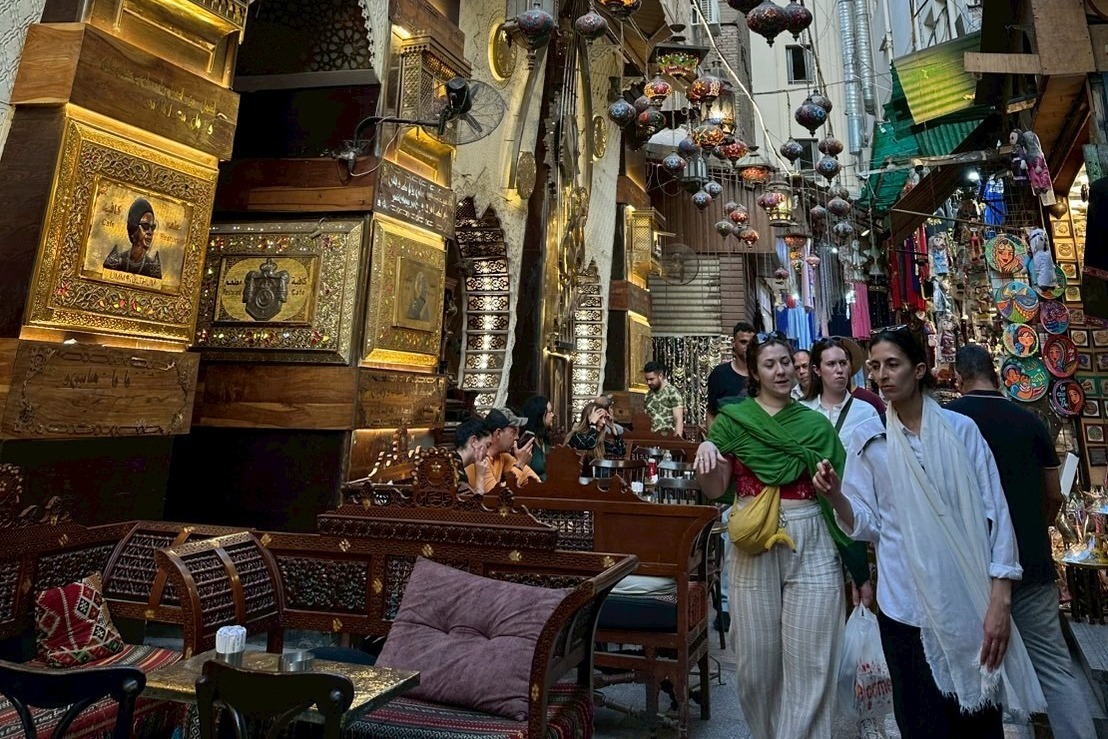
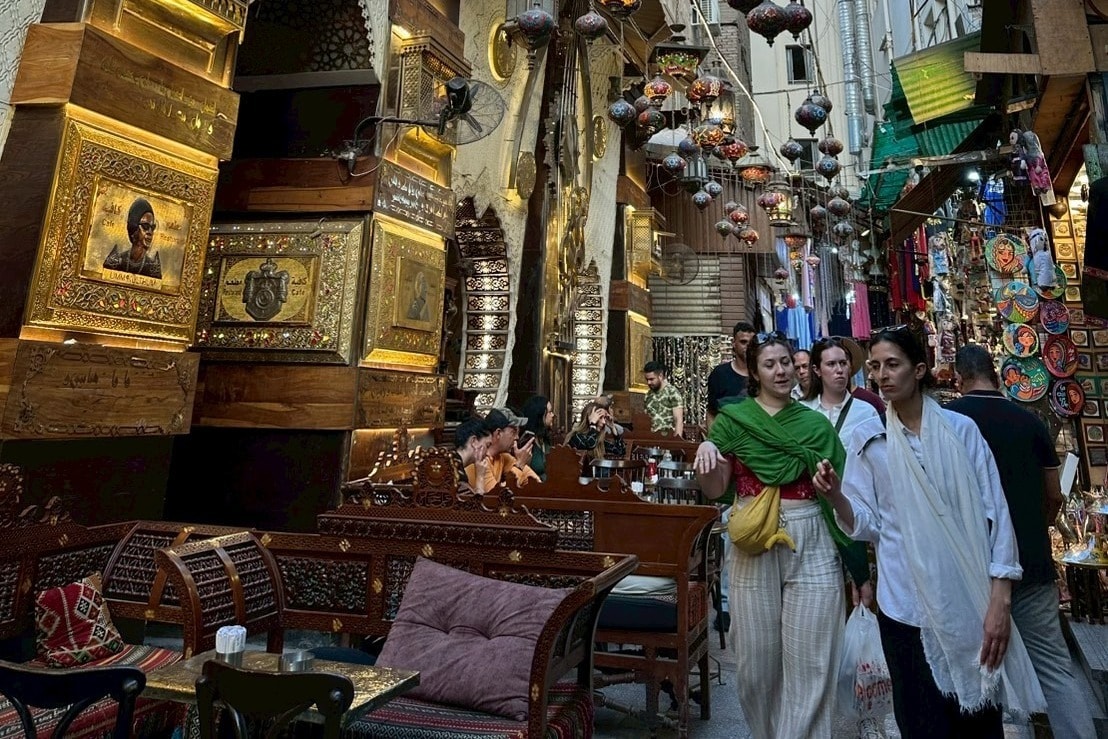
Cairo's markets are bustling and friendly, and as long as you keep an eye on your belongings, you can enjoy shopping with peace of mind.Practical Tips Before Your Trip
- Carry a photocopy of your passport along with a digital backup in case of loss.
- It's recommended to purchase travel insurance that covers medical expenses and flight delays.
- If joining local tours or arranging private transfers, choosing a reputable travel agency or guide offers extra peace of mind.
Overall, Egypt is a safe, welcoming country with well-developed tourist facilities. With basic awareness and courteous conduct, most journeys go smoothly and enjoyably.
Visiting Egypt for the first time, it's only natural to worry about local cultural differences, dress codes, or travel safety. These are exactly the details travellers care about most, and DeWonder Egypt In-Depth Tours take care of them all for you
- Small-group departures (approx. 8–14 people): A refined group size with a flexible pace, so the itinerary never feels rushed and the guide can attend to every member.
- Professional local guide × Hong Kong tour leader: They accompany you throughout, explaining cultural background and helping with on-the-spot communication, so you can experience it in depth with peace of mind.
- Thoughtful cultural details covered: Etiquette for visiting mosques, dress recommendations, and respectful photography practices are all thoughtfully explained in the pre-trip briefing.
- Comprehensive safety and logistics support: Transport, accommodation, meals, and admission tickets are all handled by our professional team, so travellers can simply focus on experiencing Egypt's grandeur and stories.
For travellers visiting Egypt for the first time, DeWonder's Egypt In-Depth Tours small-group format offers more than just convenience — it lets you explore with confidence, while still enjoying flexibility and the chance to discover Egyptian culture in depth. 👉 Check the departure dates for our year-round Egypt In-Depth Tour 👉 Join our free online seminar to get answers to your Egypt trip questions 👉 Click here to register DeWonder Egypt In-Depth Tour Information Kit 👉 Click here to download 👉 Further reading: Egypt Pyramids Guide 👉 Further reading: Grand Egyptian Museum Guide