
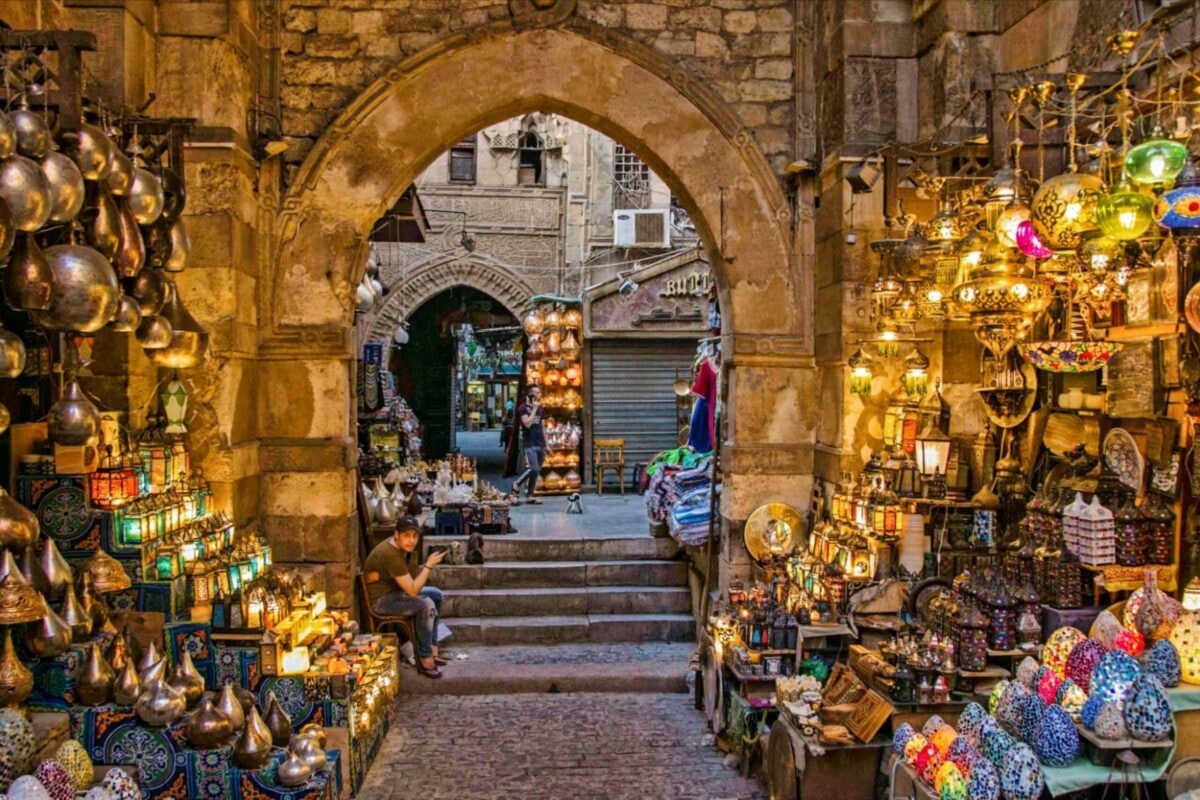
Egypt Travel Safety: An Overview of Security in Major Cities and a Guide to Worry-Free Travel
Is it safe to travel to Egypt? What safety precautions should you take? This article quickly rounds up the key security, health, and environmental safety points in major cities, so you can set off on your Egypt journey with peace of mind.
When planning their first trip to Egypt, most people worry less about cultural differences than about "how safe is it?" In fact, the level of safety in mainstream tourist areas is higher than most people imagine. As long as you understand the differences between cities, environmental risks, and basic safety concepts, your trip will be relaxed and worry-free. This article summarises the latest security overview, a comparison of safety in major cities, and the most common risks travellers face, helping you step more confidently into the world of the pyramids and ancient civilisation.
Although Egypt is sometimes associated with political events or regional conflicts in the news, the actual security situation along mainstream travel routes is far more stable than most people assume. In recent years, the government has continued to strengthen security measures in tourist areas, and its reliance on the tourism industry has made "tourist safety" one of the country's key priorities. 1️⃣ Overall Situation Stable, Low Correlation with Mainstream Tourist Areas
- The political situation has been relatively stable in recent years
- Most incidents are concentrated in remote border areas, not areas commonly visited by tourists
- Cairo, Giza, Luxor, Aswan, and the Red Sea resort areas are all low-risk travel zones
- Safety incidents involving tourists are usually related to "aggressive touting or unclear pricing" rather than personal danger
Traveller impression: friendly, warm, sometimes overly persistent with sales pitches, but overall a high level of safety. 2️⃣ Significant Safety Differences Between Tourist Areas and Border Regions Egypt's security situation varies noticeably by region — a key point most people overlook:
- Mainstream tourist areas (Cairo, the Pyramids, Luxor, Aswan, the Red Sea) → Low risk, with heavy police patrols
- North Sinai, the Libyan border, and the Sudanese border → Not recommended for travel; some countries also issue travel advisories for these areas
👉 As long as you follow the routes commonly taken by tourists, safety levels are actually very high. 3️⃣ Terrorism Risk: Present, But Extremely Low and Largely Unrelated to Tourist Areas
- Tourist hotspots have high-level security checks (baggage scanning, entrance security)
- Past incidents were mostly linked to border conflicts or non-tourist groups
- The government places great importance on tourist safety, as tourism is a vital economic source
👉 In other words: a rational view is all that's needed — no need for excessive fear, but it shouldn't be completely ignored either. 4️⃣ The Role of the Tourist Police Around attractions, you'll definitely see uniformed Tourist Police, some armed or equipped with radios.Their responsibilities include:
- Protecting tourists
- Handling traveller disputes
- Helping with communication with locals
- Assisting with traveller safety issues
If you encounter fee disputes, harassment, or situations you're unsure how to handle, seeking help from the tourist police is the fastest and most effective solution.
The sense of safety varies significantly between different cities in Egypt, and this is also the part travellers ask about most often. "Where is safest?" "Where do I need to be extra careful?" Below is a summary of the characteristics of the major tourist cities, giving you a clearer picture when planning your itinerary.
Cairo is Egypt's most crowded and bustling city. The tourist areas are basically safe, and walking around during the day is completely fine. The more common risks come from:
- Pickpockets in markets and crowds
- Enthusiastic greetings and sales pitches
- Some streets being more chaotic at night
Most travellers' experience in Cairo is friendly and warm, occasionally with a bit too much enthusiasm, but overall it is safe.
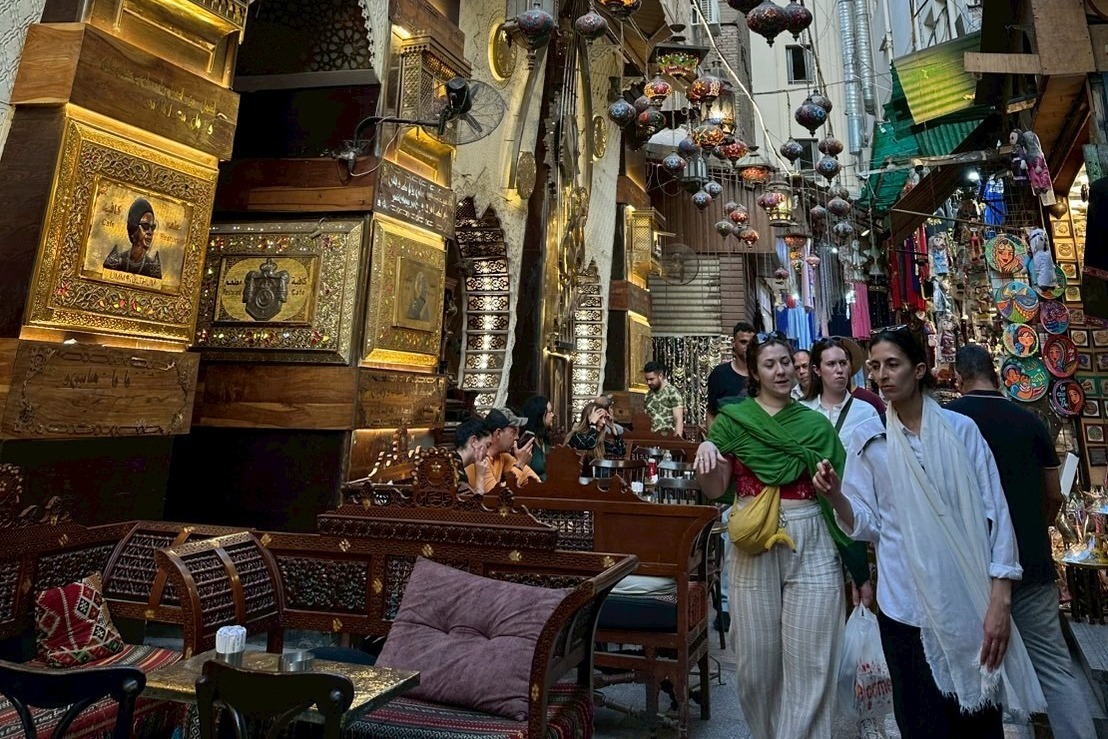
Strolling through the markets in Cairo, the atmosphere is full of energy. Stay basically alert and keep your valuables in front, and you can explore the charm of the markets with ease and peace of mind.
The main tourist areas of Giza (the Pyramids, the Sphinx) are well policed, with plenty of officers and security checkpoints. Any issues you might encounter are usually related to money matters, such as:
- Unclear charges for camel rides
- Being asked for a tip after someone offers to help take your photo
- Approaches from fake tour guides
These are cultural differences, not personal safety issues.
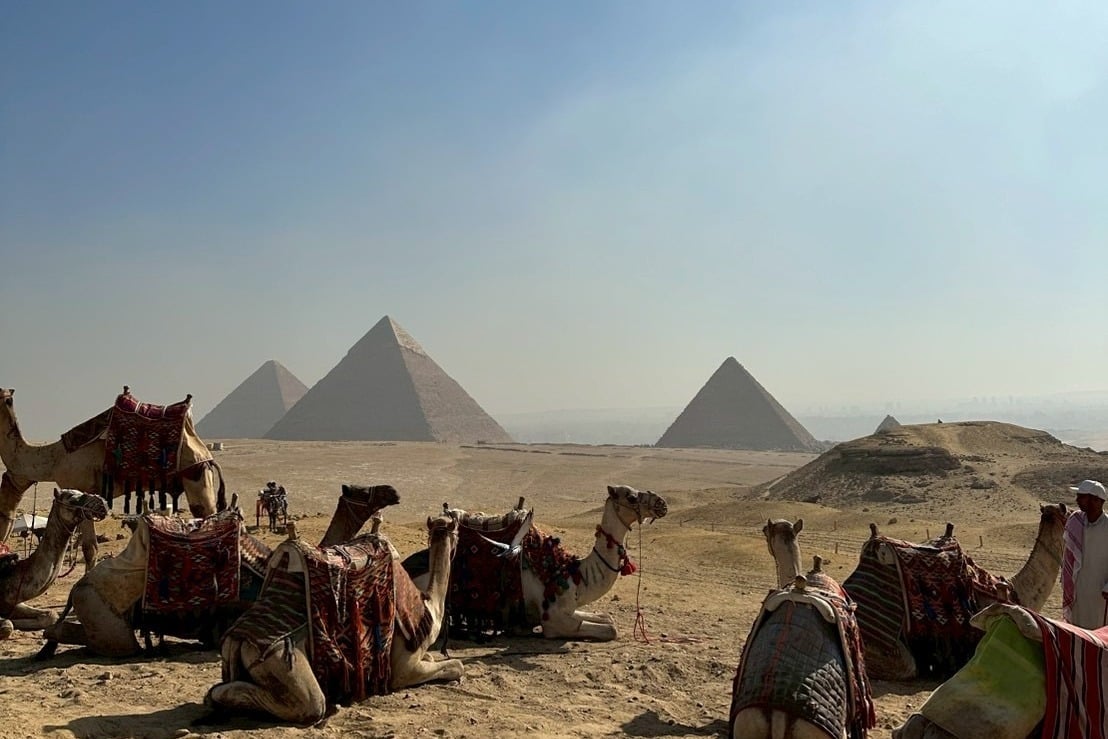
The Pyramids area has a strong police presence and a friendly environment, though you may occasionally be approached with offers of photos or camel rides. Agree on a price beforehand and you can enjoy the experience with ease.
Luxor is known for being "friendly, safe, and well-developed for tourism", making it a reassuring top choice for many travellers.Security issues are very rare; the most common situations tend to be:
- Vendors approaching visitors outside attractions
- Enthusiastic hawking in local markets
In most cases, staying polite yet firm is enough to handle these situations.
Aswan has a relaxed travel atmosphere and a high level of safety, with locals who are relatively friendly. The only thing to watch out for is:
- Water transport (boat fares, confirming details in advance)
Overall, it's a destination well-suited for both independent and group travel.

Water transport is very common on the Nile in Aswan; as long as you confirm the price and itinerary before boarding, you can enjoy the river views with peace of mind.Photo by Thales Botelho de Sousa on Unsplash
These two cities are typical "resort areas" with extremely high safety levels, because:
- Large resorts operate under closed, gated management
- Hotels and activity providers maintain high management standards
- High proportion of foreign tourists and good public security
The main thing to pay attention to is the safety standards for water activities (snorkeling, diving, boat trips). Safety Comparison Table for Major Egyptian Cities
City | Common Risk Scenarios | Overall Safety Level | Who Is It Suitable For? | Quick Tips |
Cairo | Pickpocketing, touts, some neighborhoods can be chaotic at night | Medium–High | First-timers, independent travellers & group tours | Feel free to wander during the day, avoid secluded areas at night |
Giza (Pyramids) | Persistent touts, camel ride fees, photo charges | Medium | All travellers wanting to see the pyramids | Avoid unofficial services, confirm prices in advance |
Luxor | Vendors approaching you, market hawking | High | History & culture enthusiasts, first-time travellers | Stay polite and firmly decline when needed |
Aswan | Lack of transparency in water transport fares | High | Those wanting to see the temples and Nile scenery | Agree on price and duration before boarding |
Red Sea Resorts | Water activity safety standards | Very High | Travellers seeking vacation, relaxation, and diving | Choose well-reviewed activity providers |
Compared to safety concerns, the practical issues most travellers actually encounter in Egypt tend to relate to water, food, and heat. By keeping a few basic principles in mind, you can greatly reduce the risk of discomfort or trip disruptions.
Tap water in Egypt is not suitable for direct consumption, and it's also not recommended for brushing teeth or preparing drinks. During your trip, it's advisable to:
- Use bottled water (easily available at hotels and on transport)
- Avoid ice cubes (unknown sources may irritate the stomach)
- Choose sealed beverages whenever possible
This is the most important — and easiest — health habit for travellers to maintain.
Egypt's hot, dry climate makes food preservation more challenging than in most cities, which is why stomach upset (commonly known as "Mummy's Tummy") is one of the most frequent issues travellers face. ⚠️ Recommended to avoid or consume with caution:
- Freshly squeezed juice from street vendors
- Raw lettuce salads (washing water source uncertain)
- Undercooked meat
- Desserts without refrigeration
👍 Safer choices:
- Hotel restaurants or highly-rated eateries
- Cooked food, grilled dishes, hot soups
- Sealed packaged beverages
If you have a sensitive stomach, it's recommended to bring your usual stomach medicine or electrolyte powder.
Cairo, Luxor and Aswan all have medical facilities with international standards or foreign doctors, such as:
- International Hospital (Cairo)
- Aswan University Hospital (Aswan)
- Luxor International Hospital (Luxor)
For minor discomfort, most pharmacies carry basic medication, but it's advisable to bring your usual medicines with you. 💡 Tip: Purchasing travel insurance with medical coverage will give you extra peace of mind on your trip.
Southern Egypt (Luxor, Aswan) can feel extremely hot in summer, and even winter days remain dry with strong sunlight — dehydration and heatstroke are more common among travellers than most expect. 💡 Tip:
- Carry water with you every day
- Schedule outdoor activities for the morning or later in the afternoon whenever possible
- Use sun protection (hat, sunglasses, sunscreen)
- The temperature difference between air-conditioned hotels/cruises and the outdoors can be significant, so pay attention to how your body is adjusting
As long as you stay hydrated and rest when needed, most travellers can easily cope with the climate differences. 👉 Further Reading: A Guide to Egypt's Climate
Overall, personal safety risks in Egypt's main tourist areas are low, but in crowded places, it's still worth staying alert to petty theft or missing belongings. With basic awareness, these risks can largely be avoided with ease.
These areas carry relatively higher pickpocketing risks due to large crowds and tight foot traffic:
- Khan el-Khalili Bazaar
- Cairo metro, train stations, and museum entrance queues
- Market-style attractions (such as the Luxor souk)
In most cases, pickpockets take advantage of travelers who are distracted while taking photos or being approached by strangers, so staying alert is the most effective way to protect yourself.

Cairo's markets are densely packed with crowds, making them common spots for pickpockets. Simply keep your bag in front of you and stay mindful of your belongings to shop with peace of mind. Photo by Thales Botelho de Sousa on Unsplash
These are simple and effective methods commonly used by travellers:
- Carry your bag in front of you, not slung behind your back
- Don't keep your phone or wallet in your back pocket
- Use jacket pockets with zips or buttons whenever possible
- When taking photos at markets, don't linger too long in one spot
- Spread large amounts of cash across different places
These small habits won't affect your travel experience, but they can significantly reduce your risk.
Hotels are generally safe, but it's best to keep the following habits:
- Use the in-room safe for your passport and main cash
- Don't leave valuables in plain sight
- Check that the room door and balcony door lock properly when you check in
Most hotels have solid security and access control, so travellers just need to stay basically aware.
Egypt's main tourist areas still have plenty of activities and restaurants open at night, and walking along bustling streets is usually not a problem. However:
- Avoid walking alone through remote or poorly lit areas late at night
- If you need to travel, opt for reliable transportation
- Female travellers moving around at night are advised to go with companions
👉 Further Reading: Safety for Women Travelling in Egypt (Coming Soon)
When visiting Egypt, the unease most travellers experience actually isn't about safety, but rather uncertainty around monetary interactions. From being approached outside attractions to a lack of transparency in certain service fees, these situations can easily confuse first-time visitors to Egypt—but they're mostly "cultural differences" rather than dangerous incidents.
In Egypt, many service workers are accustomed to receiving tips after providing assistance, such as:
- Helping you on and off vehicles
- Giving directions
- Helping with photos
- Site cleaners or restroom attendants
These are not intimidation or threats, but simply a very common local culture.
Many travellers' uncomfortable moments usually stem from—"Should I pay or not?" "Is this service free or paid?" "Is the price reasonable?" Common scenarios include:
- Being asked for money after a friendly chat
- Someone offering to take your photo, guide you, or help you onto a camel
- Persistent souvenir selling outside attractions
None of these are violence or security issues—they're simply unease caused by unclear pricing. Once you understand the basic concepts, there's no need to worry excessively; as long as you know which situations "may involve a charge," most travellers can handle it with ease, and it won't affect the overall travel experience. 👉 Further reading: Egypt Tipping & Bargaining Culture Guide (coming soon)
When travelling in Egypt, "mode of transport" often affects travellers' sense of safety more than public security itself. Most travellers' uncertainty stems from unfamiliar road conditions, non-transparent pricing, or the psychological pressure of moving around at night. But choosing the right mode of transport can greatly reduce these risks.
Transport prices in Egypt vary widely, and some drivers may:
- Quote inconsistent fares
- Not use the meter
- Charge higher prices near popular attractions
This is mostly not malicious, but part of the "bargaining culture" — though it can easily leave travellers feeling uncertain.
Main tourist areas still have crowds at night, but travellers may feel uneasy in the following situations:
- Streets with fewer people
- Areas with insufficient street lighting
- Unfamiliar residential areas or alleyways
This is not a high-risk environment, but anxiety caused by a lack of information.
Different modes of transport (such as ride-hailing apps, taxis, chartered cars, or hotel-arranged transport) each have their pros and cons, but the common thread is: as long as you choose transport that is reliable, transparent, and confirmed in advance, your journey will be much smoother. 👉 Further Reading: Egypt Transport Guide (Coming Soon)
For travellers visiting Egypt for the first time, as long as you understand the differences between cities, transport options, and basic safety awareness, your trip will usually go smoothly and enjoyably. If you'd like a more worry-free journey, or would rather not deal with unwanted approaches, transport arrangements, and price negotiations yourself, choosing DeWonder Travel's [Egypt In-Depth Tour ] small-group itinerary is a very reassuring way to go. Why can small groups improve safety and comfort? Egypt's travel routes are long and its attractions widespread, with frequent money-related interactions, so small groups can effectively reduce the uncertain elements of the journey:
- No one gets left behind: All itinerary planning and movement is coordinated by the tour leader and local guide
- Avoiding unnecessary approaches: The guide steps in ahead of time to help block overly persistent vendors or touts
- Transport fully arranged throughout: Transport is handled by reliable drivers and a professional vehicle fleet, avoiding overcharging or non-transparent pricing
- Smoother routes at attractions: The guide is familiar with security checks, entrances, and the best routes at each site
- Language support: Local guides and Hong Kong tour leaders help handle all communication issues
Together, these details add up to the most practical source of security throughout your journey. If you'd like to explore Egypt in the most worry-free way, DeWonder's Egypt In-Depth Tour is a very solid choice:
- Small groups of 8–14 people: a comfortable pace that caters to every traveller's needs
- Hong Kong tour leader × Egyptian guide accompanying you throughout, assisting with everyday matters big and small
- Safe routes and transport pre-planned: avoiding detours or non-transparent pricing
- Comprehensive pre-departure briefing: health, hygiene, security, climate, and precautions all explained clearly at once
- No need to worry about "what to do" during the trip: help is always at hand for any unexpected situations
👉 View Egypt In-Depth Tour Departure Dates for the Whole Year 👉 Join Our Free Online Seminar to Get Your Egypt Trip Questions Answered 👉 Click Here to Register DeWonder Egypt In-Depth Tour Information Kit 👉 Click Here to Download 👉 Further Reading: Egypt Travel Essentials: Dress Code & Cultural Etiquette Guide 👉 Further Reading: Egypt Pyramids Guide 👉 Further Reading: Grand Egyptian Museum Guide 👉 Further Reading: Introduction to Abu Simbel Temple | Introduction to the Valley of the Kings | Introduction to Luxor Temple