
Exploring Central Asian Culture: Languages, Festivals, and Local Life Across the Five Central Asian Nations
Central Asian culture blends the Silk Road, Islamic heritage, and nomadic traditions. This article introduces you to the languages, festivals, and local lifestyles of the five Central Asian countries — a must-read cultural guide before you set off!
Stepping into the five Central Asian nations is like opening a living history of Silk Road civilization. Once a vital crossroads for merchants and travelers, this land has left behind magnificent Islamic architecture and ancient bazaars, while also nurturing a diverse society shaped by Persian culture, nomadic traditions, and the legacy of the Soviet era. For travelers, understanding this region's cultural background is not just about avoiding taboos — it's the key to unlocking authentic local experiences. This article will guide you through the languages, festivals, and everyday characteristics of the five Central Asian countries, adding warmth and depth to your journey.
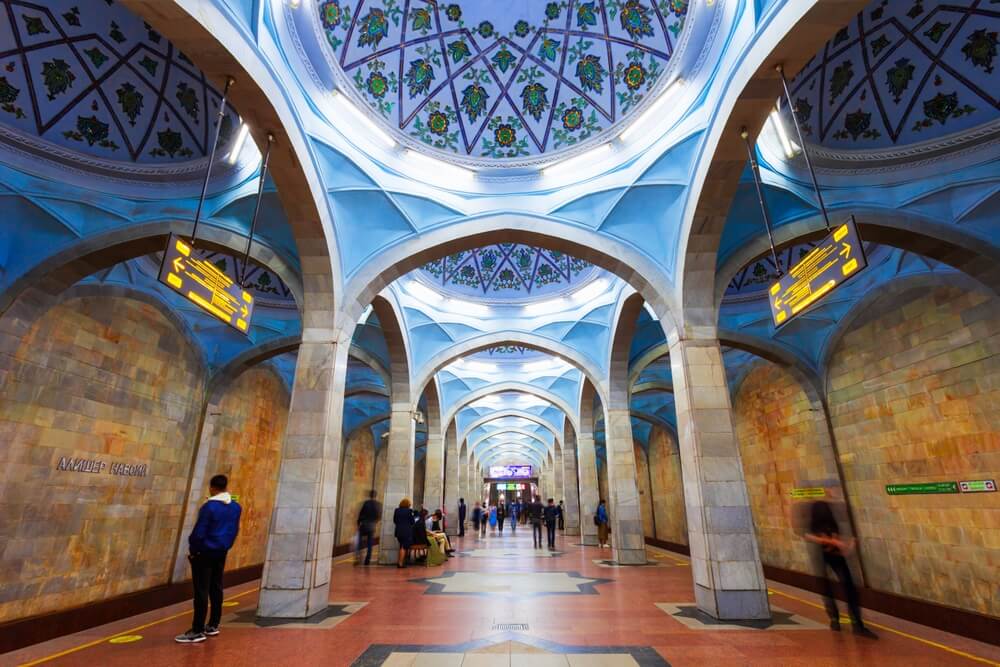
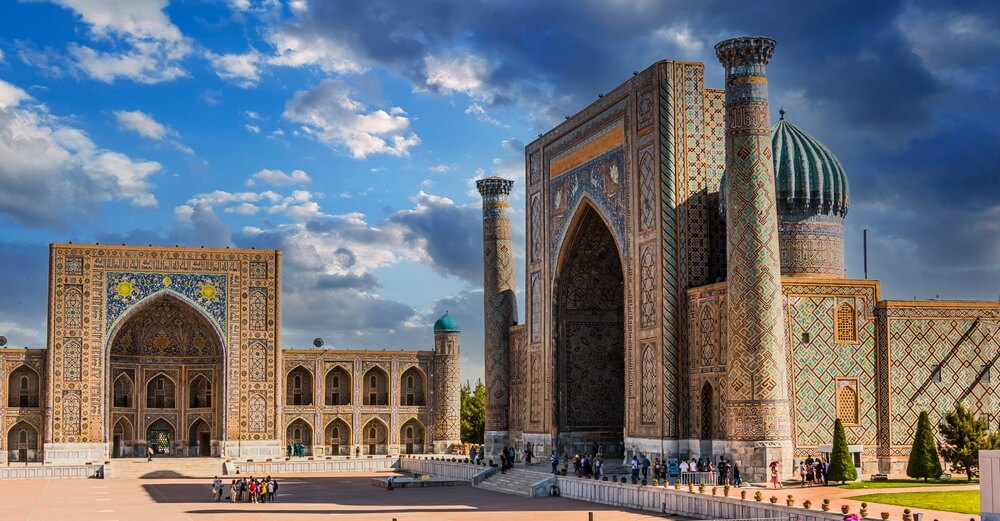
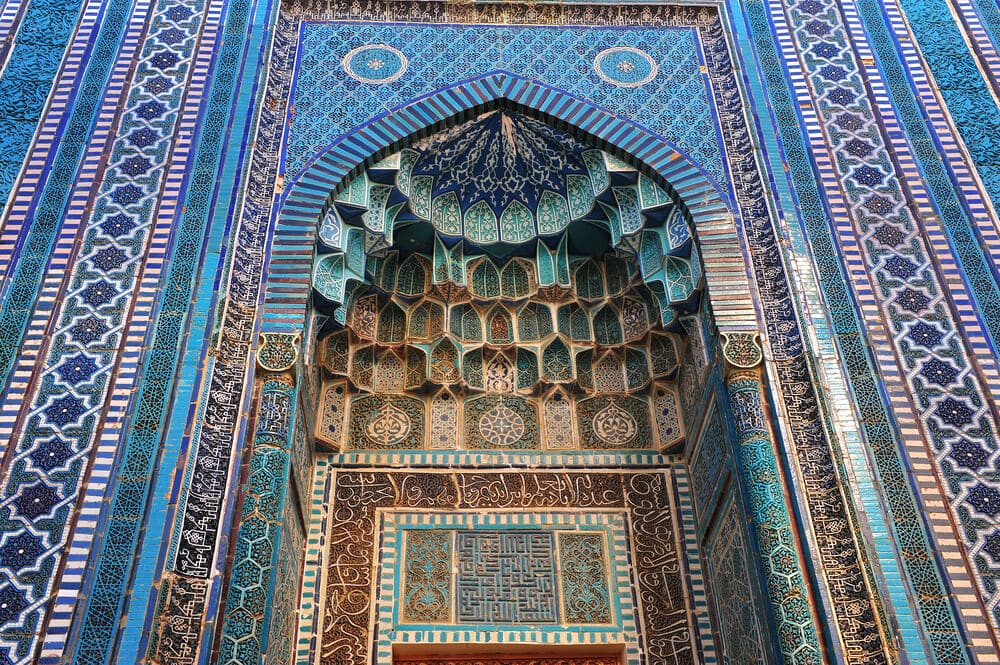
The five Central Asian nations — Kazakhstan, Uzbekistan, Kyrgyzstan, Tajikistan, and Turkmenistan — sit at the heart of the Eurasian continent and have long served as a hub along the ancient Silk Road. This region bears the profound influence of the Persian Empire, magnificent mosques and madrasahs left by the spread of Islam, and modernizing elements introduced during the Soviet era. This multilayered history has given rise to Central Asia's uniquely rich cultural atmosphere today: you can admire the UNESCO World Heritage-listed blue-domed mosques of Samarkand and Bukhara, feel the free spirit of nomadic tradition on Kyrgyzstan's alpine grasslands, and see architecture blending Islamic and modern styles in Astana, the capital of Kazakhstan. For culturally curious travelers, Central Asia is more than just a geographic cluster of "five countries" — it's a journey through time, weaving together the civilizations of East and West.


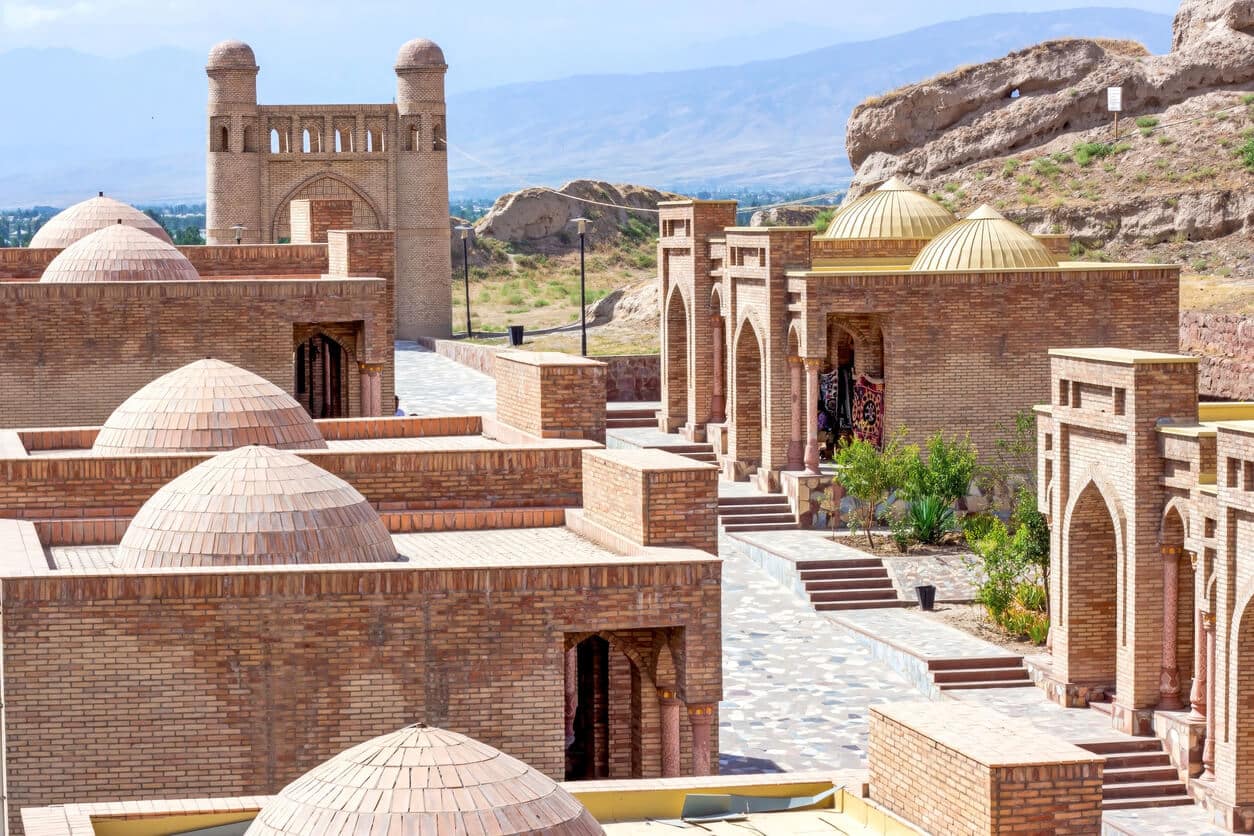
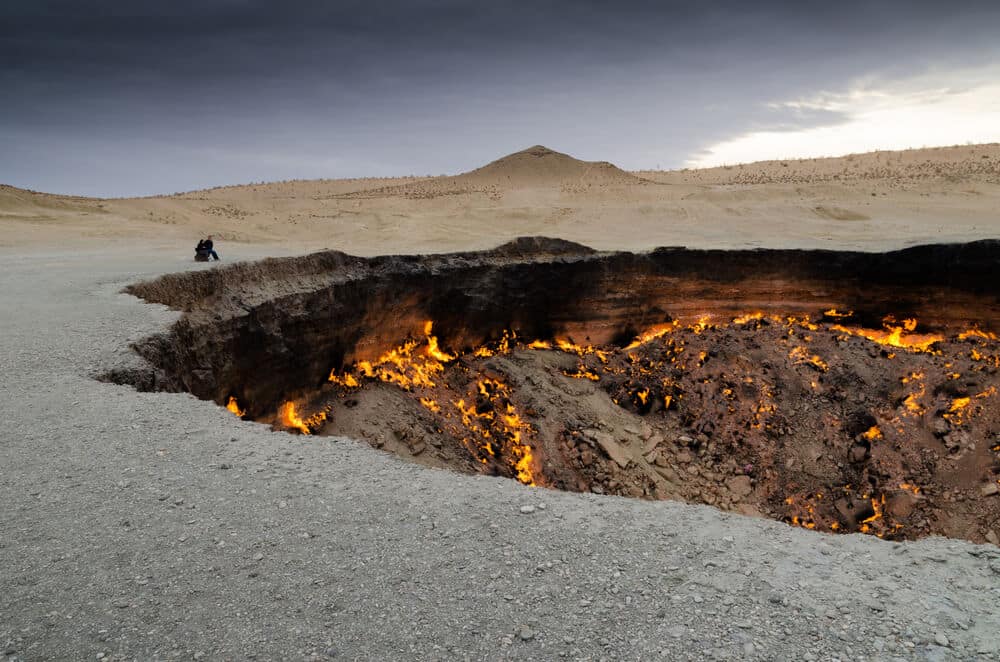
When traveling in Central Asia, language is often the first challenge visitors encounter. Although each of the five countries has its own official language — Kazakh, Uzbek, Kyrgyz, and Turkmen belong mostly to the Turkic language family, while Tajik belongs to the Persian language family — due to historical influences, Russian remains the most widely used common language. Whether taking transportation, asking for directions, or shopping at a bazaar, Russian is usually more readily understood than English. Travellers needn't be discouraged by this — a few simple tips can make communication much smoother:
- Yandex Translate (Recommended 👍): Developed by a Russian company, it's especially accurate for Russian translation, producing more natural results for everyday conversation and colloquial terms than Google Translate. It supports text, voice, and image translation, and offline packs can be downloaded — ideal for travelling in Central Asia.
- Google Translate: Supports the widest range of languages with a simple interface, great for looking up multiple languages. It's recommended to use alongside Yandex for cross-checking.
💡 Quick Tip:
- Remember to download the Russian + Chinese offline pack before departure, in case local internet connectivity is unstable.
- Learning a few basic phrases (like "thank you" or "how much") shows sincerity, even if you're not fluent.
- In rural areas or traditional markets, Russian and local dialects remain the primary means of communication, with English less commonly spoken.
Common Phrases for Travelling in Central Asia
Chinese | Russian | Pinyin |
Hello | Здравствуйте | Zdravstvuyte |
Thank you | Спасибо | Spasibo |
How much? | Сколько стоит? | Skol'ko stoit? |
Yes / No | Да / Нет | Da / Nyet |
If grand mosques and World Heritage sites represent the history of Central Asia, then everyday customs are the cultural pulse that travellers feel most directly. Step into a market, a teahouse, or a local home, and you'll find that life in Central Asia is both simple and full of warmth.
- Teahouse Culture (Chaikhana): In Central Asia, drinking tea is not just a daily habit but a ritual of hospitality and social connection. Whether in the vaulted teahouses of Uzbekistan's ancient cities or in a yurt on the Kyrgyz steppe, hosts will always offer a cup of tea first as a welcome. Interestingly, in Uzbek custom, tea is usually poured only half full, symbolising that the host will keep refilling it so the conversation can continue. If you don't want more, simply cover the bowl lightly with your hand and the host will understand.
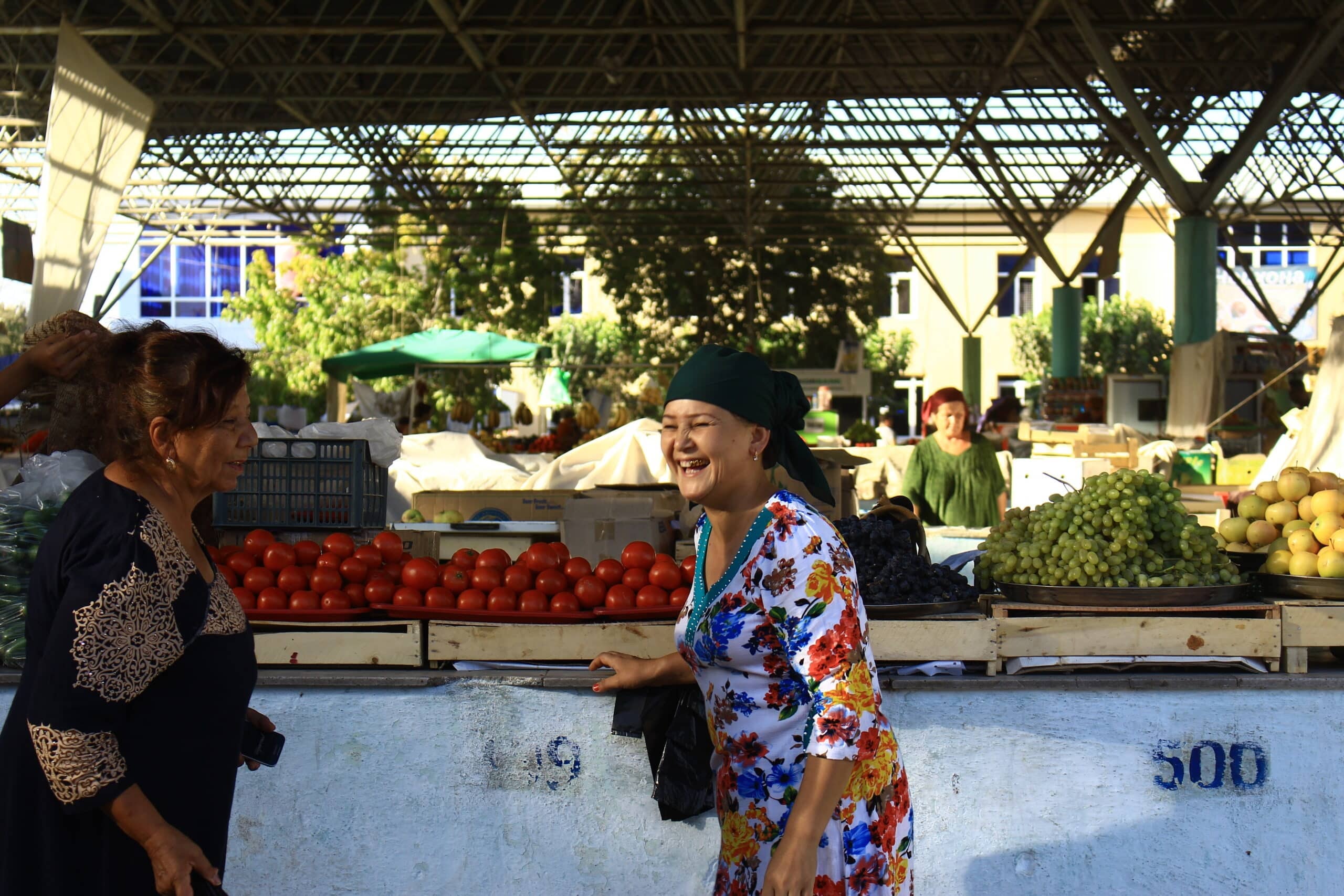
- Bazaar Culture: The bazaar is the soul of Central Asian cities, and whatever its size, it reveals the most authentic side of daily life. You'll see mountains of spices piled high, vividly coloured fabrics, and freshly baked flatbreads. Tashkent's Chorsu Bazaar in Uzbekistan is one of the largest, while in Kyrgyzstan and Kazakhstan, markets feel more like everyday life, less touristy, letting you experience the most genuine local rhythm.
- Hospitality at Home: People in Central Asia are known for their warmth and hospitality. Many travellers have been invited into local homes for tea or a meal. There's no need to bring an expensive gift when invited—a few snacks or some fruit is more than enough to show your appreciation.
💡 Travel Tip:
- If you're invited for tea or a meal, there's no need to decline too strongly—it's simply the host's way of showing friendliness.
- Before taking photos at the market, ask for permission first, especially when photographing women and elders, as extra respect is appreciated.

The bazaar is a wonderful place to experience local culture and warmth, with most vendors friendly and welcoming, and an atmosphere full of energy.

Join DeWonder's in-depth Central Asia tour, and you won't just skim the surface — you'll dive deep into local life. Witnessing and experiencing the making of traditional flatbread firsthand, like this, is one of the most unforgettable memories of the journey.
Central Asia's festivals blend Islamic traditions with ancient customs, offering the most direct way to experience local culture. With a bit of luck, travellers can even join in themselves — just remember to respect local norms.
- Nowruz (New Year Festival): Held every year on 21 March, Nowruz marks the arrival of spring and the start of a new year. On this day, cities come alive with music, dance performances, market activities, and traditional food stalls. Foreign travellers are more than welcome to join in, enjoying the music alongside locals and sampling festive dishes — it's the perfect moment to feel the vibrancy of Central Asia.
- Eid al-Fitr and Eid al-Adha: As major festivals in the Islamic world, these two occasions carry a strong religious atmosphere. While visitors cannot take part directly in the religious rituals, they can still soak up the festive mood on the streets and interact with locals. Do note that during prayers or sacrificial ceremonies, it's essential to stay quiet and avoid taking photos.
- Wedding Celebrations: In Central Asia, weddings are a highlight of social life, often with hundreds of guests. If you're lucky enough to be invited to an Uzbek or Tajik wedding, you'll be treated to lively music, dancing, and a grand feast. Just be sure to dress appropriately, avoiding anything too casual or revealing.
💡 Travel Tip:
- At public festivals (such as Nowruz), feel free to join in the performances and activities, but avoid taking photos casually at religious occasions.
- If invited to a family gathering or wedding, bringing a small gift (such as sweets or fruit) will delight your hosts.
- Dressing conservatively is the simplest way to show respect, especially in areas with a strong religious atmosphere.
If you truly want to immerse yourself in Central Asian culture, it's worth doing a little preparation before departure. Beyond visa and transport information, gaining a basic understanding of the region's history and way of life will help you settle in and connect with your journey much more quickly.
- Cultural Prep Tip: We recommend watching a few documentaries about the Silk Road and Central Asia, or reading up on the region's cities before you set off. Standing in Registan Square in Samarkand or an ancient mosque in Bukhara will feel far more meaningful once you know the story behind it.
- A Small Gesture Goes a Long Way: If you're invited to dine with a local family, bringing a small snack or a specialty gift from home is often the perfect conversation starter.
- Further Reading: Discover More of Central Asia If you'd like to dig deeper into what each country has to offer and how to plan your itinerary, we've put together a few handy articles:
- 👉 The Five Countries of Central Asia at a Glance: Must-See Highlights in Each
- 👉 How to Choose Your Central Asia Itinerary: Comparing Two, Three, and Five-Country Trips
- 👉 Central Asia Visa & Entry Guide: A Must-Read for Travelers from Hong Kong, Macau, and Taiwan
- 👉 Central Asia Climate Guide: How the Four Seasons Shape Your Trip
Through these articles, you can gain a clearer understanding of each country's cultural highlights and itinerary features, helping you find the exploration style that suits you best. If you'd like to save time planning your own itinerary, we recommend checking out DeWonder's Central Asia In-Depth Tour. With 10 years of experience leading in-depth Central Asia tours, DeWonder is well-versed in local culture and transport routes, offering local guiding and immersive cultural experiences that go beyond typical tourist itineraries. Our exquisite small groups of about 8–14 travelers ensure every guest can comfortably and confidently experience the depths of Central Asia. 👉 View this year's departure dates for the Central Asia In-Depth Tour 👉 Join our free online seminar to get your Central Asia itinerary questions answered 👉 Click here to sign up DeWonder Central Asia In-Depth Tour Information Package 👉 Click here to download