
How Much Does It Cost to Travel to Tibet? A Complete Guide to Costs, Duration, and Transportation
Want to visit Tibet but unsure about the budget? This article breaks down tour fees, flights, and itinerary length, giving you a clear picture of Tibet travel costs departing from Hong Kong.
For many people, Tibet is a distant and mysterious place — snow-capped mountains, temples, and lakes come together to form the unique, magnificent scenery of this plateau. If you're planning to depart from Hong Kong, you might be wondering: "How much does it cost to go to Tibet?" or "How many days of leave do I need?" This article helps you sort out Tibet travel costs and transportation options, so you can easily grasp the budget, timing, and itinerary, and be fully prepared for your journey to the plateau.
Traveling to Tibet from Hong Kong is actually easier to budget for than you might think. Based on the latest 2026 tour fees and flight data, joining the "Tibet In-Depth Tour" requires an average budget of around HK$25,000, which already covers the main expenses such as the tour fee, round-trip flights, Tibet Entry Permit, and travel insurance.
💰 Budget Overview – Based on an 8-Day 7-Night Itinerary
- In-Depth Tour Fee: approx. HK$18,800
(includes accommodation, three daily meals, professional tour guide, and admission fees) - Flight Costs: approx. HK$4,000–6,500
(departing from Hong Kong, transiting through Beijing or Chengdu to Lhasa) - Additional Expenses: approx. HK$2,000–3,000
(includes tips, Tibet Entry Permit, personal insurance, and personal spending)
👉 Overall Budget: around HK$25,000 to complete an 8-day in-depth Tibet journey.
Estimated Costs for the 8-Day 7-Night Tibet Itinerary
Item | Average Cost | Notes |
Tour Fee | HK$18,800 | Includes accommodation, meals, tour guide, and admission fees |
Flights | HK$4,000–6,500 | Departing from Hong Kong, transiting through Beijing or Chengdu |
Additional Expenses | HK$2,000–3,000 | Tips, Tibet Entry Permit, travel insurance |
Total Budget | Approx. HK$25,000 | For an approx. 8-day 7-night itinerary |
There are currently no direct flights from Hong Kong to Tibet — the most common way is to transit via Beijing or Chengdu before arriving at Lhasa Gonggar Airport. Another option is to first arrive at a mainland city, then transfer onto the famous Qinghai-Tibet Railway to travel into Tibet. Both methods have their pros and cons — flying saves time, while the train lets you enjoy the plateau scenery along the way.
- Route: Hong Kong → (transit via Beijing/Chengdu) → Lhasa
- Travel time: approx. 8–10 hours (including transit)
- Airfare: approx. HK$4,000–6,500
- Advantages:
- Saves travel time, ideal for working professionals with limited holidays
- Can start the itinerary right upon arrival, with a relaxed pace
- Itinerary tip: Keep the first day's schedule relaxed and slow-paced, drink plenty of water and rest well
- Common route: Hong Kong → Beijing/Xining → Lhasa (Xining–Lhasa is the scenic, high-altitude highlight section)
- Journey time: approx. 20–36 hours (depending on departure city)
- Fare: approx. RMB 800–1,200 (approx. HK$900–1,300)
- Advantages:
- You can see the snow-capped mountains, grasslands and lakes of the Qinghai-Tibet Plateau right from your window
- The ascent is relatively gradual, making for a journey with a strong sense of ritual
- Points to note:
- Takes longer, usually requiring 2–3 extra days of holiday
- For long journeys, comfort and rest quality need to be self-managed
- Whether you experience altitude sickness or discomfort is more closely related to factors such as individual constitution, rate of ascent, sleeping altitude and rest quality, not simply whether you travelled by plane or train.
- Practical advice: Regardless of which mode of transport you choose, after arriving in Lhasa, take it slow on the first day, drink plenty of water, avoid alcohol, and get sufficient sleep; if needed, consult a doctor about preparing medication before departure
Flight vs Qinghai-Tibet Railway: Quick comparison of time and cost
Mode of Transport | Time | Cost (HKD) | Core Advantage | Suitable For |
Flight | approx. 8–10 hours | 4,000–6,500 | Saves time and effort | Limited holidays, values efficiency |
Qinghai-Tibet Railway | approx. 20–36 hours | approx. 900–1,300 | Rich scenery along the way | Enjoys slow travel, values the journey experience |
👉 Further Reading|Tibet Transport: Flight vs Qinghai-Tibet Railway Experience Compared
Want to better understand the highlights and actual experience of both modes of transport? We recommend reading our 〈Tibet Transport: Flight vs Qinghai-Tibet Railway Experience Compared〉, then returning to this article to plan your budget and duration — this will help you more accurately choose the right mode of transport.
For most travellers departing from Hong Kong, 8 days 7 nights is the ideal length for a Tibet itinerary. This amount of time is just enough to cover classic areas such as Lhasa, Shigatse and Namtso, without requiring too much leave, while still allowing an in-depth experience of the religious culture and magnificent nature. According to DeWonder Travel's latest 2026 Tibet In-Depth Tour itinerary, the overall tour price is approximately HK$18,800, which already includes accommodation, meals, tour guide and admission tickets.
Itinerary Overview
Day | Location | Highlights |
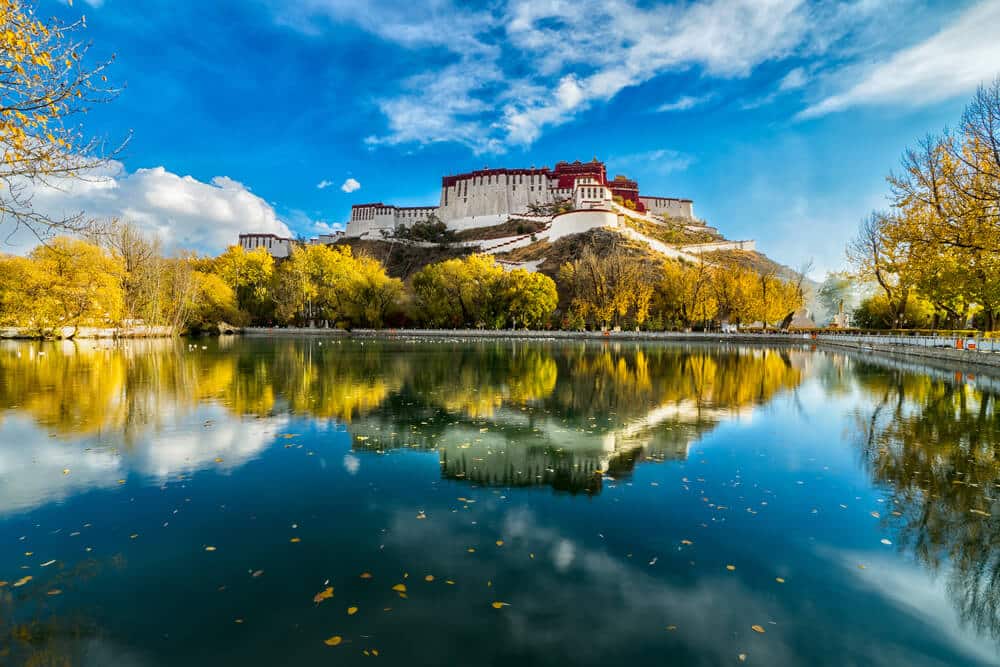
Day 1–2 | Lhasa | Visit the Potala Palace and Jokhang Temple for a first glimpse into Tibetan Buddhist culture |
Day 3 | Around Lhasa | Explore Sera Monastery and watch the monks' debating ceremony |
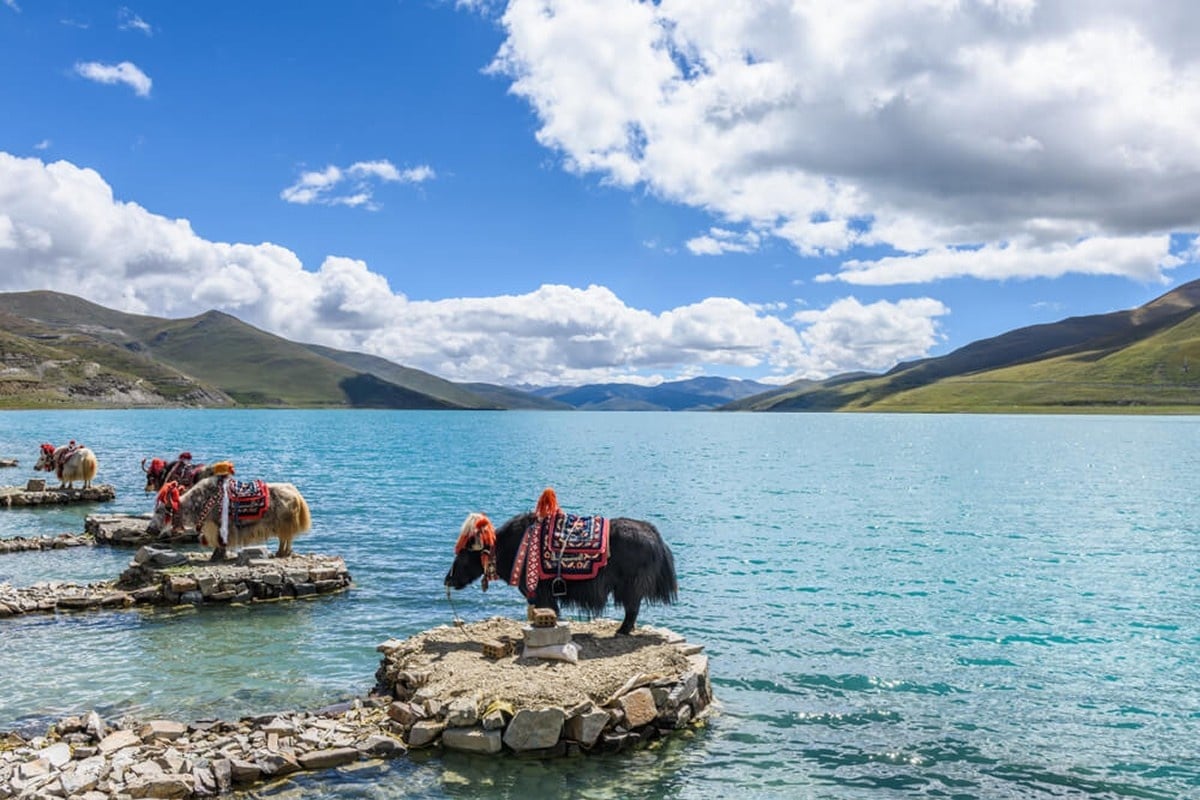
Day 4 | Lhasa → Shigatse | Pass by Yamdrok Lake and Karola Glacier, taking in the stunning plateau lakes |
Day 5–6 | Shigatse | Visit Tashilhunpo Monastery and learn about the history of the Panchen Lama |
Day 7 | Shigatse → Lhasa | Experience a thangka painting class and stroll through Barkhor Street |
Day 8 | Lhasa → Hong Kong | End of journey, return to Hong Kong |
Accommodation highlights: Throughout the trip, stay at well-reviewed hotels in high-altitude areas, such as the Lhasa Brahmaputra Grand Hotel and the Shigatse Hilton, ensuring both comfort and safety.
Trip Highlights
- In-depth Cultural Exploration: Guides and experts lead visits to the Potala Palace and Jokhang Temple, offering deep insight into Tibetan faith and history.
- Magnificent Natural Scenery: From the sacred Yamdrok Lake to the snow-capped peaks of Karola Glacier, experience the pristine beauty of the plateau.
- Interactive Experiences: Visit a Tibetan family and try your hand at thangka painting, adding warmth to your journey.
- Balanced Pace: The itinerary is designed to avoid excessive travel, allowing your body to naturally adapt to the high-altitude environment.
👉 Further Reading|Tibet Travel Guide






If you have a bit more time and want to stay longer in Tibet for a deeper experience of its natural scenery, the Nyingchi In-Depth Tour is the ideal choice. Compared to the 8-day tour, the 10-day 9-night Nyingchi itinerary not only preserves the cultural highlights of Lhasa and Shigatse, but also adds the "Jiangnan of the Snowlands" — Nyingchi — where you can enjoy magnificent canyons and the spring-only peach blossom scenery.
This extended itinerary costs approximately HK$21,800, with the extra two days mainly spent in the Nyingchi section, offering a more relaxed pace and richer, season-limited scenic layers.
Itinerary Comparison
Item | Tibet 8 Days 7 Nights | Nyingchi 10 Days 9 Nights |
Tour Price | Approx. HK$18,800 | Approx. HK$21,800 |
Main Destinations | Lhasa, Shigatse, Namtso | Nyingchi, Lhasa, Shigatse, Everest Base Camp |
Scenic Highlights | Potala Palace, Jokhang Temple, Yamdrok Lake, Karola Glacier | Nyingchi Peach Blossom Valley, Yarlung Tsangpo Grand Canyon, Basum Lake, Mount Everest Viewpoint |
Itinerary Pace | Culture and nature combined | Nature-focused, with a more relaxed pace |
Recommended For | First-time visitors to Tibet, those who prefer a steady pace | Those wanting an extended trip, photography and nature exploration enthusiasts |
✨ Itinerary Highlights Explained
- Nyingchi Peach Blossom Season (March–April): Known as "Tibet's most beautiful spring," where snow-capped mountains and pink blossoms weave together into a dreamlike scene.
- Yarlung Tsangpo Grand Canyon: One of the deepest canyons in the world, offering distant views of the majestic Namcha Barwa peak.
- Basum Lake: Its emerald green waters are regarded by locals as a sacred lake.
- Everest Viewpoint and Rongbuk Monastery: Enjoy an up-close view of the magnificent sight of the world's highest peak.
This extended route is designed to let travelers experience both the "cultural depth" and "natural breadth" of Tibet in a single journey.


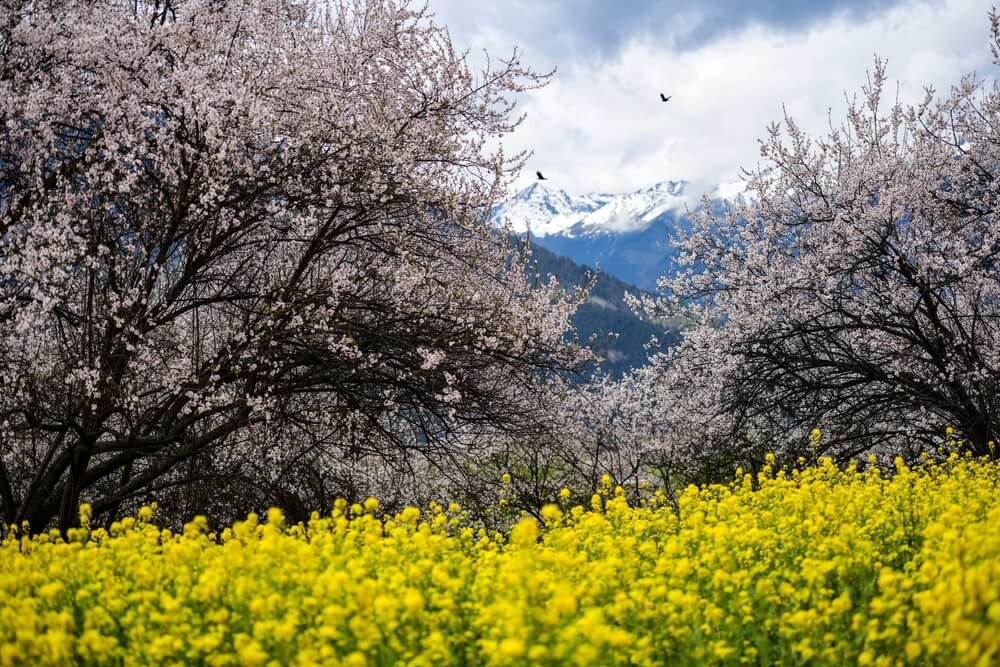

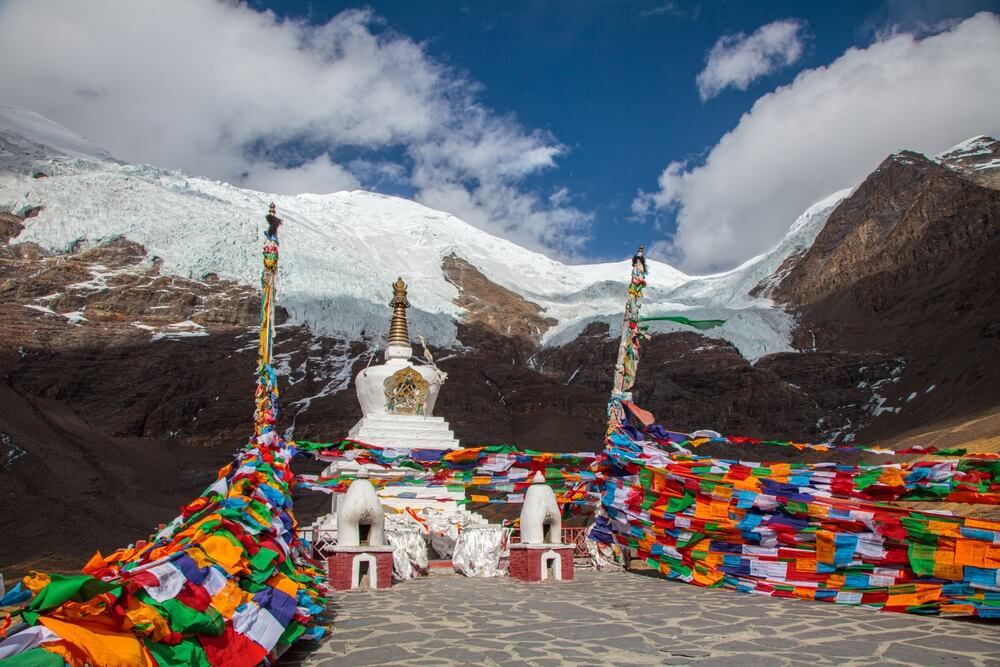
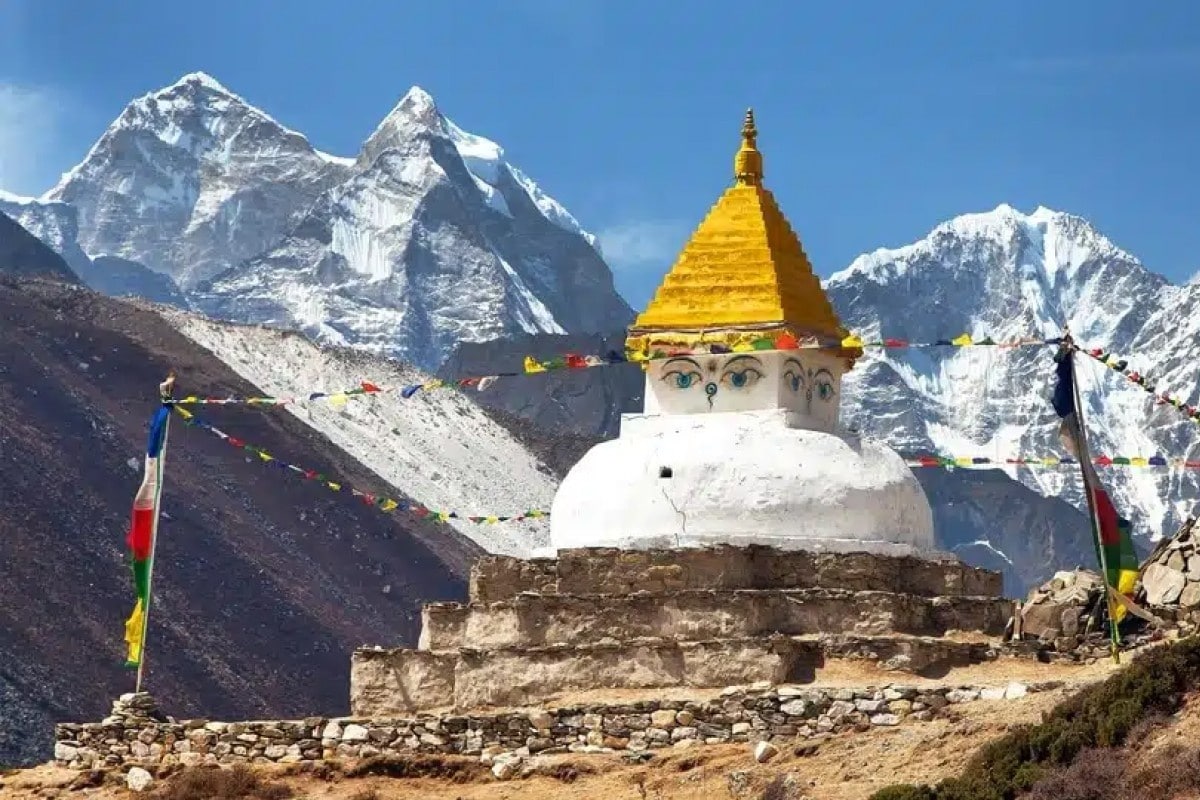
Tibet offers different scenery throughout the year, with March to October being the most recommended travel period. Spring brings peach blossoms in Nyingchi, summer offers blue skies and plateau lakes, and autumn showcases golden valleys — each season revealing a different facet of Tibet's charm. If you prefer to avoid crowds and enjoy tranquil scenery, the off-season after October is also a great choice.
Tibet's Main Travel Months and Highlights Comparison Table
Month | Climate Characteristics | Travel Highlights | Suitable For |
March–April | Cool and dry, large temperature difference between morning and evening | Nyingchi peach blossom season, snow mountains complementing floral scenery | Photography travelers, nature lovers |
May–June | Warming temperatures, clear air | Plateau lakes at their clearest, ideal for first-time visitors to Tibet | First-time travelers |
July–September | Most stable weather, strong sunlight | Grasslands and lake scenery at their most magnificent, many festivals | Those wanting to see Tibet's richest scenery |
After October | Cool to cold, fewer tourists | Peaceful attractions, experience Tibet's pure, unspoiled landscape | Those wanting to avoid crowds |
👉 Further Reading: To learn more about weather changes, clothing recommendations, and festival information for different months, please refer to the following articles
〈Tibet's Best Travel Seasons: A Complete Guide〉
〈Tibet's Climate and Plateau Weather Fully Explained〉
These two articles approach the topic from practical climate advice and seasonal travel highlights respectively, helping you choose the ideal departure time based on your interests (photography, natural scenery, or festival culture).
After completing your budget planning, there are still a few practical points worth noting before departure. Tibet is a high-altitude region, and its climate and urban environment differ greatly from other places. Understanding physical adjustment, pre-trip preparation, and budget allocation before departure can make your entire journey more reassuring and smooth.
💡 Before departure, you can first refer to:
- 〈Tibet Travel Guide〉: Essential pre-trip items, visa and Tibet Entry Permit application process.
- 〈Tibet Altitude Sickness & Adaptation Tips〉: Understanding altitude sickness correctly and advice on physical adjustment.
These two articles will help you gain a fuller grasp of trip preparation details, especially for first-time visitors to Tibet.
- Overall Budget Suggestion: approx. HK$25,000 (including tour fee, flights, insurance and miscellaneous expenses).
- Personal Spending Reserve: approx. HK$1,000–2,000 (for shopping and personal activities).
- Single Room Supplement: approx. HK$4,600–5,800; if a single room isn't required, you'll be paired with a same-sex group member, saving this cost.
- Travel Insurance: It's recommended to choose a plan covering high-altitude medical treatment and emergency evacuation.
- Currency and Payment Methods: Electronic payments (WeChat Pay, Alipay) are widely accepted in major Tibetan cities such as Lhasa and Shigatse, but some towns or small vendors still primarily deal in cash. It's advisable to carry a small amount of RMB cash for unexpected needs.
Overall, Tibet is a destination where costs are predictable and the experience is highly valuable. Taking an 8-day itinerary from Hong Kong as an example, you can complete an in-depth journey combining culture and nature without needing an extra-long holiday.
Tibet's charm lies in its purity and depth. Whether it's the spiritual atmosphere of Lhasa, the historical richness of Shigatse, or the scenery of Namtso Lake, each place lets you rediscover inner peace. For travellers departing from Hong Kong, an 8-day, 7-night itinerary is enough to explore Tibet's culture and natural landscapes in depth; if time allows, extending to the Nyingchi route lets you enjoy the magnificent highland canyons and spring peach blossoms.
A trip to Tibet is not just a journey—it's a cleansing of the soul. With proper budget planning and guidance from a professional team, you can easily and safely experience the grandeur and tranquillity of the "Roof of the World." DeWonder has specialised in in-depth Tibet tours for 10 years, leading small groups of 8–14 people on deep dives into Tibet's classic cultural itineraries.
👉Learn more about DeWonder's curated In-depth Tibet Tour
DeWonder Tibet In-depth Tour Information Pack 👉 Click here to download
DeWonder In-depth Tibet Tour👉 View Full-Year Departure Schedule