
Is Egypt Worth Visiting? A Pros-and-Cons Analysis and Guide to Assessing Which Travellers It Suits
An objective analysis of the pros and cons of travelling in Egypt, plus 5 key assessment criteria to help you decide whether Egypt is the right destination for you
The bottom line first: Egypt is absolutely worth visiting, but it puts your "way of travelling" to the test. Egypt is a classic "high barrier, high reward" travel destination.
- Home to world-class AAAAA-rated historical sites (such as the pyramids and temples)
- The impact of its history and culture is almost irreplaceable
- But outside the sites, chaotic traffic, a tipping culture and constant touting are also extremely common
So if you can hand the external "hassles" over to a professional team, Egypt may well become the most awe-inspiring trip of your life. After visiting Egypt in person, DeWonder founder Rubio gave a very honest assessment: "Egypt is remarkable—no one comes away with a good first impression. The moment you step out of the airport, you're met with rubbish-strewn streets, passers-by everywhere with their hands out for tips, and the thick dust that blankets Cairo." But he also added: "And yet this is the place with the most top-tier attractions per capita in the world. Every pyramid, every temple would be an irreplaceable national treasure in any other country. Egypt has, surprisingly, managed its sites as professionally as Britain or France, making the inside and outside of the sites two completely different worlds." So is going to Egypt paying to suffer, or witnessing a once-in-a-lifetime miracle?Below, we analyse it objectively through the pros and cons and the types of travellers it suits.

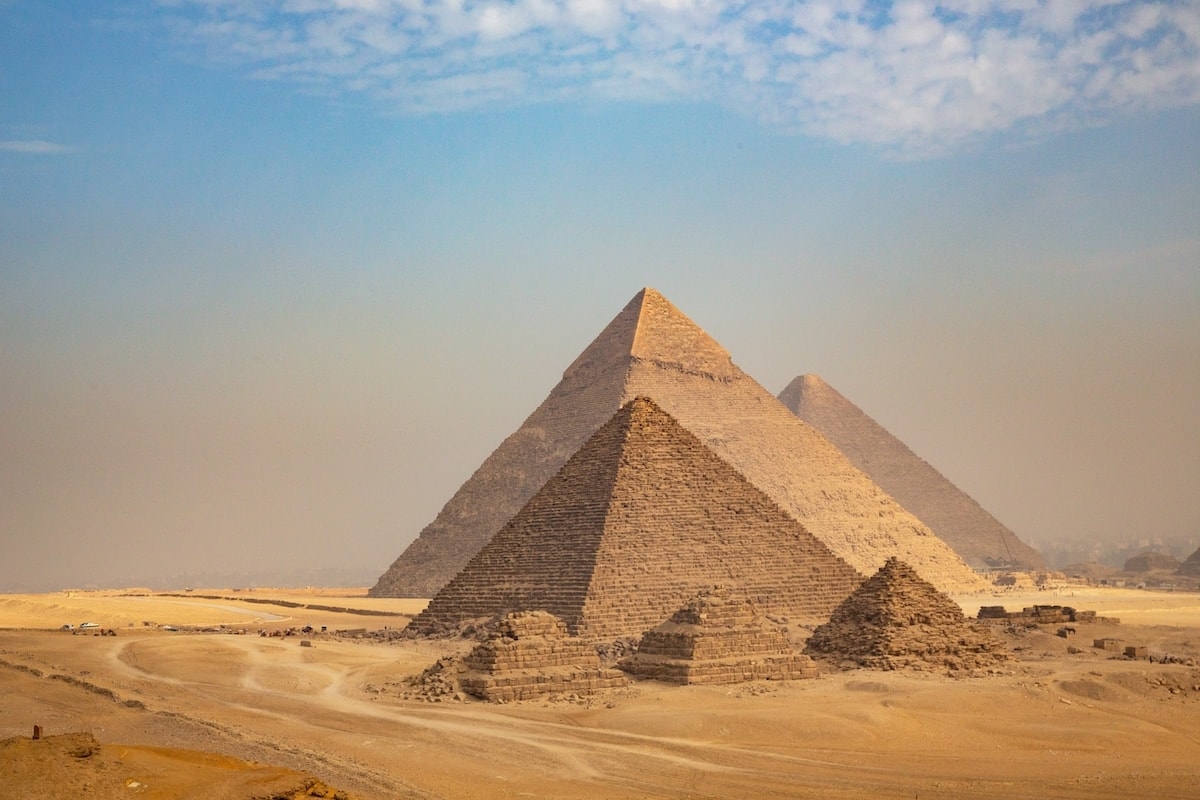
DeWonder founder Rubio standing before the Pyramids of Giza. Although first impressions of Egypt can catch travellers off guard, once you truly step into these ancient civilisation sites, many come to understand why it is called a "once-in-a-lifetime journey through civilisation."
The Challenges of Travelling in Egypt (Cons) | The Highlights of Travelling in Egypt (Pros) |
Frequent tipping and hard-sell culture | The sheer awe of the pyramids and temples |
Uneven urban infrastructure and dust | World-class heritage of an ancient civilisation |
Complex intercity transport planning | Heavyweight sites such as the Grand Egyptian Museum |
Independent travellers easily fall prey to scams | The unique experience of a Nile cruise |
In short: Egypt is not a country for a relaxing holiday, but a travel destination of extremely high cultural density.
In Egypt you will quickly discover that:
- the person who carries your luggage
- the person who gives you directions
- the restroom attendant
- the vendors outside the sites
may all expect a tip. Many travellers feel a bit of pressure the first time they encounter this. The phrase you'll hear most often is:"One Dollar." The overly enthusiastic hard selling outside the sites often leaves those unaccustomed to saying no feeling worn out. 👉 Further reading : How to Tip in Egypt 👉 Further reading : A Guide to Haggling in Egypt

In the traditional markets of Cairo, haggling and tipping are part of everyday life. For first-time visitors to Egypt, this is often the most disconcerting cultural difference.
The first impression Cairo leaves is often:
- Lots of dust
- Streets that aren't very clean
- Chaotic traffic
In addition:
- Different dietary habits
- Differences in water quality
- Stomach and digestive discomfort
are all common occurrences. Although Egypt is not as conservative as other Islamic countries, female travellers may still attract more attention on the streets. 👉 Further reading : Egypt Travel Safety 👉 Further reading : Egypt Travel Health & Hygiene Safety 👉 Further reading : Is Egypt Safe for Women Travellers? A Real Experience Shared
Egypt's attractions are spread across a vast area.
City | Main Attractions |
Cairo | Giza Pyramids, Grand Egyptian Museum |
Luxor | Valley of the Kings, Karnak Temple |
Aswan | Philae Temple, Abu Simbel |
You'll usually need to travel by:
- Domestic flights
- Overnight sleeper trains
- Long-distance buses
- Nile River cruises
If you plan everything entirely on your own, coordinating all these connections can take a great deal of effort. 👉 Further reading: Top 10 Must-Visit Attractions in Egypt 👉 Further reading: Egypt Transport Guide
The moment you step into these sites, many people find that Egypt is truly a whole different world.
Many people assume the pyramids are flawless structures. But after his visit, Rubio made an interesting observation: "Back then, the pharaohs also first built several pyramids with collapsed foundations and wrong angles; it was only later generations who gradually worked out the golden ratio." In other words: great civilizations were actually built through trial and error too. Standing before the pyramids, you don't just see ancient ruins—you witness a human engineering marvel from 4,500 years ago. 👉 Further Reading: An Expert's Guide to Visiting the Pyramids
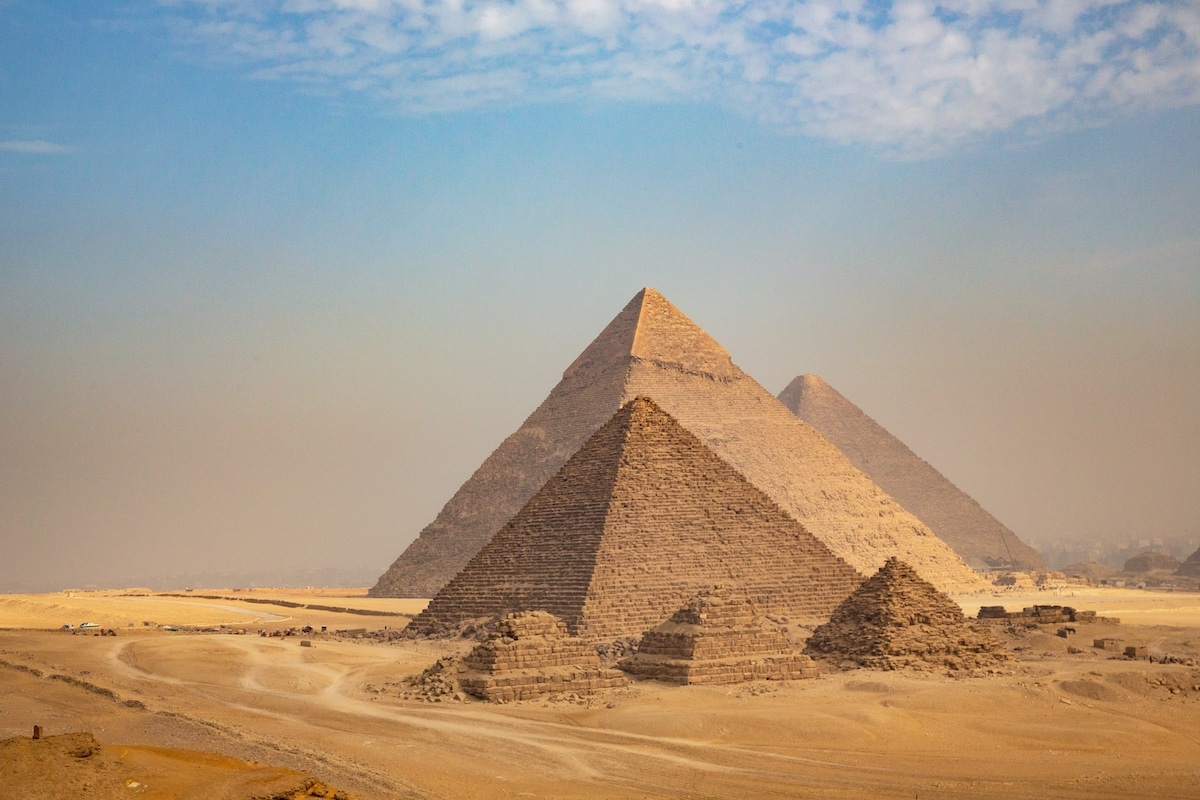
The Giza Pyramid complex. It's only when you truly stand before the pyramids that most travellers grasp their staggering scale. Built more than 4,500 years ago, these colossal stone structures remain one of the greatest engineering marvels of human civilisation.
Back in their day, the pharaohs poured the resources of the entire nation into building their tombs — seemingly a drain on labour and money. Yet thousands of years later, the pyramids, temples and artefacts bring Egypt billions of US dollars in tourism revenue every year. In a sense, the pyramids may well be one of the most successful long-term investments in human history. 👉 Further Reading: Must-See Artefacts at the Grand Egyptian Museum
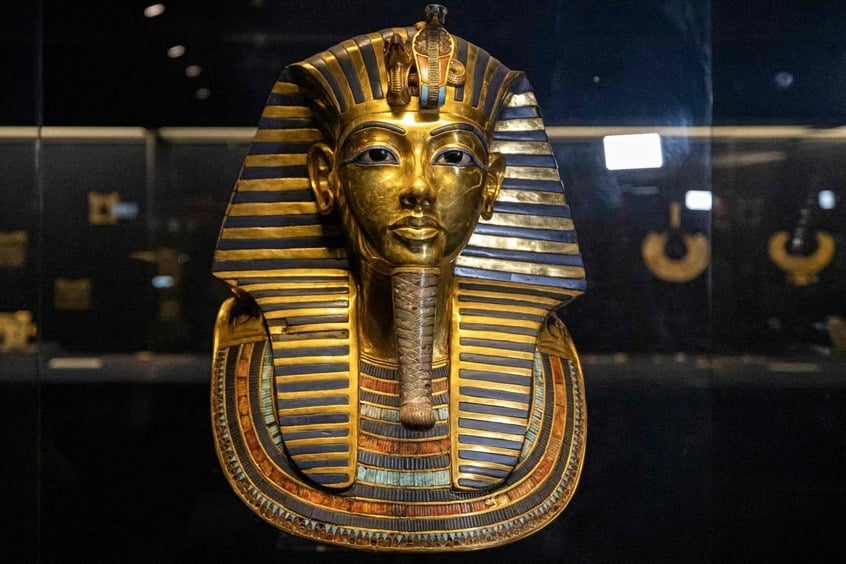
Tutankhamun's golden mask and burial artefacts are now preserved in full at the Grand Egyptian Museum. Crafted thousands of years ago for the pharaohs' tombs, these treasures have today become an invaluable cultural asset that draws travellers from around the world and continues to generate enormous tourism value for Egypt.
Unlike the chaotic cities, Egypt's temple sites are in fact extremely well managed. When you see:
- carvings from thousands of years ago
- murals still vivid with colour
- intact temple architecture
the sheer awe of that dialogue with an ancient civilisation is something no photograph can convey.

Well-preserved wall paintings and reliefs in an ancient Egyptian temple. The colours and carvings from thousands of years ago remain vivid, making you feel as if you can converse directly with the ancient Egyptian civilisation.
An Egypt itinerary isn't just about ancient sites.The Nile cruiseis many people's favourite part. On board the cruise:
- Feel the breeze off the Nile
- Gaze at the oases along both banks
- Visit the riverside temples
The pace of travel suddenly slows down. 👉 Further Reading: Sharing the Nile Cruise Experience
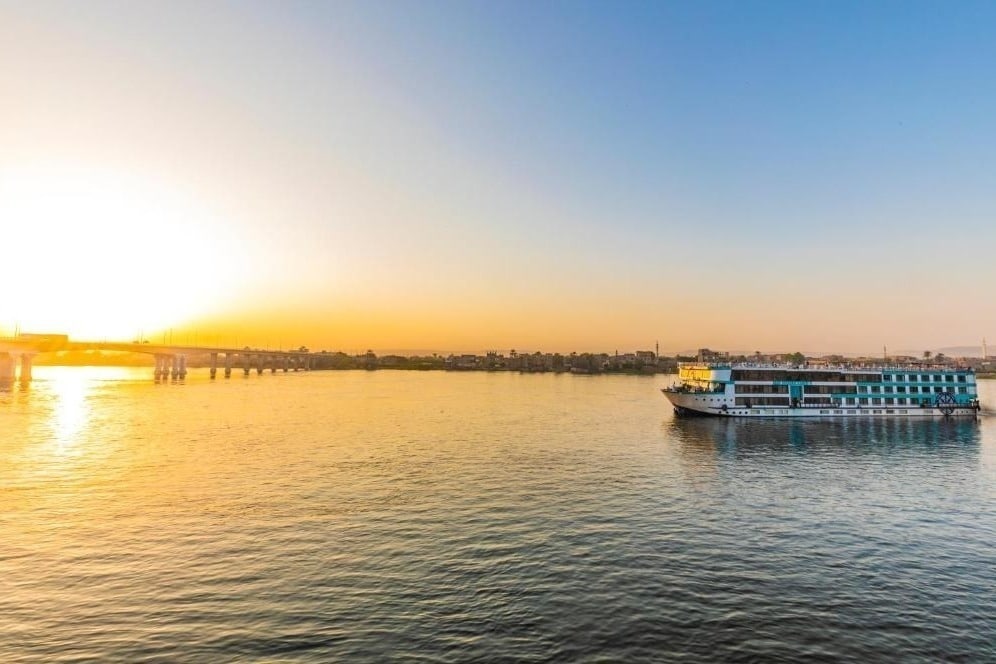
Sunset views on a cruise along the Nile. Between the packed visits to temples and ancient sites, the Nile cruise slows the pace of travel and becomes the most relaxing stretch of the Egypt journey.
Travelling in Egypt really depends on your personal travel style and type. Before you set off, you can ask yourself five questions.
Assessment Question | Why It Matters |
Are you interested in history and ancient civilisations? | 80% of the itinerary is ancient sites |
Can you cope with early starts and high temperatures? | Many parts of the itinerary set off at dawn |
Can you accept a somewhat chaotic urban environment? | Cairo differs greatly from Europe |
Can you handle a culture of touting and tipping? | Very common outside tourist sites |
Are you willing to deal with long-distance travel? | The cities are far apart |
Count how many of the questions above you answered "Yes" to, and use it to gauge whether travelling in Egypt suits you:
Number of Yes | Conclusion |
4–5 | Egypt is a great fit for you |
2–3 | You can go, but how you travel matters a lot |
0–1 | It may not be the right fit |
If you:
- Really want to see the pyramids
- Don't want to deal with touting and transport
- Want to focus on exploring ancient civilisations
then a small-group, in-depth tour is usually the most relaxed way to go.
Rubio once shared an interesting observation: the place with the most pyramids in the world is actually Sudan. But Sudan lies in a remote desert, with no roads and prolonged conflict, so almost no travellers can go there. This illustrates one thing: no matter how great a destination is, it still needs good "access".Whether Egypt is worth visiting often depends on how you choose to travel. If you'd like to travel through Egypt while having someone help arrange your transport and itinerary, so you can focus on understanding the culture, appreciating the sights, and soaking up the rhythm of the journey, a well-planned small-group in-depth tour will make the whole experience far more relaxing. And DeWonder's Egypt In-Depth Tour small-group deep-dive itinerary is one option worth considering that lives up to those expectations: ✨ Tour Highlights:
- Connect Cairo with the Aswan Nile River cruise via domestic flights — no long drives, no backtracking
- A 4-day, 3-night Nile River cruise, travelling slowly along the river of the pharaohs
- Expert-led commentary to help you understand the stories behind the temples, murals, and religious rituals
- Small groups of 8–14 people, for a more comfortable pace and a deeper experience
So you don't just pass through — you truly step into the heart of ancient Egyptian civilisation. 👉 View the full-year departure dates for our in-depth Egypt tours 👉 Join our free online seminar to have your Egypt itinerary questions answered 👉 Click here to register DeWonder In-Depth Egypt Tour Info Kit 👉 Click here to download 👉 See moreEgypt travel guide 👉 Further reading: Introducing Egypt's Temples Series
👉 Further reading:A Guide to Egyptian Mythology | Decoding Egyptian Symbols 👉 Further reading:A Guide to the Pyramids of Egypt | A Guide to the Grand Egyptian Museum