
Is It Safe to Travel to Morocco? A Complete Guide and Travel Tips
Worried about safety when traveling in Morocco? Don't worry! We've compiled common travel situations, city highlights, and handy tips to help you plan an unforgettable Moroccan trip with peace of mind.
Morocco attracts countless travelers with its magnificent Sahara Desert and charming blue towns, but many people still wonder before setting off: "Is it safe to travel to Morocco?" In fact, Morocco's overall public security is relatively stable within North Africa, and tourist areas are further protected by police presence. This article compiles common risks and facts to help you plan your Moroccan trip with confidence.
Morocco is one of the most popular tourist destinations in North Africa, attracting more than ten million international visitors every year. As tourism is a vital pillar of Morocco's economy, the government places great emphasis on security management, particularly in cities and attractions with high concentrations of tourists, where patrolling police or Tourist Police units are commonly seen. In the old town of Marrakech, the blue city of Chefchaouen, the ancient city of Fez, and even in major cities like Casablanca, security in tourist areas is relatively well maintained. For most travelers from Hong Kong and Taiwan, Morocco is not a dangerous country—what really requires attention is petty theft or tourist traps in the markets, rather than serious security issues. As long as you understand the risks in advance and take basic precautions, your travel experience should generally be safe and enjoyable.
While traveling in Morocco, you can enjoy the scenery and culture with peace of mind most of the time. However, as with other popular tourist destinations, you may encounter a few "minor hiccups" along the way. In fact, these situations are mostly part of everyday travel experiences—knowing how to handle them in advance makes them easy to deal with. Common Situations in Morocco Travel & Helpful Tips
Common Situation | Explanation | Helpful Tips |
Crowds in the markets | The old quarters of Marrakech and Fes are lively and crowded, with occasional pickpockets | Keep valuables close to your body and avoid carrying too much cash |
Overly friendly guides | Some people will offer to show you around, then ask for a tip afterwards | Politely decline unofficial guides; it's best to arrange a licensed guide or travel agency |
Varying taxi fares | Some drivers don't use the meter or charge tourists more | Confirm the fare before getting in, or use a legitimate local ride-hailing app |
Enthusiastic sales pitches | Markets often have vendors selling carpets, spices, or souvenirs | A smile and a simple no is enough — no need to feel pressured |
Quieter streets at night | In a few non-touristy areas, there is less foot traffic and lighting at night | Stick to main areas for nighttime activities, or go out in a group |
Overall, these are common situations found in most travel destinations, similar to what you'd experience in major European cities like Paris or Rome.As long as you maintain basic travel awareness, your journey through Morocco can still be smooth and thoroughly enjoyable.

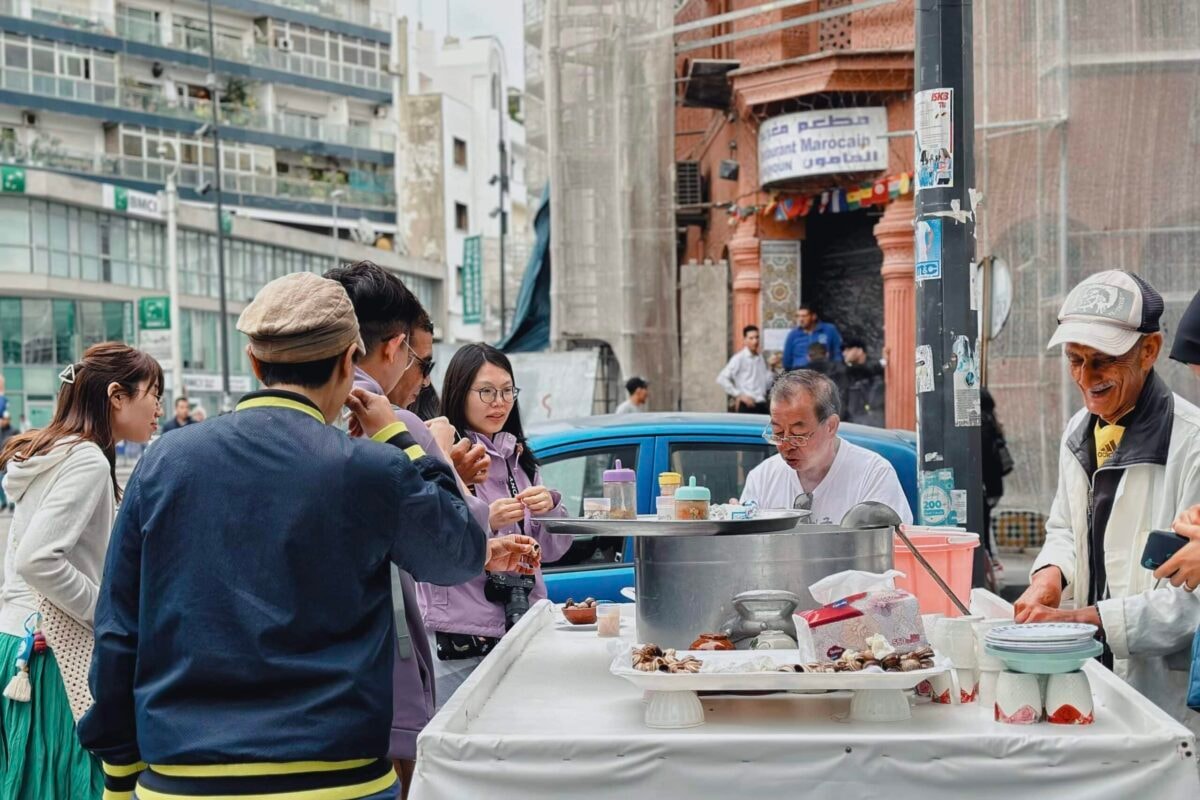
Wandering through the markets and sampling street food in Morocco is the most direct way to experience local culture. The atmosphere is lively and welcoming — with just a bit of attention to basic travel details, you can fully enjoy the experience.
The sense of safety varies somewhat between Morocco's major cities. Overall, popular tourist cities generally have police patrols and plenty of visitors, making them relatively secure environments. However, each city has its own characteristics, and the precautions to take differ accordingly:
- Chefchaouen: Known as the "Blue City," it has a relaxed atmosphere and relatively good security, making it one of the most comfortable cities for many travellers. Simply avoid wandering into quiet alleys at night, and you can safely enjoy the local scenery.
- Marrakech: As Morocco's tourism hub, the markets and old town are bustling, with ample police presence. However, due to the crowds, petty theft and aggressive selling are more common. It's advisable to keep an eye on your belongings around Jemaa el-Fnaa Square and the markets, and to familiarise yourself with local bargaining customs beforehand.
- Casablanca: Morocco's largest city, with heavy traffic and a dense population — as with most major cities, safety varies by area. Tourist attractions (such as the Hassan II Mosque) are well-policed, but extra caution is still needed in non-tourist areas or at night.
- Fes: Home to a UNESCO World Heritage old town, but its winding alleyways make it easy to get lost. Occasionally you may encounter "helpful guides" who expect a tip for directions — it's advisable to visit with a proper licensed guide for greater peace of mind.
Want to know more about Morocco's must-see attractions? Read on 👉 Must-Visit Attractions in Morocco
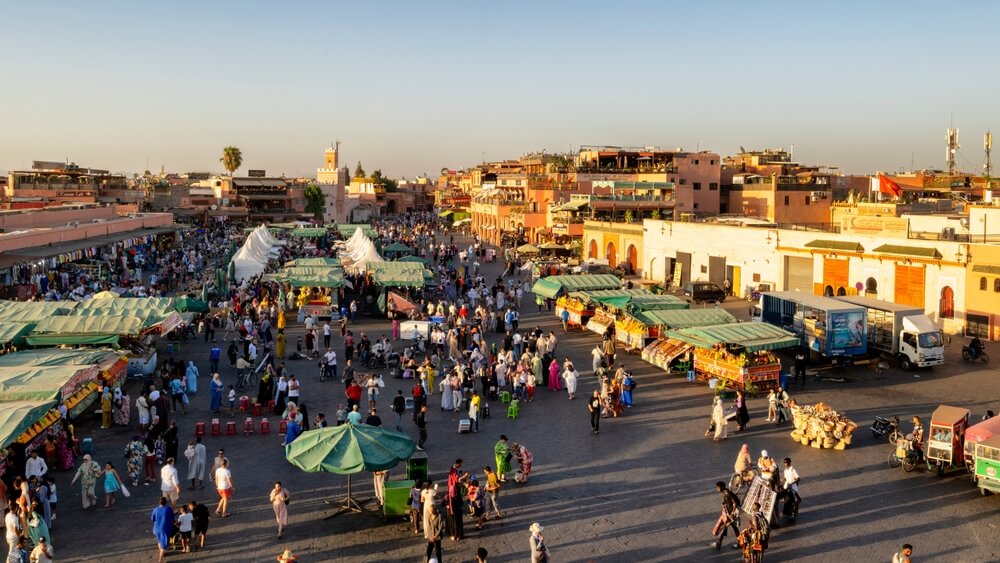
Jemaa el-Fnaa Square in Marrakech is Morocco's liveliest marketplace and cultural stage. Although it's crowded, staying alert to basic precautions lets you enjoy its vibrancy and charm with peace of mind.
Traveling in Morocco can feel much safer if you pay attention to a few small details. Here are some practical tips:
- Keep your documents and belongings secure : It's advisable to store photocopies of your passport separately from your cash, and keep important items in a money belt or anti-theft backpack to reduce the risk of loss or theft.
- Choose reliable transportation : For intercity travel, it's recommended to take the train or a licensed long-distance bus; when getting around within a city, you can use Roby, an app that partners with licensed taxis, offering transparent pricing and helping you avoid fare disputes.
- Stick to lively areas at night : In the evening, it's best to stay in main squares or areas popular with tourists, such as Jemaa el-Fnaa Square in Marrakech. Avoid wandering into secluded or poorly lit streets.
- Interacting with locals : Moroccans are generally friendly and talkative, but if you encounter overly aggressive selling or pestering, simply stay polite and smile as you decline.
Of course, if you choose a small-group tour, transportation, accommodation, and guiding are all arranged by a professional team — not only saving you worry, but also helping you avoid the hassle of hailing rides or bargaining, so you can enjoy Morocco's culture and scenery with peace of mind.
Q1: Is Morocco safe for travellers from Hong Kong and Taiwan? Overall, Morocco's main tourist cities have police patrols and are relatively safe for visitors. Common issues are mostly petty theft or overly aggressive selling; as long as you keep an eye on your belongings and use basic travel common sense, most travellers can complete their trip with peace of mind. Q2: Is it dangerous for a woman to travel to Morocco alone? This is a question many people care about. We've written a separate article with a detailed answer, along with practical tips for women travelling solo 👉 Is Morocco Safe for Women? A Complete Guide to Precautions (coming soon). Q3: What cultural taboos should you be aware of in Morocco? Morocco is a predominantly Islamic culture, and there are certain things to respect regarding dress and social interaction, such as avoiding overly revealing clothing. We've compiled detailed advice in other articles 👉 Morocco Dress Code and Cultural Taboos |👉Morocco Religion and Travel Precautions Q4: Can you go out at night in Morocco? Being out at night in main squares or tourist areas (such as Jemaa el-Fnaa Square in Marrakech) is safe, but it's advisable to avoid walking alone into quiet or poorly lit alleys. Q5: Should you join a tour group? If you want a more worry-free trip, especially when it comes to transportation, accommodation, and guiding, joining a small-group tour will give you more peace of mind than travelling independently, while also allowing you to experience the local culture in depth. 👉 Check out DeWonder's curated Morocco in-depth tours If you don't want to worry about tedious planning during your trip, DeWonder's Morocco In-depth Tour has prepared a complete and thoughtful plan for you. With over 10 years of experience in Morocco, we're familiar with the local culture, routes, and pace, allowing us to guide travellers away from superficial, rushed sightseeing. Our tours stick to small groups (around 8–14 people), led by professional guides, paired with comfortable transportation and local specialty experiences, so you can explore with peace of mind without having to worry about accommodation, transportation, or safety details. DeWonder Morocco In-Depth Tour Information Pack 👉 Click to Download Join Our Free Online Seminarto Answer Your Questions About the Morocco Itinerary 👉 Click to Register See More Morocco Travel Guides👉 The Complete Morocco Travel Guide