
Mongolia Travel Health & Safety Guide: Handling Drinking Water, Food, and Environmental Facilities
Worried about acclimatisation and hygiene issues on your Mongolia trip? This practical handbook shows you how to properly handle water sources, prepare essential medications, and confidently cope with the environmental facilities of the steppe.
Mongolia Travel Hygiene Guide
Mongolia's grandeur comes from its wilderness, but this also means the travel experience differs between the "city" and the "steppe." In the capital, Ulaanbaatar, you can enjoy modern facilities; venturing into the vast steppe and Gobi, you experience the true face of nomadic life. Compiled by the professional team at DeWonder Travel, this article explains the most authentic environmental conditions, how to cope with acclimatisation, and the essential pre-trip survival preparations you'll need.City vs. Steppe: The True Picture of the Hygiene Environment
Many people worry about Mongolia's "hygiene," but the key actually lies in managing expectations around "nomadic culture."Comparing the Hygiene and Safety Environments of Urban Mongolia and the Steppe
| Comparison Item | Ulaanbaatar (Urban Area) | Steppe and Gobi (Wilderness Area) |
| Toilets | Modern facilities, good hygiene conditions | Rather basic facilities, or a natural open-air environment |
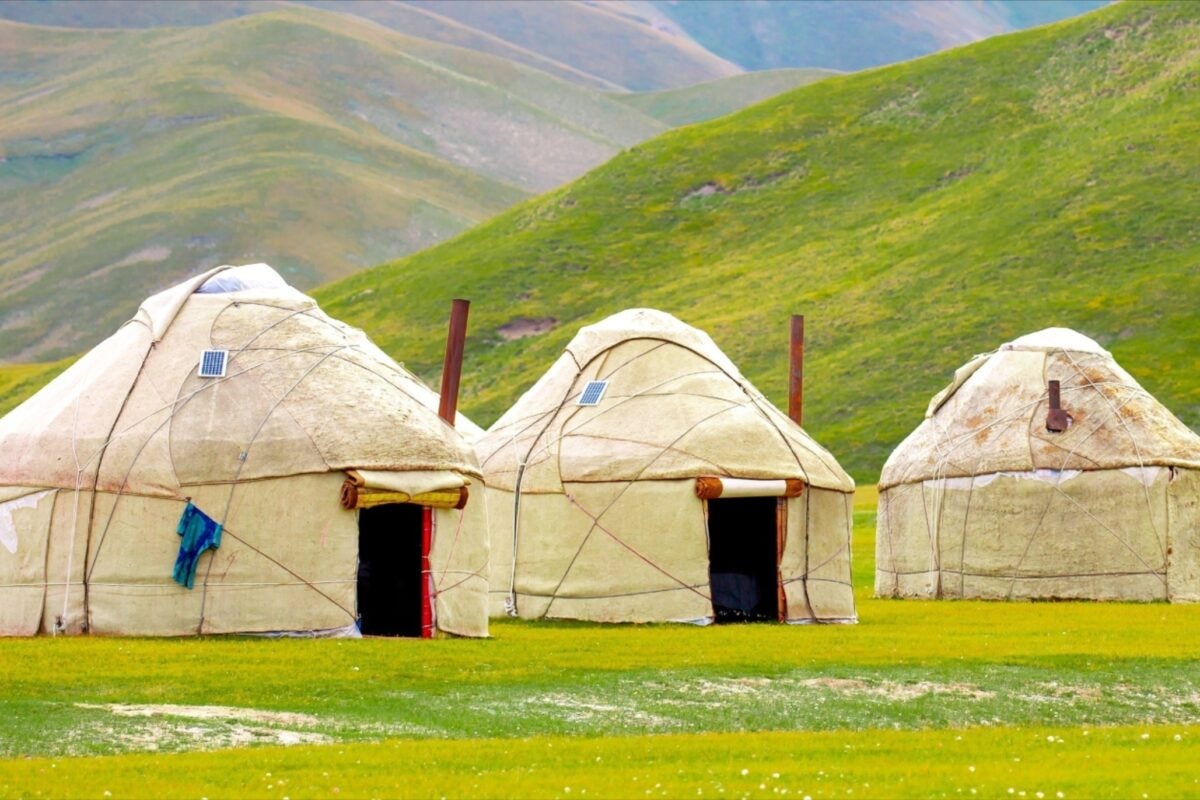
| Accommodation | Modern hotels, guesthouses | Luxury Ger Camps |
| Drinking Water | Bottled water widely available; restaurant water quality poses no concern | Bottled or boiled water recommended |
| Mindset for Adapting | Just like travelling in metropolitan Hong Kong | Enjoy nature; bring your own cleaning aids |
How to Prevent "Acclimatisation Issues"? Eating Well on Your Nomadic Journey
Mongolian cuisine is based mainly on meat and dairy products. For travellers accustomed to a lighter diet, there are a few keys to the adaptation process:- Take it step by step—don't rush: For the first two days after arriving on the steppe, cut down on eating too much high-fat mutton and large amounts of rich milk tea. Start with noodles and vegetables as a buffer, giving your stomach a transition period to adapt to the high-calorie local diet.
- Hydration is key: Mongolia's climate is extremely dry and moisture is lost very quickly, which is often mistaken for feeling unwell. Be sure to drink 1.5 times more water than you would in Hong Kong.
- Keep probiotics/stomach medicine on hand: We recommend starting probiotics one week before departure and preparing basic stomach medicine suited to you personally, to prevent mild diarrhoea caused by changes in diet.
- Choose qualified partners: Why does DeWonder insist on choosing carefully selected Ger Camps? Because these camps have independent kitchens and hygiene standards that we have inspected on-site, which greatly reduces the gastrointestinal risks caused by improper food handling.
Travel Precautions: The "Devil in the Details" to Watch For
Beyond food and toilets, the following points are often overlooked yet greatly affect your physical comfort:- Protection against extreme dryness: Mongolia is very dry, so lip balm and moisturising lotion are essentials; otherwise you may easily develop dry, itchy skin or cracked corners of the mouth, which can be mistaken for "being sick".
- Sun and windblown sand: The UV rays on the grasslands are extremely strong, so physical sun protection (a hat, sunglasses) is more important than applying sunscreen. Sunscreen tends to trap sand in dry areas, so if you use it, be sure to cleanse thoroughly.
- Cleansing supplies: We recommend preparing a "rinse-free spray" or "hand sanitiser", because water sources on the grasslands are precious. On days when you cannot shower, these small items can keep you basically dry and comfortable.
Common Q&A on Hygiene and Sanitation for Travel in Mongolia
Q: What is the state of toilet hygiene in rural Mongolia?
A:Restrooms in downtown Ulaanbaatar are modern and clean. When venturing deep into the steppe, luxury camps often have private bathroom facilities, though amenities are more basic in remote wilderness areas. We recommend carrying wet wipes, tissue paper, and hand sanitiser so you can handle any situation with ease.Q: What should I do if I experience stomach discomfort during the trip?
A:Staying hydrated is key. When it comes to eating, we suggest easing in gradually and cutting back on excessively rich dairy products at first. Be sure to bring the digestive medications you're used to (anti-diarrhoeal and digestive aids). If you experience severe dehydration or persistent diarrhoea, contact your tour leader or local medical services immediately.Q: What medications or first-aid supplies should I bring for a trip to Mongolia?
A:As medical facilities are scarce in the steppe regions, we recommend preparing a basic medical kit that includes everyday stomach and digestive medications (anti-diarrhoeal, probiotics, electrolyte replacement powder), personal regular medications (if you have any chronic conditions), painkillers, and a simple wound-care kit (iodine wipes, plasters). If you need to take specific medications long-term, be sure to bring an adequate supply and keep them in your carry-on luggage.Travel to Mongolia with DeWonder
In Mongolia, many health risks stem from "inadequate planning" or "information gaps." As experts in in-depth travel, DeWonder Travel excels at taking care of every detail. Whether it's dietary adjustment or environmental hygiene, we look out for you from the traveller's perspective. DeWonder's In-Depth Mongolia Tour is not just about arranging transport and accommodation. Through more thorough route design and cultural context, it takes you into this Land of the Eternal Blue Sky—from the steppe and sand dunes to imperial ruins, from the daily life of herders to the rhythm of Mongolian living—making your journey not only beautiful, but truly worth remembering. ✨ Itinerary Highlights:- Step into nomadic life: Visit a herder's yurt and experience the daily life and culture of the Mongolian steppe up close.
- See Mongolia's many landscapes in one trip: Explore classic destinations such as Ulaanbaatar, Bayan Gobi, and the Orkhon Valley.
- Small groups for more breathing room: With an average of 8–14 travellers, we preserve a better pace and a greater sense of connection along the way.
- In-depth travel with stories: Led by an in-depth travel guide who takes you beyond the sights to truly understand Mongolia.