
Morocco Climate Guide: Best Travel Seasons and What to Wear
This article summarises the climate features of different regions in Morocco throughout the year, helping you easily plan the departure time that suits you best!
Dreaming of a starlit night in the Sahara, or wandering through the maze-like streets of the Blue City? Morocco boasts rich natural landscapes and exotic charm that shine in every season. However, from the Mediterranean coast to the desert interior, the climate varies significantly, and choosing the right time to travel can greatly affect your overall experience. This article brings together everything you need to know about Morocco's climate, peak and off-peak travel seasons, clothing recommendations, and key weather points for different cities, so you can pick the best month to travel based on your trip's theme and avoid any surprises.
Morocco has a Mediterranean climate, with abundant sunshine and relatively low rainfall throughout the year. Spring and autumn are the most comfortable seasons, while inland areas can be extremely hot in summer, and winters bring cooler mornings and evenings with noticeable day-night temperature differences. If you're travelling from Hong Kong or Taiwan, it's generally best to avoid months with extreme weather and instead choose the more stable spring or autumn periods. Morocco's climate can be roughly divided into three types:
- Coastal cities (such as Casablanca): Mild climate, suitable for visiting year-round
- Inland and highland areas (such as Marrakech and Fes): Hot and dry summers, with large temperature swings in winter
- Desert regions (such as Merzouga): Extremely dry, best visited in spring or autumn
💡Quick Tip:Even though daytime temperatures in summer can soar to 40°C, early mornings and nights remain cool—be sure to pack a warm jacket, especially for the desert regions.
Morocco can be visited all year round, but if you want to avoid extreme weather and large crowds, spring and autumn (March–May and September–November) are generally considered the best times to travel. During these periods, the weather is pleasant and comfortable, making it ideal for both city sightseeing and Sahara desert adventures. Here's a month-by-month overview to help you quickly find the best time to go:
Month | Climate Features | Suitable Activities | Tourist Crowds | Recommendation |
Jan–Feb | Mild days, cold nights | Ancient city exploration, avoiding crowds | Fewer | ★★★☆☆ |
Mar–May | Most comfortable climate, flowering season | Desert trips, photography, city sightseeing | Moderate to high | ★★★★★ |
Jun–Aug | Hot inland, pleasant along the coast | Coastal relaxation, hiking | Peak season for European travelers | ★★☆☆☆ |
Sep–Nov | Crisp autumn air, soft light | Sahara stargazing, photography | More | ★★★★★ |
Dec | Weather turns cold, large day-night temperature difference | Festive markets, in-depth tours | Busy during the Christmas holidays | ★★★☆☆ |
Spring (Mar–May): Pleasant temperatures with cooler mornings and evenings—the golden season for sightseeing and photography.
- Recommended attire: Long-sleeve tops + light jacket, lightweight trousers
- Essentials: Scarf (for warmth and sand protection), sunglasses, sunscreen
Summer (Jun–Aug): Inland areas are hot and dry, with daytime temperatures in places like Marrakech reaching up to 40°C. Coastal cities such as Casablanca are relatively cooler.
- Recommended attire: Light-colored loose tops, long skirts or breathable trousers
- Essentials: Sun hat, sunglasses, sunscreen, heatstroke prevention supplies
Autumn (Sep–Nov): Comfortable and stable weather—the best season for desert photography and stargazing, with slightly cooler mornings and evenings.
- Recommended attire: Thin long sleeves + light jacket, cotton or linen trousers
- Essentials: A versatile scarf (both stylish and practical), windbreaker
Winter (Dec–Feb): Sunny during the day, but nighttime temperatures can drop below 5°C, especially in desert and highland areas.
- Recommended attire: thick coat, warm base layers, socks are a must
- Essentials: heat packs, hat, warm pyjamas (a must for desert overnight stays)
💡 Quick Tip:Some areas of Morocco have strong winds and intense sunshine, so no matter which season you travel, sun protection and shade accessories are essential.

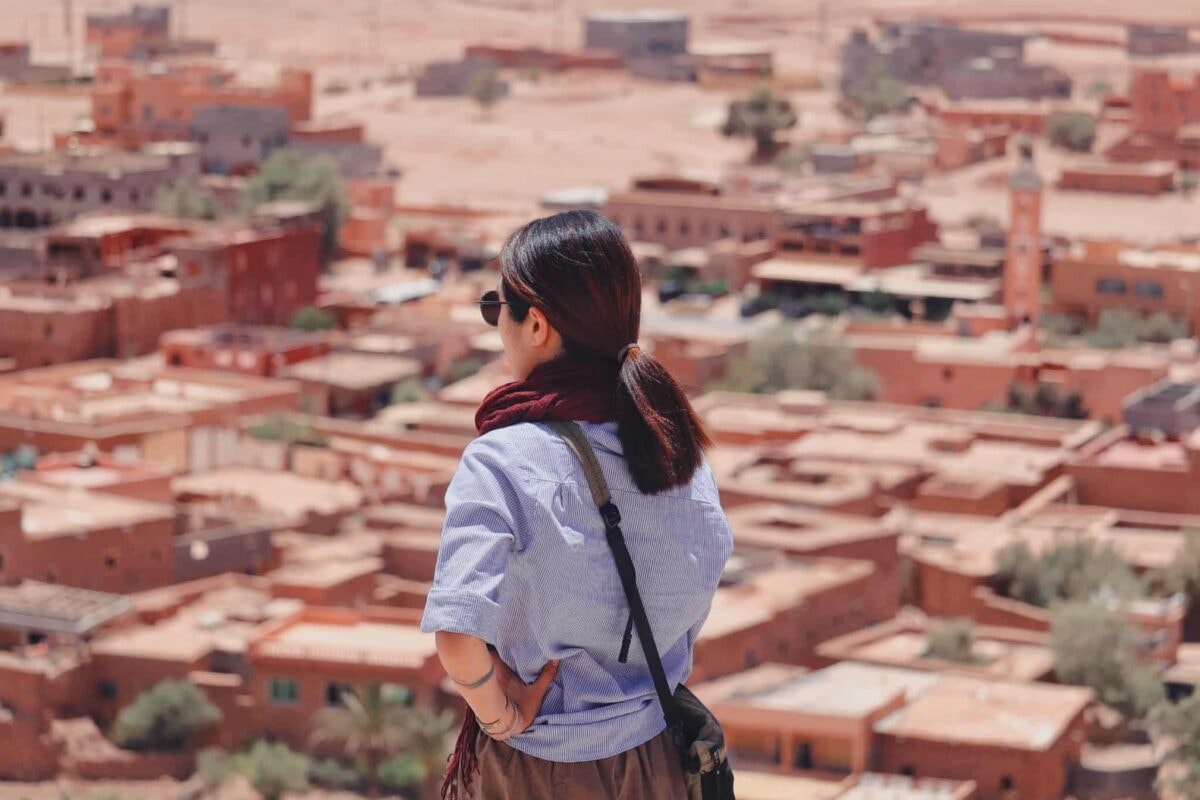
DeWonder travellers demonstrate practical outfits in real life: lightweight long sleeves, loose trousers, a hat and scarf make great travel companions. No need for a big shopping trip—just stick to the sun protection + wind protection principle to handle Morocco's changeable climate.
Climate varies greatly across Morocco's regions. Understanding each city's characteristics and best travel seasons before you set off helps you plan a smoother itinerary. Below is a summary of the climate features of five popular cities/regions: Casablanca
- Climate:Mild year-round, Mediterranean coastal type, with cool sea breezes in summer
- Best Season:Suitable year-round, especially pleasant in summer
- Attire Suggestions:Lightweight long sleeves + a jacket to handle the sea breeze
馬拉喀什 Marrakech
- Climate: Inland plateau climate, scorching hot summers, large day-night temperature swings in winter
- Best Season: Spring and autumn are ideal; winter evenings are cool
- What to Wear: Layered outfits for spring and autumn, sun protection gear for summer, warm outerwear needed in winter
舍夫沙萬 Chefchaouen
- Climate: Cool mountain climate, a popular summer retreat
- Best Season: April–October offers the most stable weather
- What to Wear: Add a light jacket in the mornings and evenings; light clothing is fine during the day
菲斯 Fes
- Climate: Large day-night temperature differences; spring and autumn are best for sightseeing
- Best Season: March–May, September–November
- What to Wear: Bring a scarf in spring and autumn, and avoid sun exposure and sandy winds
Merzouga & Sahara Desert
- Climate:Typical desert climate, extremely dry, with day-night temperature differences exceeding 20°C
- Best Season:March–May and September–November are ideal for camel riding and stargazing
- What to Wear:Sun protection during the day and a thick jacket at night are essential
Want to learn more about must-visit attractions and travel tips for each city in Morocco? 👉Further Reading: Top 7 Must-Visit Attractions in Morocco
Besides checking the climate before departure, don't overlook the following points to make your trip smoother:
- Avoid Ramadan: Most local restaurants are closed during the day and attraction opening hours may be shortened, so it's advisable to check the dates in advance
- Avoid European summer holiday crowds: July–August sees heavy tourist traffic and higher prices, with popular attractions easily crowded
- Choose the right itinerary for the climate:
- Desert stargazing & camping: Spring and autumn recommended
- Ancient city exploration: Suitable year-round, avoid midday in the scorching summer
- Mountain retreats: Best in summer
- Sun and sand protection tips: UV levels are high year-round, so remember to bring sunglasses, a scarf, and sunscreen. Layered dressing and moisturizing products are also essential
Morocco has a unique charm in every season, from the ancient cities in full bloom in spring to the Sahara dunes at sunset in autumn. Choosing the right time to travel not only makes your trip more comfortable but also captures the most beautiful memories. If you want to gain deeper insight into local culture while avoiding common travel pitfalls, why not check out DeWonder'sMorocco In-Depth Tour Itinerary? Our tours are mostly scheduled in spring and autumn, perfectly avoiding extreme weather and peak-season crowds, making your journey more relaxed and enjoyable. Want to learn more about Morocco itineraries and departure months? 👉 See more of theMorocco In-Depth Tour Itinerary