
Morocco Travel Guide: Dress Code Taboos & Practical Cultural Tips
What should you wear in Morocco to stay appropriate? What cultural taboos should you watch out for? This article compiles essential dress code advice, religious etiquette, and local interaction tips travelers must know, so you can explore North Africa with confidence!
When preparing for a trip to Morocco, it's not just about planning your itinerary — understanding local culture and dress etiquette is equally important. Morocco blends Islamic, Berber, and European cultures. This article focuses on dress code and religious taboos, along with practical travel knowledge, so you can enjoy your trip safely and appropriately!
Located in northwestern North Africa, bordering both the Mediterranean Sea and the Atlantic Ocean, Morocco is a crossroads of African and European cultures. The local religion is Islam, with Arabic and Berber as official languages, while French is also widely used. Cities such as Casablanca, Marrakech, and Chefchaouen each showcase distinct cultural styles. Travelers should be mindful of religious and cultural differences to avoid unnecessary misunderstandings.
As an Islamic country, Morocco is relatively open when it comes to clothing, but it's still advisable to dress appropriately in public in line with local cultural norms. This is not only a sign of respect but also helps ensure a friendlier response from locals during your travels. Tips for Women: It's recommended to choose clothing that covers the shoulders and reaches below the knees, avoiding backless, sleeveless, or low-cut styles. If you plan to visit a mosque or a local family, bring a shawl or light jacket that can be used to cover up or as a headscarf when needed. Tips for Men: Sleeveless tops and shorts are not recommended in religious or formal settings. Neat, appropriate attire shows respect for local culture and helps avoid unnecessary misunderstandings. Dress Recommendations by Occasion:
- City sightseeing: Casual and comfortable, but avoid overly short or revealing clothing
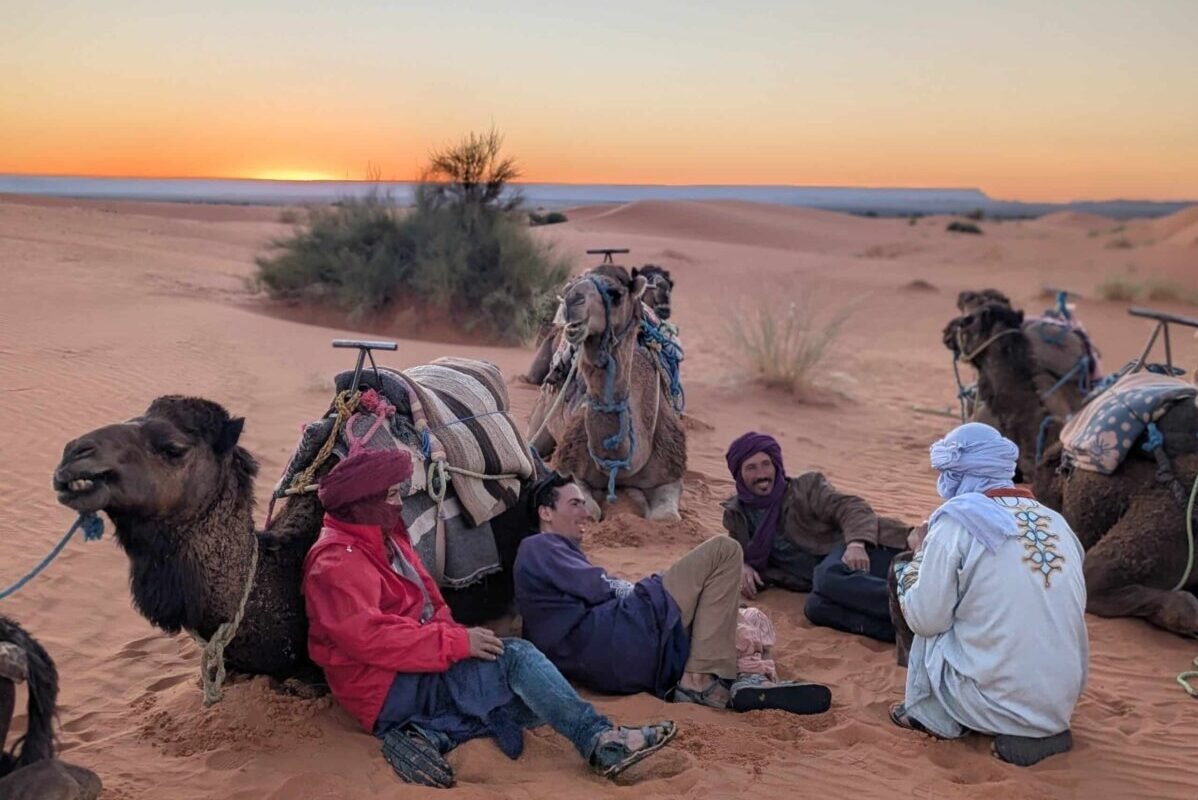
- Desert trips: Loose-fitting long sleeves and pants, balancing sun protection and breathability
- Mosques / traditional events: Prepare conservative, formal attire and a headscarf
Respecting local dress customs not only enhances your travel experience but also helps you avoid unintentional offense, allowing you to enjoy every cultural exchange with greater ease.

DeWonder tour members personally experience wearing traditional headscarves at a Moroccan market, picking out and trying on styles on the spot — a wonderful way to immerse yourself in local culture

Actual outfit worn by a DeWonder Morocco tour member: loose-fitting long sleeves and long pants strike a balance between sun protection and breathability — a comfortable, lightweight look that's both practical and appropriate
The people of Morocco are predominantly followers of Islam, and religion plays an important role in daily life. As a traveller, you don't need to change your beliefs, but understanding and respecting local religious customs will help you blend into your journey more smoothly.
- Daily Religious Practice: The five daily prayer times (Salat) are announced via mosque loudspeakers, and shops sometimes pause business during these periods. It's normal for some areas to be quieter around midday and evening.
- Rules for Entering Mosques: Most mosques are only open to Muslims, though certain landmarks such as the Hassan II Mosque are open to the public. Visitors must remove their shoes before entering and dress modestly, with women expected to wear a headscarf.
- Ramadan Etiquette: During Ramadan, Muslims fast from food, water, and smoking from sunrise to sunset. While foreigners aren't required to participate, it's polite to avoid eating or drinking openly in public places. Some restaurants close during the day, so it's advisable to plan your meals in advance.
Understanding local religious backgrounds and customs not only helps avoid cultural conflicts but also allows you to better appreciate local people's faith and rhythm of life.
Moroccans are generally friendly and hospitable, but there are still some cultural boundaries when it comes to photography and interaction.
- Ask Permission Before Taking Photos: You should politely ask before photographing locals (especially women, the elderly, or religious figures). Some may decline due to religious beliefs or personal privacy, and this should be respected.
- Avoid Photographing Military, Police, and Government Buildings: Taking photos at airports, checkpoints, or military zones may be illegal, so be sure to avoid this to prevent any trouble.
- Conversation and Contact Etiquette: Physical contact with the opposite sex should be avoided, especially in unfamiliar or conservative areas. When shaking hands with Muslims, it's common for women not to initiate the handshake first—it's best to wait for the other party to extend their hand.
First-time visitors to Morocco often encounter a social rhythm and interaction style completely different from East Asia. You may be approached on the street by people striking up conversation, selling goods, or even offering "friendly directions" before hinting at a fee—these are all common scenarios in local tourism. There's no need to be overly anxious—it's best to approach these situations calmly, with a polite smile and a firm refusal when needed. Most Moroccans are genuine and eager to help, and as long as you maintain your own boundaries while respecting their culture, you can usually build positive interactions. In addition, bargaining culture is highly prevalent in Moroccan markets, especially in popular destinations like Marrakech and Fez, where vendors often quote higher starting prices in anticipation of customers negotiating—this is seen as a form of interaction and cultural exchange. According to the travel website Matador Network, "everything is negotiable" is almost the norm in local markets, while Open Doors Morocco also points out that bargaining is one of the core elements of experiencing Morocco's traditional markets. Travelers are advised to first observe the price range before engaging in negotiations with a relaxed attitude, avoiding impulsive purchases. Viewing these differences as part of the journey, with an open and understanding mindset, can help make your trip all the more enriching and enjoyable.

Morocco's traditional markets are vibrant and bustling with stalls, offering a chance to experience local daily life and the art of bargaining If you're planning to explore Morocco in depth, we've also compiled the following practical information for further reading:
- Visa & Entry Guide: Morocco Visa Rules: Visa-Free Entry for HK/Macau & Application Process for Taiwan Travelers
- Food Culture & Taboos: Coming soon
- Moroccan Cultural Knowledge: Coming soon
With this information, you should be well prepared to set off for your Morocco adventure. If you'd like to save time on planning your itinerary, we recommend checking outDeWonder's Morocco In-Depth Tour.DeWonder has 10 years of experience leading in-depth tours of Morocco, with deep familiarity with local culture and transport routes. We offer local guiding and special activities for immersive cultural experiences, designing itineraries that avoid touristy routines. Our boutique small groups of about 8–14 people ensure every traveler can comfortably and confidently experience Morocco in depth. DeWonder Morocco In-Depth Tour Information Pack 👉 Click Here to Download Join Our Free Online Seminar to get your Morocco itinerary questions answered 👉 Click Here to Register