
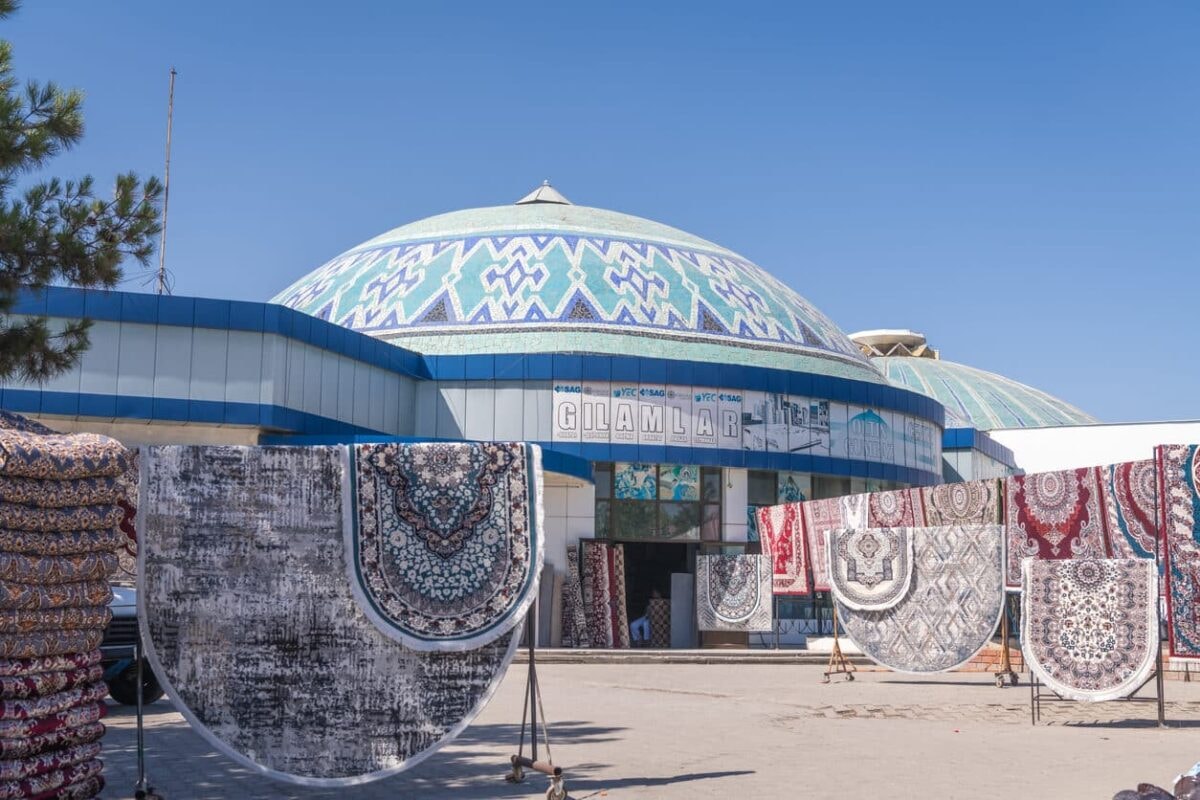
Must-See Attractions in the Five Central Asian Countries: The Complete Guide to Historical Sites × Natural Wonders × Cultural Experiences
Want to experience a different side of the Silk Road? From ancient city ruins and magnificent mountains and lakes to nomadic life, explore the diverse landscapes of the five Central Asian countries. We've compiled five key experiences and must-visit attractions to give you all the inspiration and essentials for your Central Asia trip at once.
Central Asia sits at the crossroads of Eurasia, having served as a vital hub for merchants since the era of the ancient Silk Road. Today, the five Central Asian countries—Kazakhstan, Kyrgyzstan, Tajikistan, Uzbekistan, and Turkmenistan—each boast distinctive landscapes and cultural styles. Some travelers come for Samarkand's blue-tiled mosques, while others long for the lakes and grasslands at the foot of the Tian Shan mountains. This article will guide you through five "experience" perspectives to help you understand Central Asia's must-visit attractions and travel highlights, so you can quickly grasp each country's unique character and find the travel style that suits you best.
On a map, Central Asia looks like a distant patch of land between Europe and Asia, but in reality, this region was once the core zone of the ancient Silk Road, connecting China, West Asia, and Europe. Though the five countries border one another, each has its own distinct character:
- Kazakhstan features a landscape where modern cities coexist with magnificent mountains and lakes
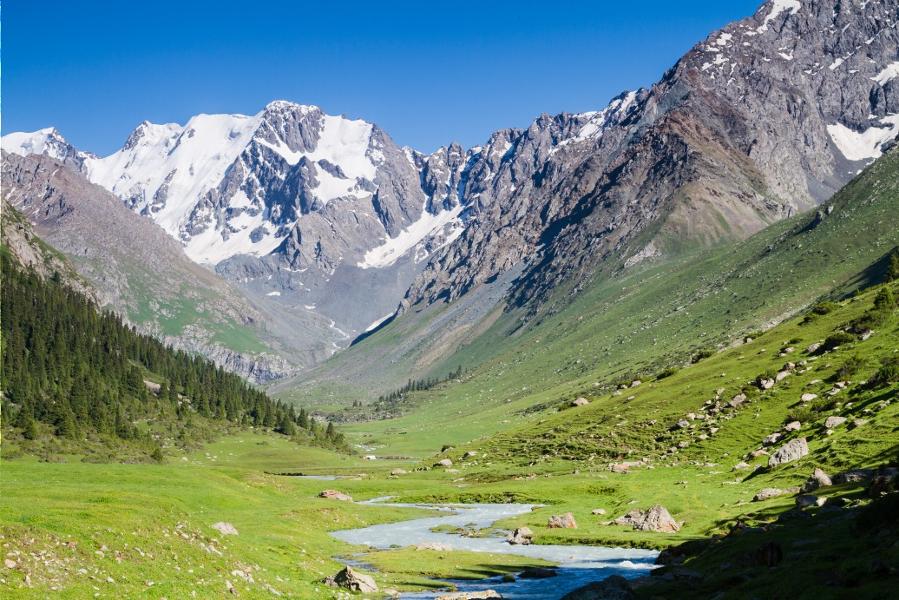
- Kyrgyzstan is known as "the Switzerland of Central Asia," with mountains, rivers, and lakes interwoven throughout
- Tajikistan's Pamir Plateau symbolizes the grandeur of a mountain nation
- Uzbekistan preserves the most Silk Road ancient cities and Islamic architecture
- Turkmenistan is famed for its mysterious deserts and the "Gates of Hell"
The charm of this land lies in its diversity — you can admire millennia-old cities and also lie beneath a sky full of stars in a deserted valley. Whether this is your first introduction to Central Asia or you're planning to visit all five countries, understanding each region's natural environment and cultural heritage is the most important first step before setting off.
For many travelers, what makes Central Asia most captivating is the tangible sense of "seeing history with your own eyes." From the domes and blue tiles of Islamic architecture, to Persian cultural relics and post-Soviet urban design, every ancient city feels like a living museum.
- Uzbekistan is the country with the richest historical heritage in Central Asia. Samarkand is the most iconic landmark, its three madrasahs' blue facades gleaming in the sunlight. Bukhara preserves medieval city walls, minarets, and bazaar districts — walking through it feels like stepping back into the Silk Road's golden era. If you want to see a different face of Islamic art, the mosaic-adorned Tashkent Metro stations are also well worth a visit.
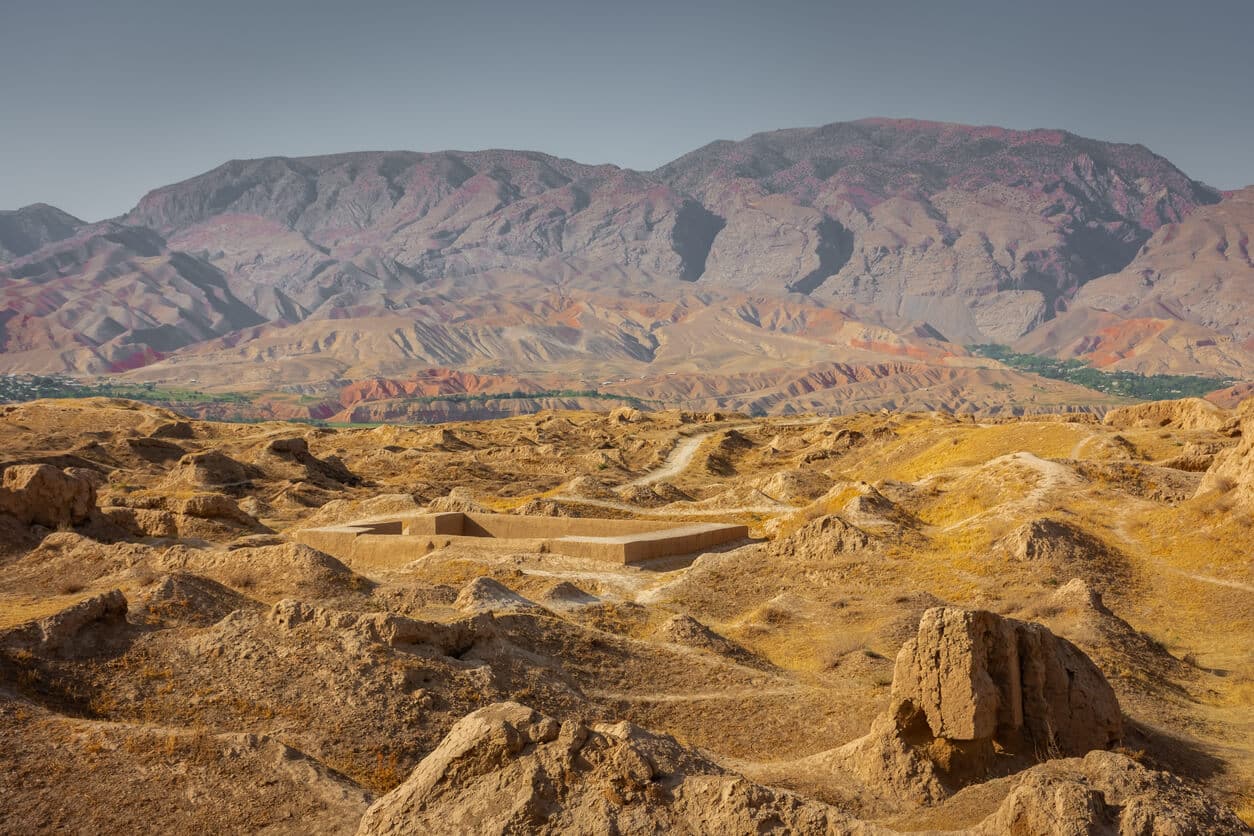
- Tajikistan's Hisor Fortress is the country's most important historical site, built a thousand years ago along a key Silk Road route. Its walls and archways still bear traces of the ancient kingdom's past.Dushanbe's National Museum showcases Persian culture and archaeological artifacts from the Pamir Plateau, making it a great place to understand the cultural origins of Central Asia.
- Turkmenistan's capital, Ashgabat, is known as the "White Marble City," where the facades of many buildings are clad in marble, blending Islamic and modern styles. Though the aesthetic can feel extravagant, it also reflects how Central Asian nations balance modernization with tradition.
These cities and ruins form Central Asia's quintessential "historical experience route." Whether you love photography, cultural architecture, or want to visit World Heritage sites, you'll find inspiration here. 👉 Further Reading:【Uzbekistan Attractions】| 【Tajikistan Attractions】

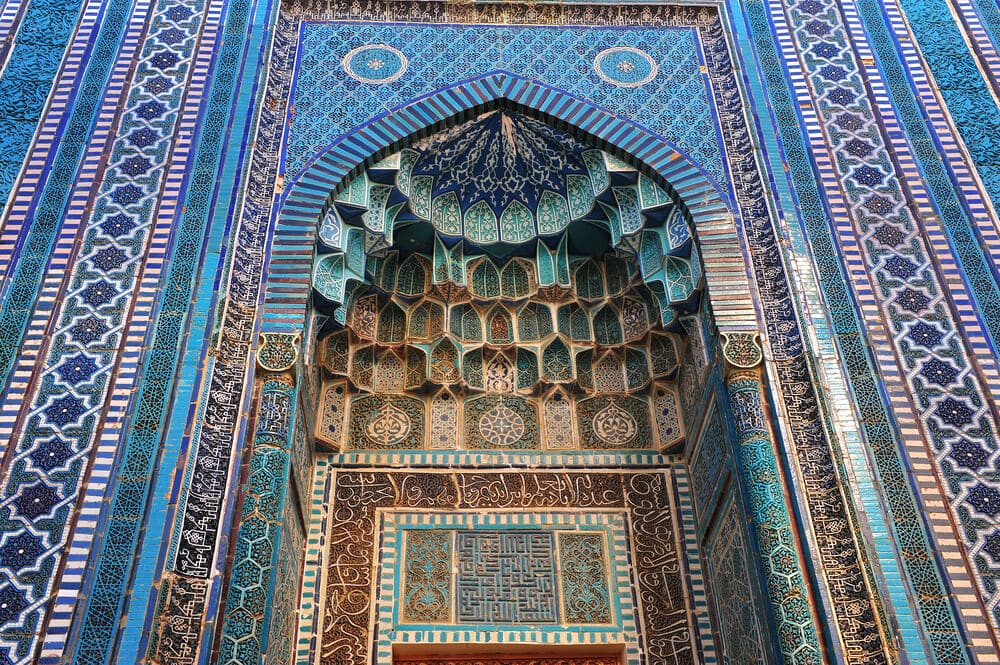
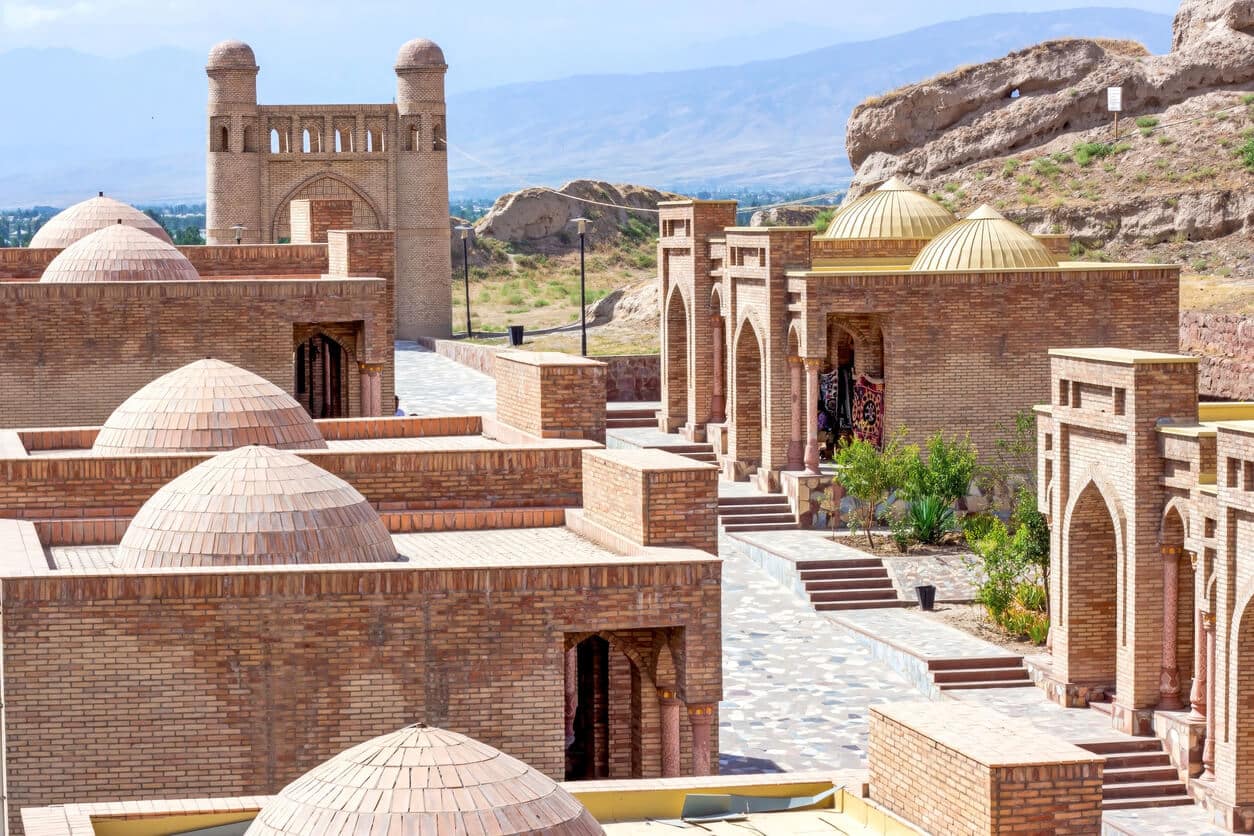
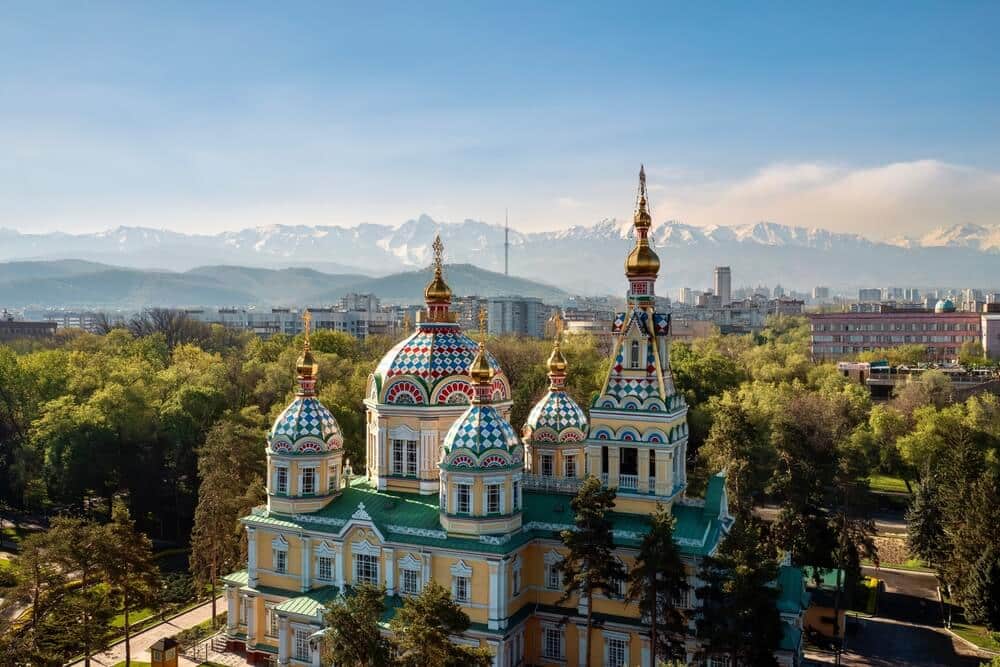


The natural landscapes of Central Asia are often grander than you could ever imagine. Here, you won't find overdeveloped tourist zones or crowded masses — instead, you'll encounter majestic snow-capped mountains, sweeping grasslands, and bottomless canyons. If you love hiking, capturing natural scenery through photography, or simply escaping the city, Central Asia's outdoor destinations are the perfect choice.
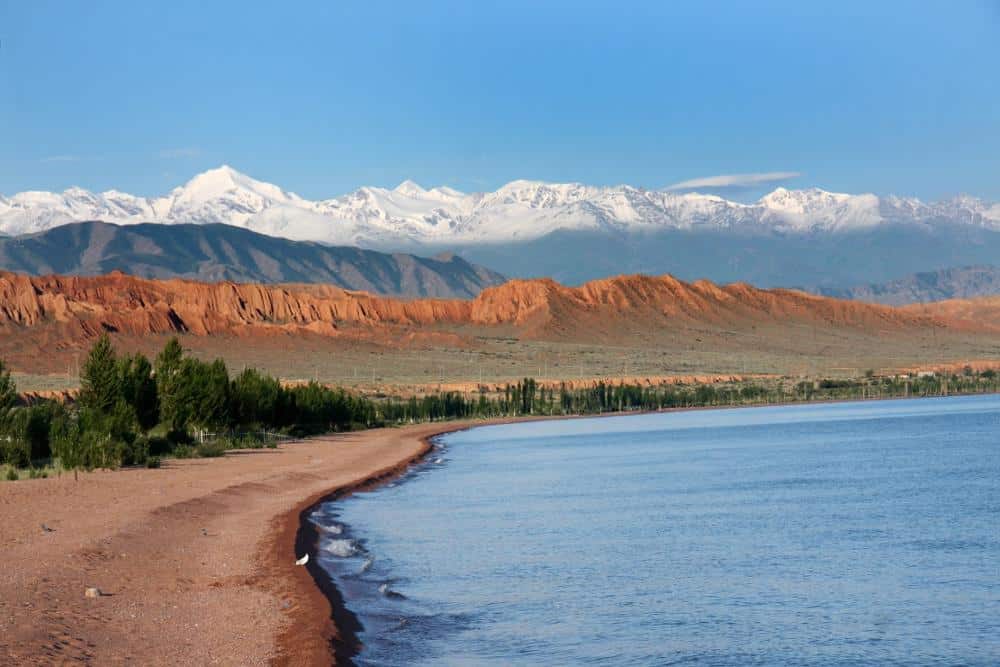
- Kyrgyzstan, known as the "Switzerland of Central Asia," has over 90% of its territory covered by mountains. Issyk-Kul Lake is the world's second-largest alpine lake, encircled by snow-capped peaks — on clear days, its surface becomes mirror-like. Each season here brings a different landscape: summer is ideal for boating and lakeside getaways, while winter offers stunning reflections of snowy mountains. For those wanting to get closer to nature, Ala Archa National Park is just about an hour's drive from the capital Bishkek, offering easy access to glaciers, pine forests, and valley trails.
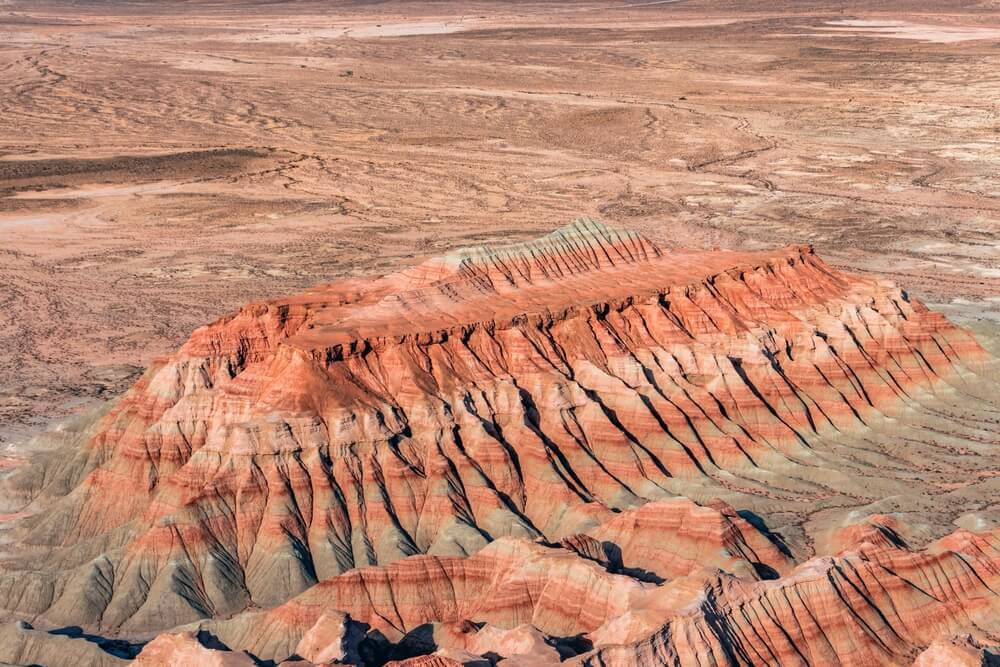
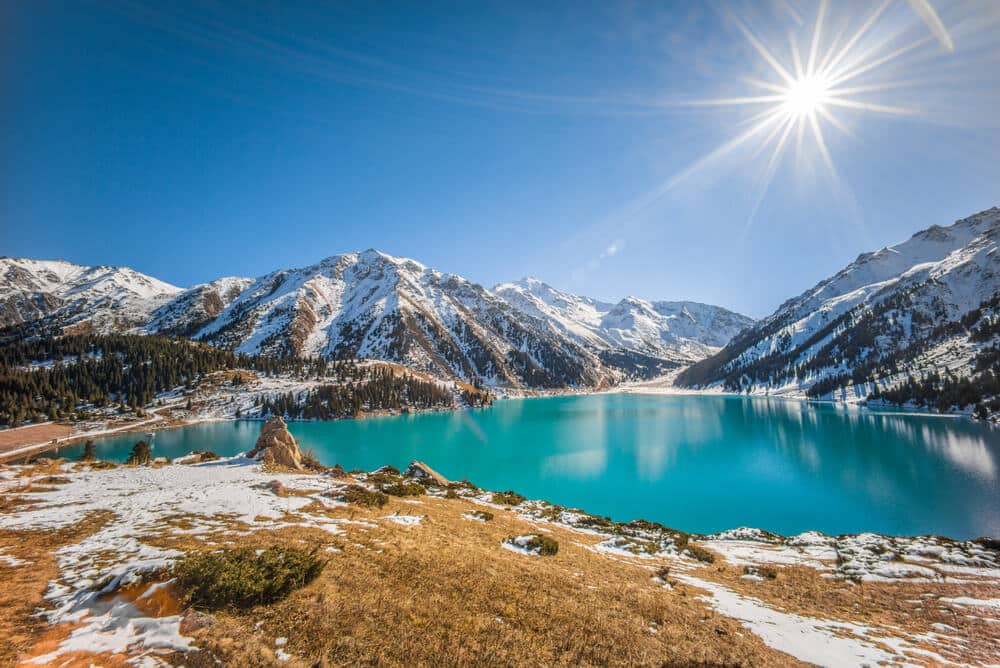
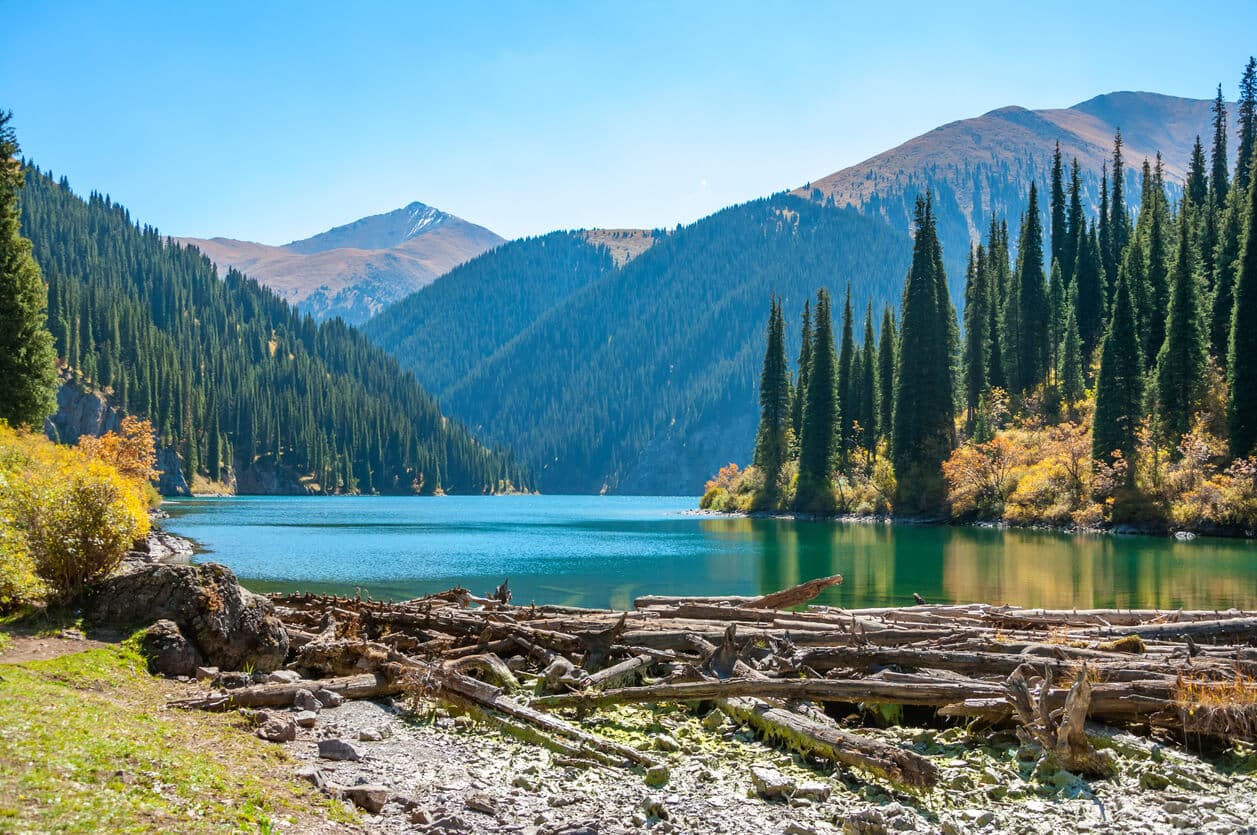
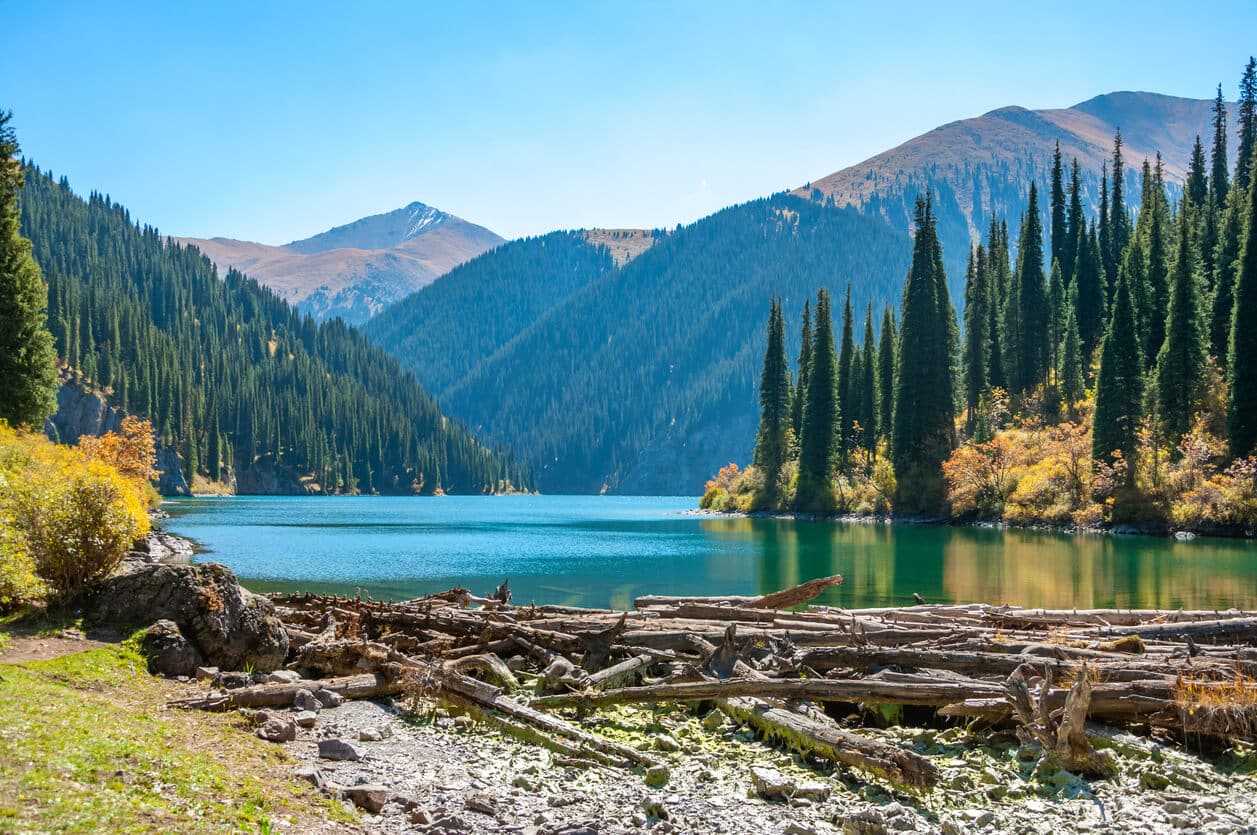
- Kazakhstan is renowned for the diversity of its natural scenery. Charyn Canyon is hailed as the "Grand Canyon of Central Asia," its rock layers displaying magnificent gradations of red, orange, and brown under the sunlight. If time allows, plan a visit to Kolsai Lakes and Kaindy Lake, where the reflections of dead trees against the emerald-green waters create a truly unique sight — a paradise for photography enthusiasts. As Kazakhstan's natural attractions are spread far apart, it's recommended to travel by private car or as part of a tour group.
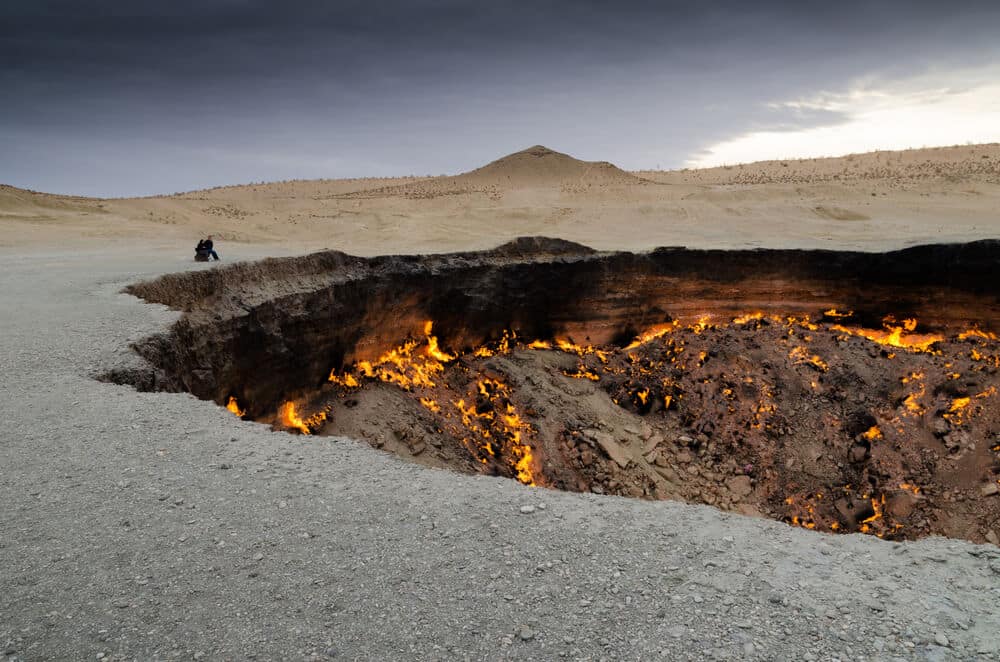
- Turkmenistan attracts adventurous travelers with its extreme landscapes. The most iconic site, the Darvaza Gas Crater (also known as the "Door to Hell"), is a natural gas pit that has been burning continuously for over fifty years — its flames visible from afar across the desert at night, making it a rare and remarkable natural spectacle. If your itinerary allows, you can also visit the Karakum Desert to experience the silence between the dunes and the vast night sky.
These destinations showcase the most magnificent side of Central Asia — from snow-capped mountains to vast deserts, each place possesses its own vivid colors and rhythm. Whether you're passionate about photography, outdoor adventures, or simply seeking a moment to breathe amid your journey, the natural scenery of Central Asia is sure to leave a lasting impression. 👉 Further Reading:【Kyrgyzstan Attractions】|【Kazakhstan Attractions】|【Turkmenistan Attractions】
If natural scenery is Central Asia's outward charm, then its culture is the soul of this land. The history and religious backgrounds of the five countries weave together a richly diverse cultural landscape—from nomadic traditions to handicrafts, music, and bazaar life—allowing travelers to experience a genuine, unpretentious daily rhythm.
- Kyrgyzstan and Kazakhstan still retain some nomadic ways of life to this day. In the summer highland pastures (Jailoo), you can see herding families setting up traditional tents (yurts), where you can experience their hospitality, sip a bowl of fermented mare's milk (kumis), and taste roasted lamb or homemade bread. Some small-group itineraries include brief nomadic experiences or overnight stays at yurt camps, offering first-time visitors to Central Asia the best way to understand local life.
- Uzbekistan's cultural focus lies in urban life and craft heritage. The bazaars of Samarkand and Bukhara remain the heart of the cities, with stalls selling pottery, embroidery, spices, and colorful carpets—each brimming with Silk Road character. If you enjoy craft culture, you can visit traditional blue ceramics or Bukhara silk embroidery workshops to watch artisans complete their work using age-old handmade techniques.
- Tajikistan's culture is deeply influenced by Persian and Islamic traditions—in Dushanbe, you can see mosques standing side by side with teahouses. Locals customarily welcome guests by sharing food together; a pot of black tea and a plate of bread are often all it takes for the most natural exchange. In the Pamir Highlands, villagers continue traditional farming and family-based living, and are always friendly and eager to share their stories with travelers.
These interactions and observations make the journey more than just "sightseeing"—they bring you closer to becoming part of local life. Central Asia's cultural experiences are not lavish, but it is precisely this authenticity and everyday simplicity that leave the deepest impression on many travelers. 👉 Further Reading:【Introduction to Central Asian Culture】


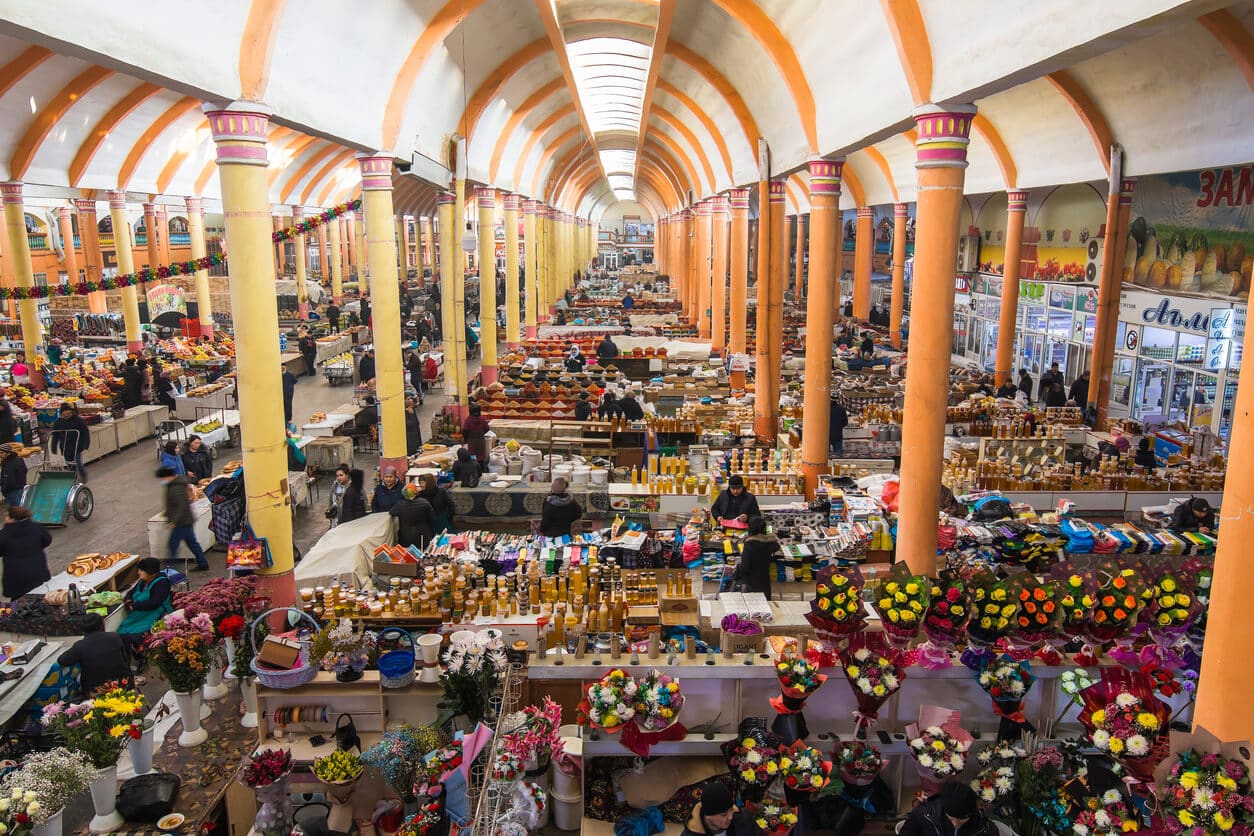
Central Asian cuisine blends Persian, Turkish, and Russian flavors, favoring rich spices over heavy oil, with meat, noodles, and tea taking center stage—making it one of the most authentic everyday experiences of the journey.
- The signature dish of Uzbekistan is Plov, a rich and fragrant rice dish slow-cooked with mutton and carrots.
- Kyrgyzstan and Kazakhstan carry on the nomadic food culture, with staples such as grilled mutton skewers, hand-pulled meat, and fermented mare's milk, all enjoyed together over hot tea.
- Turkmenistan and Tajikistan are influenced by Persian cuisine, featuring spiced mutton soup (Shurbo) and flatbread (Non). Teahouses (Chaykhana) are great places to experience local life.
Overall, Central Asian meals are generous in portion and affordable in price. Whether at a city restaurant or a village home kitchen, you can taste the blended flavours of different cultures. Signature Dishes of the Five Central Asian Countries
Country | Classic Dish | Highlight |
Uzbekistan | Plov | A festive dish with rich flavour |
Kyrgyzstan | Grilled mutton, fermented dairy drinks | A symbol of nomadic culture |
Kazakhstan | Hand-pulled meat, milk tea | A culture of communal family dining |
Turkmenistan | Mutton soup, flatbread | Spices and desert-region food characteristics |
Tajikistan | Spiced soup Shurbo | A fusion of Persian and Central Asian flavours |
The night sky of Central Asia is one of the most unforgettable sights for many travellers. Far from city light pollution, the plateaus and deserts make the stars appear especially clear.
- At Lake Issyk-Kul or the valley tent camps in Kyrgyzstan, you can see the Milky Way stretching across the sky
- The Pamir Plateau in Tajikistan sits at high altitude with dry air, making it a dream location for photography lovers
- At Turkmenistan's "Gates of Hell", the flames light up the dunes at night, creating a spectacular and mysterious atmosphere.
If you want to photograph the starry sky, it's recommended to bring a tripod and warm clothing, as night temperatures can vary greatly. Whether you're quietly gazing up or capturing the moment in photos, the nights of Central Asia will stay with you for a long time.

The Darvaza Gas Crater, also known as the "Gates of Hell," is located in the Karakum Desert of Turkmenistan. It was formed in 1971 following a natural gas drilling accident and has been burning ever since. 👉Further Reading: Turkmenistan's Gates of Hell Travel Guide
To plan your Central Asia itinerary more systematically, you can start with the key cities and signature attractions of each of the five countries. Every country offers different travel themes and cultural experiences—whether historical architecture, natural landscapes, or cultural interaction—all of which can come together to form a complete Silk Road journey.
Country | Travel Highlights | Further Reading |
Kazakhstan | Almaty, Kolsai Lakes, Charyn Canyon | |
Kyrgyzstan | Issyk-Kul Lake, Ala Archa National Park, Jyrgalan Valley | |
Tajikistan | Dushanbe, Hisor Fortress, the Pamir Highlands | |
Uzbekistan | Samarkand, Bukhara, Tashkent Metro | |
Turkmenistan | the Darvaza Gas Crater (Door to Hell), the White City of Ashgabat |
💡 Quick Tip: Travel between the five countries is mainly by road and short flights. If you'd like to cover all of them in one trip, we recommend joining a linked itinerary or small-group in-depth tour, which saves time on visa research and transit logistics.
For first-time travellers to Central Asia, the most common questions are about visas, currency, climate, and safety. We've compiled the key points travellers care about most below — read this section before you set off. Visas & Entry Requirements Most Central Asian countries are quite friendly to Hong Kong and Macau passport holders:
- Uzbekistan, Kazakhstan, Kyrgyzstan: Visa-free or visa-on-arrival
- Tajikistan, Turkmenistan: E-visa or invitation letter required; apply before departure. If planning to visit multiple countries in one trip, a travel agency can assist with the arrangements.
👉 Further Reading:The Complete Guide to Central Asia Visas & Entry Currency & Payment Methods Central Asian countries each have their own currency (KZT / KGS / UZS / TJS / TMT). Cards are widely accepted in major cities, but cash is essential in towns and markets. We recommend bringing US dollar cash for exchange, as rates are stable and exchange is easy. 💡 Tip: ATMs can be unreliable in some areas, so keep your cash stored in separate places. Climate & Best Time to Visit Central Asia has an inland continental climate, with May–October being the best season to visit.
- Spring: Pleasant weather, ideal for both city sightseeing and nature spots.
- Summer: High temperatures, best suited for mountain areas or lakes.
- Autumn: Harvest season, with the most vibrant scenery.
- Winter: Some high mountain roads are closed, better suited for city-focused itineraries.
👉 Further Reading:Central Asia Climate & Best Time to Visit Safety & Security Overall safety is good, though it's advisable to travel with companions at night and in remote areas. Large markets can be crowded, so keep an eye on your belongings; most locals are friendly and hospitable, making for a relaxed travel atmosphere. 👉 Further Reading:Central Asia Safety Guide Language & Communication Russian is the main lingua franca across Central Asia, and simple English usually works fine in tourist areas. We recommend downloading an offline translation app or asking your guide for help. Transport & Independent Travel Tips Distances between countries are vast and transport schedules are limited, with some areas only accessible by private car hire. If you want to visit multiple countries in one trip, joining a connected small-group tour will save you time and effort.
Central Asia's charm lies in its diversity and vastness, but precisely because of the great distances between countries, language differences, and limited transport options, planning your own trip to visit all five countries and truly experience the local culture would take considerable time and effort. Being led by a team familiar with the local environment makes for a much smoother journey. DeWonder's Central Asia In-Depth Tour departs in small groups, covering classic sights and unique experiences across all five countries. Our professional guides and local partners handle visas, transport, accommodation, and cultural guiding, so travellers can focus on "experiencing" rather than "rushing around". Whether you want to photograph ancient cities, admire snow-capped mountains and lakes, or step into the life of nomadic herders, our team can recommend the perfect itinerary tailored to your pace and interests. 👉 View Year-Round Central Asia In-Depth Tour Departure Dates 👉 Join our free online seminar to get your Central Asia trip questions answered 👉 Click here to sign up DeWonder Central Asia In-Depth Tour Information Package 👉 Click here to download 👉 Further Reading: Introduction to the Five Central Asian Countries 👉 Further Reading: Comparing Central Asia In-Depth Tour Itineraries