
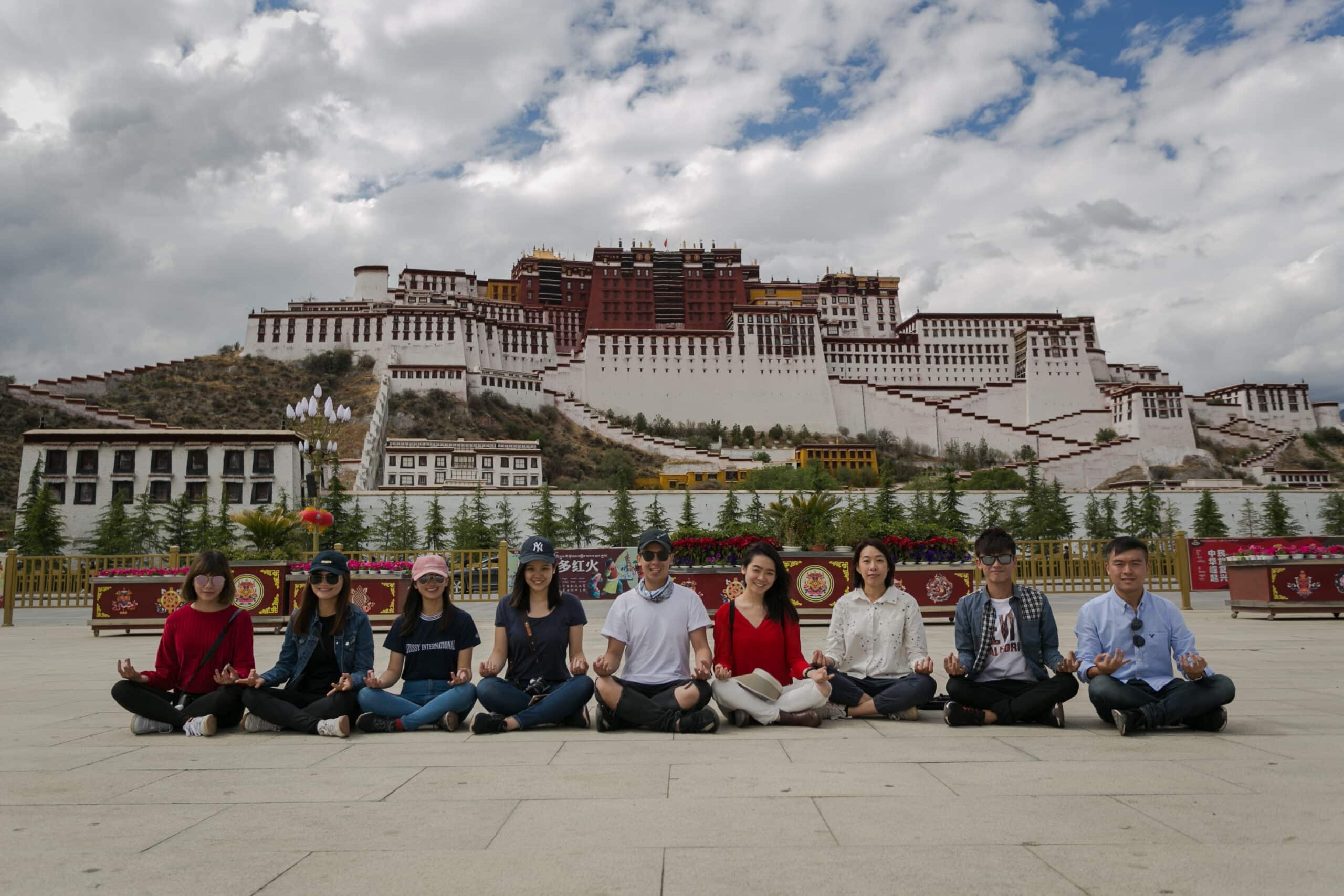
Tibet Travel Guide: Visa, Transportation, Attractions, Climate & Complete Pre-Trip Guide
What should you know before going to Tibet? Visa, transportation, seasons, packing and cultural experiences all in one place — we've put together a complete guide to Tibet travel for you!
Tibet boasts magnificent snow-capped mountains, serene lakes, and a rich cultural heritage — from the solemn grandeur of the Potala Palace to the tranquility of Namtso Lake, both are truly captivating. Before setting off, most travellers are most concerned about visas, transportation, attractions, climate, and pre-trip preparations. This guide compiles the most common questions and essential information, along with further reading, so you can quickly grasp the key points and easily plan an unforgettable trip to Tibet.
To travel to Tibet, apart from basic identification documents, the Tibet Entry Permit is an essential official permit that must be applied for collectively by a Tibet travel agency — individuals cannot apply on their own.
- Hong Kong and Macau Residents: Hold a Home Return Permit to enter mainland China, then have the travel agency assist with the Tibet Entry Permit application.
- Taiwan Residents: Need a Mainland Travel Permit for Taiwan Residents, and must apply for the Tibet Entry Permit through a designated travel agency.
- Note: The Tibet Entry Permit must be paired with a local tour itinerary and cannot be applied for on its own.
In addition, if you plan to visit certain border areas (such as Ngari, Zhangmu Port, or Everest Base Camp), you will also need to apply for an additional Border Defence Permit. Travel agencies usually assist with this as well — it's recommended to confirm in advance. 👉 Further Reading: To learn about the complete application process and required documents, please see 《The Complete Guide to Tibet Visas》
From Hong Kong, Macau, or Taiwan, there are two main ways to reach Tibet: by plane or via the Qinghai-Tibet Railway.
- Plane: The fastest option — you can first fly to Chengdu, Xi'an, Chongqing, or other cities, then transfer to Lhasa.
- Qinghai-Tibet Railway: Enjoy magnificent plateau scenery along the way, though the journey takes over 20 hours — better suited to travellers who want to experience the plateau railway.
- Tour Transportation: When joining an in-depth tour itinerary, the travel agency will arrange private vehicle transfers, saving you the hassle of transfers and ticket bookings.
Tibet Transportation: Plane vs. Railway — Which to Choose
Transportation | Duration | Experience | Best For |
Plane | Approx. 3–4 hours (mainland to Lhasa) | Fast, time-saving | Travellers wanting to arrive quickly |
Qinghai-Tibet Railway | 20–40 hours | Plateau scenery, gradual altitude acclimatisation | Travellers with time who want to experience the railway |
👉 Further Reading: For a detailed comparison of the time and experience of each transportation method, please see 《The Ultimate Guide to Tibet Transportation》
Tibet's charm lies in its magnificent natural scenery and profound religious culture — from city architecture to plateau lakes, every corner is worth visiting.
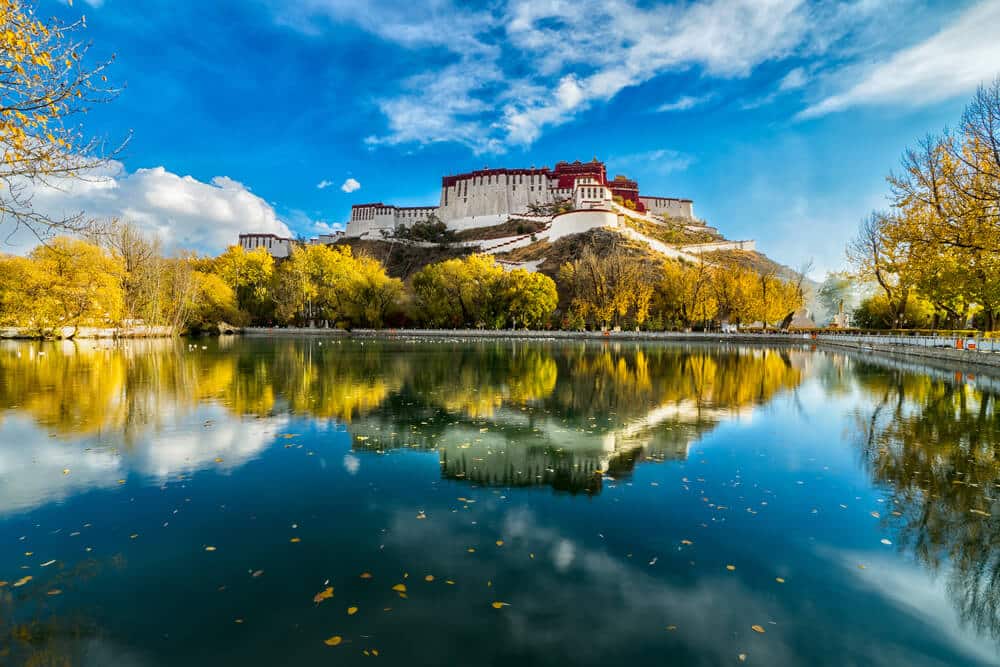
- Religious and Historical Landmarks: The Potala Palace, Jokhang Temple, and Norbulingka — bearing witness to the core of Tibet's faith and history.
- Natural Wonders: The azure waters of Namtso Lake, the stunning mountain-and-lake scenery of Yamdrok Lake, and the magnificent snow scenery of Karola Glacier.
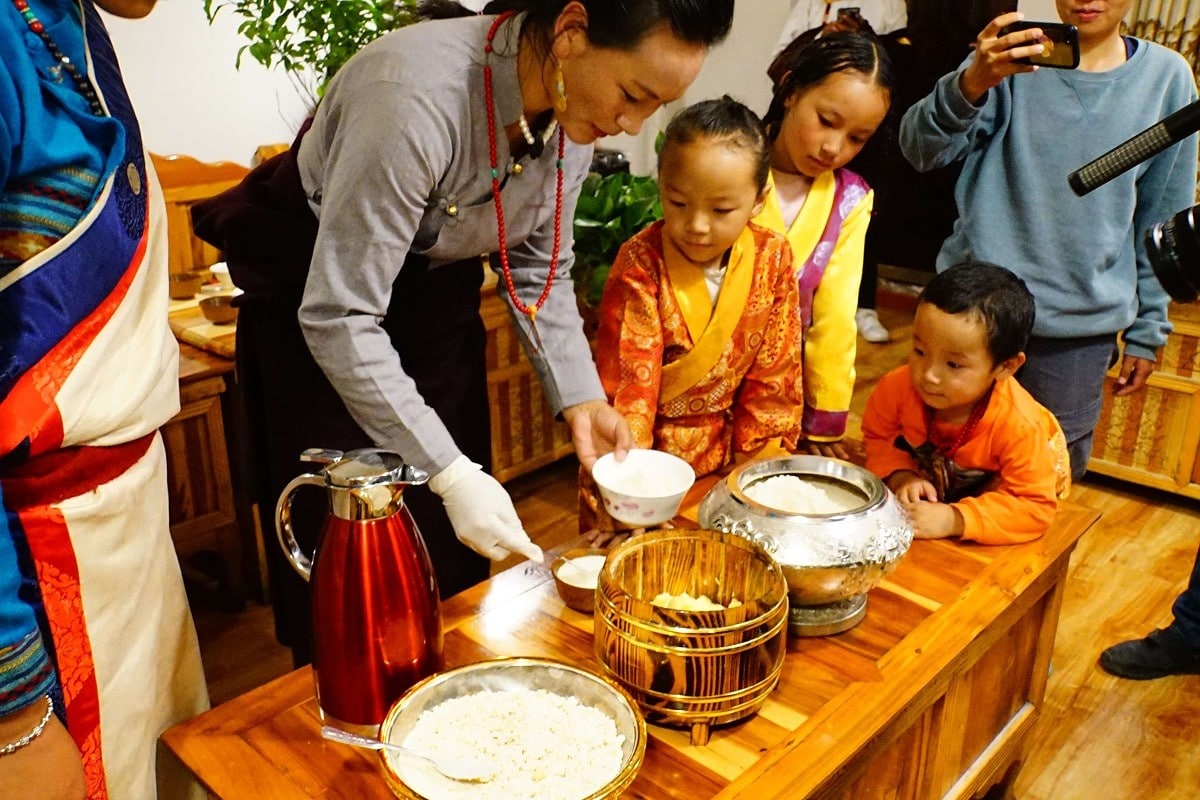
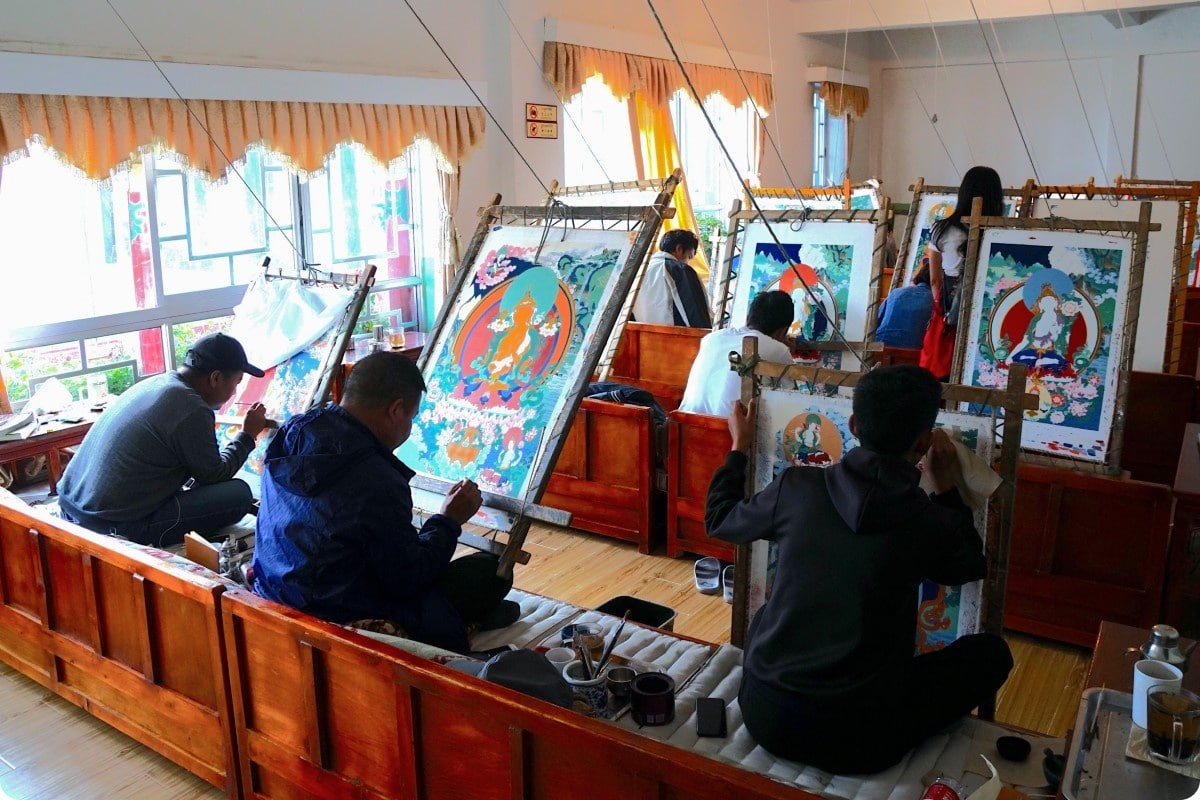
- Cultural Experiences: Sutra debating at Sera Monastery, thangka painting, and dining with a local Tibetan family — immerse yourself in daily Tibetan life.
👉 Further Reading: Want to know which attractions are most worth including in your itinerary?Check out our 《Must-Visit Attractions in Tibet》, 《Must-Visit Monasteries in Tibet》
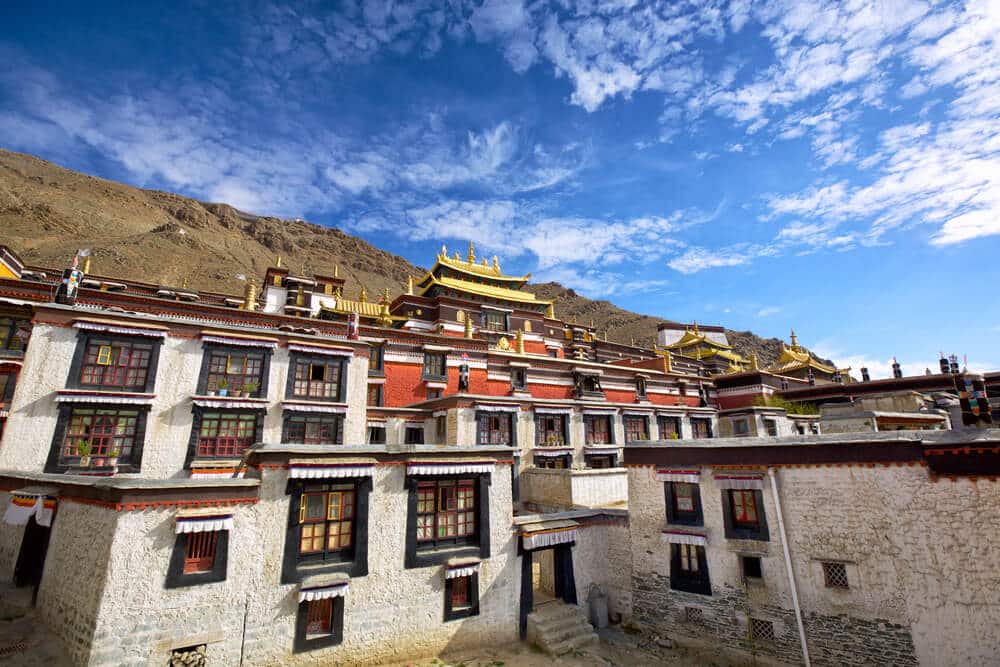
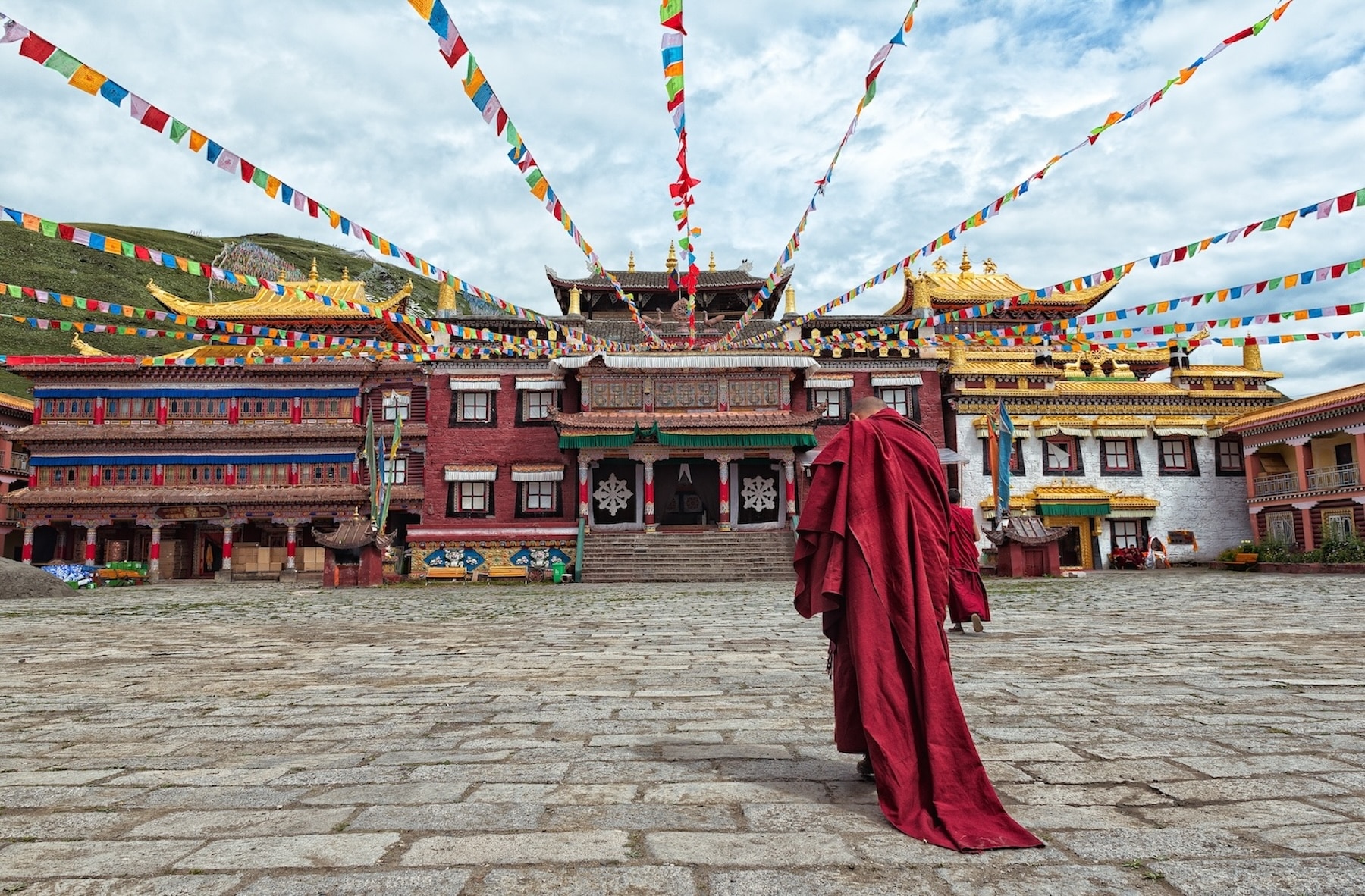

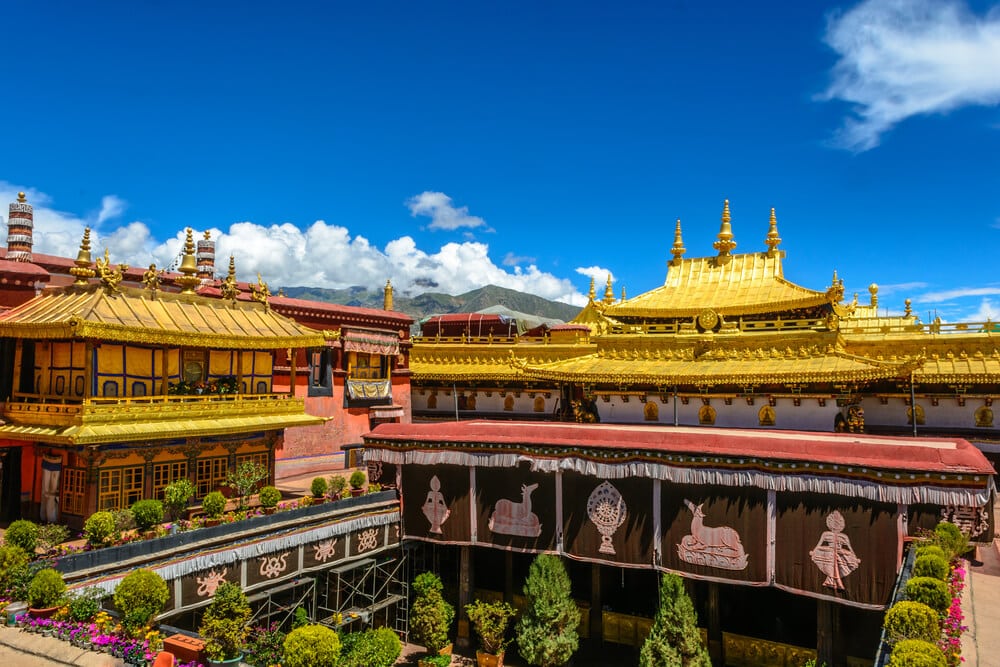
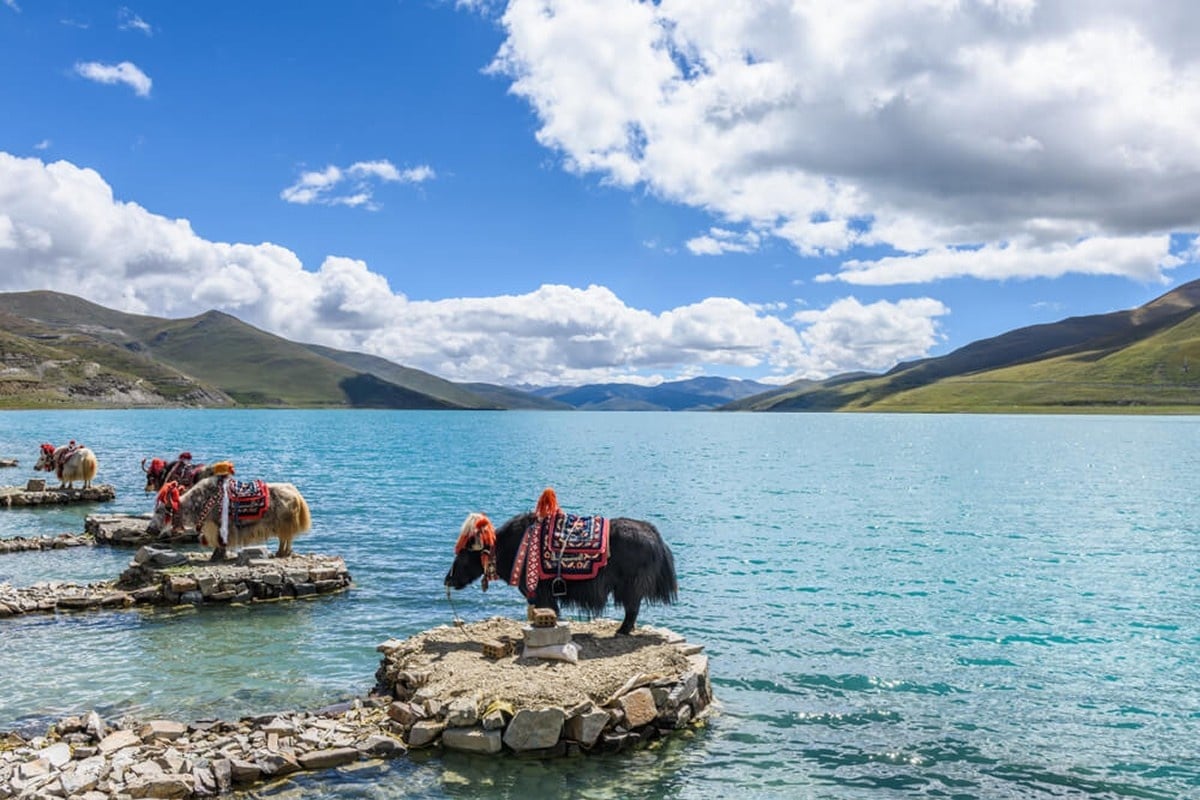
When planning a Tibet itinerary, the most common question is “When is the best time to go?” In fact, each season has its own charm, with different scenery and festivals to enjoy depending on the month.
- Best Months: May–October is generally recommended, as the climate is stable and ideal for first-time visitors.
- Festival Experience: For example, the Shoton Festival in August lets you enjoy the grand spectacle of Tibetan opera performances and the unveiling of giant Buddha thangkas. 👉 Further Reading: Want to know what the Shoton Festival is and what activities take place? 《Tibet Festival Guide》 gives you a detailed introduction
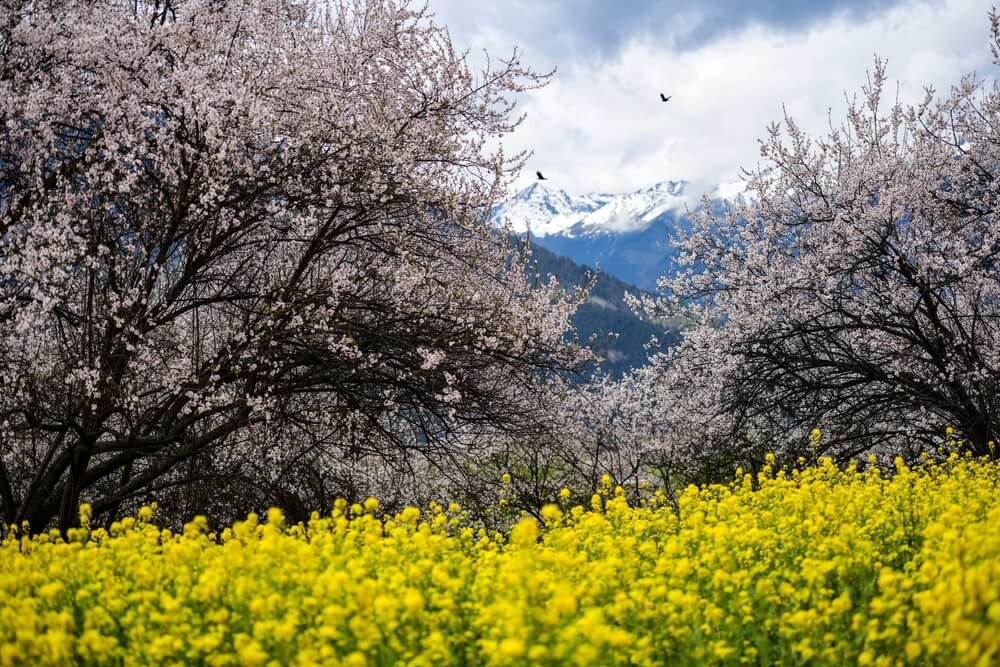
- Seasonal Differences: Spring brings peach blossoms in Nyingchi, autumn is the golden season for photography, and winter offers a more pristine Tibet experience.
Tibet Monthly Guide × Climate × Highlights
Month | Average Temperature (°C) | Highlights |
Jan–Feb | -5 ~ 5°C | Fewer tourists in winter, offering a pristine atmosphere around the Potala Palace and snowy scenery |
Mar–Apr | 0 ~ 10°C | Nyingchi peach blossoms in full bloom (Mar–Apr), a must-visit for photography enthusiasts |
May–Jun | 5 ~ 18°C | Plateau flower season with lakes beginning to thaw, ideal for first-time visitors |
Jul–Aug | 10 ~ 22°C | Comfortable weather, with the grand Shoton Festival (Tibetan opera and the Sunning of the Buddha) |
Sep–Oct | 5 ~ 18°C | Dry, crisp weather with stunning autumn colours—the golden season for photography and trekking |
Nov–Dec | -5 ~ 8°C | Sparse crowds, perfect for a tranquil atmosphere and crystal-clear skies |
👉 Want to know more about seasonal scenery and festival details? Check out 《Best Time to Visit Tibet》 and 《Tibet Climate & Packing Guide》 to help you choose the perfect time to set off.



Tibet's average altitude exceeds 4,000 metres, and many travellers may experience mild altitude sickness upon arrival, such as headaches, shortness of breath, or insomnia. While most people gradually adapt, being well-prepared can make your journey more comfortable.
- Before departure: It is recommended to adjust your daily routine early and bring commonly used medications (such as Rhodiola or painkillers).
- After arrival: Slow down your itinerary pace, avoid strenuous exercise, and keep your diet light.
- Assistance tools: Oxygen bottles and oxygen supply equipment are available at some hotels for moderate use.
👉 Want to know how to prevent and relieve discomfort? See "What to Do About Altitude Sickness in Tibet?"
Being well-prepared before departure will make your Tibet journey more reassuring.
- Accommodation: Lhasa city offers more options with well-equipped facilities; accommodation in remote areas is simpler, focusing on cleanliness and comfort.
- Luggage: Essential documents, sun protection, warm clothing, and everyday medications are must-haves, along with a mobile power bank.
- Food & Hygiene: It's recommended to drink bottled water and avoid raw food; consider bringing digestive medicine just in case. Major cities offer plenty of dining options, but hygiene standards along the way can be more basic.
- Payment Methods: Mobile payments (WeChat Pay, Alipay) are widely used in Tibet, but some small towns or shops still rely mainly on cash. It's advisable to carry a small amount of RMB cash for emergencies.
👉 Further Reading: For a complete packing list and tips, see the “Tibet Packing List”
Traveling to Tibet isn't just about admiring the natural scenery—it's equally important to experience the local culture and spiritual atmosphere.
- Temple Visits: Step into the Potala Palace or Jokhang Temple and feel the devotion of pilgrims; remember to stay quiet and avoid touching the statues of Buddha when inside.
- Religious Etiquette: Circle stupas and turn prayer wheels clockwise, and always check whether photography is allowed before taking pictures.
- Cultural Experiences: Try your hand at thangka painting, or visit a Tibetan family to sample tsampa and butter tea for a deeper understanding of Tibetan life.
👉 Further Reading: For more details, please see 《Introduction to Tibetan Monasteries》 and 《Tibetan Culture Experience》



Q1: Is Tibet suitable for children or the elderly? As long as one is in good health, most people can adapt. However, it is advisable to consult a doctor beforehand and prepare commonly used medications along with remedies for altitude sickness. 👉 Further Reading: 《A Reassuring Guide to Altitude Sickness in Tibet》 Q2: What are the sanitation and toilet conditions like in Tibet? Facilities in downtown Lhasa are relatively well-developed, but conditions at rest stops during long journeys or in rural towns tend to be basic. It is recommended to bring your own wet wipes and hand sanitizer. Q3: Can I bring a drone or professional photography equipment? Photography equipment is generally fine, but drones are prohibited in certain areas (such as near the Potala Palace and military facilities). It is advisable to confirm the regulations in advance. Q4: Is internet access convenient? Do I need a VPN? Internet use in Tibet requires some caution, as certain websites within mainland China (such as Google, Facebook, and YouTube) are restricted, so you will need to install a VPN in advance. Q5: Can I travel to Tibet independently on my own?
- Hong Kong & Macau Residents: Can travel to Lhasa independently with a Home Return Permit; however, to visit border areas (such as Everest Base Camp or Ngari), a Border Defence Permit is required, which is usually arranged by a travel agency.
- Taiwan Residents: Must hold a Mainland Travel Permit for Taiwan Residents, and must arrange the Tibet Entry Permit and itinerary through a travel agency; fully independent travel is not possible.
- Foreign Passport Holders: Similarly must join a group organised by a travel agency, which will assist in applying for the Tibet Entry Permit.
👉 Further Reading: A must-read for Hong Kong, Macau and Taiwan travellers before departure 《Tibet Entry Regulations》
Tibet is a destination that requires careful preparation — from visas and transport to attractions and altitude acclimatisation, every detail affects your travel experience. While Hong Kong and Macau residents enjoy a certain degree of freedom to travel to Lhasa, visiting more remote areas — or for Taiwan and foreign travellers — still requires assistance from a travel agency. If you'd like to avoid tedious permit applications and transport arrangements while still immersing yourself in Tibet's culture and natural scenery, joining a professionally planned in-depth tour is the best choice. Our itinerary covers the Potala Palace, Jokhang Temple, Yamdrok Lake and Namtso Lake, along with cultural experiences such as thangka painting and dining with a Tibetan family, allowing you to explore the Roof of the World with peace of mind. If you have specific requirements, DeWonder also offers a private group tour service, with a professional team tailoring your itinerary — saving you the hassle of permit applications and transport arrangements while giving you the flexibility to design your Tibet journey around your own pace and interests. Why Choose DeWonder for Your Tibet Journey?
- A Decade of Expertise: Leading Hong Kong and Macau travellers to explore Tibet since 2010, with professionalism and reliability.
- Small Group Departures: Groups of 8–14 people for a more relaxed experience.
- In-Depth Cultural Exchange: Beyond sightseeing, step into Tibetan homes and thangka workshops to experience authentic local life.
- Classic Routes + Local Expertise: Whether it's the pilgrimage atmosphere or natural beauty, expert guides lead you through an immersive experience.
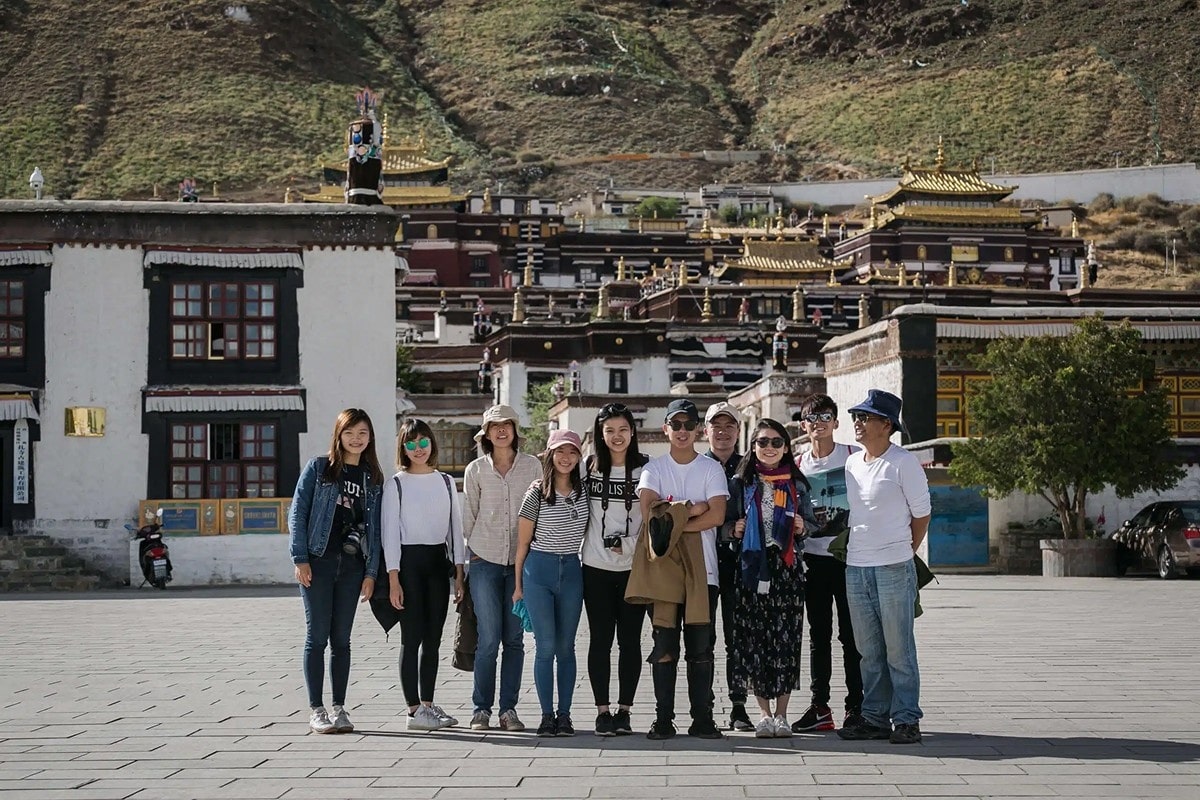
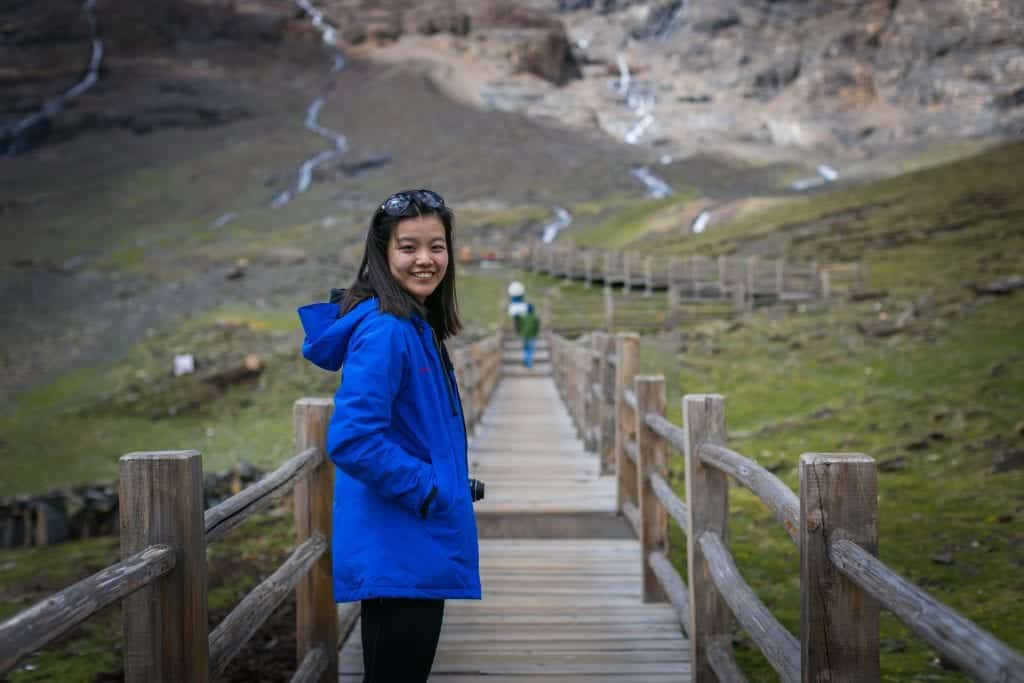
✨ Ready to embark on your Tibet journey? Check out DeWonder Travel's In-Depth Tibet Tour Itinerary now, and let our professional team accompany you on the most reassuring journey 📸 Moments from DeWonder's journeys through Tibet, we look forward to having you join us!


DeWonder In-Depth Tibet Tour Information Package 👉 Click Here to Download DeWonder In-Depth Tibet Tour👉 Check outFull Year Departure Schedule