
Turkmenistan Travel Highlights: The Gates of Hell and Five Must-Visit Attractions
From the blazing Gates of Hell to ancient Silk Road cities and stunning canyons, discover Turkmenistan's five most iconic must-visit attractions.
Turkmenistan, this mysterious nation in Central Asia, remains largely unknown to most travellers. It was once a vital part of the Silk Road, yet today its closed-off nature has preserved a landscape cut off from the rest of the world. While adventurers around the globe flock to the five Central Asian nations, Turkmenistan—with the spectacular flames of the "Gates of Hell" and its unique cultural heritage—has gradually become a dream destination in the eyes of travel enthusiasts. If you're planning a truly unique journey and want to explore a hidden gem few have set foot in, this article will introduce you to the Gates of Hell and five must-visit attractions, giving you everything you need to know about the best of what Turkmenistan has to offer.
Turkmenistan lies in southern Central Asia, bordering Iran, Afghanistan, Uzbekistan and Kazakhstan, with the Caspian Sea to its west. This land spans deserts, mountains and oases, its varied terrain giving rise to a distinctive blend of culture and natural scenery. In the past, Turkmenistan was a key node on the Silk Road, and the ancient city of Merv was once a thriving centre of civilisation. Today, the country's isolation from the outside world lends it an air of mystery, while also preserving much of its untouched character. For travellers, Turkmenistan's appeal lies in three key aspects:
- Natural Wonders: The most famous is the ever-burning "Gates of Hell" deep in the desert.
- Unique Architecture: The capital, Ashgabat, is renowned for its white marble buildings, earning it the title of "White City".
- Cultural Experiences: From the legendary Akhal-Teke horses to bustling bazaars, all reveal the spirit and traditions of a nomadic people.
These elements weave together a nation both mysterious and rich in stories, making Turkmenistan a standout entry on many travellers' "must-visit off-the-beaten-path Central Asia" lists.
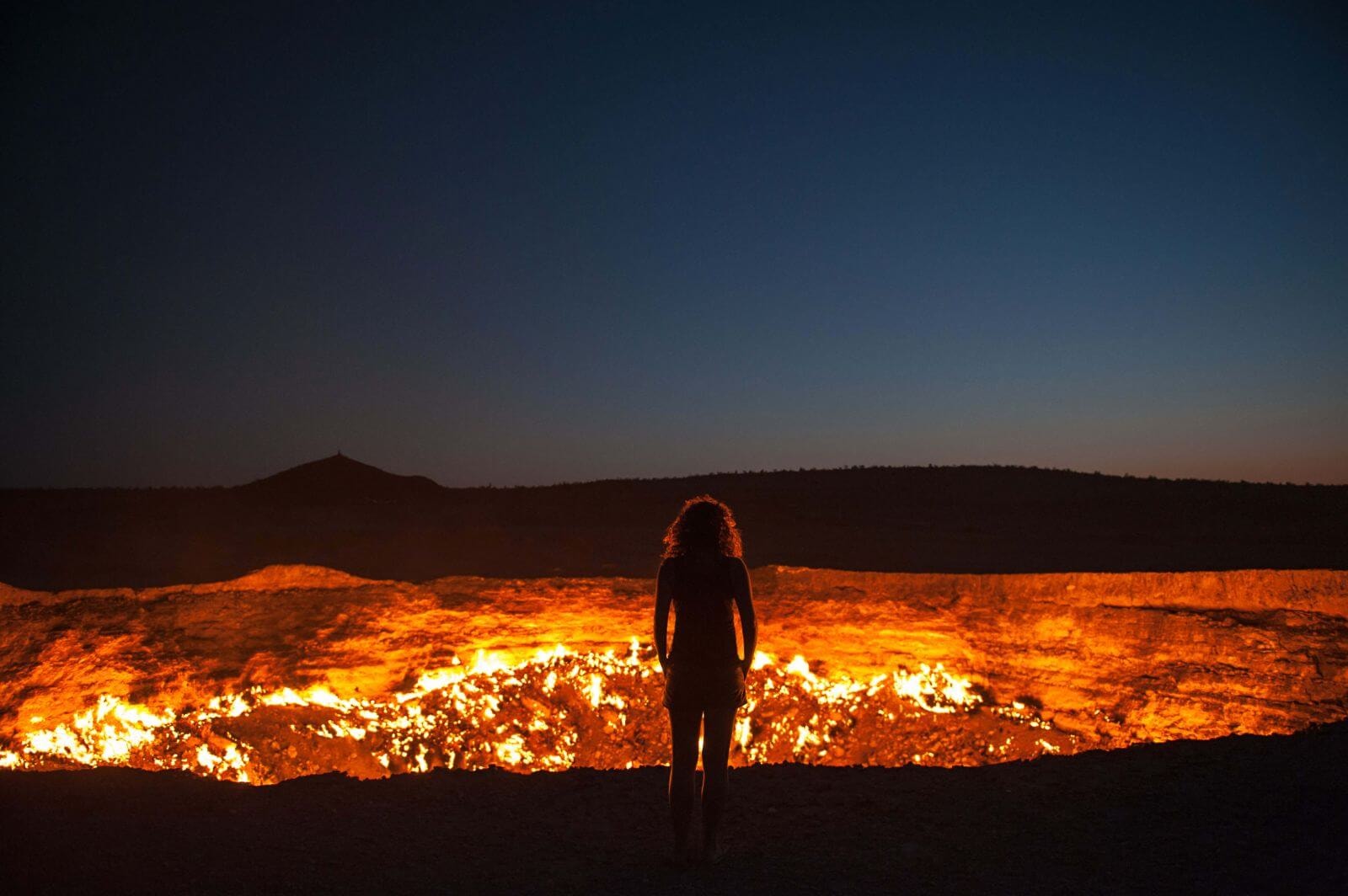
In the heart of the Karakum Desert lies a massive fire pit that has been burning continuously for over 40 years, known as the "Door to Hell". This is Turkmenistan's most iconic attraction, and a wonder that travelers around the world dream of witnessing. Origins and Formation The Door to Hell was originally a natural gas field. In the 1970s, Soviet geologists drilling in the area accidentally caused the ground to collapse, creating a massive crater nearly 70 metres in diameter. To prevent the leakage of toxic gases, it was decided to set the crater alight, with experts estimating the flames would burn out within a few weeks. Instead, it has continued burning for decades. Day vs Night: A Striking Contrast
- By Day: You can clearly see the crater walls and the natural gas flames erupting from within — spectacular, yet somewhat desolate.
- By Night: As darkness falls, the flames illuminate the entire desert, as if a fire deep within the earth were breathing. Many travelers choose to camp overnight here, just to witness the "Door to Hell" burning beneath the starlit sky with their own eyes.
Why Go Now In recent years, the Turkmen government has repeatedly signaled its intention to consider closing or extinguishing the Door to Hell, in order to avoid the waste of natural gas and its environmental impact. Should it ever truly be closed, this one-of-a-kind spectacle may exist only in photographs and memories. For many travelers, now is the best time to visit the Door to Hell.
![1719550101623-darwaza-gas-crater-2-turkmenistan-1[1] (1) (1)](https://cdn.dewonder.travel/media/950/1719550101623-darwaza-gas-crater-2-turkmenistan-11-1-1.jpg)
The "Door to Hell" burns unceasingly beneath the night sky of the Karakum Desert, its flames lighting up the land in a breathtaking spectacle.
Turkmenistan's capital, Ashgabat, is a unique city hailed as the "White City".The entire city is famous for its vast number of white marble buildings, earning it a Guinness World Record as the city with the most marble buildings in the world. City Character & Atmosphere Ashgabat blends traditional Central Asian elements with modern architectural style. The straight tree-lined avenues and uniformly arranged white high-rises give the city an almost dreamlike atmosphere. When the lights come on at night, it creates a visual impact akin to an "artificial desert oasis." Must-Visit Landmarks
- Palace of Happiness: A wedding palace located on the outskirts of the city, famous for its massive diamond-shaped architecture, it is a dream wedding venue for many couples.
- Russian Bazaar: One of the liveliest traditional markets in the city, where you can find spices, carpets, dried fruits and local snacks—the best place to experience everyday life.
Other Classic Attractions If time permits, you can also visit some iconic buildings:
- Neutrality Monument
- The Ferris wheel at Alem Entertainment Center (once the world's largest indoor Ferris wheel)
- Independence Square
Although these landmarks are less famous than the "Gates of Hell," they fully showcase the unique urban character of Turkmenistan's capital.
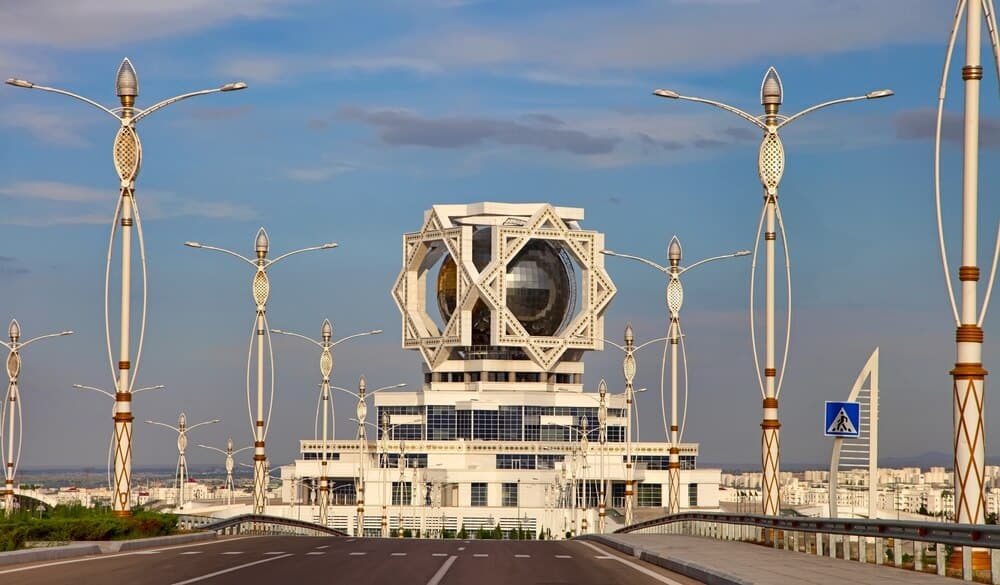
Ashgabat's famous "Palace of Happiness," renowned for its enormous diamond-shaped architecture, is the dream venue where local couples hold their weddings.
When speaking of Turkmenistan, one cannot overlook the legendary Akhal-Teke horse. This breed is hailed as "the world's oldest and rarest horse," and stands as both Turkmenistan's pride and its symbol. A Legendary Appearance and Character The Akhal-Teke is renowned for its slender limbs and graceful physique. Its coat gleams with a metallic sheen under sunlight, as if coated in a thin layer of gold foil, earning it the nickname "Heavenly Horse." Moreover, the Akhal-Teke possesses exceptional endurance, capable of galloping long distances across harsh desert terrain — a testament to the wisdom of nomadic peoples in domestication and survival. Cultural Symbolism
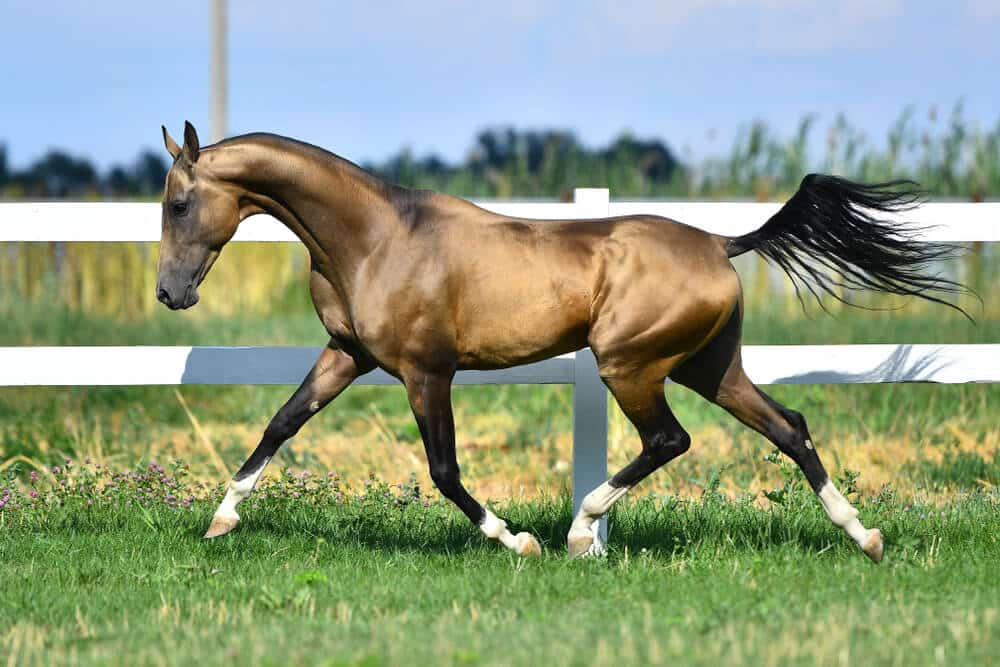
Turkmenistan's national treasure — the Akhal-Teke horse, famed for its slender build and metallic, shimmering coat, earning it the title "Heavenly Horse." In Turkmenistan, the Akhal-Teke is regarded as a national treasure, even appearing on the national emblem and banknotes. Every April, the country holds an "Akhal-Teke Horse Festival," showcasing the breed's unique status through races, exhibitions, and celebratory events. For travelers, admiring the Akhal-Teke is not merely appreciating a rare and precious horse, but also opening a window into Turkmen culture.
The ancient city of Merv, located near present-day Mary, was one of the most important cities on the Silk Road. It was once the largest and most prosperous metropolis in Central Asia, with a history dating back more than 2,500 years.Due to the extraordinary value of its preserved ancient site complex, Merv has been listed by UNESCO as aWorld Heritage Site. The Glory of a Thousand-Year-Old City Throughout different periods, Merv served as an important stronghold for the Persian, Arab, and Seljuk empires. In the 11th century, it was even one of the largest cities in the world, drawing scholars and merchants from far and wide, earning it the title "Pearl of the East." The Site Today Although Merv is now in ruins, traces of city walls, mausoleums, and palace remains can still be seen. The Sultan Sanjar Mausoleum in particular, renowned for its magnificent brick dome, stands as the most iconic structure among the ruins. Walking through this ancient city amid the sand, one can almost feel the prosperity and stories of the Silk Road from a thousand years ago. UNESCO's Recognition of Value According to UNESCO, Merv is one of the oldest and best-preserved oasis towns in Central Asia, with its site complex spanning nearly 4,000 years of history, leaving its mark on this land from the early Bronze Age to the Islamic Golden Age. The site includes ancient city districts from various periods, such as Erk-Kala, Gyaur-Kala, and Sultan-Kala, showcasing the architectural styles and urban layouts of each era. 👉 UNESCO World Heritage Centre Official Introduction: Ancient Merv
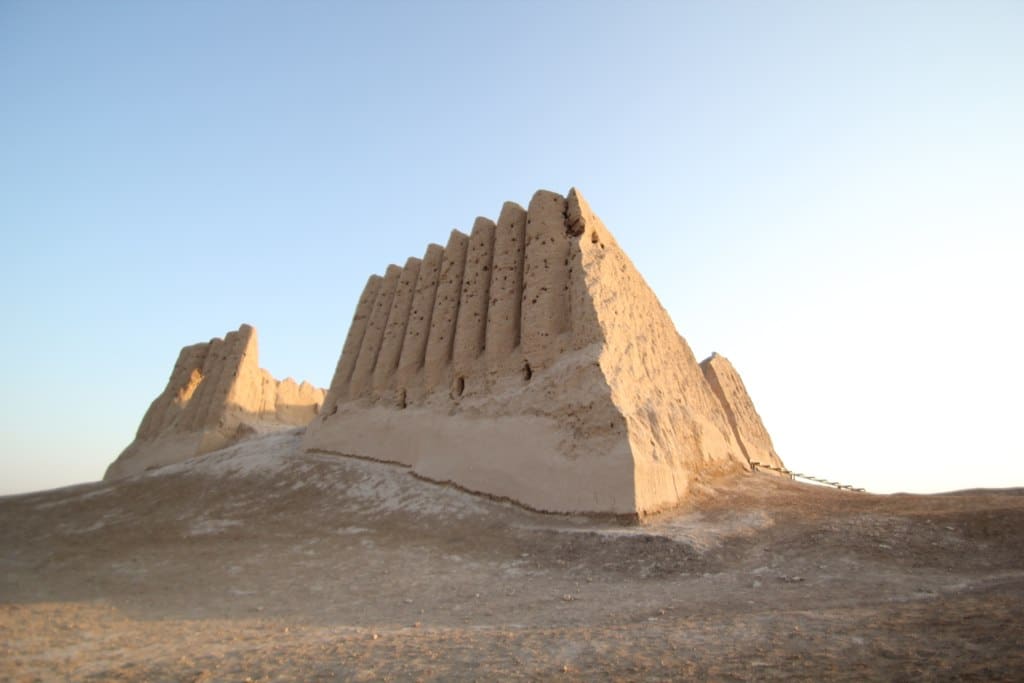
The Kyz Kala fortress within the ancient ruins of Merv, bearing witness to the prosperity and historical rise and fall of the Silk Road era. Photo: CC/Flickr.com | farflungistan
Beyond its ancient ruins and cultural heritage, Turkmenistan is also home to breathtaking natural wonders, the most magnificent of which is Yangikala Canyon. With its red and white striped cliffs that appear to blaze like fire under the setting sun, this canyon has earned the nickname "Fortress of Flames." Spectacular Landscape Colors Shaped by tens of millions of years of wind and rain erosion, the canyon's rock layers have formed a rich, layered texture. White limestone and red sandstone interweave to create a striking visual effect. Depending on the time of day and lighting conditions, the cliffs display a multi-layered palette ranging from soft orange to deep red, drawing photography enthusiasts from far and wide. A Prime Spot for Photography and Camping Located in a remote area, Yangikala Canyon is not the easiest to reach, but this has helped preserve its pristine and tranquil character. Many travelers choose to camp here, gazing up at the stars at night and photographing the vast landscape by day. If you happen to catch it at sunset, you'll witness the breathtaking sight of the entire canyon aglow in fiery red light.
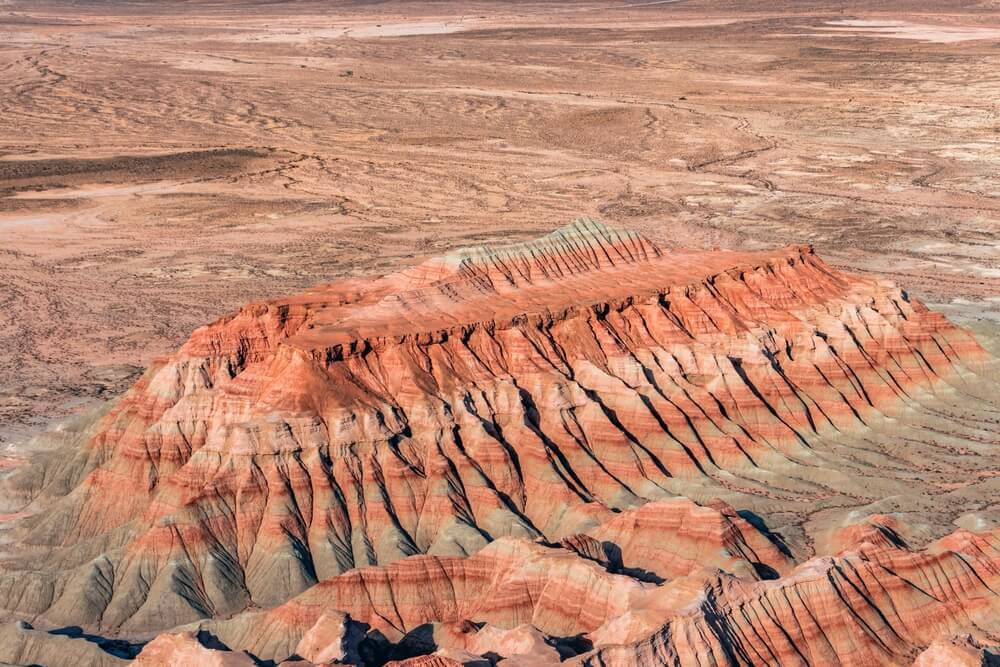
The red and white cliffs of Yangikala Canyon blaze like flames under the sunlight, earning it the nickname "Fortress of Fire."
Turkmenistan is a land of mystery and wonder, but due to its unique circumstances and environment, there are a few key points to keep in mind when planning your trip:
- Independent travel is relatively challenging:Language, transportation, and visa policies are fairly complex, so planning on your own requires a lot of research. If you'd prefer a more relaxed experience while still immersing yourself deeply in local culture, consider joining an expert-led small-group in-depth tour, or customize your itinerary through a private group. 👉 Further Reading: Turkmenistan Visa Requirements
- Limited infrastructure:In desert and remote areas, options for accommodation, transportation, and dining are relatively limited, so it's best to arrange these in advance.
Q1: Do I need a visa to visit Turkmenistan?What's the process? Yes, travellers generally need to apply for a visa in advance. For detailed visa requirements, please see 👉 《Central Asia Visa Guide》 Q2: What's the weather like in Turkmenistan? When is the best time to go? Turkmenistan has a desert climate, with hot, dry summers and cold winters, plus significant temperature swings at night in the desert. The best travel seasons are usually spring (March–May) and autumn (September–October). For detailed month-by-month recommendations and a packing guide, please see 👉 《Central Asia Weather & Best Time to Visit》 Q3: Is it safe to travel in Turkmenistan? Turkmenistan is generally a safe society, but due to language and transport limitations, independent travel can be relatively challenging. If you'd like to explore it with ease and peace of mind, consider a small-group in-depth tour led by an expert guide. For more information, see 👉 《Complete Guide to Travel Safety in Central Asia》 (coming soon)
Turkmenistan isn't as widely known as other major tourist destinations, but that's exactly what makes it all the more mysterious and unique. From flames that burn endlessly deep in the desert, to ancient city ruins and a city built of white marble, every site carries its own sense of wonder and story. If we had to sum it up, these five highlights best capture the essence of Turkmenistan:
- The Darvaza Gas Crater (Door to Hell) — a blazing spectacle burning endlessly in the desert
- Ashgabat — the world's most unique city of white marble
- Akhal-Teke — a national treasure and rare breed of horse
- The Ancient City of Merv — a UNESCO World Heritage Site on the Silk Road
- Yangikala Canyon — a fiery fortress of interwoven red and white cliffs
Together, these sights form a breathtaking tapestry that lets travellers step into history while experiencing the awe-inspiring power of nature — a truly hidden gem worth exploring in person. If you too long to witness the blazing flames of the "Door to Hell" with your own eyes, stroll through the white marble city of Ashgabat, or trace the ancient ruins and magnificent canyons along the Silk Road, DeWonder has already planned the perfect itinerary for you.
DeWonder offers expert-ledsmall-group in-depth tours, with each group limited to just 8–14 people, so you can travel with ease while still enjoying flexibility. If there are other specific sights you'd love to explore, you can also opt for aprivate tour, tailor-made just for you. 👉 View this year's full Central Asia In-depth Tour departure dates 👉 Join our free online seminar to get your Central Asia itinerary questions answered 👉 Click here to register DeWonder Central Asia In-depth Tour Info Pack 👉 Click here to download 👉 Further Reading: Introduction to the 5 Central Asian Countries 👉 Central Asia In-depth Tour Itinerary Comparison 👉 Further Reading: Must-Visit Attractions in Uzbekistan