
What can and can't you do in Antarctica? The IAATO guidelines you must know before you go
Essential pre-departure guidelines for Antarctica. Starting with the IAATO rules, we'll help you fully understand what you can and can't do on an Antarctic tour, so you can set foot on the White Continent safely and respectfully.
Going to Antarctica isn't just about booking a ship and dressing warmly enough. This is a journey with clear behavioral boundaries, and these boundaries come from IAATO (International Association of Antarctica Tour Operators). In this article, we'll use real scenarios you'll encounter during landings to help you quickly grasp the five most important pre-departure guidelines for Antarctica:
- Distance and boundaries for wildlife interaction
- Why biosecurity is so strict
- The real restrictions on photography and equipment
- Why you can't insist on a fixed itinerary or weather
- Small but easily overlooked things you're bound to encounter
If you hope to be more than just a photo-taking tourist in Antarctica—someone trusted by the expedition team who doesn't disturb the environment—these five things are exactly what you need to know first. 💡Did you know: What is IAATO, and why does everyone follow its rules? IAATO, short for the International Association of Antarctica Tour Operators, was founded in 1991.It's not a government body, but rather an international organization jointly formed by the world's leading Antarctic expedition cruise companies, with just one purpose: 👉 To allow humans to visit this continent responsibly, without damaging the Antarctic environment. The standards set by IAATO have been adopted by the Antarctic Treaty System of various countries, and serve as the code of conduct that expedition teams follow on the ground, as well as the basis for judging what you "can and cannot do" in Antarctica Put simply: almost everything you're reminded about or stopped from doing in Antarctica stems from IAATO's regulations.
In Antarctica, animals always come first. This isn't just a slogan, but the core spirit of IAATO.
- Core Concept: Antarctica is not a zoo—humans are merely temporary visitors. All wildlife has complete freedom of movement and "right of way."
- Key Rule: The 5-Metre Principle IAATO requires: 👉 Humans must maintain a distance of at least 5 metres from wildlife
This distance isn't meant to limit photography, but to prevent animals from changing their behaviour, while also protecting yourself.
A: Please stop, stay still or crouch down, and enjoy the moment—but don't approach or touch it.
A: Yes, but don't block the penguins' regular route to and from the sea.
A: No. If it lifts its head to look at you, that means you're already too close. [caption id="attachment_10050" align="alignnone" width="1024"]
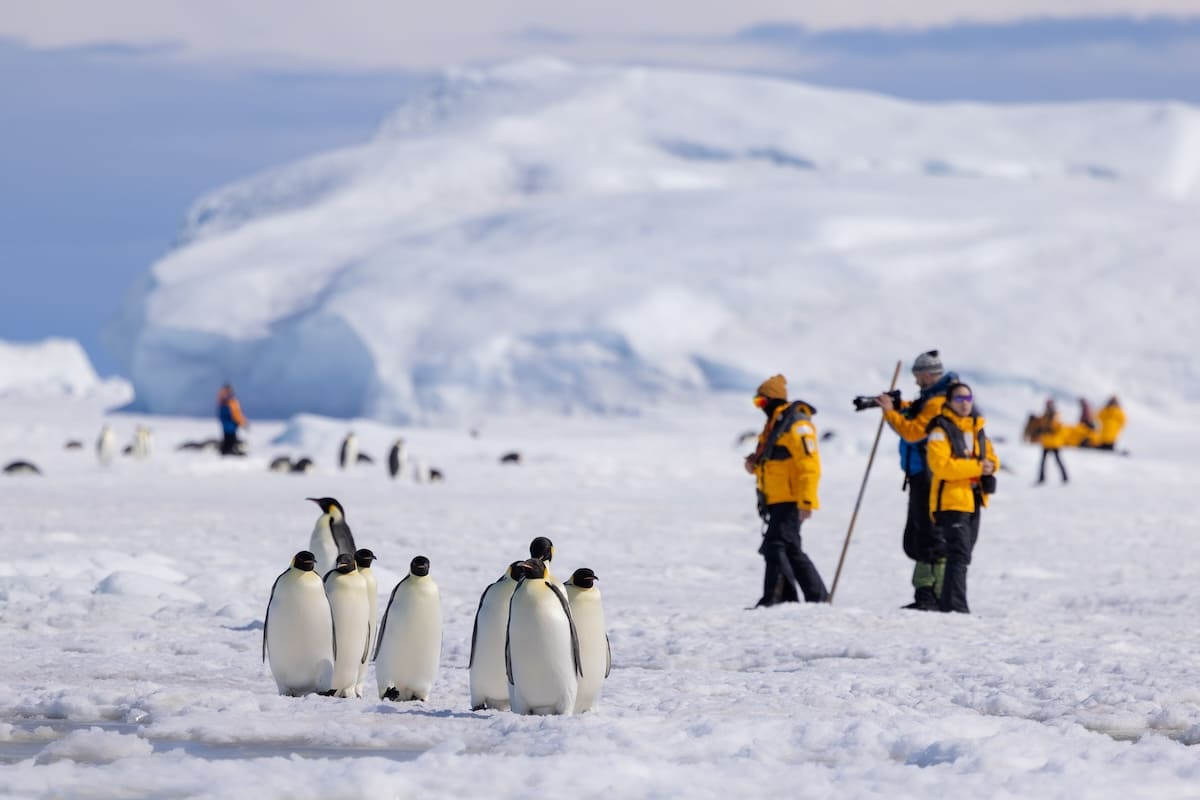
Keeping an appropriate distance from penguins is the most basic — and most important — form of respect for Antarctica.[/caption]
Many first-time visitors to Antarctica underestimate the importance of "biosecurity."
- Core Concept: What Antarctica fears most isn't too many people, but invasive species. A single seed or a bit of soil can have long-term effects on the local ecosystem.
- Something You'll Definitely Encounter Before Departure Before boarding, you'll take part in the so-called "vacuum cleaner party":
- Cleaning the Velcro on your jacket
- Checking the cuffed folds of your trousers
- Cleaning the seams of your backpack and the soles of your shoes
- Landing Rules
- Stepping into disinfectant (Virkon) every time you board or disembark
- Bringing any food ashore (except water) is strictly forbidden, to avoid altering animal behaviour.
Antarctica is a place that will have you constantly pressing the shutter. But remember: photos are what you bring home, but the experience is in the moment.
- Batteries drain very quickly in low temperatures
- Waterproofing matters more than you'd think
- Don't miss the view in front of you just to change lenses
👉 It is virtually impossible for ordinary travellers to fly a drone in Antarctica. IAATO imposes extremely strict restrictions on aerial photography, permitting it only for specifically approved research or commercial filming teams. 👉 Further Reading: Antarctica Photography Guide & Equipment [caption id="attachment_10523" align="alignnone" width="1024"]

Antarctica deserves to be captured, but not at the cost of disturbing wildlife or the local ecosystem. Beyond photography, remember to preserve your respect for the environment.[/caption]
If we could give first-time Antarctica travellers just one keyword, it would be: Flexibility
IAATO regulations state 👉 a maximum of 100 people may land at the same location at the same time Weather isn't an excuse—it's reality. Strong winds, high waves, or poor visibility can lead to a landing being cancelled at short notice. This isn't laziness, but respect for safety and the environment. [caption id="attachment_10220" align="alignnone" width="1024"]
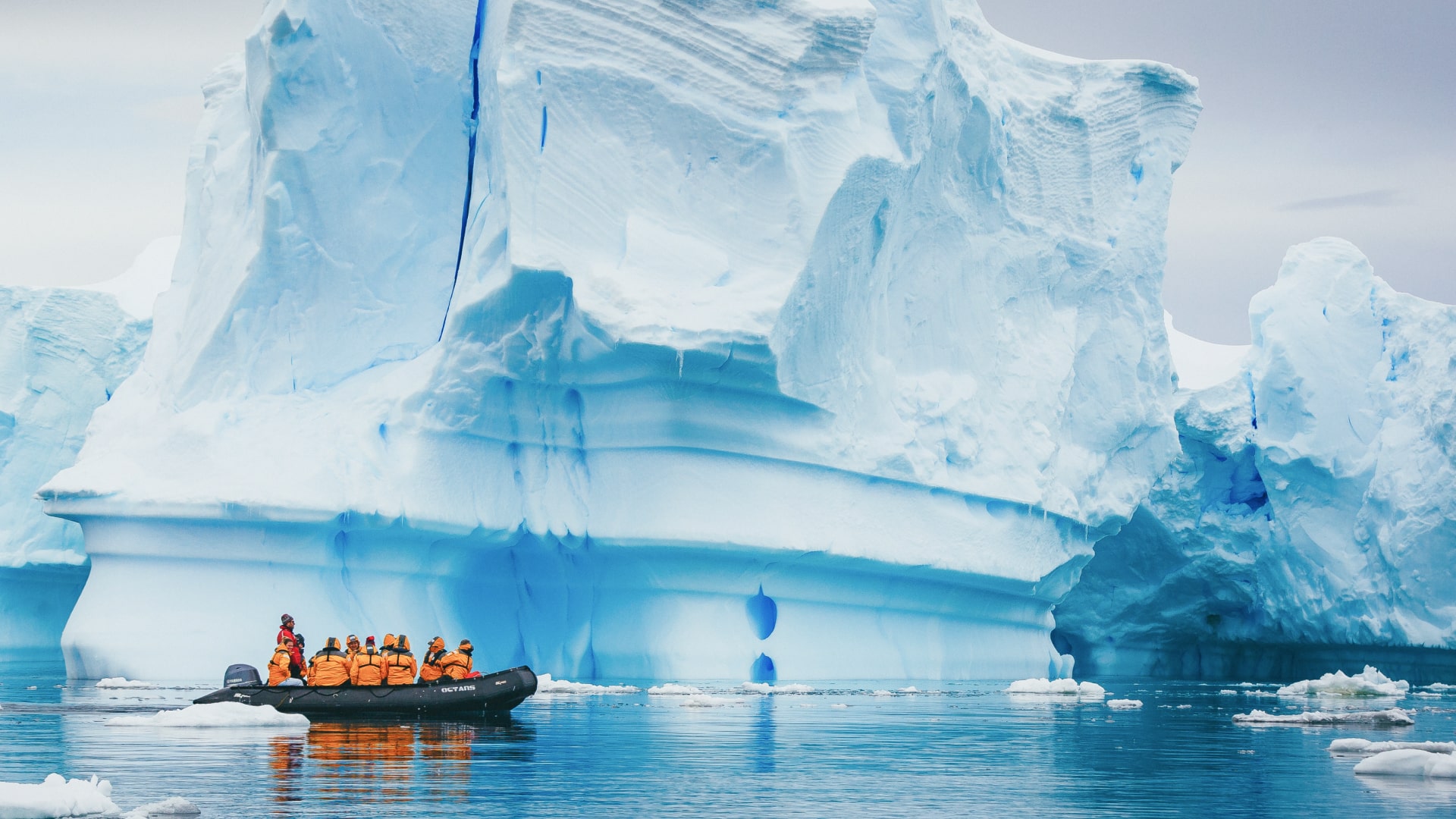
In Antarctica, whether a landing can proceed always depends on weather and environmental conditions, never on the itinerary.[/caption]
A:Most expedition ships now have Starlink, but it comes at an extra cost and the signal isn't guaranteed to stay stable.
A:There are no toilets on shore, and IAATO regulations prohibit leaving any waste behind, so please take care of this before disembarking.
A:When crossing the Drake Passage, the waves can be quite noticeable, so it's recommended to prepare seasickness medication or patches in advance.
What makes Antarctic travel so important and unique is that it's not a place where you can do whatever you want. Yet it's precisely because of these regulations that it remains pristine to this day. When you choose to follow IAATO's rules, you're not just completing a trip—you're taking part in safeguarding this white continent. And that sense of fulfillment often runs deeper than any photograph. If you're unsure how to prepare for an Antarctic journey, leave it to DeWonder Travel. DeWonder's In-Depth Antarctica Tour takes you exploring the Antarctic Peninsula, South Georgia, and the South Shetland Islands in small groups, offering an in-depth look at polar ecology and unique natural landscapes
- Itinerary: Classic Antarctic Peninsula single-island route
- Voyage Duration: 11-day, 10-night cruise itinerary
- Inclusions: Cruise fare, landing activities, onboard meals, polar lectures, professional guidance from the expedition team
- Exclusive Services: Professional pre-departure consultations for Hong Kong/Macau or Taiwan departures, visa advice, flight connection recommendations, and packing guides
👉 Check out theYear-Round Antarctica Departure Schedule 👉 Join Our Free Online Seminar, and enjoy an exclusive tour fee discount! 👉 Further Reading: Antarctica Travel Guide | Antarctica Travel Costs 👉 Further Reading: Antarctica Packing List