
What to do when approached by vendors in Egypt? How do you negotiate prices? A quick guide to common traveller scenarios
Many people worry about being ripped off when travelling to Egypt. This article uses real-life scenarios to explain how to handle sales pitches and price negotiations, helping you build clear judgement before you set off.
For many travellers heading to Egypt, sales pitches, price negotiations, and tipping often happen all at once — especially around the pyramids, tourist sites, public toilets, and during transport — which can leave people feeling exhausted or even uneasy.In reality, most situations don't involve danger or malice; the pressure simply comes from a different style of cultural interaction. As long as you know beforehand which scenarios are common and how to respond with the least effort, most interactions can end smoothly.
- Egypt is a highly touristic country, so interactions are especially frequent in tourist areas
- Proactive sales pitches, price negotiation, and tipping expectations are common forms of service interaction
- Most frustration comes from "not knowing how to respond", rather than from actual danger
Learning when to decline and when to confirm can greatly reduce psychological pressure 👉 The point isn't to be defensive, but to reduce the burden of on-the-spot judgement 👉Further reading: How should you tip in Egypt? What's the appropriate way to do it?
When you encounter touting or bargaining in Egypt, these 5 principles are all you need to remember:
- You can simply decline any service you didn't request
- For any paid experience, clarify the details and price first
- If the price doesn't suit you, smiling and walking away is the most effective response
- When paying, state the currency clearly and use small denomination notes
- There's no need to chase the lowest price—comfort matters more
Most unpleasant experiences come from "not confirming things in advance", not from ill intent.
→ No, interactions are just especially frequent in tourist areas
→ A polite decline is enough; it won't affect your safety
→ Not necessary—if the price doesn't suit you, just walk away
In areas dense with tourism, stopping to chat or responding to inquiries is often seen as "being interested in the service". Therefore, clear and brief responses are usually more effective than repeated explanations. Many travellers also keep a small buffer in their budget — not because they're bound to overspend, but to avoid letting minor expenses affect their mood. When you're mentally prepared, it's much easier to handle things smoothly when situations actually arise.
At the Pyramids and other popular sites, it's quite common for people to proactively offer guiding, photography, or camel/carriage experiences. If the service details and costs aren't clarified beforehand, misunderstandings can easily arise afterwards. The better approach is:
- Official services are usually concentrated at ticket counters or just inside the entrance — if you don't intend to take part, you can decline right from the start
- If you're considering the experience, confirm the details, duration, and whether all costs are included beforehand

Confirming prices and service details beforehand for camel rides and guided experiences around the Pyramids can help avoid misunderstandings later. Photo by Jose Gill
Sometimes you may encounter unsolicited assistance or small "free" gifts, followed later by an expectation of a tip. The response principle is simple
- If you haven't requested a service, you have no obligation to accept it
- If you don't need it, simply decline clearly
- If you've already accepted help, a small tip is enough to end the interaction

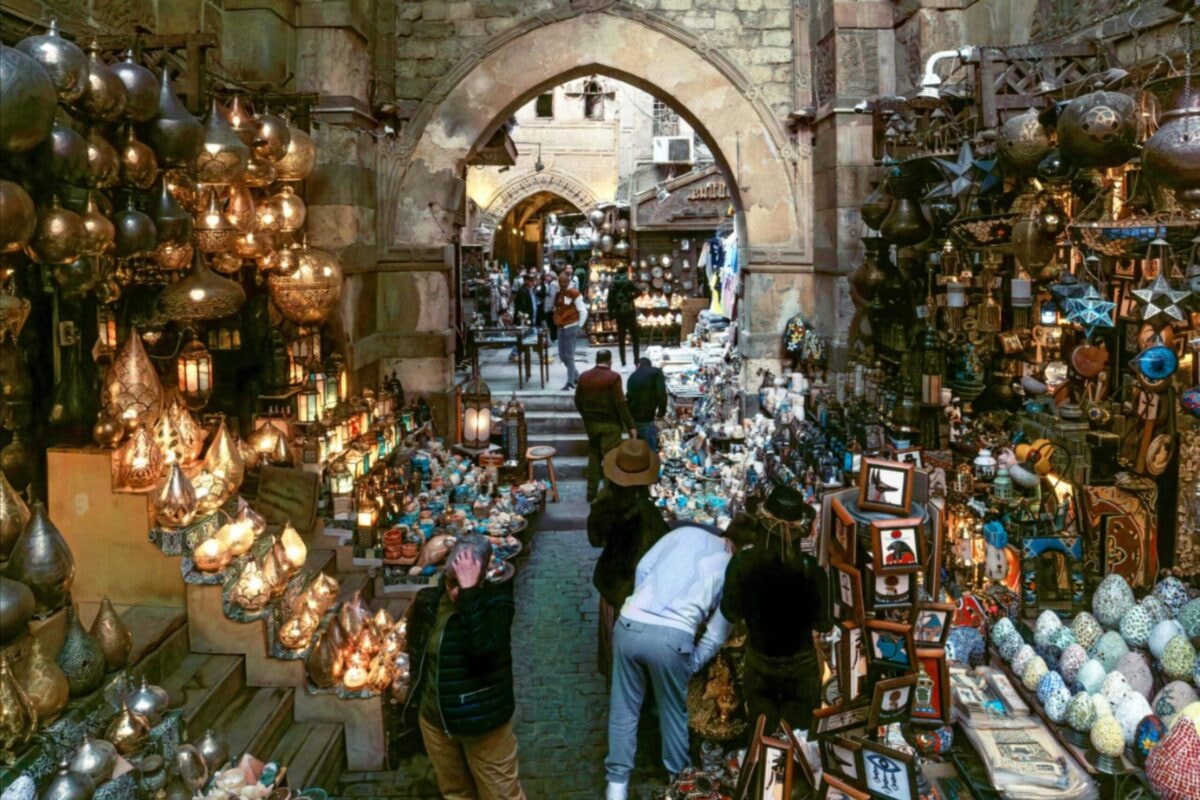
In markets or old towns, it's common for people to offer "free" help proactively — if you don't need the service, simply decline clearly right from the start. Photo by Osama Hamed
In some cities, taxi pricing methods aren't always consistent, and discussing the price only after the ride can easily lead to unpleasant disputes. Misunderstandings over currency can also occur when paying, such as with change or amount confusion. When Egyptian pounds and US dollars are both used, along with differences in denominations, misunderstandings can easily arise. Ways to reduce this risk include:
- Confirm the price before boarding, or use a ride-hailing app
- Avoid discussing costs only after the itinerary has ended
- Clearly state the currency when making payment
- Use small-denomination banknotes
- Ensure both parties can clearly see the amount and note denominations during payment
Bargaining is a common interaction at markets, souvenir shops, or informal services, but at supermarkets, restaurants, or places with clearly marked prices, haggling is usually unnecessary. Keep three principles in mind when bargaining:
- If the price isn't right, feel free to smile, say thank you, and walk away
- There's no need to chase the lowest possible price
- Your own comfort matters more than "getting the cheapest deal"
Common Price Range Reference
Item | Reference Range |
Bottled Water (1.5L) | Approx. 10–20 EGP |
Soft Drink | Approx. 15–30 EGP |
Street Shawarma | Approx. 80–150 EGP |
Small Souvenir | Approx. 30–60 EGP |
City Taxi (15 minutes) | Approx. 50–100 EGP |
These prices are for reference only to give a general idea; actual amounts will vary by city, season, and exchange rate.
A: Using Uber or Careem is relatively convenient in major cities, and paying with a linked credit card can help avoid disputes over change.
A: Avoiding prolonged conversation and giving a brief refusal before walking away is usually the most effective approach.
A: No. In most cases it has nothing to do with public safety, but rather stems from the frequent service interactions common in tourist areas.
Sales pitches and bargaining are simply part of Egypt's tourism environment. Once you understand the common scenarios beforehand and know how to respond, these interactions often become mere background noise during your trip rather than a source of stress. If you'd rather focus your energy on the experience itself instead of repeatedly handling these interactions, a tour with dedicated on-site support and clear pre-departure briefings can greatly reduce the need to deal with such situations on your own, letting you devote your attention to the cultural and historical experiences that truly matter. Join DeWonder's Egypt In-Depth Tour and most of the things you'd otherwise need to worry about beforehand are already taken care of. The itinerary pace is clear, transport and accommodation are all arranged, and your tour leader and local guide will also advise you on cultural and practical details, helping you avoid having to figure out on your own how to handle excessive sales pitches and bargaining. For first-time visitors to Egypt, this approach is not only worry-free but also lets you devote more energy to what truly matters: the Pyramids, the Nile, and the cities and culture themselves. ✨ DeWonder Egypt In-Depth Tour highlights:
- A 4-day, 3-night Nile cruise, travelling slowly along the river of the Pharaohs
- Visit the classic Giza Pyramids and the Grand Egyptian Museum in one trip
- Exclusive Nubian cooking class and homestay experience for in-depth interaction with local families
- A seamless connection of classic temple sites: Abu Simbel → Kom Ombo → Edfu → Karnak → Luxor → Valley of the Kings
- Small groups of 8–14 people, for a more comfortable pace and a more immersive experience
👉 Check out our Egypt In-depth Tour departure dates for the whole year 👉 Join our free online seminar to get answers to your Egypt itinerary questions 👉 Click here to register DeWonder Egypt In-depth Tour Info Kit 👉 Click here to download 👉 Further Reading:Ultimate Guide to Egypt Nile River Cruises 👉 Further Reading:Egypt's Four-Season Climate Guide by City 👉 Further Reading:Egypt Travel Safety Guide 👉 Further Reading: Egypt Temple Series Introduction
👉 Further Reading: Guide to Egyptian Mythology | Decoding Egyptian Totems 👉 Further Reading: Egypt Pyramids Travel Guide | Grand Egyptian Museum Guide