
What to Eat in Egypt? A Complete Guide to Must-Try Dishes and Food Safety Tips
Not sure what to eat on your first trip to Egypt? This article rounds up must-try dishes, food culture, and things to watch out for, so you can enjoy your Egypt trip with peace of mind.
When it comes to travelling in Egypt, most people care about two things above all: what will you actually be eating, and is it safe to eat? Below, we've put together the most common types of Egyptian cuisine, a selection of must-try dishes, and the key food safety points to know before you go.
On a first trip to Egypt, the food you actually encounter often differs from what many people imagine beforehand. Most travellers don't come across heavily oiled, strongly spiced dishes, but rather everyday meals centred on cooked food and home-style cooking. Generally speaking, common types of local Egyptian cuisine include:
- Bean and grain dishes: such as stewed beans and grain-based staples, which are a daily source of energy for locals.
- Thoroughly cooked home-style dishes: mostly stewed or fully cooked, with simple ingredients that are easier to adapt to.
- Grilled staples and meats: such as grilled meat or grilled bread, both well-cooked and very common choices while travelling.
- Meals mainly served hot: raw or cold food makes up a small proportion, with most dishes freshly cooked and served hot.
In addition, in major tourist cities such as Cairo, Luxor, and Aswan, it's actually quite easy to find international or Western-style food in tourist areas and around hotels, such as Middle Eastern cuisine, pasta, pizza, or international dishes served at hotels. As a result, many travellers' actual meal arrangements end up being trying local home-style dishes for some meals, while sticking to more familiar food the rest of the time, making the whole trip more flexible to eat through and giving greater peace of mind.
If it's your first trip to Egypt, you don't actually need to deliberately seek out lots of "exotic" dishes. The following are classic Egyptian choices that most travellers will actually come across, and which are relatively easy to get used to.
Type | Recommended Dish | Why It's Worth Trying |
National Dish | Koshari | A fully-cooked dish made of rice, lentils and pasta, mild in flavour and widely available |
Traditional Breakfast | Ful Medames | A stewed fava bean dish that's a local daily breakfast staple, gentle on the stomach |
Vegetarian Option | Ta'ameya | Egypt's version of falafel, freshly fried with simple ingredients |
Home-style Dish | Molokhia | A stewed dish commonly found on family dinner tables, a classic home-cooked meal |
Main Meat Dish | Grilled Kofta | Well-cooked grilled meat with uncomplicated seasoning |
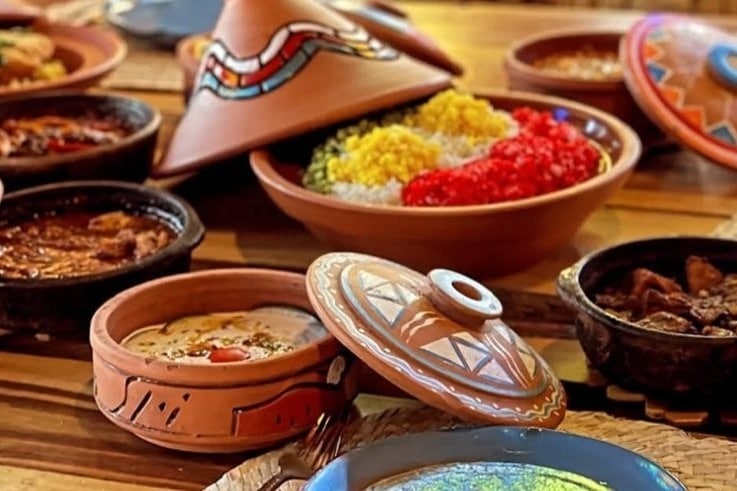
Cultural Experience | Nubian Home Cooking | Prepared by local families, offering insight into the food culture of different regions |
Most of the dishes above are fully cooked with simple ingredients, and are everyday home-cooked meals eaten by locals, making them relatively easy for first-time visitors to Egypt to adapt to.

Koshari|The Dish That Best Represents Egyptian Daily Life A clever combination of different staple foods, topped with tangy tomato sauce and crispy fried onions, this is a flavour many Egyptians have grown up with since childhood. Photo by Dina Said - Own work, CC BY-SA 4.0
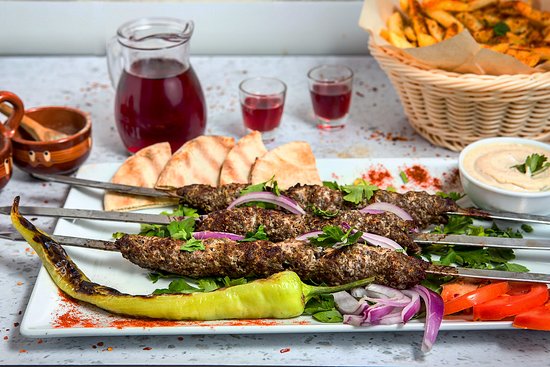
Kofta|The Most Common Grilled Meat Dish on Egyptian Tables 。Minced meat seasoned with spices is skewered into long strips and charcoal-grilled, resulting in a dish that's fragrant outside and tender inside. Often served with flatbread and sauces, it's a familiar everyday taste in both Egyptian households and restaurants. Photo Credit : TripAdvisor
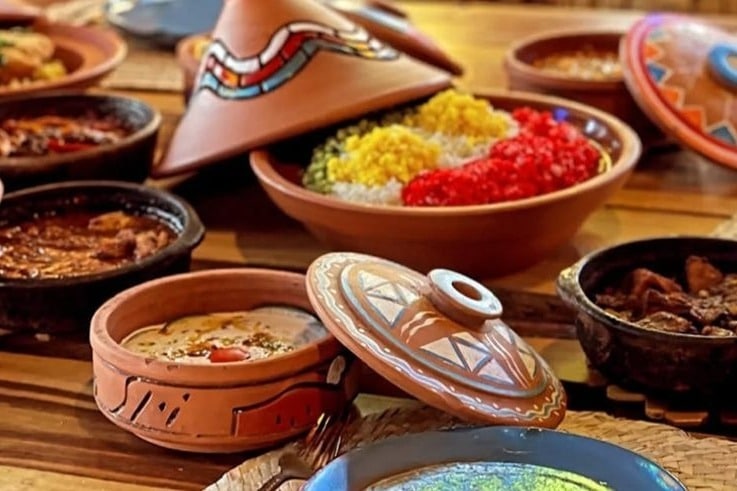
Nubian Food|A homestyle dish from the banks of the Nile. Cooked with simple spices and local ingredients, it is often served family-style, reflecting the Nubian food culture that stays close to daily life and values family and community.Photo Credit:Scene Now
For most travelers, avoiding raw food, drinking bottled water, and sticking mainly to cooked dishes can make dining in Egypt a worry-free experience. Most stomach issues are usually linked to the water source or raw, cold foods, so with a little caution beforehand, the risk is actually quite low.
It's generally not recommended to drink tap water directly in Egypt. Throughout your trip, it's best to stick to bottled water — for drinking, brushing your teeth, or making beverages — as this can effectively reduce the chance of stomach discomfort.
Ice cubes and unwashed raw vegetables may be linked to water quality, so it's advisable to take a more cautious approach on your first visit. In comparison, hot, freshly cooked, and thoroughly cooked dishes tend to be the safer choice.
Street food isn't entirely off-limits, but it's best to choose stalls that are busy, have high turnover, and serve freshly made, fully cooked food. If you have a sensitive stomach, or during the first few days of your trip, it's safer to stick mainly to meals at restaurants or hotels.
Having a sensitive stomach doesn't mean you can't enjoy Egyptian food safely. In most cases, as long as you eat conservatively during the first few days and focus on cooked dishes, your body will gradually adapt to the local food environment. For travelers with weaker stomachs, here are a few practical tips to keep in mind:
- Stick to cooked food for the first day or two of your trip: Avoid trying too many new flavors right when you arrive, giving your stomach time to adjust.
- Avoid raw, cold, or unidentified food sources: It's best to steer clear of unwashed raw vegetables, ice cubes, or food that has been sitting out at street stalls for a while.
- Carry basic stomach or anti-diarrhoea medicine with you: Even if you never end up needing it, having it on hand can bring extra peace of mind during the trip.
- Pay attention to how your body reacts, and adjust your food choices accordingly: If a meal doesn't sit well with you, simply opt for something lighter or more familiar at the next one.
This is exactly why many first-time visitors to Egypt, or travellers with more sensitive stomachs, choose itineraries that already include arranged meals. When a team familiar with local conditions pre-screens restaurants and types of cuisine, it often reduces the uncertainty of figuring things out on your own, making the whole trip more relaxing.
Among Egypt's many dining experiences, Nubian cuisine rarely appears on the menus of typical tourist restaurants. This style of cooking exists mainly within the everyday life of local families, rather than as a performance-style meal designed for tourists. We arrange the Nubian Cooking Class not because it's "especially lively," but because this kind of meal lets travellers truly step into the rhythm of local life during their journey, rather than simply sitting in a restaurant ordering off a menu. In practice, there are several very practical and important reasons behind this arrangement:
- The dishes are demonstrated by local families or chefs, with clear ingredients and methods: You can see the whole process, from preparing the ingredients to cooking them, which makes it much easier for first-time visitors to Egypt, or those more cautious about food safety, to feel comfortable trying it.
- Mostly home-style cooking, without intense flavours: Most Nubian cuisine leans towards everyday home cooking rather than heavy spices or complex seasoning, making it relatively friendly for travellers with more sensitive stomachs.
- Nubian cuisine differs from typical Egyptian cuisine: Compared with the Egyptian cuisine commonly found in the north and in cities, Nubian cuisine is more influenced by the Nile Valley and African culture, with simpler seasoning that often takes the form of grains, vegetables and stews, and rarely uses heavy spices. This difference lets travellers experience different regional food styles of Egypt within a single trip.
This is exactly why we consider this Nubian Cooking Class such an important meal in the itinerary. It's not just about filling your stomach—it's an experience that combines cultural understanding with peace of mind about food safety.
Overall, for a first trip to Egypt, as long as you first understand what types of dishes you'll encounter and grasp some basic dietary principles, most people can eat with peace of mind and more easily enjoy the local food culture. The real difficulty is usually not "whether you can eat it" but how much effort you have to spend judging and trying things yourself. If you don't want to keep worrying during your trip about restaurant choices, food sources or dietary risks, DeWonder's Egypt In-Depth Tour itinerary has already arranged dining experiences for travellers in advance, including restaurants frequented by locals as well as a Nubian Cooking Class that offers deep cultural insight. From home-style dishes that are mostly cooked through, to experiences where you can clearly see the cooking process, you can try local delicacies while still feeling at ease. ✨ Itinerary highlights:
- 4 days, 3 nights on a Nile cruise, travelling slowly along the river of the pharaohs
- Carefully selected classic temples in Aswan and Luxor, plus Abu Simbel
- Exclusive Nubian Cooking Class and homestay experience, for in-depth exchange with local families
- Small groups of 8–14 people, for a more comfortable pace and a deeper experience
So you're not just visiting—you're truly stepping into the heart of ancient Egyptian civilisation. 👉 Check Full-Year Egypt In-Depth Tour Departure Dates 👉 Join Our Free Online Seminar to Get Your Egypt Trip Questions Answered 👉 Click Here to Register DeWonder Egypt In-Depth Tour Information Kit 👉 Click Here to Download 👉 Further Reading:Egypt Nile Cruise Guide 👉 Further Reading:Analysis of Egypt's Seasonal Climate by City 👉 Further Reading:Egypt Travel Safety Guide 👉 Further Reading: Egypt Temples Series Introduction
👉 Further Reading: Guide to Egyptian Mythology | Decoding Egyptian Totems 👉 Further Reading: Egypt Pyramids Travel Guide | Grand Egyptian Museum Travel Guide