
What to Know Before Traveling to Central Asia: Dress, Religious Culture and Etiquette Guide
Don't worry about culture shock before heading to Central Asia—master a few tips on dress, religious culture, and local etiquette in advance, and you can enjoy your journey with ease.
The five Central Asian nations blend Silk Road heritage, Islamic architecture, and nomadic culture, making them a captivating travel destination. Since local customs around dress, religion, and daily etiquette differ from what we're used to, understanding these norms in advance can help avoid offense and unnecessary misunderstandings, making your journey smoother.
The five Central Asian countries—Kazakhstan, Uzbekistan, Kyrgyzstan, Tajikistan, and Turkmenistan—all sit at the crossroads of Silk Road civilization, but due to differing historical backgrounds and ethnic compositions, each country still has its own cultural atmosphere and social customs. For example, some areas are more relaxed about dress, while others place greater emphasis on traditional norms. Although Central Asia is often misunderstood as unfamiliar or even unsafe, in reality, simply grasping the basic local culture and etiquette beforehand allows you to adapt easily and avoid causing offense. Understanding these differences in advance not only makes your journey smoother but also helps travelers blend in more comfortably, enjoying more authentic interactions and experiences. 👉 Further Reading:《The Ultimate Guide to Central Asia Safety》
Across the five Central Asian countries, clothing is the area most likely to trigger cultural differences. While major cities are gradually modernizing and casually dressed young people can be seen on the streets, dress is still regarded as a symbol of respect and courtesy at religious sites and in traditional communities.
- Religious Occasions:When visiting mosques, women are generally required to wear a headscarf and avoid exposing their shoulders and legs; men should avoid wearing shorts or sleeveless tops. Everyday Outings:In urban or tourist areas, travelers can wear comfortable, relaxed clothing, but a "modest and neat" style is always the safest choice.
- Outfits for Photos:It's advisable to avoid overly revealing or provocative clothing, especially in rural areas or religious communities, where it can easily draw unwanted attention.
Preparing appropriate attire in advance not only makes your trip more comfortable but also shows respect for local culture. It's recommended to carry a lightweight scarf or shawl with you—handy for changing weather and ready to use whenever you enter a religious site. Comparing Dress Codes Across the Five Central Asian Countries
Country | Dress Atmosphere | Notes |
Kazakhstan | Relatively open | Modern attire is common in big cities; modesty is only needed at religious sites |
Kyrgyzstan | Open, leaning conservative | Casual in cities, more traditional in rural communities |
Uzbekistan | Moderate | Casual dress is fine in tourist areas, but stricter in traditional old town districts |
Tajikistan | Leaning conservative | Government policy places more restrictions on public dress |
Turkmenistan | Conservative | Modest attire is required, especially at religious sites and public events |

Dress in Central Asia varies by occasion: casual, relaxed outfits are common on the streets, but attire becomes more modest and conservative when entering mosques or joining traditional events

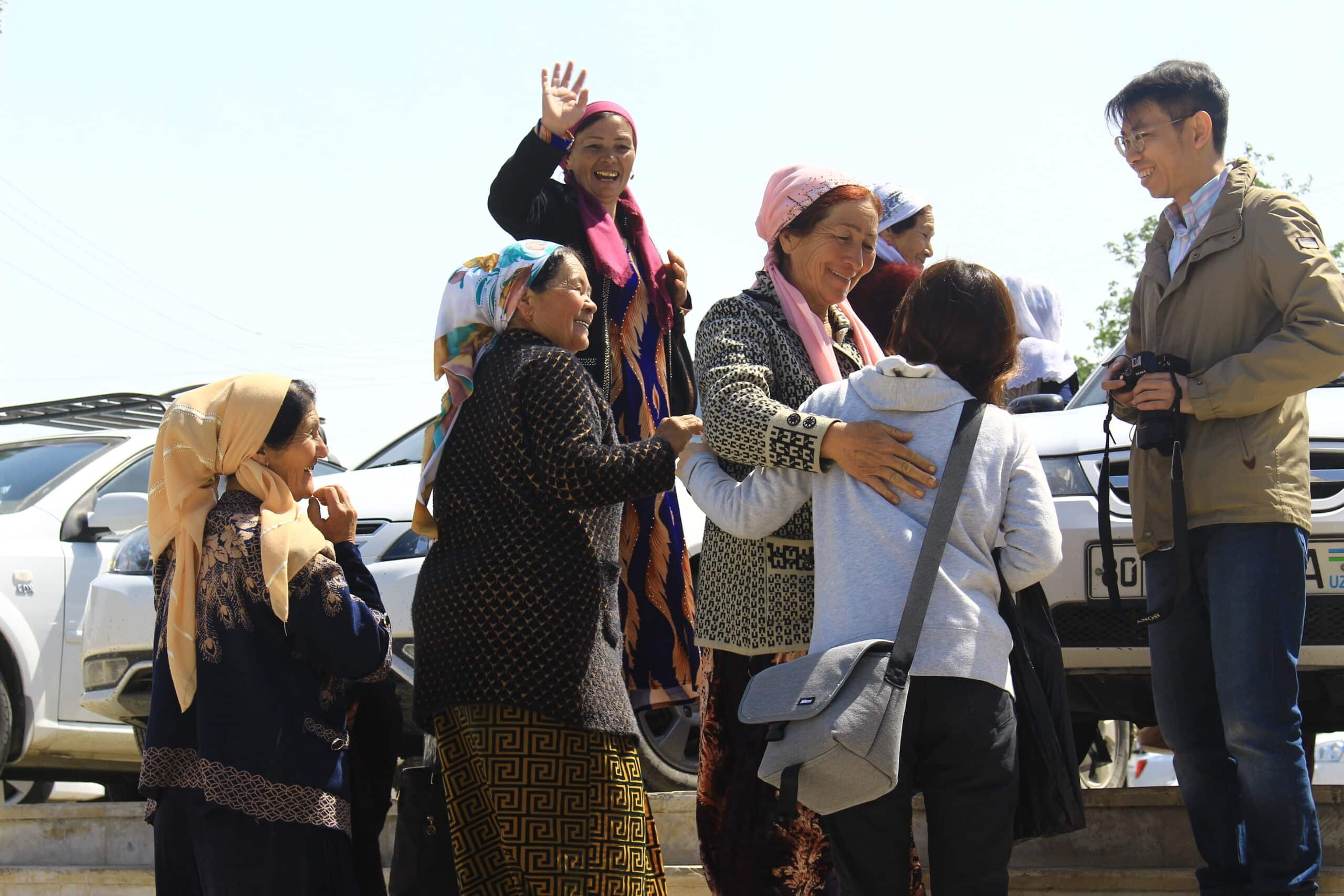
Traditional Central Asian women's attire: colourful robes and scarves that are both dignified and vibrant—travellers need only bring a simple scarf to meet the basic etiquette required at religious sites.
Islamic culture holds deep influence across the five Central Asian nations. Even though the degree of openness varies from country to country, respecting religious traditions is always a fundamental principle travellers should follow.
- Visiting Mosques:Shoes must be removed before entering, and clothing should be neat and modest. Some mosques have separate areas for men and women, so it's advisable to follow the arrangements on site.
- Prayer Times:Avoid standing near entrances or being noisy during prayers, so as not to disturb worshippers.
- Dietary Customs:Most Muslims do not eat pork, and alcohol can be a sensitive topic in some areas; it is customary to eat with the right hand.
- Ramadan:During the fasting period, Muslims do not eat or drink during the day. Although travellers are not restricted, it's best to avoid eating or smoking while walking in public as a sign of respect.
Respecting religious culture doesn't mean your actions are restricted—rather, it helps you blend more smoothly into the local environment. Many local residents are friendly and warm towards visitors, and showing understanding and consideration often leads to more welcoming interactions. Central Asian Religious Customs: Do & Don't
Do | Don't |
Remove shoes before entering a mosque and remain quiet | Wear revealing clothing (such as shorts, vests, or low-cut tops) into religious sites |
Women should bring a headscarf for religious areas | Move around, take photos, or make noise during prayers |
Pass food or objects with your right hand | Mention "pork" or ask about drinking alcohol at the table or in public |
Avoid eating or smoking in public during the day in Ramadan | Photograph worshippers or women rudely, or take shots without consent |
Follow the guidance of mosque staff or local people | Touch sacred objects or altars freely inside religious buildings |
Central Asian people are widely known for their hospitality, and many travellers have experienced being invited into a local home for tea or a meal. However, there are a few details worth noting when interacting with locals:
- Hospitality Culture:Being invited to a meal at someone's home is a local courtesy, and you don't need to bring a gift specially; if you'd like to show your appreciation, a small snack or some fruit will do.
- Handshake Etiquette:Handshakes are common between men, but in more conservative areas, men should avoid initiating a handshake with women — a nod or a smile is a more suitable greeting.
- Respectful Photography:Whether at a market, on the street, or in a family setting, always ask for permission before photographing people, especially women and elders, who require extra sensitivity.
💡 Quick Tip: In Central Asia, showing respect and modesty often matters more than fluent language skills. With a smile and attention to basic etiquette, most locals will respond warmly to travelers.

Everyday interactions in Central Asia: locals welcome visitors with warmth and smiles, reflecting a rich culture of hospitality.
Although the five Central Asian countries differ in cultural background, they all place great importance on etiquette and respect. By paying attention to attire, religious customs, and social interactions, travelers can avoid unnecessary misunderstandings and enjoy a more comfortable travel experience. Central Asia is neither out of reach nor fraught with risk — once you grasp the basic cultural norms, you'll find that the warmth and hospitality of the locals far exceed expectations. The beauty of travel often comes from exchange and understanding; setting out with a respectful heart naturally makes for a smoother, more reassuring journey. If you'd like to explore the five Central Asian countries in greater depth, we've also compiled the following useful information for further reading:
- Highlights of the Five Central Asian Countries: Everything You Need to Know About Visiting the Five Central Asian Countries
- Visa & Entry Guide: Visa & Entry Requirements for Hong Kong, Macau & Taiwan Travellers to the Five Central Asian Countries
- Safety Analysis of the Five Central Asian Countries: Click here to learn more
- Understanding Central Asia's Climate: Seasonal Features & Experience Comparison
- Central Asia Itinerary Comparison: Comparing Itineraries from Two Countries to Five Countries
With this information, you should be well-prepared for your Central Asia trip. If you'd like to save time on planning, we recommend checking outDeWonder's In-Depth Central Asia Touritinerary.DeWonder has 10 years of experience leading in-depth Central Asia tours, with deep familiarity of the local culture and transportation routes. We offer local guiding and unique cultural immersion experiences, designing itineraries that avoid typical tourist traps, in boutique small groups of about 8–14 travellers, so every guest can comfortably and confidently explore Central Asia in depth. 👉 View all year-round departure dates for the In-Depth Central Asia Tour 👉 Join our free online seminarto get your Central Asia itinerary questions answered 👉 Click here to register DeWonder In-Depth Central Asia Tour Information Package 👉 Click here to download