
What to Pack for Egypt? A Complete Egypt Packing List
Not sure how to pack for your first trip to Egypt? This article puts together a practical Egypt packing list, covering everything from clothing and sun protection to cultural dress considerations, to help you get fully prepared at once.
Egypt is a destination quite different from typical trips. The dry, hot climate, long hours spent outdoors visiting ancient sites, plus certain cultural expectations around clothing, make "how to pack" a key factor affecting your comfort throughout the trip. Many first-time visitors to Egypt tend to have similar questions:
- Should I bring a lot of summer clothes?
- Can I wear shorts and tank tops?
- How much sun and sand protection should I prepare?
This article will use the most direct, practical approach to put together everything you truly need to pack for a trip to Egypt, so you have a clear idea before departure and can pack with ease.
Before diving into the complete Egypt packing list, just remembering these three principles will make it much harder to pack the wrong things. Especially useful for first-time visitors to Egypt.
- Packing should focus on sun, heat, and sand protection: Most activities in Egypt take place outdoors, under strong sunlight and dry conditions. Rather than packing more clothes, make sure you have enough sun protection items and sun-shielding accessories.
- Balance comfort with respect for local culture: Overly revealing clothing isn't appropriate in some cities and religious sites. Lightweight clothing that covers shoulders and knees is actually more practical.
- With lots of walking involved, practicality matters more than style: Long hours spent visiting ancient sites and markets are the norm, so a comfortable pair of walking shoes and a lightweight backpack will directly affect your comfort on the trip.
Once you keep these three principles in mind, the Egypt packing list below is simply putting them into concrete detail, item by item.
If you want a quick answer to "what do I actually need to bring to Egypt," the list below covers most of the items travelers actually end up using. Just follow it and you're unlikely to go wrong.
Category | Essential Items | Key Notes |
ID & Documents | Passport, passport copy | Bring both a physical copy and an electronic backup |
Clothing | Lightweight long-sleeved tops, long trousers | Protects against sun while respecting local culture |
Footwear | Well-fitting walking shoes / ankle boots | Sand-resistant and durable, ideal for long outdoor itineraries |
Sun Protection | Sunscreen, sunglasses, hat | UV rays are intense, needed almost every day |
Personal Items | Wet wipes, hand sanitizer | Very handy for outdoor sightseeing and markets |
Accessories | Lightweight scarf | Useful for sun protection and when entering religious sites |
Electronics | Charger, power bank, plug adapter | Battery drains fast with a full day out;Egypt operates on 220V voltage, 50Hz frequency, using Type C, F, and G plugs |
Other | Small backpack or crossbody bag | For water bottle, sun protection items, and personal belongings |
💡Quick Tip: We don't recommend regular sports shoes or mesh shoes as your main footwear. This type of shoe easily lets sand in within Egypt's sandy environments, making them inconvenient during the actual trip.
When preparing clothes for your Egypt trip, the key isn't "how many outfits to bring" but rather "bringing the right pieces." As long as you get the direction right, you don't actually need to pack too many clothes.
- Focus on Lightweight, Covering Pieces: Thin long-sleeve shirts and long pants are more practical in Egypt than short sleeves and shorts. They not only protect against sun but also help when entering religious sites or more conservative areas.
- Avoid Overly Fitted or Revealing Styles: Sleeveless tops and very short shorts aren't suitable in some cities and attractions, which can make your trip inconvenient and may attract unwanted attention.
- Choose Materials Suited for Activity and Sweating: Most of the itinerary involves outdoor sightseeing and walking, so clothing that isn't breathable or quick-drying can leave you feeling uncomfortable all day.
- A scarf or light jacket is an all-purpose item for your luggage: It protects against the sun during the day and comes in handy when entering mosques or indoor spaces, making it one of the most frequently used accessories for many travelers.
If you'd like to see more real outfit examples, differences between men's and women's attire, and how to dress for different occasions, check out thisrelated read 👉 〈Egypt Outfit Tips and Practical Guide〉, which will give you a better idea of which clothes are truly worth bringing.

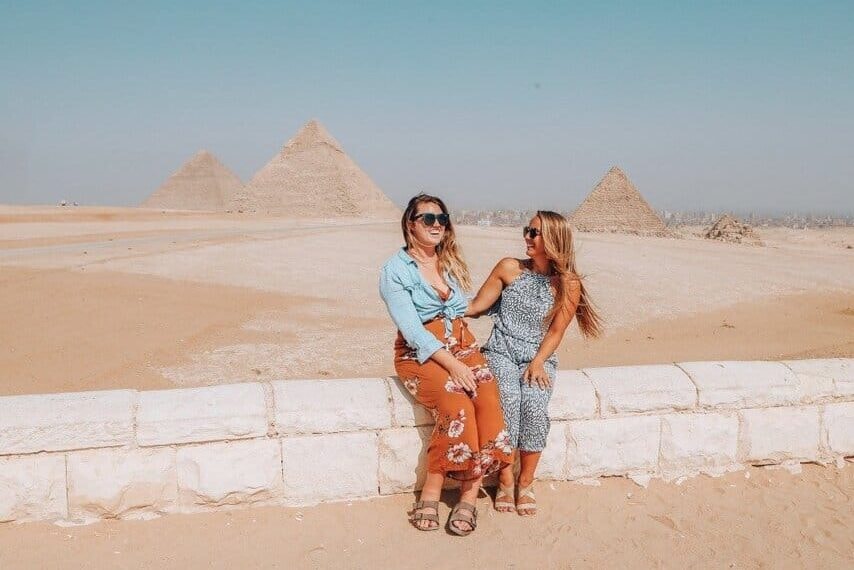
Lightweight long sleeves, long skirts or long pants, paired with a hat and sunglasses, make the most practical outfit combination for traveling in Egypt—protecting against the sun while also being suitable for various cultural settings.
Egypt's weather is dry year-round, but what affects your packing most isn't simply the heat or cold—it's thesignificant day-night temperature difference and intense sunlight. When packing, you don't need to memorize the temperature for every month; just keep these three principles in mind: "breathable, sun-protective, and easy to adjust."
- Spring and Summer (approx. April–September): Hot days with strong UV rays The daytime perceived temperature is high, so pack mainly lightweight, breathable items, while making sun protection products an absolute must-bring.Even in summer, early mornings and evenings can turn cool,layered dressingis more practical than wearing short sleeves alone.
- Autumn/Winter (approx. Oct–Mar): Mild climate, but noticeable day-night temperature swings Daytime is comfortable most of the time, but mornings and evenings are cooler, especially along the Nile or on early-morning excursions. A thin jacket paired with long-sleeve layers can handle the temperature swings throughout the day, without needing to pack heavy clothing.
- Year-round: Dryness and temperature swings are more easily overlooked than low temperatures The dry climate combined with day-night temperature swings can easily make your body feel uncomfortable. A scarf or thin jacket is not just for sun protection—it can also be used when it turns cool, making it a highly practical item in your luggage.
If you'd like a clearer understanding ofthe weather characteristics of different seasons and practical outfit suggestions, you canread more 👉 〈A Guide to Seasonal Dressing Essentials in Egypt〉, then fine-tune your packing list based on your departure month.
Egypt is a country where religion and daily life are closely intertwined, and many attractions are themselves mosques, religious buildings, or conservative communities. When preparing your luggage, thinking one step ahead will make your trip go much more smoothly.
- Prepare clothing or accessories that cover shoulders and knees: When entering mosques or more conservative areas, dress requirements are stricter than at typical tourist sites. A scarf or a light outer layer can quickly adapt to different occasions, saving you from last-minute worries.
- Avoid overly tight or sheer fabrics: Even in hot weather, clothing that's too tight or see-through remains inappropriate in certain settings. Choosing loose, breathable yet opaque fabrics will make you much more comfortable during activities.
- Small cash and coins are highly practical: At certain attractions, restrooms, or situations requiring tips, coins are more convenient than card payments. Setting aside a small wallet in your luggage proves very useful in practice.
- Choose a bag that is "close to the body and unobtrusive": In markets and crowded places, a close-fitting crossbody bag or small backpack feels more secure than a large open-top bag, while also making it easy to access essentials at any time.
If you'd like to learn more about Egypt's cultural taboos, dress principles for religious occasions, and real-life scenarios, further reading 👉 〈Egypt Culture & Etiquette Dress Guide〉 will help you better understand local customs.
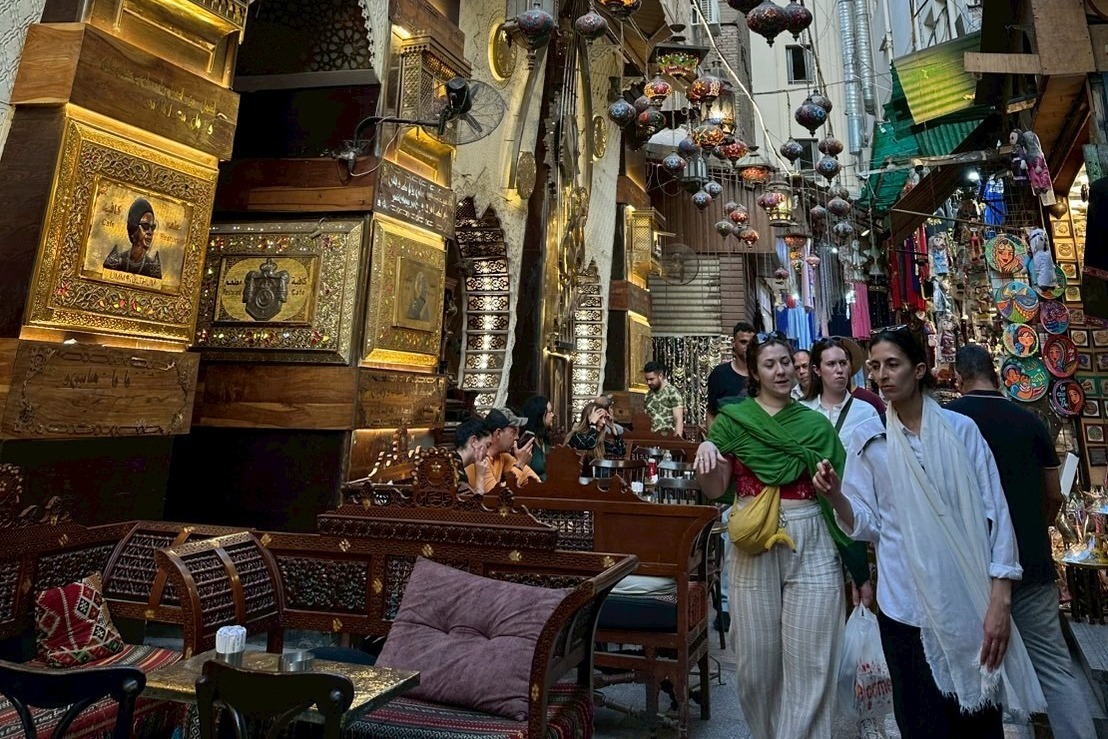
Dressing appropriately and avoiding overly revealing clothing in markets and areas with a strong religious atmosphere will make your trip more comfortable and earn you greater respect from locals.
When traveling to Egypt, the key to packing isn't quantity, but whether your items can handle intense sunlight, day-night temperature swings, and long hours of outdoor activities. Here are common packing questions from travelers heading to Egypt:
You don't need to bring too much, but it's recommended to prepare small denominations of US dollars or Egyptian pounds. Cash is more convenient for tips, restrooms, or small purchases.
It's not mandatory, but a thin scarf or silk scarf can be very useful. It comes in handy when entering mosques, visiting more conservative areas, or needing to cover up temporarily.
Yes. Lightweight long sleeves are more practical than short sleeves—they protect against sun exposure, help with day-night temperature differences, and are more appropriate for local cultural settings.
Not particularly. Mesh or breathable sneakers tend to let sand in, making them inconvenient when walking on sand or exploring ancient sites—shoes with better coverage are more practical.
Yes.Egypt's sun is intense, sunscreen, sunglasses, and a hat are essentials you'll use every day.
Many people do. As long as you follow a few key principles—sun protection, sand resistance, durability for walking, and layerable outfits—you really don't need to bring too many clothes.
For a first trip to Egypt, what worries people most usually isn't the sights themselves, but the fear of "not being prepared enough." How the itinerary flows, how transport connections work, and what to be mindful of in cultural settings—all of this directly affects how you should pack. If you choose to join DeWonder's Egypt In-Depth Tour , most of the things you'd otherwise need to worry about in advance are already taken care of for you. With a clear itinerary pace, transport and accommodation all arranged, and your tour leader and local guide on hand to advise on cultural and practical details, your packing can focus purely on personal comfort and essentials—no need to bring a backup plan for every possible scenario. For first-time travelers to Egypt, this approach not only saves you worry, but also lets you devote more energy to what truly matters: the Pyramids, the Nile, and the cities and culture themselves. ✨ DeWonder Egypt In-Depth Tour Highlights:
- A 4-day, 3-night Nile cruise, traveling slowly along the river of the pharaohs
- Visit the classic Giza Pyramids and the Grand Egyptian Museum in one seamless itinerary
- Exclusive Nubian cooking class and homestay experience for in-depth exchange with local families
- Seamlessly connected visits to classic temple sites: Abu Simbel → Kom Ombo → Edfu → Karnak → Luxor → the Valley of the Kings
- Small groups of 8–14 people, for a more relaxed pace and a more in-depth experience
👉 Check out our year-round Egypt In-Depth Tour departure dates 👉 Join our free online seminar to get your Egypt itinerary questions answered 👉 Click here to register DeWonder Egypt In-Depth Tour Info Kit 👉 Click here to download 👉 Further reading:Egypt Nile Cruise Guide 👉 Further reading:An Analysis of Egypt's Seasonal Climate by City 👉 Further reading:Egypt Travel Safety Guide 👉 Further reading: A Guide to Egypt's Temples
👉 Further Reading: Guide to Egyptian Mythology | Decoding Egyptian Totems 👉 Further Reading: Egypt Pyramids Guide | Grand Egyptian Museum Guide