
When Is the Best Time to Visit Egypt? Ideal Seasons for Ancient Civilization Tours & Red Sea Diving
Not sure when to visit Egypt? This complete guide breaks down peak and off-peak season weather and experience highlights, helping you choose the most worthwhile month to depart!
Want to visit Egypt but not sure when's the best time to go? There's no single answer, because Egypt offers two distinctly different ways to travel — one is exploring pharaonic civilization along the Nile River; the other is diving into the Red Sea to experience stunning coral reefs. Different seasons determine which version of Egypt you'll see. Winter and spring are paradise for history lovers, while summer and autumn are dream time for ocean travelers. This article will help you analyze the climate, experiences, and timing to find the "Egypt moment" that best matches your expectations.
This is what most travelers consider "the most classic Egypt." Unfolding along the Nile River, the journey runs from the pyramids and museums of Cairo, to the Valley of the Kings in Luxor, and on to the temples of Aswan and Abu Simbel — every step feels like traveling through time, experiencing the grandeur and faith of the pharaonic era. This journey combines history, architecture, and culture. By day, you can admire the intricate reliefs and murals of temples under the sun; by night, you can cruise the Nile and watch starlight reflected on the water — the best way to explore the soul of ancient Egypt.
This period is widely recognized as the "best season" for exploring ancient Egyptian civilization. The climate is dry and comfortable, with daytime temperatures around 20°C–30°C, ideal for spending extended time at outdoor attractions. Whether visiting the pyramids, strolling through temple corridors, or sitting on a cruise deck watching the sunset, you can experience the weight of history at the most leisurely pace. 📍Why this is the best time:
- Comfortable weather: No scorching heat or sandstorms, making walking and photography effortless.
- Soft lighting: Ideal for photography, making architectural details and mural colors stand out more.
- Many festivals and events:
- Abu Simbel Sun Festival (February 22 and October 22) — On these two days each year, morning light penetrates the temple's central axis and illuminates the pharaoh's statue, creating a spectacular phenomenon combining astronomy and architecture, with an awe-inspiring atmosphere on site.
- Christmas and New Year period (December–January) — Major cities and cruise ships are filled with festive spirit.
🎯 Recommended Months: October, December, February, April 💡Tip: This is peak travel season, so popular attractions tend to be crowded — it's recommended to book flights and accommodation early.

The Abu Simbel Temple is located in southern Egypt. Every year on February 22 and October 22, morning light penetrates the temple corridor and shines directly on the statue of Pharaoh Ramesses II, creating a magnificent "Sun Festival" phenomenon.Photo by Dmitrii Zhodzishskii on Unsplash

From October to April each year, the climate is at its most pleasant, with daytime temperatures around 20°C–30°C, making it the best season for cruising the Nile and admiring the riverside monuments and sunset views.
If you choose to visit Egypt in summer, you'll encounter a very different travel rhythm. Inland areas such as Luxor and Aswan can see daytime temperatures soar above 40°C, so itineraries should avoid outdoor sightseeing at midday, focusing instead on mornings and evenings. 📍Highlights of Summer Travel:
- Fewer Crowds: Attractions are quieter, making it easier to photograph ancient sites without interruption.
- Great Value: Hotel and cruise prices drop noticeably.
- Experience Limitations: Visiting large temples or desert areas in high heat can be tiring, so it's advisable to shorten your stay.
🎯 Best Suited For: Travellers who want to avoid crowds, or those with a limited budget but a flexible itinerary. 💡Quick Tip: If it's your first visit to Egypt, it's still recommended to choose the mild climate months of October to April.
If the Nile represents Egypt's ancient soul, then the Red Sea is its passionate side. Located along Egypt's eastern coast, the Red Sea is famed for its crystal-clear waters, vibrant coral, and world-class dive sites, drawing countless diving and snorkelling enthusiasts eager to experience "Africa's Maldives." The style of travel here is completely different from inland Egypt—you can dive into the transparent, azure waters in the morning, relax on the beach or by a resort pool in the afternoon, and take a boat out to offshore coral reefs to see schools of tropical fish and shipwreck remains right before your eyes.
Contrary to the scorching heat inland, summer is actually the ideal time to get into the water at the Red Sea. During this period, water temperatures range from about 26°C–30°C, with high visibility and stable sea conditions, so even spending the whole day at the beach or in the water won't feel too hot. 📍Why This Time Is Most Recommended:
- Warmest Water Temperatures, Excellent Visibility: Ideal for diving, snorkelling, and obtaining diving certification.
- Wide range of activities: Includes boat diving trips, parasailing, and glass-bottom boat experiences.
- Strong resort vibe: Major resorts offer pool parties and spa treatments, perfect for a relaxing getaway.
🎯 Recommended months: May, June, September 💡Quick tip: The Red Sea coast is dry, so remember your sunscreen and stay hydrated.

From May to September each year, the Red Sea reaches its warmest water temperatures, with high visibility and calm sea conditions — the best time for diving, snorkelling, and beach holidays, making it the top choice for summer travellers. Photo by Bahaa Mourad on Unsplash
While this period is peak season for touring inland ancient sites, it's relatively cool for the Red Sea.Temperatures range from about 18°C–25°C, with water temperatures dropping to around 22°C. Diving and snorkelling are still possible, but thicker wetsuits are recommended. 📍Travel Highlights:
- Stronger sea breezes: Choppy conditions at times may lead to cancelled boat trips.
- Fewer crowds: Ideal for travellers who simply want to enjoy quiet sea views or relax at a resort.
- Still breathtaking scenery: The Red Sea's blue is stunning — worth a visit even without getting in the water.
🎯 Recommended for: Travellers who want both culture and relaxation can extend their trip with a few days by the Red Sea after touring the ancient sites.
Egypt looks and feels completely different depending on the month. Want to see the pyramids, cruise the Nile, or dive into the Red Sea? This chart helps you quickly find the best month to travel based on what you're after.
Month | Average Climate | Recommended Experience | Travel Highlights | Suitable Traveller Type |
Jan–Feb | Cool and dry (approx. 20°C) | 🏛️ In-depth Ancient Civilisation Tour | Most stable weather, strong festive atmosphere (Christmas/New Year) | First-time visitors, those who prefer comfortable itineraries |
Mar–Apr | Warm and pleasant (approx. 25°C) | 🏛️ Ancient Civilisation Exploration + Photography | Soft lighting, great for cruises and desert experiences | Photography travellers, cultural explorers |
May–Jun | Hot and dry (approx. 35°C) | 🌊 Red Sea Diving Holiday | Optimal water temperature, high visibility | Budget-conscious travellers, diving beginners |
Jul–Aug | High temperature but dry (approx. 38°C) | 🌊 Diving/Resort Getaway | Fewer crowds at attractions, many resort deals | Those seeking to avoid crowds or relax at a resort |
Sep–Oct | Cool and stabilising (approx. 28°C) | 🏛️ Cultural Exploration + Cruise | Abu Simbel Sun Festival season, climate returning to normal | Those who want both a great experience and good value |
Nov–Dec | Cool and comfortable (approx. 22°C) | 🏛️ Ancient Civilisation + Festivities | Strong Christmas and New Year atmosphere, excellent sightseeing quality | Family travellers, culture enthusiasts |
💡Tip:
- In spring (Mar–Apr), occasional "Khamaseen" winds may occur — hot, dry winds blowing from the Sahara, usually lasting only 1–2 days.
- If your itinerary covers both the Red Sea and inland Egypt, we recommend planning around your "main experience" first — for example, exploring culture before unwinding by the sea.
While Egypt can be visited year-round, if your goal is to truly immerse yourself in ancient civilization, cruise the Nile, and explore temples and museums up close — then the "Golden Season" from October to April is undoubtedly the ideal choice. During this period, the climate is dry and pleasant with soft, gentle light — whether you're wandering through the Valley of the Kings or watching the sunset aboard a Nile cruise, you can savor Egypt's grandeur and mystery at the most relaxed pace Reasons to choose the Golden Season:
- Best Overall Experience: Cool weather makes outdoor sightseeing far more comfortable, without the scorching heat or sandstorms.
- Best Light for Photography: The soft winter and spring sunlight is perfect for capturing temples and desert landscapes.
- Rich Festive Atmosphere: From Christmas through the Abu Simbel Sun Festival, this is peak season for both photography and cultural events.
If you're seeking "immersive experiences × a comfortable pace," then departing in October, December, February, or April each year lets you avoid both extreme weather and peak-season crowds — making it, in the hearts of travelers, "the most perfect time to experience Egypt."

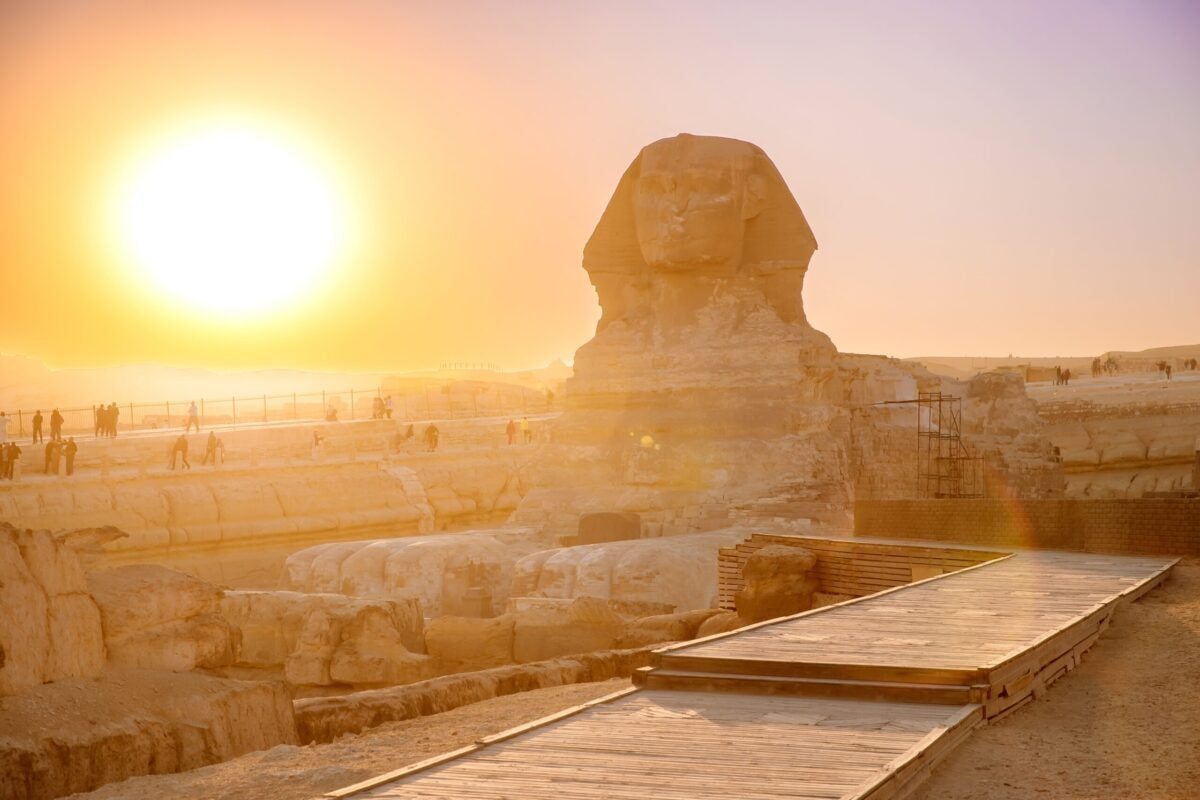
From October to April each year, the climate is most comfortable with soft light and pleasant temperatures — the ideal season for exploring ancient civilisation sites such as the Pyramids and the Sphinx. DeWonder TravelEgypt In-Depth Tour is curated by our North Africa travel specialists with over a decade of tour-leading experience, from Cairo to Aswan, from bustling markets to the Nile River. We firmly believe——the quality of a journey begins with choosing the right season.That's why all our itineraries depart during the golden season with the most pleasant climate and softest light, allowing every exploration to experience the grandeur and nuance of Egypt at the most comfortable pace.
- Small group departures (average 8–14 people): maintaining an ideal atmosphere for interaction and quality guiding.
- Thematic itinerary design: combining ancient civilisation sites with observations of contemporary society for an in-depth understanding of Egypt's many facets.
- Nile River cruise: four days and three nights sailing along the river, taking in the southern sites and the shifting light over the desert.
- Local cultural exchange: visit a Nubian family and share a meal with locals, experiencing the most authentic rhythm of daily life.
- Expert-led Workshops: Learn about hieroglyphics and ancient Egyptian cultural symbols, adding greater depth of knowledge to your journey.
This journey is not just about “visiting Egypt”—it’s about experiencing the breath of an ancient civilization in the most fitting season—from dawn over the pyramids to dusk along the Nile, every moment bears witness to the flow of history and life. 👉 View year-round departure dates for our Egypt in-depth tour 👉 Join our free online seminar to get all your Egypt itinerary questions answered 👉 Click here to register DeWonder Egypt In-depth Tour Information Kit 👉 Click here to download 👉 Further Reading:Egypt’s Four Seasons Climate Guide & What to Wear