
When Is the Best Time to Visit Morocco? Frequently Asked Questions About the Ideal Travel Season
Morocco offers something different in every season: spring and autumn bring comfortable weather perfect for desert adventures and ancient city exploration; summer's cool coastline makes it an ideal escape from the heat; and winter lets you enjoy both snow-capped mountains and starry desert skies at the same time. No matter which month you set off, you'll discover Morocco's unique charm.
Wondering when the best time to visit Morocco is? Whether you're hoping to gaze at stars in the Sahara Desert, wander through the blue town of Chefchaouen, or experience the lively markets of Marrakech, choosing the right month to travel will directly affect your comfort and how memorable your trip turns out to be. Many travelers often ask: Which month is best to visit Morocco? Can you visit in summer? Is winter too cold? Is it convenient to travel during Ramadan? This article will answer these questions one by one, helping you quickly identify the ideal time to depart and avoid climate and crowd pitfalls.
The best travel seasons for Morocco are spring (March–May) and autumn (September–November). These two periods offer the most pleasant weather:
- Daytime temperatures range from about 20–28°C, ideal for extended outdoor exploration
- The temperature difference between day and night in the desert and highlands isn't too extreme
- The soft lighting makes it the perfect time to photograph ancient cities, dunes, and valleys
Whether you're riding camels through the Sahara Desert, spending the night in a tented camp, or wandering through the ancient cities of Marrakech and Fez, spring and autumn are the golden seasons to experience Morocco. 💡 Quick Tip: Spring and autumn are also peak travel seasons, so it's advisable to book popular cities and desert tours in advance to avoid your experience being affected by crowds.
Spring (March–May) is widely considered the most enchanting season in Morocco. The climate is pleasant, with daytime temperatures around 20–25°C — moderate and comfortable, making it ideal for long walks or outdoor exploration. This season is not only comfortable but also full of natural and cultural highlights. 🌸 Spring-Exclusive Rose Season: Spring brings flowers into full bloom, most notably in the "Valley of Roses" at the southern foot of the Atlas Mountains. Every May, the valley welcomes its blooming season, when a local Rose Festival is also held — a huge draw for photography enthusiasts and culture lovers alike. 📌 While this isn't included in most standard Morocco tour itineraries, it can still be specially arranged for private or customized tours. 🏜 The Most Comfortable Time in the Sahara Desert: In spring, the desert isn't too hot during the day nor too cold at night, making it perfect for camel rides, dune adventures, and camping under the stars. The clear spring night sky also makes for an especially breathtaking stargazing experience. 📸 A Paradise for Photography Lovers: Spring offers the most vibrant natural scenery of the year: blooming flowers in the Valley of Roses, lush greenery everywhere, and soft, gentle light — whether it's the Blue City, ancient alleyways, or floral backdrops, every shot turns out fresh and vivid. 💡Quick Tip: In spring, with the influx of European travelers, accommodation in popular cities and desert tours often sell out quickly, so early booking is recommended

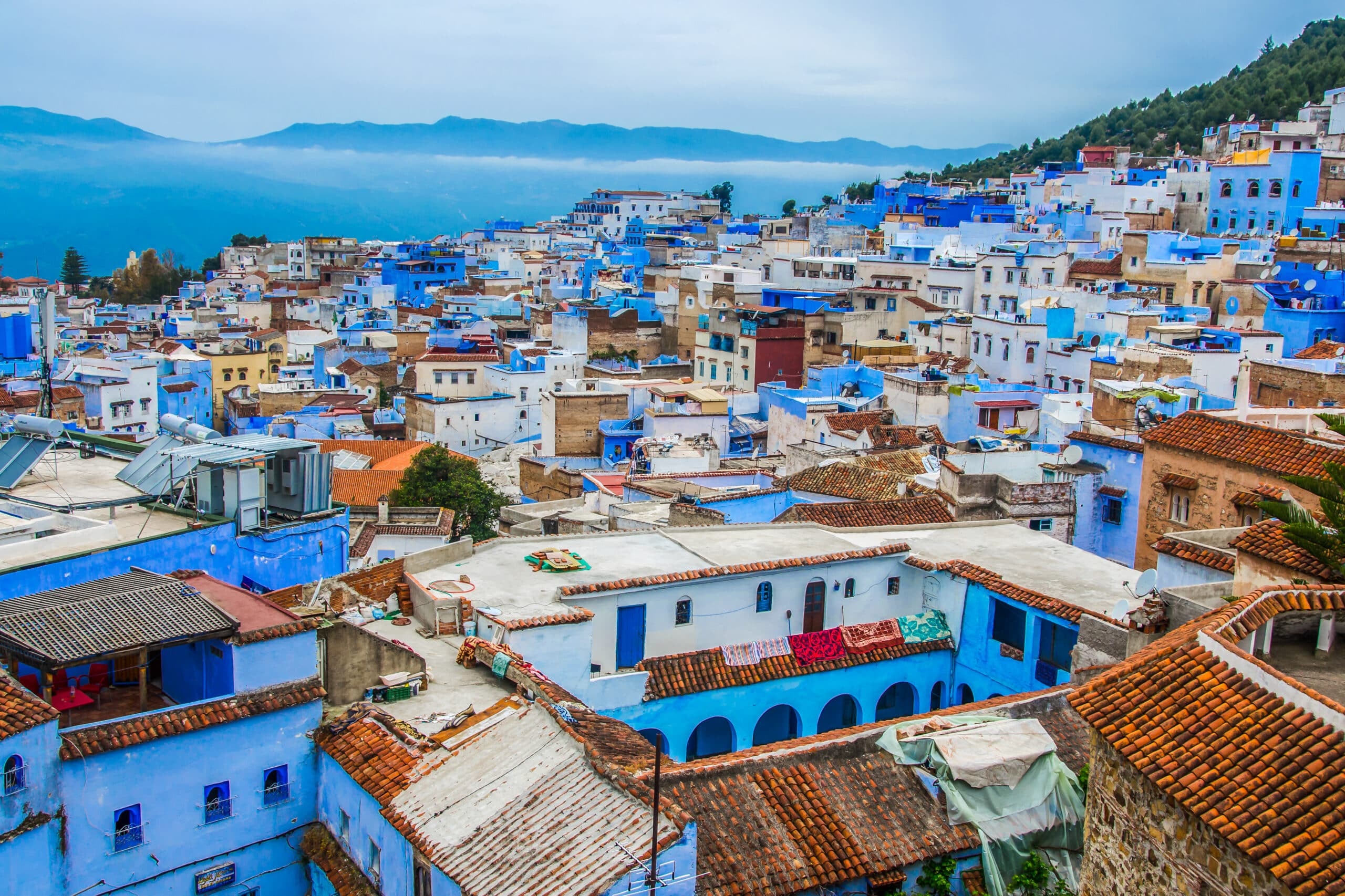
Chefchaouen's Blue City is one of the most anticipated destinations for many travelers visiting Morocco; on clear days, the entire town's colors appear even more vivid and vibrant
Autumn (September–November) is regarded by many travelers as Morocco's golden travel season. Compared to spring's blooming flowers, autumn in Morocco reveals a more mature and composed beauty, with stable weather making it the ideal time to explore the desert and ancient cities. ☀️ Stable, Comfortable Climate: Daytime temperatures range from 20–28°C, dry and not stuffy, perfect for long-distance travel and outdoor activities. The desert's intense heat has subsided by autumn, yet nights remain mild—making it the perfect time to arrange a Sahara tent stay. 📸 Ideal Light for Photography: Autumn's light angle and clarity are perfect for capturing a sense of "depth": the golden dunes of the Sahara, ancient cities bathed in sunset glow—the tones are richer and more majestic, especially suited for travelers seeking that "cinematic" shot. 🚶 Relatively Fewer Crowds: Unlike spring, autumn doesn't see the massive influx of European travelers. Popular cities like Marrakech and Fez remain lively, but the pressure on accommodation and attractions is slightly lower than in spring. If you want to avoid the crowds while still enjoying great weather, autumn is the best time to go. 💡Quick Tip:In early September, some summer heat may still linger, so if your itinerary includes the desert, it's recommended to choose after October for a better experience.

Camping in the Sahara Desert and gazing at the stars is one of the most unforgettable experiences of visiting Morocco Although spring and autumn are Morocco's best seasons, not every traveller can align their schedule accordingly. If you're planning to depart duringsummer holidays or the year-end break, Morocco can still offer different experiences as long as you choose the right region.
Summer (June–August) in Morocco offers two completely different experiences: it's not advisable to stay long in the inland desert during summer, but if you choose coastal areas, summer is still perfectly suited for escaping the heat and enjoying a holiday.
- Inland regions (Marrakech, Fez): Daytime temperatures often soar above 40°C, making outdoor activities extremely gruelling, so desert itineraries are not recommended.
- Coastal cities (Casablanca, Essaouira, Tangier): Cooled by breezes from the Atlantic, the climate here is pleasant, with daytime temperatures of just 25–30°C, making it ideal for enjoying coastal scenery and local seafood.
Morocco Summer Inland vs Coastal Cities Comparison
Region | Average Temperature | Characteristics | Suitable Activities |
Inland (Marrakech, Fes) | Daytime 38–42°C | Dry and scorching, hard to spend long hours outdoors during the day | Desert itineraries or extended walking not recommended |
Coastal (Casablanca, Essaouira, Tangier) | About 25–30°C | Cool sea breezes, comfortable climate | Seaside getaways, surfing, seafood dining |
💡 Quick Tip:
- If summer is your only option, we recommend focusing your itinerary on coastal cities to avoid the intense midday heat inland.
- Desert adventure experiences are best avoided in summer—scheduling them during the more stable spring or autumn climate will be far more comfortable.
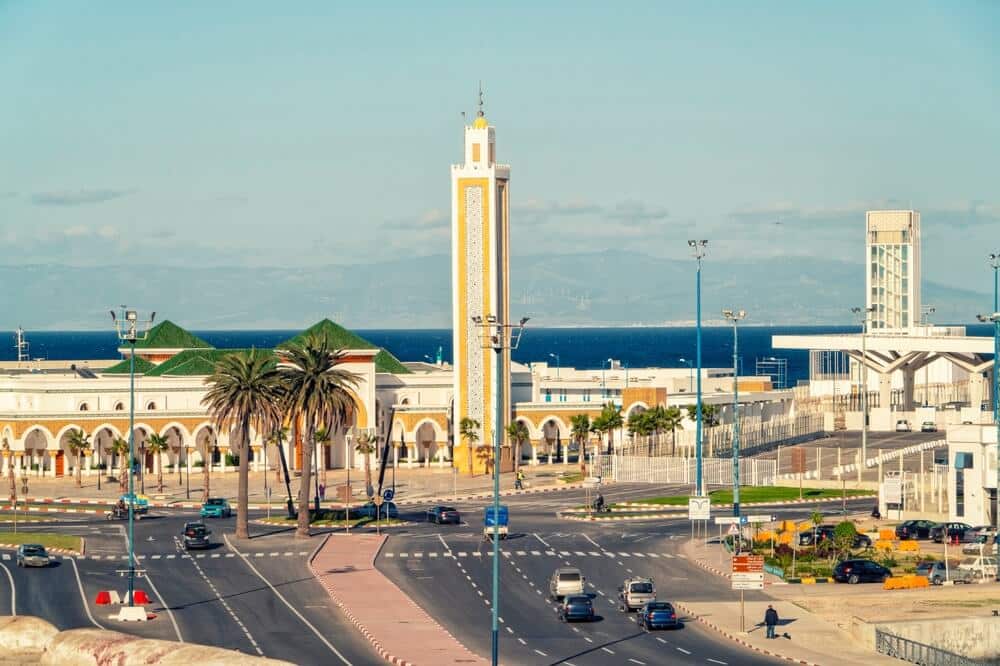
Tangier is located on Morocco's coast, a city perfect for a leisurely getaway from the heat
Morocco's winter climate (December–February) shows distinct variation: daytime temperatures typically range from 10–20°C, making for mild weather, but at night some regions can drop below 5°C, especially in the desert and highland areas. Although fewer travellers visit in winter, this is precisely what makes it more tranquil, allowing you to experience Morocco's most unique "contrasting beauty":
- The Atlas Mountains: covered in snow in winter, offering skiing, hiking, and even snow-covered village views.
- The Sahara Desert: pleasantly cool during the day, ideal for camel rides and dune adventures; nights bring a large temperature drop requiring a thick coat, but the night sky is exceptionally clear and spectacular at this time.
💡 Quick Tip:
- In winter, it's recommended to bring layered clothing—light during the day and warm layers added at night.
- If your itinerary includes the desert, be sure to bring a hat, gloves, and a scarf to avoid the low nighttime temperatures affecting your experience.

Although Morocco has a large day-night temperature difference in winter, daytime temperatures of around 10-15°C are ideal for activities in the Sahara Desert, making it a great option for travellers who dislike the heat
No matter which season you choose, Morocco offers scenery and culture worth exploring:
- Spring (March–May): Flowers bloom everywhere and the desert climate is pleasant, perfect for a romantic atmosphere and photography.
- Summer (June–August): Coastal cities stay cool and comfortable, with a strong seaside holiday atmosphere.
- Autumn (September–November): Stable weather makes this the best time for desert adventures and exploring ancient cities.
- Winter (December–February): The striking contrast between snowy mountains and desert offers a unique dual scenery experience.
👉 Further Reading : For more complete information on Morocco's climate and temperatures, check out our Morocco Climate Guide Looking for the Morocco trip that suits you best? DeWonder's In-Depth Morocco Tours depart all year round, so whether you prefer the flower season, sea breezes, desert adventures, or snow-capped mountain experiences, you'll find the perfect way to explore. We also offerprivate group and customized itineraries, so if you'd like to include the Rose Valley, skiing, or specific cities in your trip, we can arrange it all for you. DeWonder's In-Depth Morocco Tour Info Pack 👉 Click Here to Download Join our Free Online Seminar to get answers on Morocco trip-related questions 👉 Click Here to Sign Up Learn more about our Morocco Travel Guide👉Click Here for More