
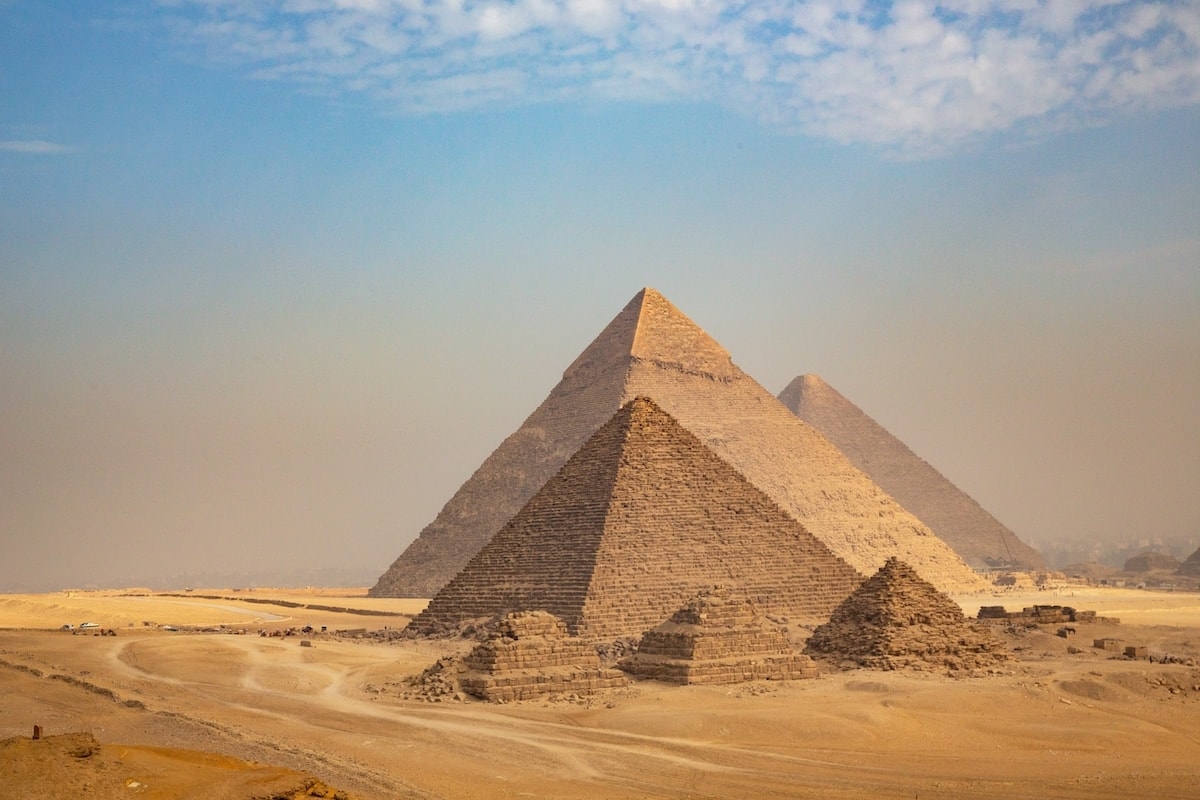
10 Must-Visit Attractions in Egypt: Top Sights in Cairo, Luxor & Aswan
Where should you go in Egypt? Discover 10 must-visit attractions in Cairo, Luxor and Aswan, complete with the best travel seasons, ticket tips, and exclusive itinerary highlights from DeWonder's in-depth tours — the ultimate guide for first-time visitors to Egypt.
Egypt is a bucket-list destination for countless travellers. This land is not only home to one of the world's Seven Wonders, but is also essentially a giant museum without a roof. However, when planning an itinerary, people often get confused about the geography. In fact, Egypt's travel route is quite straightforward — running from north to south along the Nile River, it's divided into three main highlight regions:
- North: Cairo — Where the Pyramids meet the modern capital
- Central: Luxor — The open-air museum and the Valley of the Kings
- South: Aswan — Nubian culture, Abu Simbel, and the Nile temple complexes
This article rounds up the 10 must-visit attractions you simply cannot miss across these three regions. Whether you're looking for inspiration or want to follow in the footsteps of experts for an in-depth exploration, this list will give you a clearer picture of your journey through Egypt.
This table organises the 10 essential highlights along the most convenient route from Cairo ➝ Aswan ➝ Luxor. Click the links for detailed guides:
Region | Recommended Must-Visit Attraction | Highlights & Experiences |
Cairo | One of the world's Seven Wonders — venture inside the pyramids and pose with the Sphinx | |
Cairo | Newly opened! Complete display of Tutankhamun's Golden Mask and 5,000 burial treasures | |
Aswan | Colossal statues of Ramses II, site of the legendary "Sun Festival" twice a year | |
Aswan | 4️⃣ Philae Temple | Dedicated to the goddess Isis, a romantic island temple reached by a small boat |
Aswan | 5️⃣ Nubian Village | DeWonder Exclusive: Explore colorful villages, with arranged local home visits and cooking experiences |
Aswan | 6️⃣ Kom Ombo Temple | A rare "double temple" design, dedicated simultaneously to the crocodile god and the falcon god |
Aswan | 7️⃣ Temple of Edfu | Egypt's best-preserved temple, dedicated to the falcon god Horus, magnificently grand |
Luxor | Resting place of the pharaohs, including Tutankhamun's tomb, with vividly colored murals | |
Luxor | 9️⃣ Luxor Temple | Located in the city center, best visited in the evening to enjoy the illuminated night view |
Luxor | The world's largest temple complex, a must-photograph spectacular Hypostyle Hall |
Most journeys through Egypt begin in Cairo. Not only is this the modern capital of Egypt, it is also the very heartland of the Old Kingdom. Standing here, you will witness with your own eyes the most magnificent architectural marvels of human civilisation.



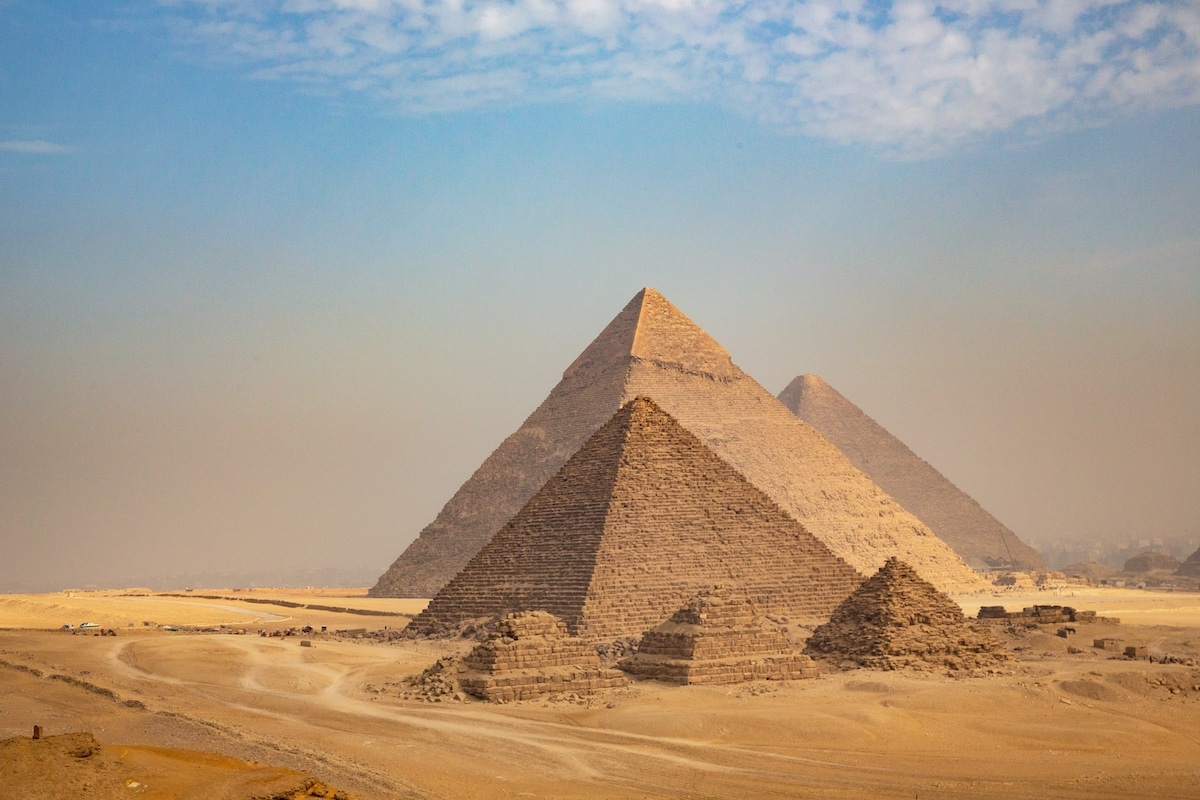
You can't say you've been to Egypt if you haven't seen the pyramids! Here stands the world-famous "Pyramid of Khufu", the only one of the Seven Wonders of the Ancient World still standing today.
- Must-see highlight: Feel the sheer weight and grandeur of monumental stone construction from 4,500 years ago. Beyond taking photos outside, we highly recommend purchasing a ticket to enter the interior of the pyramid. Although the passageways are narrow and stuffy, standing at the very centre of the pharaoh's burial chamber gives you a spine-tingling sense of stepping back through time—an experience you will never forget.
- Also worth seeing: The Sphinx, standing guard nearby. Despite millennia of erosion by wind and sand, its mysterious smile remains an iconic backdrop that travellers from around the world flock to photograph.
- Expert tip: The pyramid area is often crowded with tourists. Want to capture a stunning photo without strangers in the frame?Recommended to dine at a nearby scenic restaurant, where you can enjoy delicious food while having an exclusive panoramic view of the pyramids.
👉 Further Reading: Giza Pyramids Guide
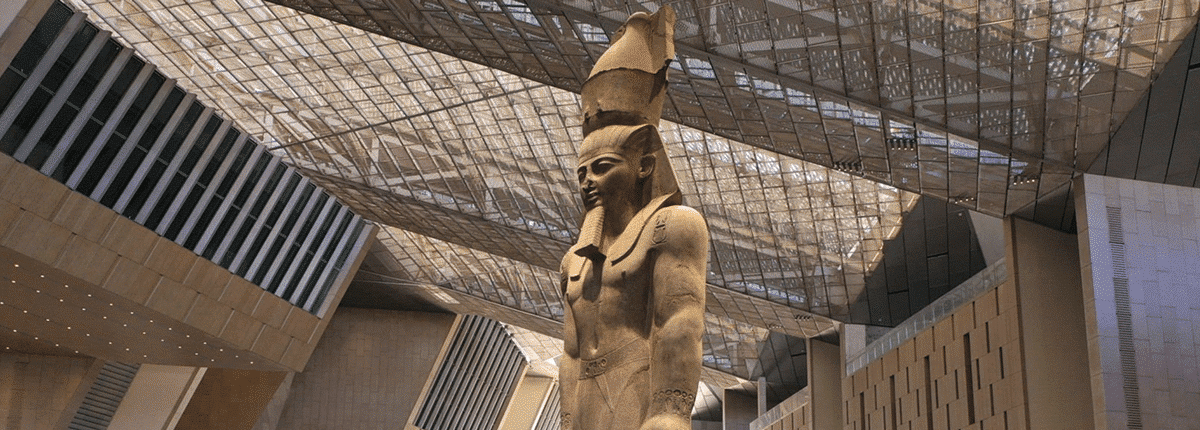
This is absolutely the top reason to visit Egypt now! The Grand Egyptian Museum, over 20 years in the making and built at a cost of US$1 billion, is currently the largest archaeological museum in the world.
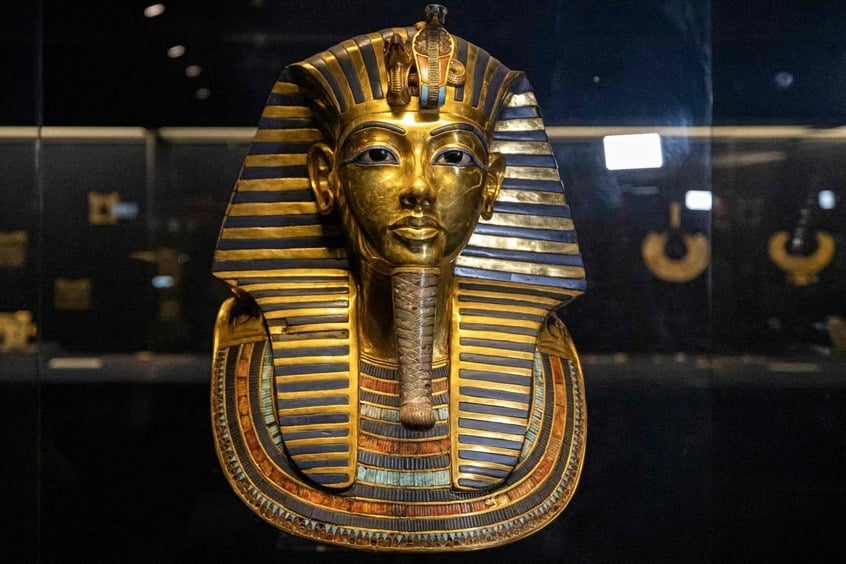
- Must-See Highlights: This will be the most comprehensive treasure trove of Egyptian artifacts. The star attraction is undoubtedly the complete burial collection of Tutankhamun, including the world-famous golden mask, along with over 5,000 treasures never before fully displayed to the public — all presented here for the first time.
- Visiting Value: The Grand Egyptian Museum boasts a modern design with excellent lighting and layout, allowing you to comfortably admire these priceless treasures.
👉 Further Reading: Grand Egyptian Museum Guide | Top 10 Must-See Exhibits at the Grand Egyptian Museum Want to know the differences between the exhibits at the Grand Egyptian Museum and the other two Egyptian museums? 👉 Further Reading: Egyptian Museum Guide
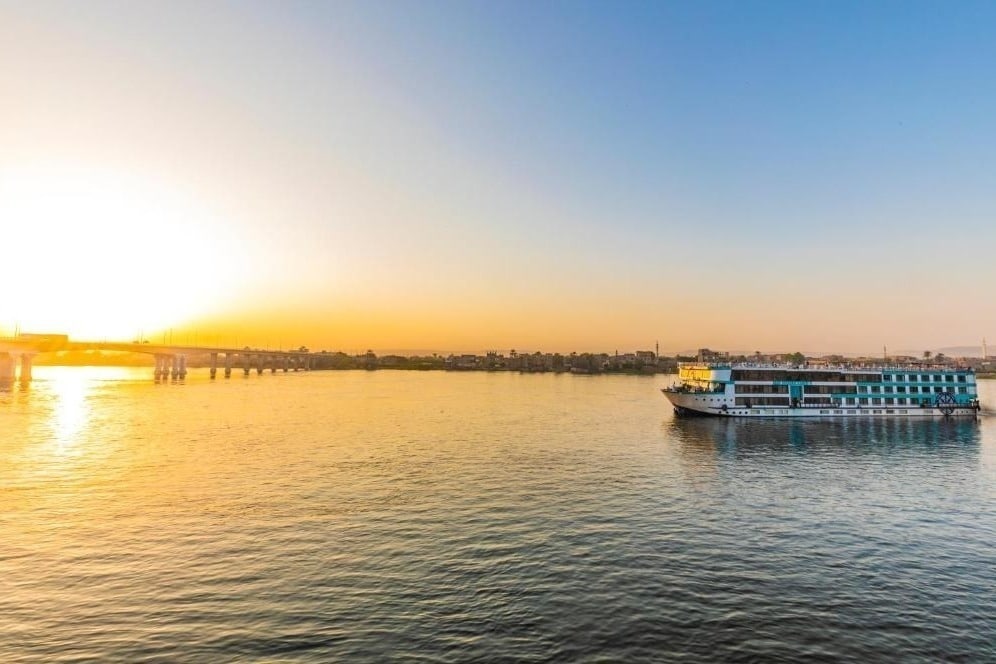
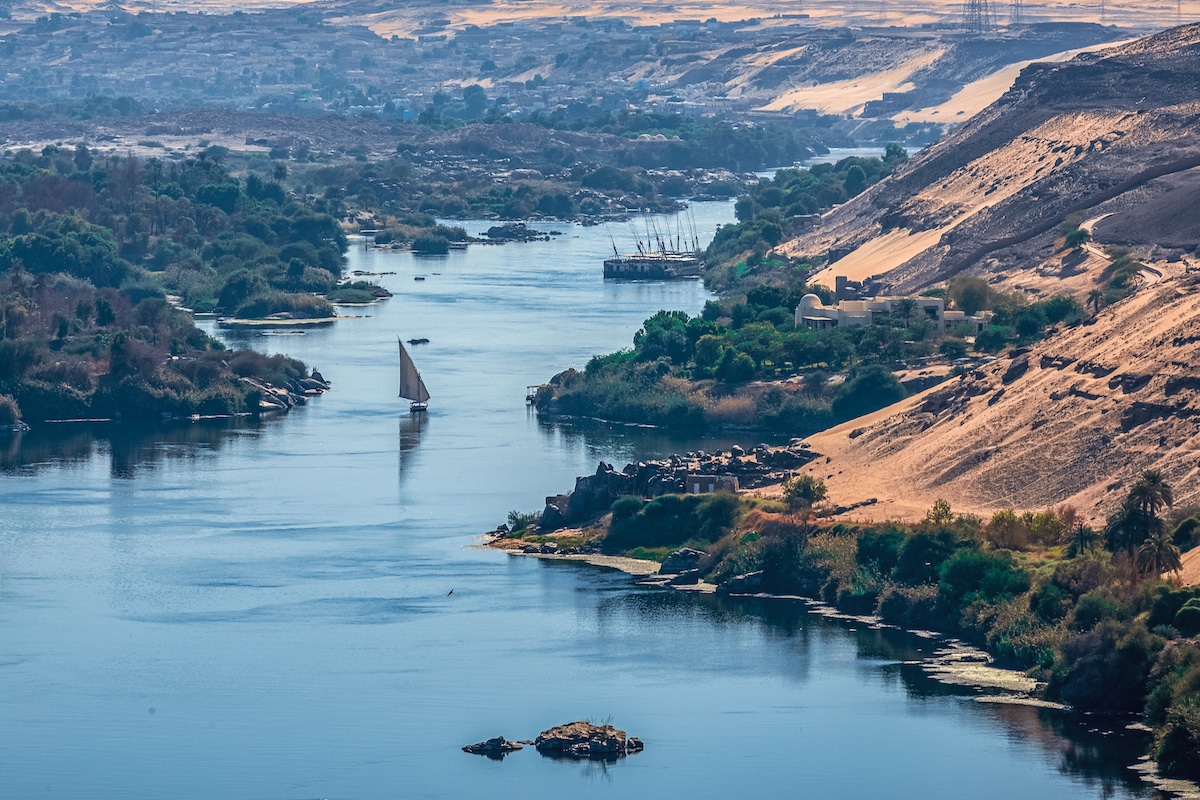
Compared to the hustle and bustle of Cairo, southern Aswan reveals Egypt's leisurely, colorful side. This is the birthplace of Nubian culture and home to some of the most beautiful scenery along the Nile.Travelers usually choose to take a domestic flight from Cairo, skipping the fatigue of long-distance driving and beginning their Nile cruise journey in style.




If the Pyramids are a miracle of construction, Abu Simbel is a "miracle of relocation." This temple, built by Ramses II for himself and his beloved wife Nefertari, nearly sank beneath the waters when a dam was constructed. Fortunately, at the call of UNESCO, the entire mountain was cut into thousands of blocks and reassembled on higher ground, like giant building blocks.
- Must-See Highlights: Four colossal seated statues of Pharaoh at the entrance, and the famous "Solar Miracle" — every year on February 22nd and October 22nd, the morning light precisely travels through the 60-metre-deep passage to illuminate the statues deep within the sanctuary, showcasing the astonishing astronomical wisdom of ancient Egypt.
- Highly Recommended: Want to dive deeper into this temple's history and visiting tips? Check out the full guide 👉 Further Reading : Abu Simbel Temple Guide
Hailed as "ancient Egypt's most romantic temple", it sits on a small island in the middle of the Nile River, dedicated to the goddess Isis. You must take a boat to get here, and when you see the temple's pylons reflected on the shimmering water, the scene is breathtakingly beautiful.
- Visiting Experience: This was also the last stronghold of ancient Egyptian religion — here you'll see the unique coexistence of Christian altars and ancient Egyptian reliefs, bearing witness to the shift in faith.
👉 Further Reading:Philae Temple Visitor Guide
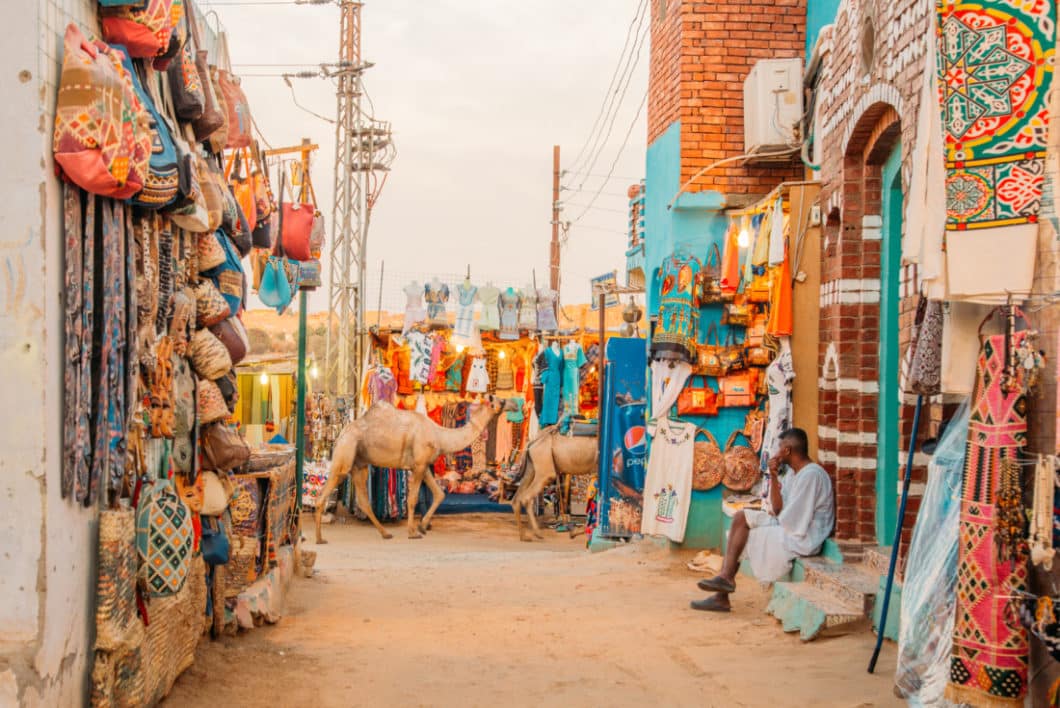
When you visit Aswan, you absolutely cannot miss the vibrant Nubian villages. Unlike the typical earthy tones of Egyptian towns, the houses here are painted in bright blues and oranges, brimming with African flair — a fantastic spot for photos.
- DeWonder Exclusive Experience: Most tourists simply ride a camel, snap a few photos, and leave. But we want to take you deeper into local life, so we've specially arranged a Nubian Home Visit and Cooking Experience.
- You'll step into a local family's home, where a Nubian mother will teach you to prepare traditional dishes.
- Enjoy an authentic dinner under the stars while listening to villagers share their stories — this is what truly heartfelt, in-depth travel feels like.
Interested in this charming village? 👉 Further Reading:Introduction to the Nubian Village
As the cruise ship leaves Aswan and sails north, its first stop is this unique "double temple." This is extremely rare in Egypt, as it is dedicated to two gods simultaneously: the crocodile god Sobek on the right, and the falcon god Horus on the left.
- Must-See Highlights: The temple's structure is completely symmetrical, symbolizing divine balance. Don't forget to look for a set of relief carvings on the wall depicting ancient Egyptian medical instruments such as scalpels and forceps, as well as scenes of women giving birth, proving how advanced medical technology was at the time. There is also a crocodile museum here displaying crocodile mummies.
Want to see more detailed illustrations of the double temple? 👉Further Reading: Introduction to the Temple of Kom Ombo
This temple is the "most well-preserved" ancient monument in all of Egypt. Because it was buried under thick sand for over two thousand years in history and was only excavated in modern times, its roof, pylons, and colors have been preserved remarkably well.
- Must-See Highlights: This is the main site dedicated to the falcon god Horus, filled with symbols of power. Standing before the massive pylon, you'll feel your own smallness before divine authority. The wall paintings meticulously depict the story of Horus's revenge, making it an important treasure trove for studying ancient Egyptian mythology.
Why has it been preserved so well? What are the highlights to see? 👉Further Reading:Complete Guide to the Temple of Edfu
As the cruise continues north, we will arrive at Thebes, the capital of ancient Egypt during the New Kingdom period, now known as Luxor. This is called the "world's largest open-air museum," with the Nile River dividing it in two: the East Bank is the temple of the living, while the West Bank is the eternal tomb of the pharaohs.


If you could visit only one place in Luxor, it would have to be the Valley of the Kings. To prevent tomb robbery, pharaohs of the New Kingdom era stopped building pyramids and instead hid their tombs deep within the dry rocky valleys of the West Bank.
- Must-see highlights: More than 60 tombs are hidden here, and the most breathtaking sights are the colourful murals that remain vivid even after 3,000 years.
- Temple of Hatshepsut: Located right next to the Valley of the Kings, it commemorates one of the very few women in ancient Egyptian history to rule as "Pharaoh".
👉Further Reading: Valley of the Kings Visitor Guide
This temple sits right in the heart of Luxor city, making it extremely accessible. It has borne witness to thousands of years of historical change—you can even spot a mosque built inside the temple in later times, creating a fascinating "temple within a temple" spectacle.
- Expert Tip: We highly recommend visiting in the late afternoon. As the sun sets and the temple is lit up, the ancient columns appear even more mysterious and majestic against the night sky—a magical moment that photography enthusiasts simply cannot miss.
👉Further Reading: Introduction to Luxor Temple
Lastly, we present the largest ancient religious complex in the world. This is not just one temple, but a "city of temples", built up over 1,300 years through the expansions of numerous pharaohs.
- Must-See Highlight: Without question, it's the Great Hypostyle Hall. Its 134 towering columns soar into the sky, each one so massive it takes several people to encircle it. Walking among them, you'll deeply feel the grandeur of ancient Egyptian civilization and how small humanity truly is. This is also a key filming location for the movie "Death on the Nile".
👉 Further Reading:Karnak Temple Visitor Guide
Having seen these spectacular sights, you're probably eager to set off already. But before booking your flights, there are two crucial things you need to know—they directly determine the quality of your trip.
Egypt has a desert climate—choose the right time to go and it's paradise; choose the wrong time and you might suffer from heatstroke.
- Best Time: From October to April is the most comfortable season, with moderate temperatures perfect for visiting outdoor temples.
- Extreme Heat Alert: During peak summer from June to August, temperatures in the south often soar past 40°C. Unless you're extremely heat-tolerant, we don't recommend traveling during this period.
- Detailed Guide: Want to know the month-by-month temperature changes, clothing tips, and tricks for avoiding crowds? 👉 Further Reading:Best Time to Visit Egypt
If you're an independent traveler, you may have heard of these two "magic tickets."
- Cairo Pass: Covers most attractions in Cairo and Giza (including the interior of the pyramids and museums).
- Luxor Pass: Covers the Valley of the Kings, Karnak Temple, and more. The "Premium" version also includes Tutankhamun's Tomb and the Tomb of Seti I.
Expert Analysis:
- Pros: For "hardcore" travelers planning to hit 10+ attractions in 5 days, this can genuinely save money.
- Cons: The purchasing process is cumbersome (you'll need a passport copy, USD cash, and a photo ID), and only new-series US dollar bills are accepted. Sometimes finding the office just to buy the ticket can take half a day.
💡 Hidden Rule for Buying the Cairo Pass / Luxor Pass: Many independent travelers only discover on-site that they can't purchase these passes, as neither can be bought online — you must apply in person at designated locations (such as the Cairo Museum, Karnak Temple, or the Valley of the Kings Visitor Center). According to theofficial regulations of the Egyptian Ministry of Tourism, you must prepare:
- 1 photocopy of your passport: A photocopier may not always be available on site, so please print one in advance
- 1 passport photo: This Pass is a physical booklet, and the photo will be stapled directly onto it
- US dollars or Euros in "cash": Credit cards are not accepted, and you must bring brand new, crease-free banknotes. Getting change can be difficult, so it's recommended to bring small denominations
💡 DeWonder's Suggestion: If you join our in-depth tour, you don't need to worry about these complicated calculations at all. Our tour fee already includes admission tickets to all the essential attractions, so you won't need to queue under the scorching sun to buy tickets, nor worry about being refused for bringing the wrong currency denomination. Just focus on enjoying the ancient civilization in front of you.
Beyond our carefully selected Top 10 must-visit attractions, Egypt is home to many historical and cultural sites worth exploring in depth. If you want to visit the Pyramids, the Grand Egyptian Museum, Abu Simbel, the Valley of the Kings, and the magnificent temples along the Nile all in one trip—without worrying about transportation, route planning, or explanations—DeWonder's Egypt In-Depth Tour is the most relaxing and most coherent way to do it. ✨ Tour Highlights:
- Domestic flights connecting Cairo to the Aswan Nile cruise itinerary, avoiding long drives and backtracking
- 4-day, 3-night Nile cruise, traveling leisurely along the river of the Pharaohs
- Expert guided tours to understand the stories behind the temples, murals, and religious rituals
- Small groups of 8–14 people for a more comfortable pace and a more immersive experience
Let yourself not just visit, but truly step into the heart of ancient Egyptian civilization. 👉 Check out this year's Egypt In-Depth Tour departure dates 👉 Join our free online seminar to get your Egypt itinerary questions answered 👉 Click here to sign up DeWonder Egypt In-Depth Tour Information Kit 👉 Click here to download 👉 Further Reading:The Complete Guide to Egypt Nile Cruises 👉 Further Reading:Egypt Climate Guide: Seasons and Cities Explained 👉 Further Reading:Egypt Travel Safety Guide