
Central Asia Cross-Border Transport Guide|Overland Border-Crossing Procedures, Tips & Preparation Checklist
A summary of the essentials of cross-border transport in Central Asia, focusing on the actual overland border-crossing process, key tips, and a preparation checklist to help travellers clearly grasp the steps for clearing customs and changing vehicles, so they can complete their international journeys with peace of mind.
When planning a trip through Central Asia, what puzzles many travellers most isn't the attractions, but "how to get from one country to another." The five Central Asian countries (Uzbekistan, Kazakhstan, Kyrgyzstan, Tajikistan, and Turkmenistan) border one another, but cross-border travel isn't like Europe's Schengen Area where you can move freely—every crossing requires completing formal immigration and exit checks. Among these, what makes first-time visitors to Central Asia feel most uncertain is the overland border crossing. This article focuses on the procedures you'll actually encounter, common points to note, and pre-departure preparations, helping you set clear expectations for your international journeys.
As long as your itinerary involves crossing borders, no matter what mode of transport you take, you must pass through border checks. The difference lies in the "method of crossing":
- ✈️ Air: Immigration and exit are completed at the airport, following the same process as any international flight
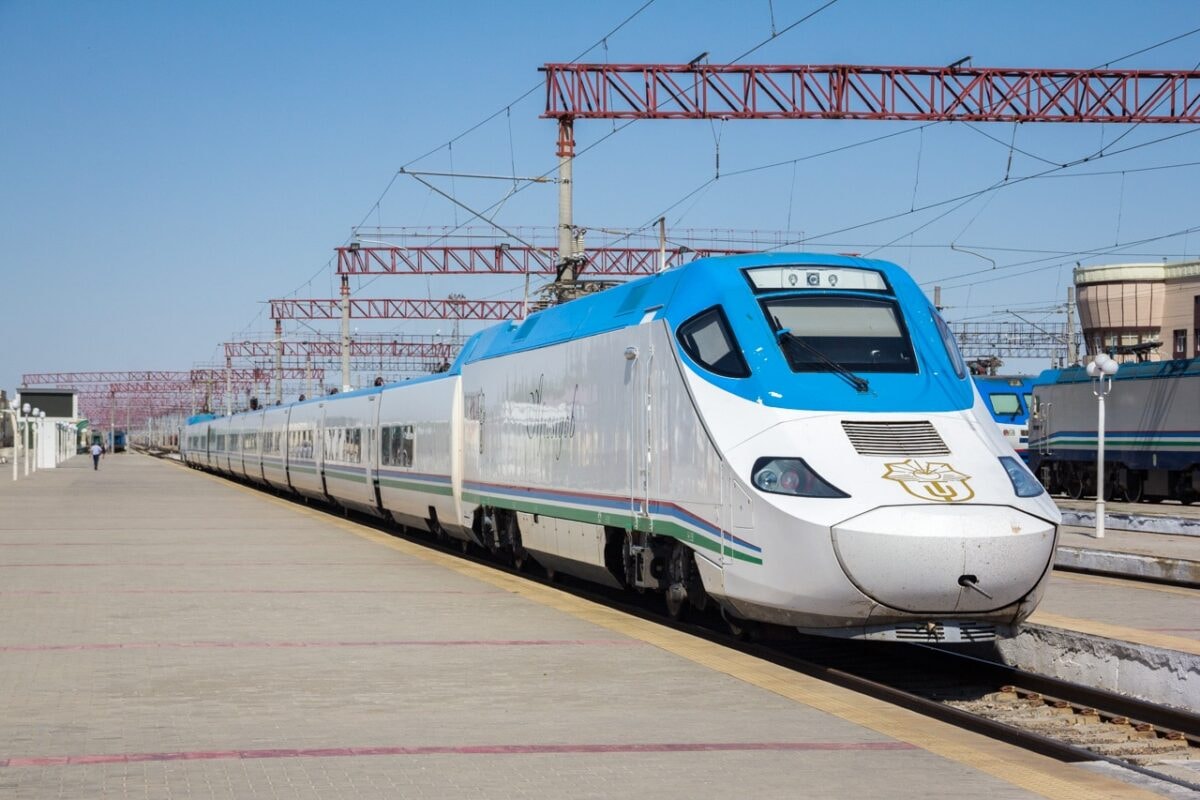
- 🚆 Train: In most cases, documents are checked on board, though some routes require a brief disembarkation
- 🚌 Overland (bus / private car): You need to get off and queue, cross the border buffer zone, then change vehicles after entering the country
Because overland crossings involve the most steps and the greatest number of on-the-spot variables, this article centres on the actual procedures at overland border posts and the key points for preparation.

In Central Asia, crossing between countries is not as free-flowing as within Europe's Schengen Area. Even trains must stop at the border for document checks and immigration procedures—this is often the moment many travellers first feel uncertain.
The following process applies to most overland border crossings between Central Asian countries (the exact details may vary slightly from place to place):
The vehicle usually stops before the crossing, and the driver will let passengers know it's time to get off. At this point, it's best to have the following ready:
- Original passport
- Printed visa or e-visa
- Carry-on luggage (large bags must be carried by yourself)
Passengers need to get off, queue up, and head to the exit counter for a stamp. Border officers may ask a few simple questions:
- Your next destination
- Length of stay or an overview of your itinerary
After completing exit formalities, you'll need to walk or take a shuttle across the buffer zone between the two countries. In most of this area, photography and mobile phone use are prohibited, so please follow on-site instructions.
Upon arriving in the other country, queue up again to complete entry procedures. Common steps include:
- Getting your entry stamp
- Filling out an entry card (at some crossings)
- Luggage scanning or a quick inspection
Once you've cleared entry, you'll need to switch to transport within the next country:
- Independent travellers: communicate with the driver yourself and confirm the vehicle and fare
- Group/small-group tours: a dedicated vehicle or tour leader is usually there to meet you
The overall transit takes about 1–2 hours, though it may be longer during peak travel seasons or at busy crossings.
- Photography and filming are usually prohibited at borders and buffer zones
- You will need to carry your own luggage when crossing borders, so pack light
- For e-visas, it is advisable to prepare a printed copy in case of unstable internet
- There are no ATMs near some border crossings, and you may not be able to exchange money immediately after entry
- Border-crossing times can be unpredictable, so please allow flexibility in your itinerary
- Passport (valid for at least 6 months)
- Visa or printed e-visa
- Accommodation or itinerary details (for reference/inspection)
- Small amount of cash
- Drinking water and simple snacks
- Power bank
- Offline maps
- Translation app
- Screenshot backups of emergency contacts
At land border crossings, the difference between independent travel and group tours mainly comes down to "handling things on the spot":
- Independent travel: You have to queue, communicate, change vehicles and deal with unexpected situations on your own
- Group or small-group tours: A tour leader usually helps with documents and pick-ups on both sides, making the process relatively straightforward
If you're weighing up which option suits you better, you can read on with our overview of the Comparison of Independent Travel and In-Depth Small-Group Tours in Central Asia, and quickly judge which is right for you across three dimensions: transport, language and cross-border movement.

Small-group travel in Central Asia balances a sense of security with itinerary flexibility. With a team familiar with the local languages and routes to help handle transport and cross-border details, travellers can venture with peace of mind into areas seldom visited by tourists, while still keeping room for natural interaction with local residents.
This article focuses on the "actual overland border-crossing process." If you need to learn about:
- Flight routes from Hong Kong or other cities to Central Asia
- Trains, domestic flights, private car charters and ride-sharing within each country
you can refer to our Central Asia Transport Guide, and get a full grasp of flight routes and domestic travel options all at once.
Cross-border travel in Central Asia is not as difficult as you might imagine, but it does require understanding the process and preparing in advance. As long as you grasp the basic steps of overland border crossings, the key points to note, and the essentials checklist, most travellers can complete their international journeys smoothly, leaving their energy for experiencing the culture and scenery of Central Asia. If you're looking for a route that brings together transport, cross-border connections, cultural guiding and local experiences, DeWonder In-Depth Central Asia Tours have created tailored in-depth Central Asia itineraries for travellers, letting you keep all the joy of exploration while focusing your energy on what truly matters: the journey itself.
Ready to embark on a Silk Road journey? Whether it's the 9-day two-country introduction or the 19-day grand tour of five countries, we've designed a comfortable itinerary full of surprises just for you.
- Two-Country Tour|9 Days 8 Nights👉View the Detailed Two-Country Itinerary An introductory itinerary taking you to Turkmenistan and Uzbekistan, the best choice for a first taste of Central Asia.
- Three-Country Tour|12 Days 11 Nights 👉 View the Detailed Three-Country Itinerary Focused on Turkmenistan, Uzbekistan and Tajikistan, ideal for travellers with limited time who still want to go in depth.
- Four-Country Tour|15 Days 14 Nights👉 View the Detailed Four-Country Itinerary A curated selection of Turkmenistan, Uzbekistan, Tajikistan and Kazakhstan, balancing ancient cities and nature at a brisker pace.
- Five-Country Tour|19 Days 18 Nights 👉 View the Detailed Five-Country Itinerary Travel through all of Turkmenistan, Uzbekistan, Tajikistan, Kyrgyzstan and Kazakhstan in one complete journey.
👉 View the full-year departure dates for our in-depth Central Asia tours 👉 Join a free online seminar to get your Central Asia itinerary questions answered 👉 Click here to register DeWonder In-Depth Central Asia Tour Information Pack 👉 Click here to download 👉 Read more:Travel Guide to the Five Central Asian Countries