
Egypt 8-Day 7-Night Itinerary Planning Guide: Route Design, Transport Trade-offs and Planning Logic
Quickly understand how to plan an 8-day 7-night Egypt itinerary, mastering the sequence of cities, modes of travel, and the key principles of designing a route that never doubles back.
This article outlines a common planning logic for an 8-day 7-night Egypt itinerary, explaining how, through "one-way route design" and "the coordinated use of domestic flights and Nile cruises," you can avoid backtracking within a limited number of days, reduce the burden of long-distance travel, and seamlessly connect the core regions of Cairo, Aswan and Luxor. The article focuses on itinerary structure and configuration principles, helping first-time planners of an Egypt trip quickly determine which arrangements are most efficient.
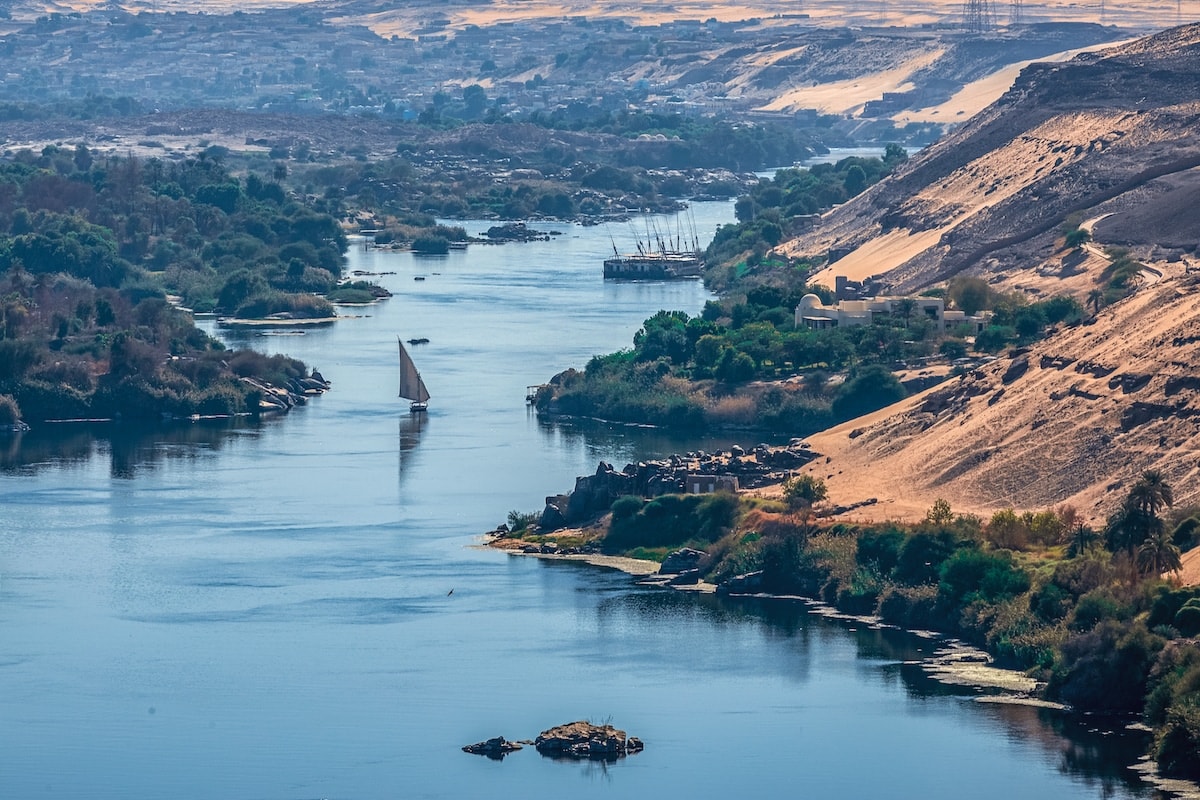
When traveling in Egypt, the key factor affecting the quality of the experience is often not the number of attractions, but whether the itinerary progresses in line with the geographical layout. Egypt's main attractions are broadly distributed from north to south along the Nile, with cities often hundreds of kilometers apart. Without first addressing the overall route, an itinerary is prone to the following problems:
- Long hours on the road, squeezing actual sightseeing time
- Frequent changes of accommodation just for the sake of transport
- A noticeable drop in energy and concentration in the latter part of the trip
Therefore, a well-developed Egypt itinerary usually does not begin with "which attractions to see," but first establishes the direction of travel between cities, ensuring the itinerary can progress in one direction.
Within an 8-day 7-night timeframe, the most common and most stable itinerary structure is as follows: Cairo → Aswan → (Nile cruise) → Luxor → Cairo This design is no coincidence; it responds to several practical conditions:
- Cairo is the main international air hub, offering the most flexibility for arrivals and departures
- Cairo is farthest from the southern cities, making it well suited to be handled by flight
- The sites along the Nile are densely clustered, making them ideal to link by waterway
- Almost no backtracking along the same route is needed throughout
Within a limited number of days, this is a standard route that balances efficiency, comfort and completeness.
Day | City / Segment | Role in the Itinerary | Why It's Arranged This Way |
Day 1 | Cairo | Starting point of the itinerary | Arrive at the international gateway and establish historical context |
Day 2 | Cairo → Aswan | Southbound transition segment | Cross the longest distance quickly by flight |
Day 3–5 | Nile cruise | Core of the itinerary | Integrates transport, accommodation and riverside sites |
Day 5–6 | Luxor | High-density sightseeing segment | Concentrated visits to the core region of ancient Egypt |
Day 6–7 | Luxor → Cairo | Wrapping up the itinerary | Avoid long road journeys and return to the north |
Day 8 | Cairo | Departure day | Flexible activities and return journey |
This table can be seen as the backbone of the entire trip; subsequent variations are mostly just adjustments to the proportion of content within each segment.


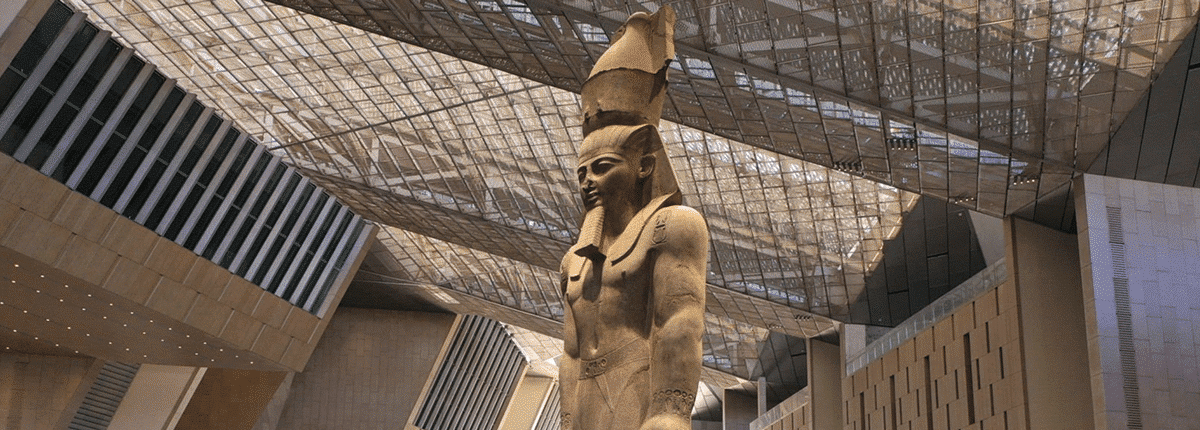



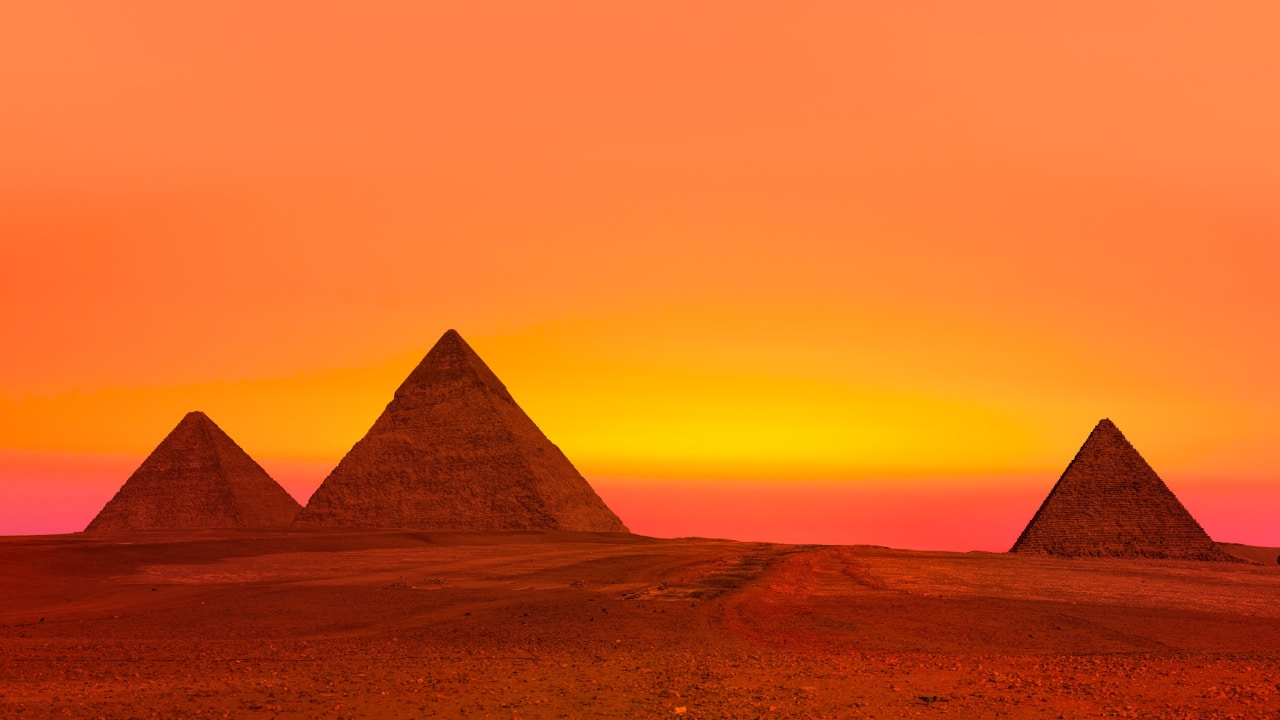
Cairo usually serves as both the beginning and the end of the itinerary, with its main functions including:
- Receiving international arrivals
- Build an overall context spanning ancient Egyptian, Islamic, and modern history
- Serve as a buffer between north–south movement
This kind of arrangement avoids cramming long-distance travel and high-density sightseeing into the same stretch of time. 👉 Further reading:Egyptian Pyramids Guide | Grand Egyptian Museum Guide
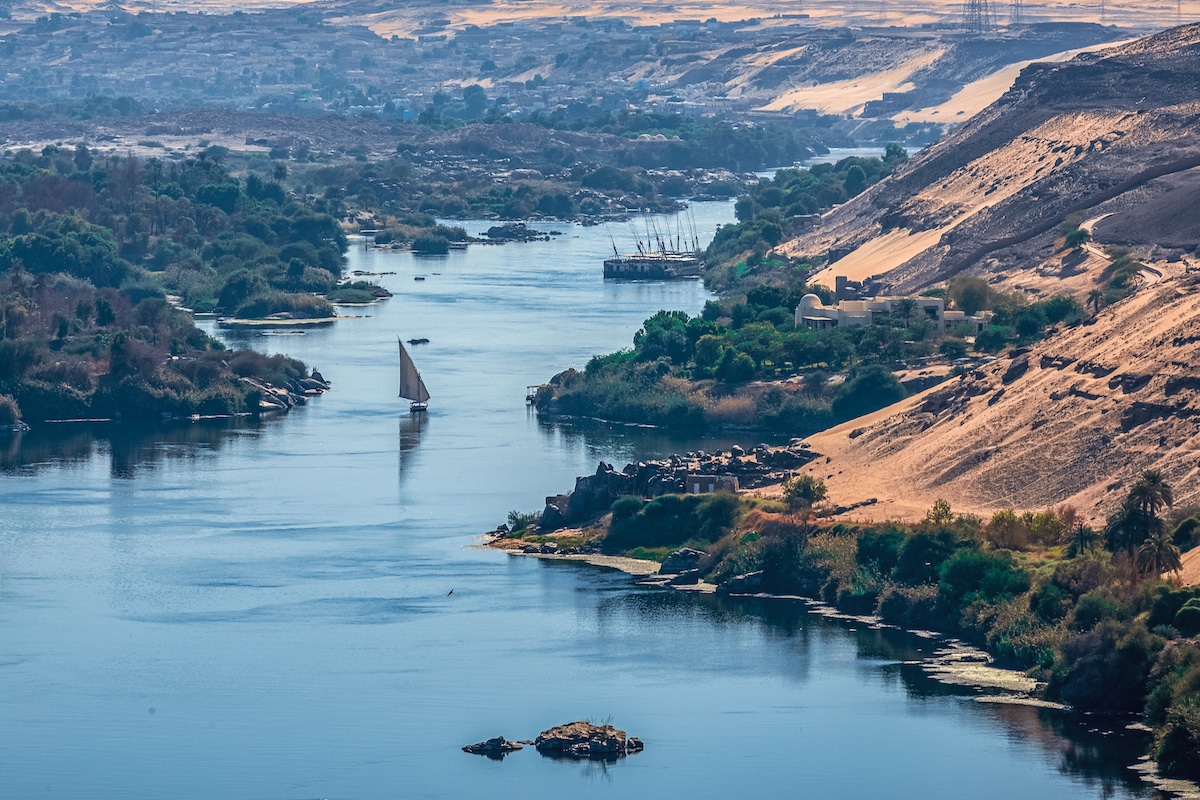
Aswan lies on the upper Nile and is a key gateway to the southern part of the itinerary. Flying directly south by domestic flight lets you complete the geographic transition within a single day, avoiding spending an entire day on overland travel. The purpose of this segment is to formally shift the itinerary from the "pace of the city" to the "culture of the Nile and the structure of southern life." 👉 Further reading:Abu Simbel Temples
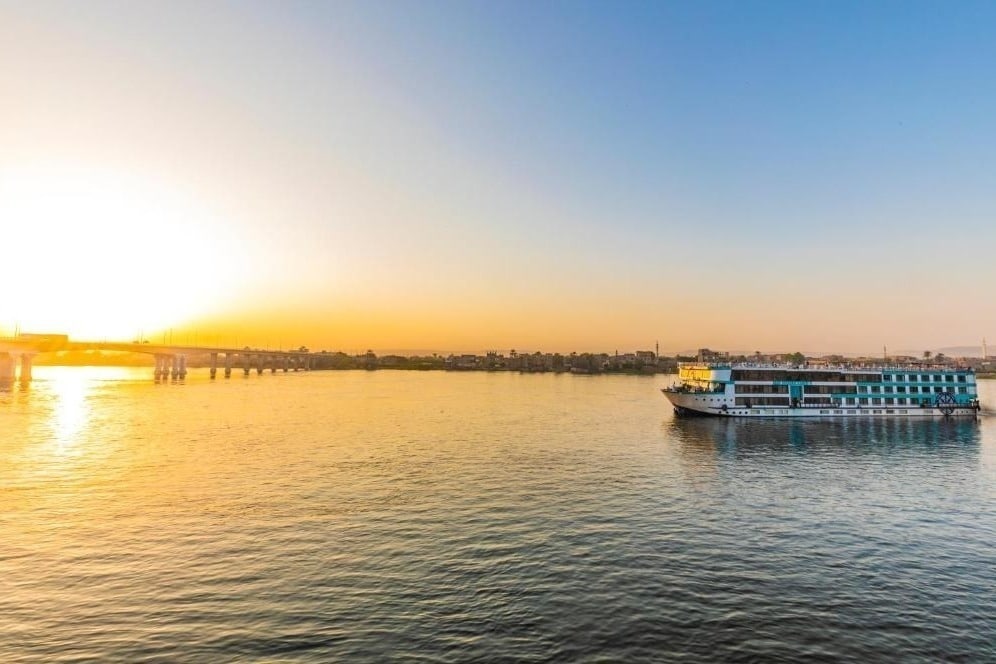
Between Aswan and Luxor, the Nile cruise plays three roles at once:
- A means of travel between cities
- A fixed accommodation base
- A platform linking the temples along the riverbanks
With this arrangement, you can cover several important sites without adding time on the road, while also reducing the daily burden of packing and changing hotels. 👉 Further reading: An Introduction to the Temples Along the Nile
Luxor holds the densest concentration of Egypt's most representative ancient sites. Placing this leg at the end of the cruise ensures travellers still have enough energy and focus to complete these high-intensity yet in-depth visits. 👉 Further reading: An Introduction to the Temples of the Luxor Region
In theory, the major cities can be linked by road or rail, but on an 8-day itinerary this is not the mainstream choice, for reasons including:
- Driving times are too long and easily eat into sightseeing periods
- Long journeys are physically draining
- The actual flexibility is not necessarily better than flying or cruising
As a result, road transport mostly serves only as a supplement for in-city or short-distance movement, rather than as the main route between cities.
A well-crafted 8-day, 7-night Egypt itinerary usually follows these principles:
- Progress in one direction throughout, avoiding backtracking
- Handle the longest distances by air
- Use a Nile cruise to integrate transport and accommodation
- Clear rhythm between city segments and archaeological-site segments
For this very reason, even when the actual sights visited differ, the itinerary structure remains highly similar.
A: With a sensible routing design and the right transport choices, 8 days is enough to complete a well-structured trip covering Egypt's highlights, without having to compress the itinerary.
A: It's not the only option, but within 8 days it is the most effective way to integrate transport, accommodation and temple visits. 👉 Further reading: Egypt Nile Cruise Guide
A: You can, but you won't be able to fully grasp the north–south structure of ancient Egyptian civilisation, and the depth and layering of the trip will be noticeably different. 👉 Further reading: Top 10 Must-Visit Attractions in Egypt
If, while travelling in Egypt, you'd like to focus on understanding the culture, appreciating the sights and feeling the rhythm of the journey while someone else takes care of arranging your movements and itinerary, a well-planned small-group in-depth trip will make the whole experience far more relaxed. And DeWonder's In-Depth Egypt Tour small-group in-depth itinerary is one option worth considering that meets those expectations: ✨ Itinerary Highlights:
- Connect Cairo to the Aswan Nile cruise itinerary by domestic flight, avoiding long drives and backtracking
- A 4-day, 3-night Nile cruise, travelling slowly along the river of the pharaohs
- Expert-guided commentary to help you understand the stories behind the temples, murals and religious rituals
- Small groups of 8–14 people, for a more comfortable pace and a more in-depth experience
So you don't just visit, but truly step into the heart of ancient Egyptian civilisation. 👉 View year-round departure dates for our in-depth Egypt tours 👉 Join our free online seminar to get your Egypt itinerary questions answered 👉 Click here to register DeWonder In-Depth Egypt Tour Information Kit 👉 Click here to download 👉 Further reading: A guide to the climate across Egypt's cities in all four seasons 👉 Further reading: Egypt travel safety guide 👉 Further reading: How to tip in Egypt 👉 Further reading: How to handle sales pitches and bargaining in Egypt 👉 Further reading: Safety for women travellers in Egypt 👉 Further reading: Health and hygiene while travelling in Egypt 👉 Further reading: Is Egypt suitable for independent travel?