
Morocco Travel Guide: Essential Information, Pre-Trip Preparation & Common FAQs
Planning a trip to Morocco? This guide covers visas, climate, attractions, cuisine, cultural taboos, and common FAQs to help you quickly grasp pre-trip preparations and travel precautions, so you can set off with confidence and avoid pitfalls!
Want to visit Morocco but feel unfamiliar with the Sahara Desert, the blue mountain town, and cultural taboos? This guide will help you quickly grasp everything you need to know before travelling. From visas, weather, and cultural customs to packing tips and frequently asked questions from real travel experience, we've put together a complete Morocco travel guide to help you embark on your North Africa journey with more confidence and ease!
- Morocco Visa & Entry Requirements
- Hong Kong SAR passport: Visa-free stay for 30 days
- Macau SAR passport, BNO passport: Visa-free stay for 90 days
- Taiwan passport: Visa required, but the process is simple—arrange it early 👉 Click here for the complete Morocco visa guide
- Morocco Climate & Dress Recommendations
- Morocco has four distinct seasons, with spring and autumn (March–May, September–November) being the most pleasant; the Sahara has large temperature swings between day and night
- Summers are dry and hot, while desert nights in winter can drop to single digits—warm clothing is essential 👉 See more on climate and dress recommendations for different regions of Morocco
- Recommended Must-See Attractions in Morocco
- Chefchaouen, the Blue Mountain Town: The most dreamlike photo destination
- Sahara Desert Starlit Camp: Camel rides + luxury tented accommodation
- The Ancient City of Fez, Casablanca's Hassan II Mosque 👉 Don't miss the Top 7 Must-Visit Attractions in Morocco


- Local Delicacies You Must Try
- Must-try: Tagine, Couscous, Mint Tea, Desert Pizza
- Market street food is affordable and authentic, though some travelers may need time to adjust to the bold spices 👉 See more Must-Try Moroccan Delicacies
- Cultural and Taboo Guidelines
- Deep Muslim cultural influence: avoid bare shoulders, shorts, and public displays of affection
- It's not advisable to photograph locals casually (especially women), and mosques require respect for regulations 👉 Learn more about Morocco dress code taboos, religious etiquette, and local interaction knowledge
📌 More topics coming soon, stay tuned:
- Introduction to Moroccan Culture: including language, festivals, and Islamic faith
- Morocco Cost Breakdown
- Morocco Travel Safety Analysis
Beyond attractions and culture, the most commonly overlooked aspects of traveling to Morocco are these "practical but crucial little details." Here's a checklist of preparations to confirm before setting off for Morocco:
- Plugs and Voltage
- Morocco uses European-standard round-pin plugs (two round pins)
- Voltage is 220V
- If you have three-pin devices (such as a hair dryer), it's recommended to bring a universal adapter
- Cash and Payment Methods
- The local currency is the Moroccan Dirham (MAD)
- Credit cards are only accepted at hotels and some restaurants; most shops and vendors still deal in cash
- Recommendation: exchange for Euros before departure, then convert to Dirhams once you arrive
- Accommodation and Power Reminders (Desert Areas)
- Most Sahara Desert camps are tented areas with limited and unstable power supply
- Most camps only provide lighting and USB outlets during limited evening hours
- Recommendation: only charge essential devices (phone, camera), and fully charge all power banks/batteries the night before
- Temperatures drop sharply at night, so bring a warm jacket or fleece clothing
- Language & Communication
- The official languages are Arabic and Berber
- Most people in tourist areas speak French, and English is manageable in the tourism industry
- It's recommended to note down common greetings or prepare a translation app
- Tipping Culture & Budget
- Morocco is a country with a tipping custom
- Recommended budget: about 20 euros per person per day for drivers, guides, hotel staff, etc.
- Small cash (10–20 MAD) can be used for small expenses such as restrooms
- Medication & Protective Supplies Recommendations
- Sunscreen, sunglasses, moisturizing lip balm, desert masks/head scarves
- Anti-diarrheal medication, painkillers, personal medications, digestive health supplements
- If refrigerated medication or special care is needed, please notify accommodation arrangements in advance
Q: What is the accommodation like in the Sahara Desert? Travelers will stay in tent camps, experiencing authentic desert ambiance. Most camps have beds and basic facilities, but electricity is limited, offering only USB charging ports—no power outlets. It's recommended to only charge phones/cameras and avoid bringing high-power-consuming devices. Q: Do I need vaccinations to enter Morocco? Generally, no special vaccinations are required for most travelers. If you plan to travel deep into rural areas or stay for an extended period, you may consider vaccines such as yellow fever or hepatitis A. Please consult a travel clinic based on your personal health condition. Q: What currency is used in Morocco? Can I use credit cards? The local currency is the Moroccan Dirham (MAD). Mid-to-high-end shops and hotels in most tourist areas accept credit cards, but small shops, restaurants, and attraction restrooms mostly accept cash only, so it's recommended to carry small denomination bills. Q: Will language be a big issue? Is English sufficient? The official languages are Arabic and Berber, but French is widely used in major cities. Tourism industry staff generally speak English, so basic communication is not a problem. However, if you venture into towns or markets, it's recommended to prepare a translation app or simple French greetings. Q: What is transportation like in Morocco? Do I need to drive myself? Cities are mainly connected by comfortable tourist coaches, with travel time varying depending on distance and road conditions. The alleys in old towns are narrow, and some areas require walking. If heading to the Sahara Desert, a 4x4 vehicle is usually arranged to take you directly to the camp. ❗ Self-driving is not recommended for those unfamiliar with the roads or language; consider chartering a car, hiring a guide, or joining a tour instead. Q: Will the food be unfamiliar? Are there vegetarian options? Moroccan cuisine has rich, aromatic spices, but stewed vegetable dishes are common. You can let them know in advance with "No meat" or "Vegetarian." However, please note that Moroccan soups and tagines often use meat-based broths. Q: Do I need to pay to use the restroom?
- Yes, most public restrooms charge a fee (about 2–5 MAD)
- It's recommended to bring small bills and tissue paper/wet wipes
- Even restrooms at cafes/gas stations may require an extra tip
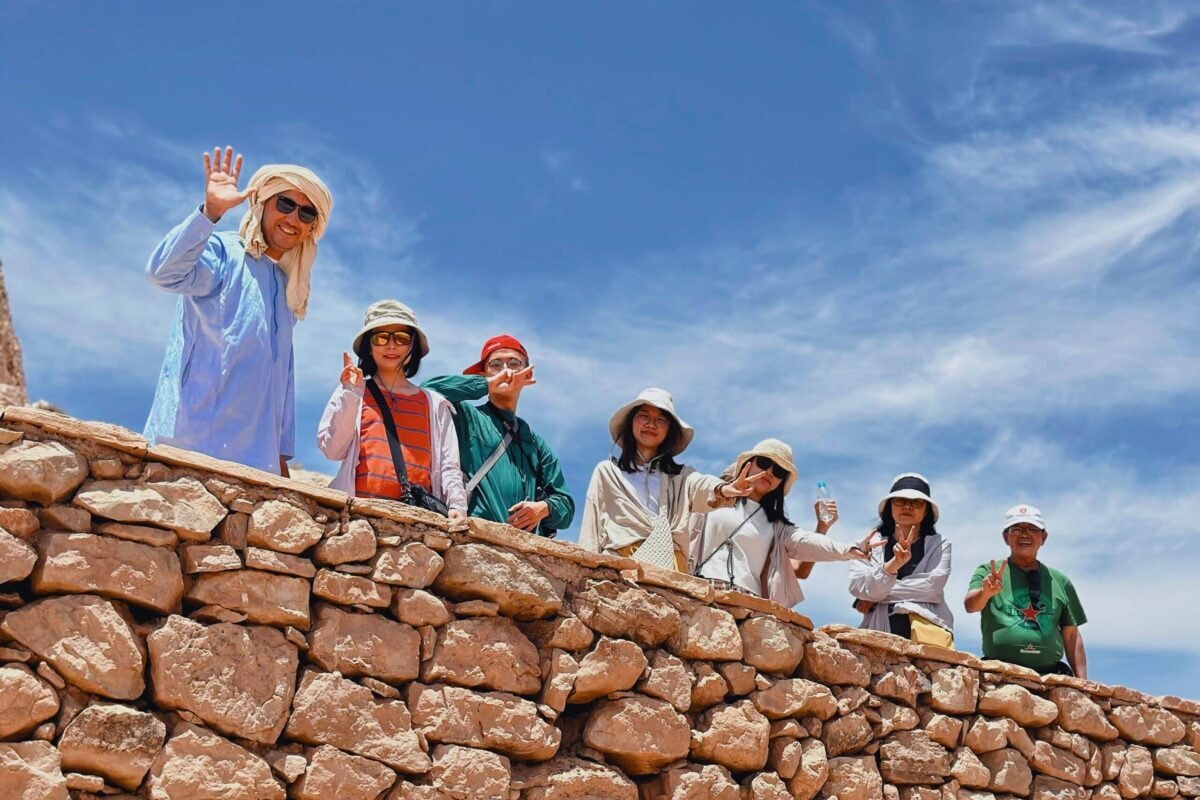
From starry-sky tents in the Sahara, the blue mountain city, mosque culture, to hands-on flatbread-making exchanges in local homes, we believe travel should be a deep cross-cultural experience, not just a collection of tourist attractions. The DeWonder team personally designs every route, taking you into the most authentic side of Morocco while looking after the safety and pace of every group member. With carefully curated small groups of only 8–14 people, we offer local guided tours and unique experiences that immerse you deeply in local culture, avoiding touristy itineraries—no superficial sightseeing, but a deep dive into cultural details. 📸 Moments from DeWonder's Morocco journey — we can't wait for you to join us!


Want to learn more about our Morocco itineraries? 👉 See more Morocco In-Depth Tour Itinerary DeWonder Morocco In-Depth Tour Information Pack 👉 Click Here to Download Join Our Free Online Seminar to Get Your Morocco Itinerary Questions Answered 👉 Click Here to Register